Switzerland, monkeys and flat bread

~ Fes to Midelt ~

This morning we traveled over the beautiful alpine area of the Middle Atlas to stop at Midelt. As we drove, we were surrounded by huge pine trees and a tranquil mountain setting, and the weather started to cool down somewhat as we drove. We had lots of different, seemingly random, stops along the way to break up the 3 h 7 min (205.7 km) trip. 
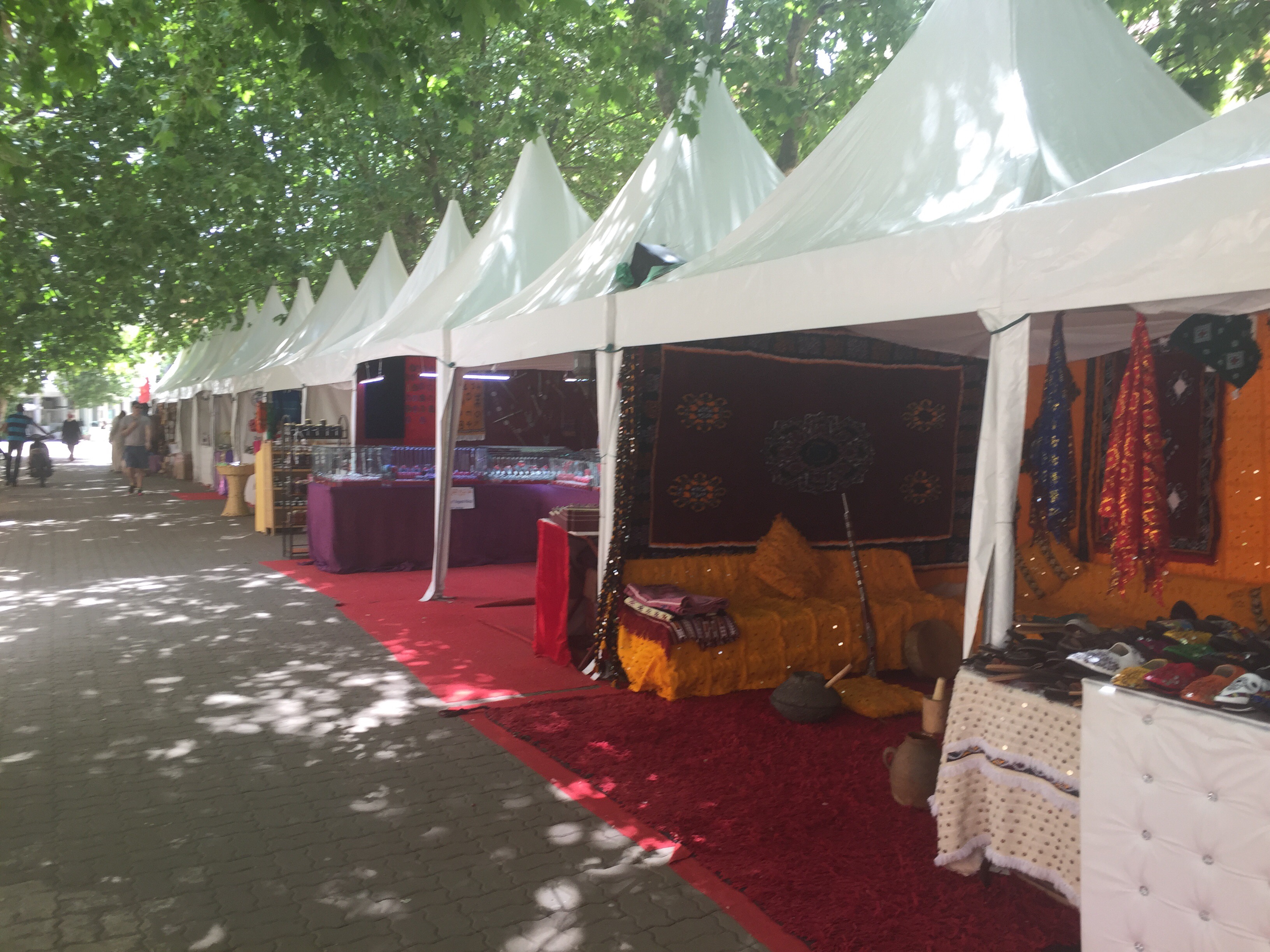
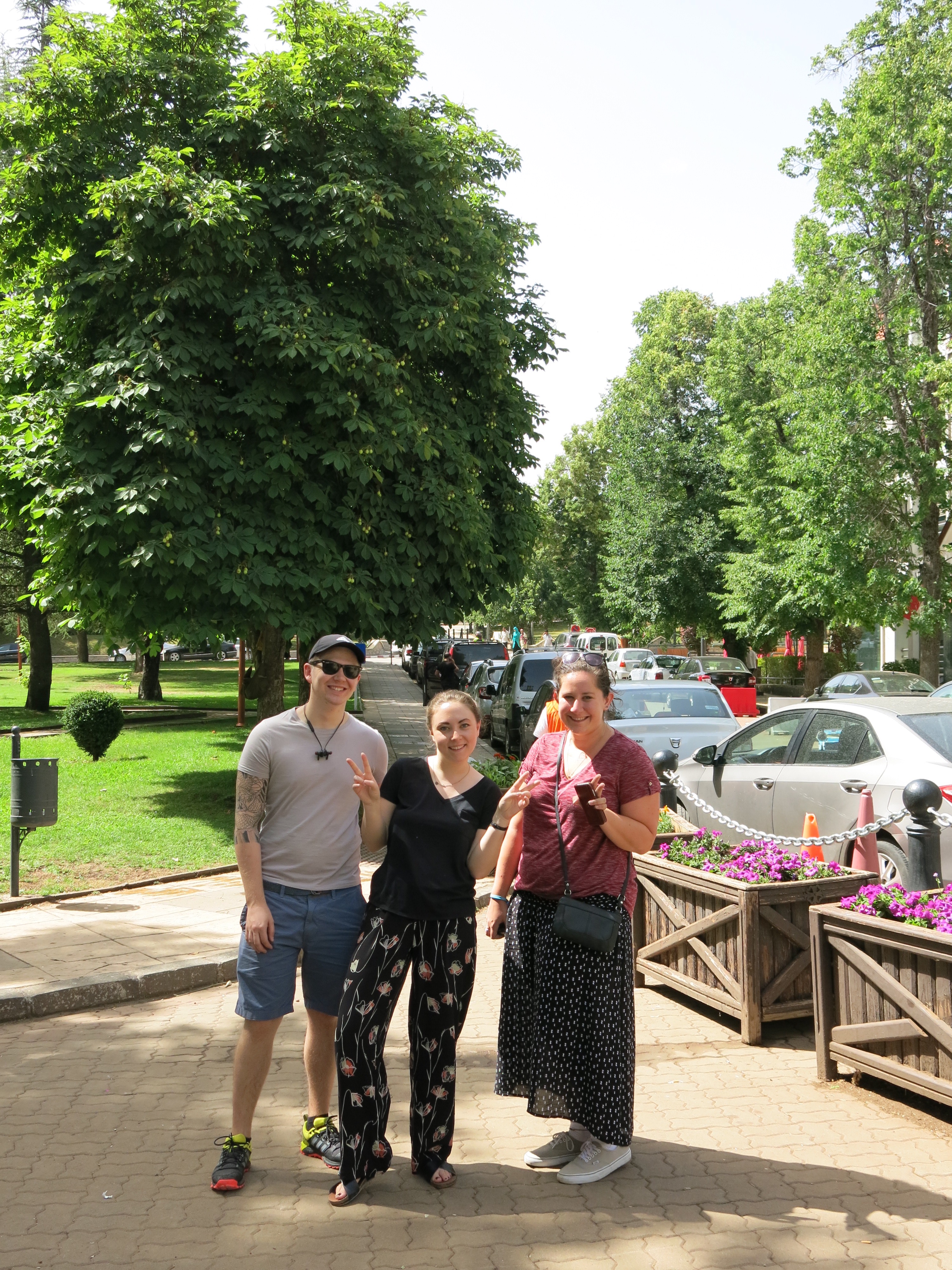
Our first stop was the beautiful, tidy, ordered, modern and Switzerland-esque town of Ifrane. Mohamed informed us the French built Ifrane in the 1930s, deliberately trying to recreate an alpine-style resort. It has neat red-roofed houses, blooming flower beds and lake-studded parks, all kept impeccably neat. In the winter, the affluent (including The King) flock here to ski. Outside the holiday season, Ifrane’s population is boosted by the rich, trendy students of the town’s prestigious Al-Akhawayn University. We stopped along one of the main streets to potter around and drool over some of the crazy impressive cakes in the cafe windows. 
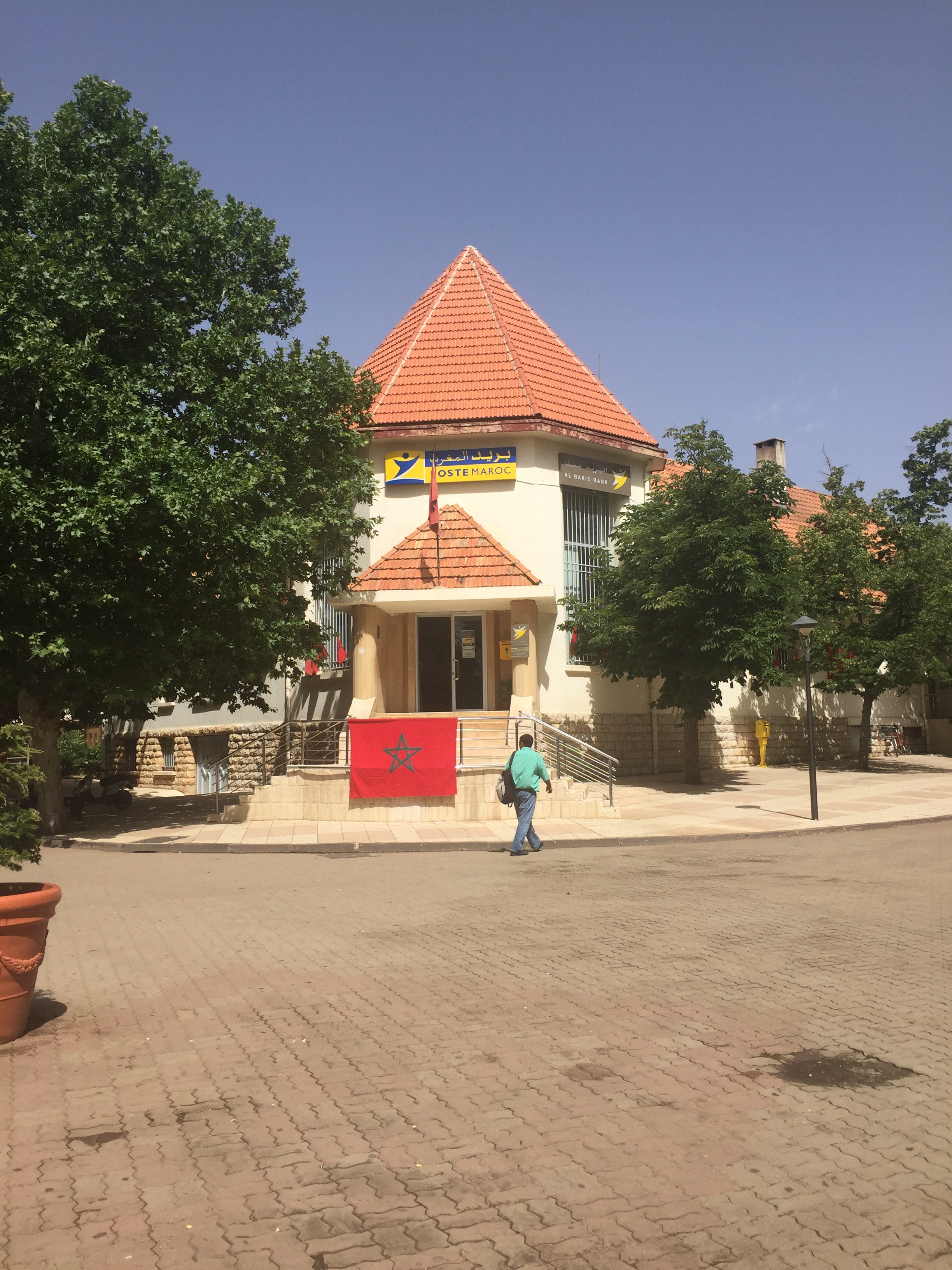

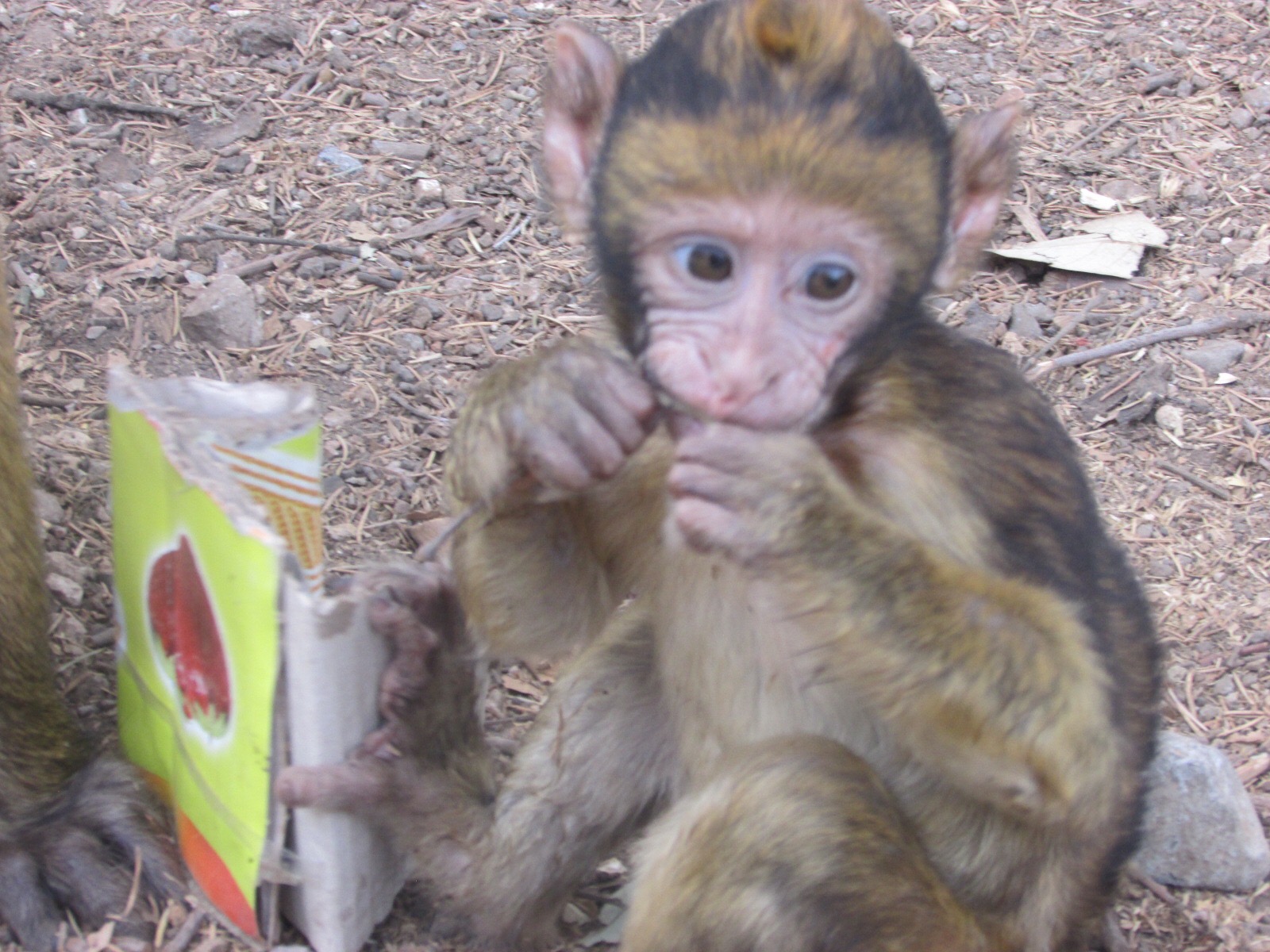
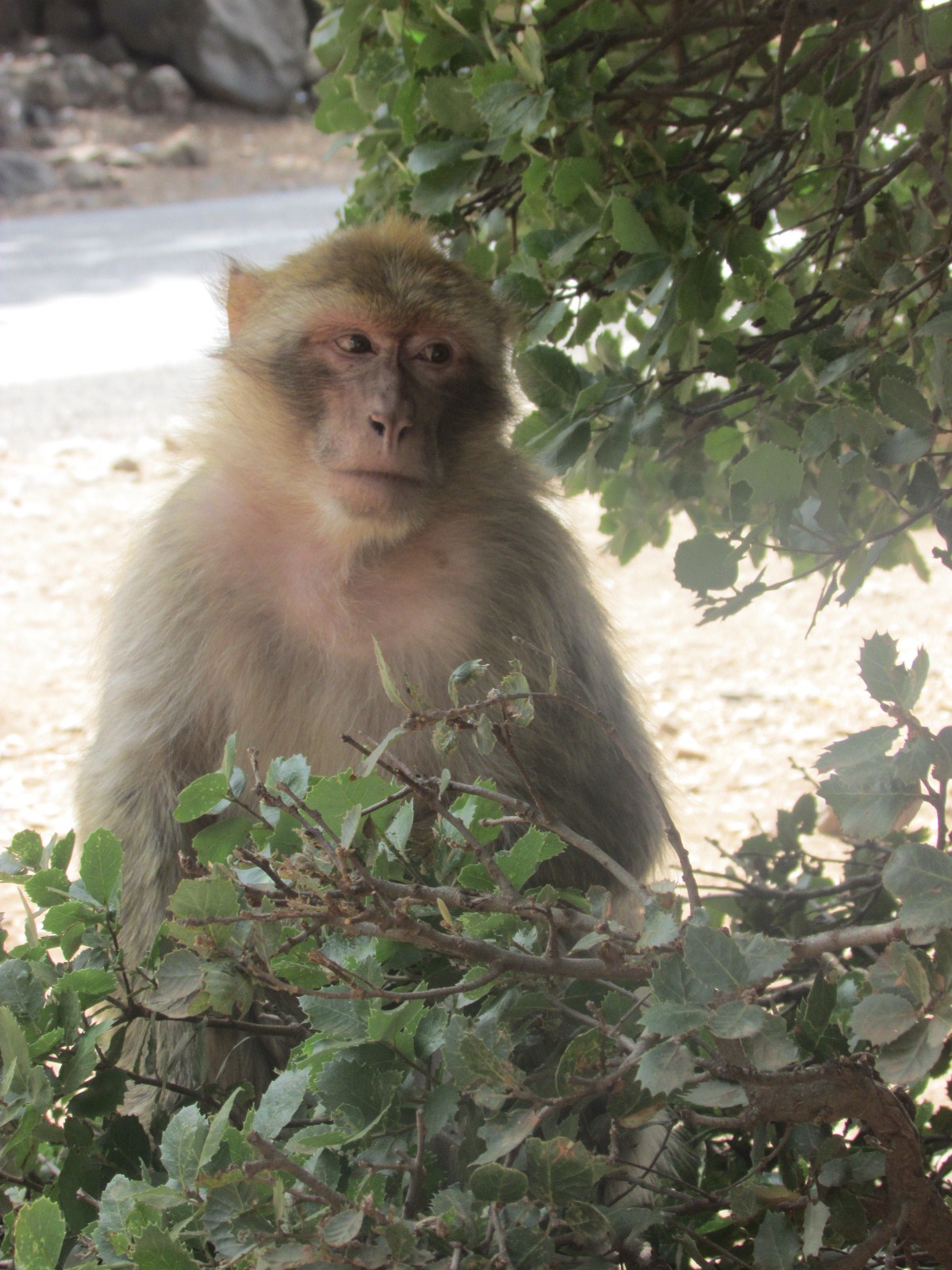
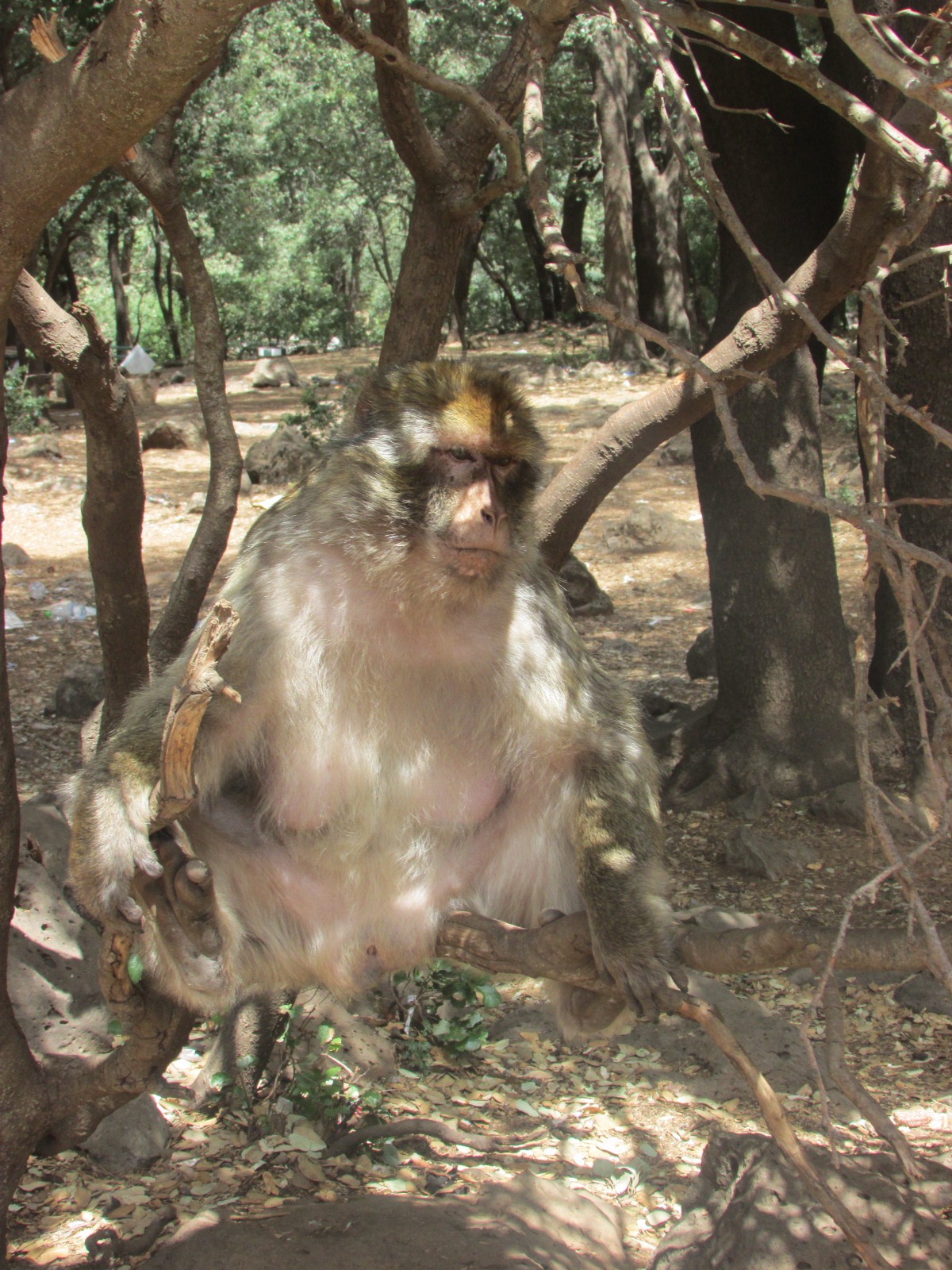
Our next stop was to see the monkeys!!! I don’t know why, it was such an odd addition to the trip and the day, but it was excellent!! We saw so many, including a pregnant monkey, the boss monkey and two little baby monkeys. One of them even came up and touched my camera! So cute! Max got to feed one as well, my heart melted. 

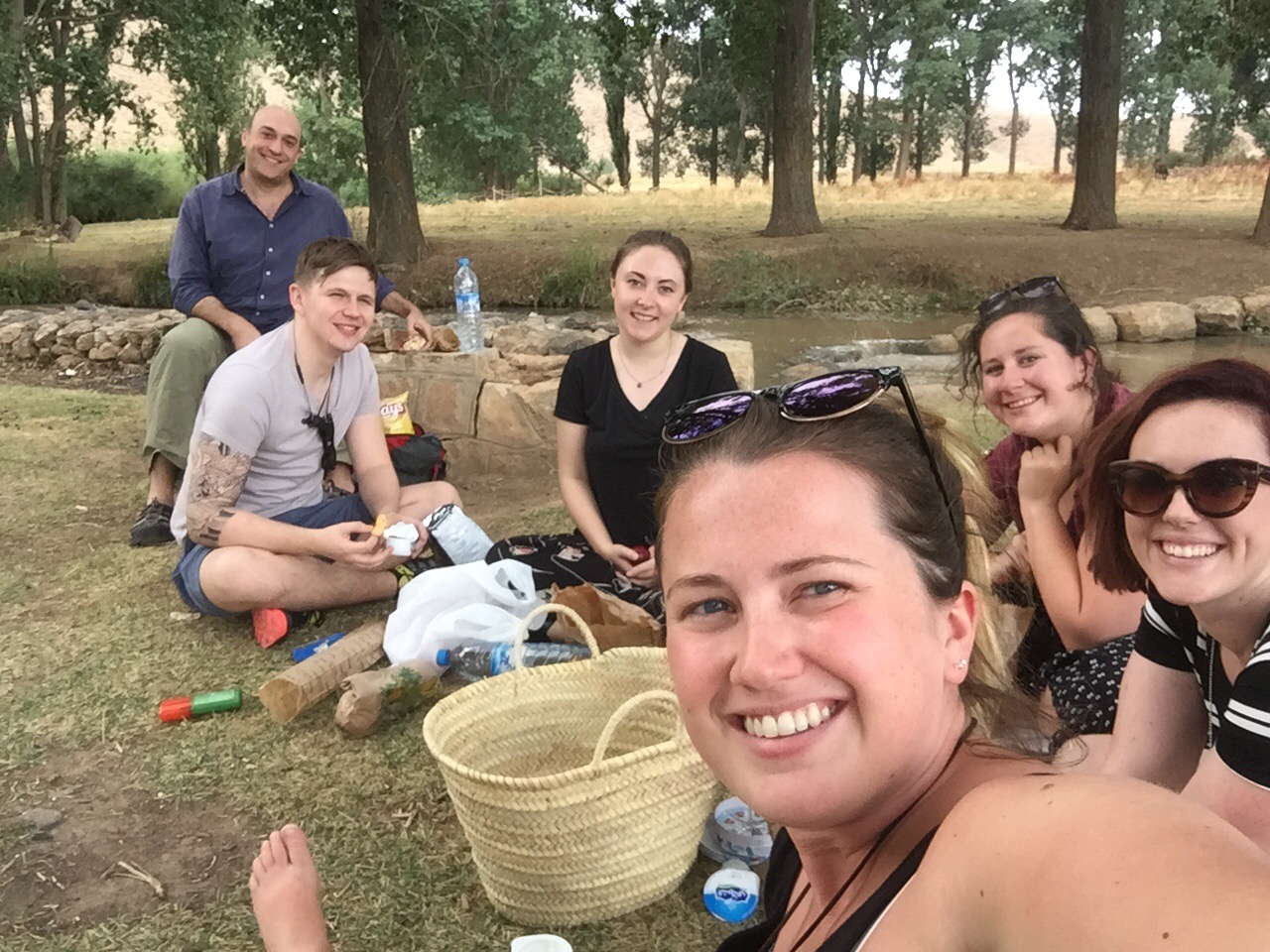
Next, I could not possibly tell you where we were, we stopped beside a small river for our picnic lunch that we had purchased that morning. We ate our food sitting in a circle on the ground swapping stories and laughing while trying to distract the two dogs that were also trying to enjoy our food (lots of “cute moments” on this trip!). Once finished there was a young child and father at the corner of the road. We gave them all of our unfinished food, which they took gratefully. It was a rather humbling moment to say the least. 

As we drove onto Midlet the weather started to change. It started to thunder and rain! But funnily enough it was raining only on one side of the bus! It was not long after the rain stopped that we entered a sand storm. It was nuts and continued well after we reached our destination! 
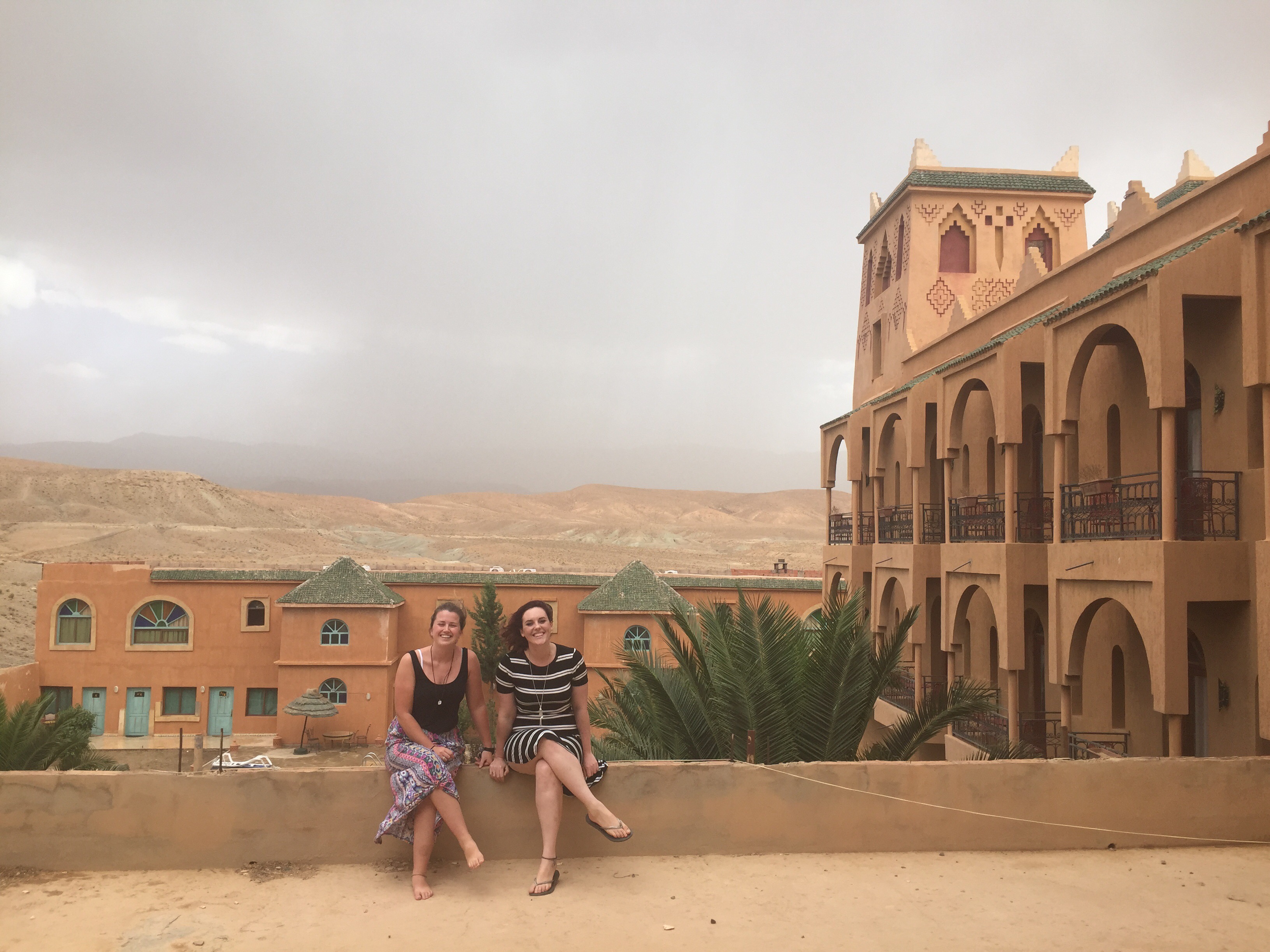
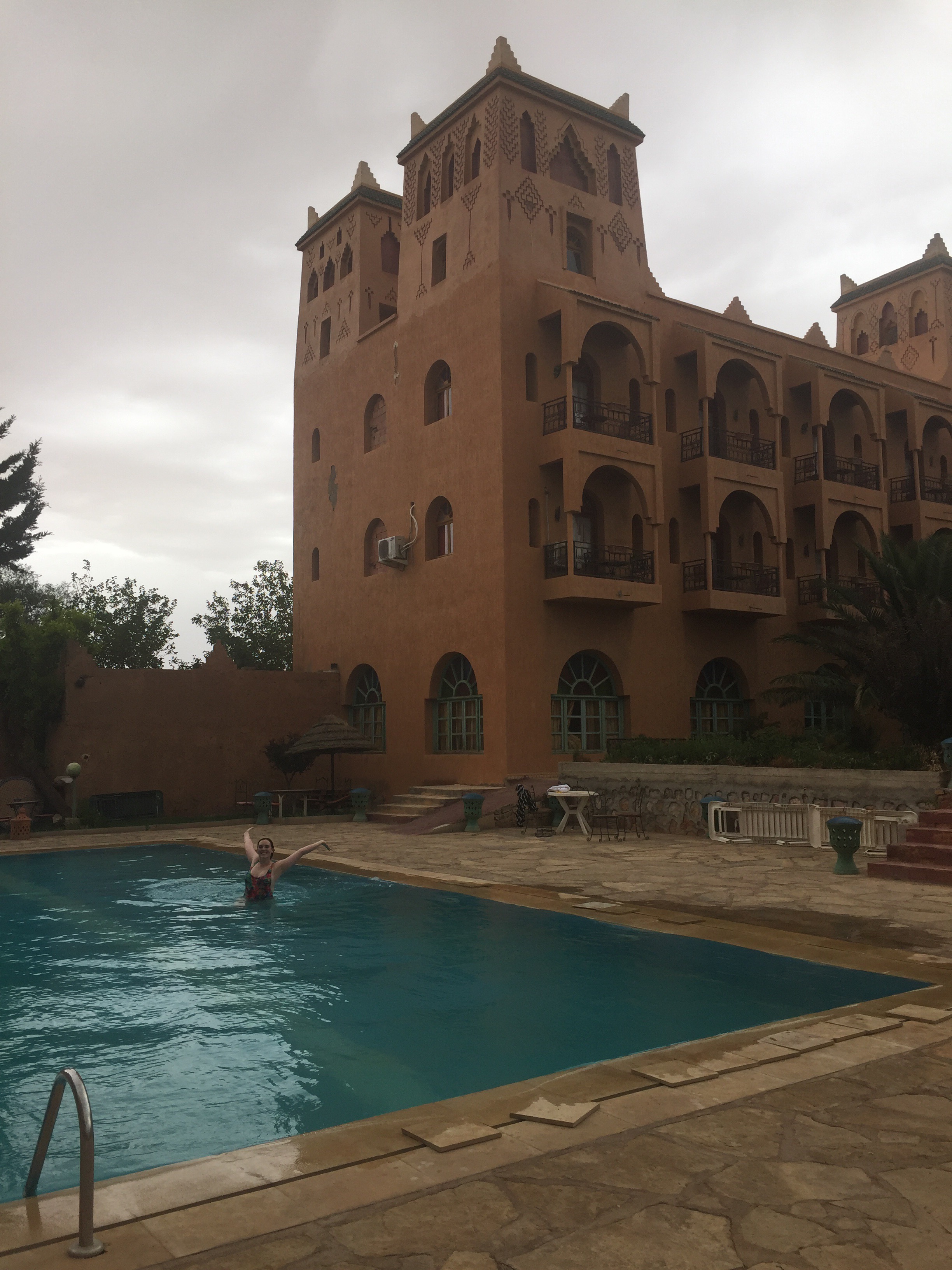
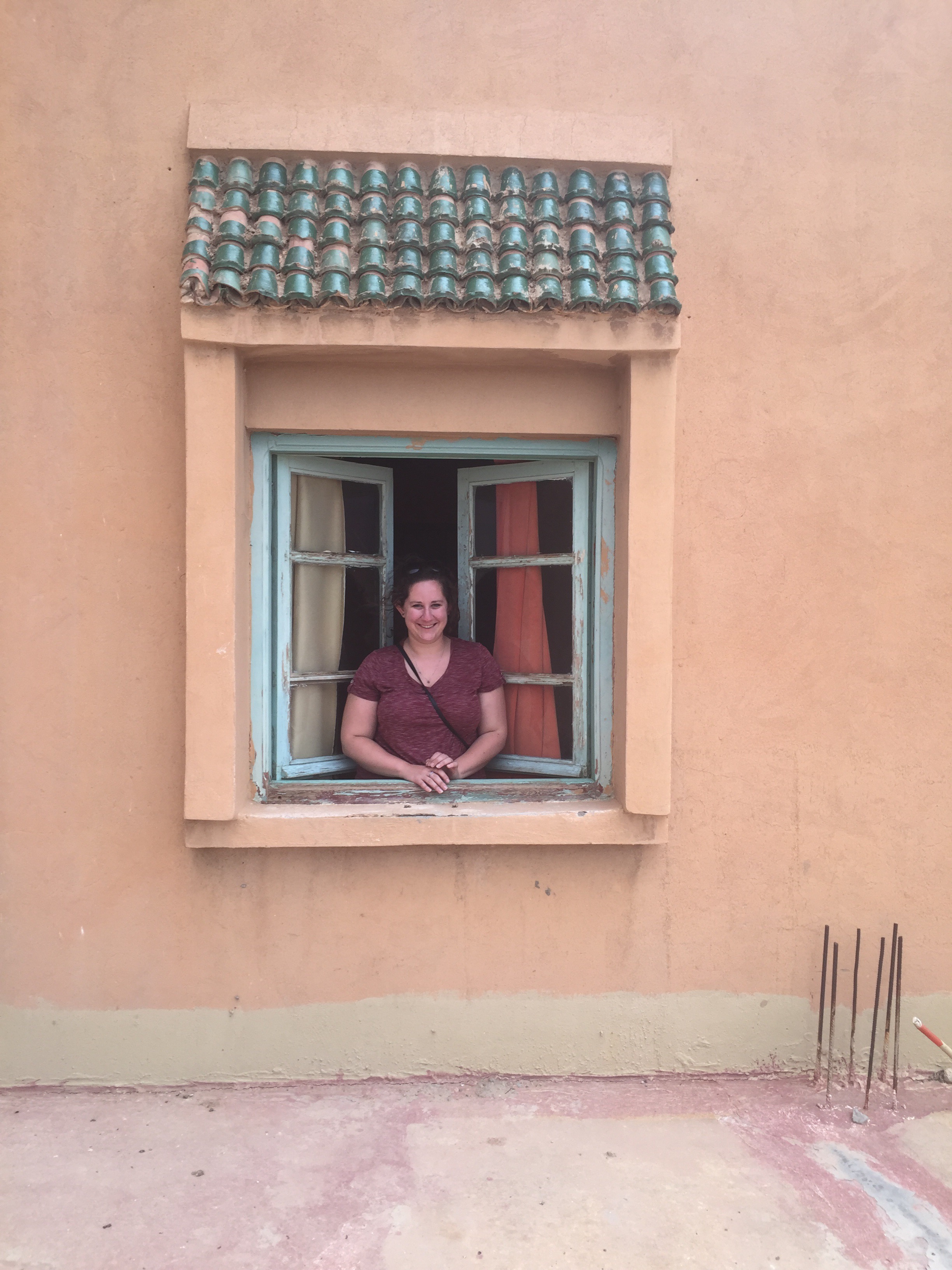
Midelt itself sits between the Middle and the High Atlas. Other than the breathtaking landscape views, Midelt is little more than one Main Street, a market, and big restaurants that cater for all the tour groups that stop at Midelt on the way to the desert. Our hotel was almost desert like in itself, almost looking like a giant sandcastle. It was beautiful, especially with the mountains as a backdrop. The girls climbed out the window of our room onto the roof of the floor bellow to get a better look at the view. I, being my uncoordinated self, decided to stay safely on the other side of the window. This probably turned out to be a good idea as somehow Roisin managed to fall spectacularly while climbing back in the window (even though it seemed to somehow happen once she was pretty much over the ledge…). Accidents. Mohamed happened to come in while this was happening, exclaiming that “us girls” were always running around confusing him. Much to the confusion of the hotel staff (given the weather), we headed down to check out the pool and Roisin went for a very quick dip (the water was rather fresh). Then we went back up to the room to have a rest before we went on our final adventure of the day. 

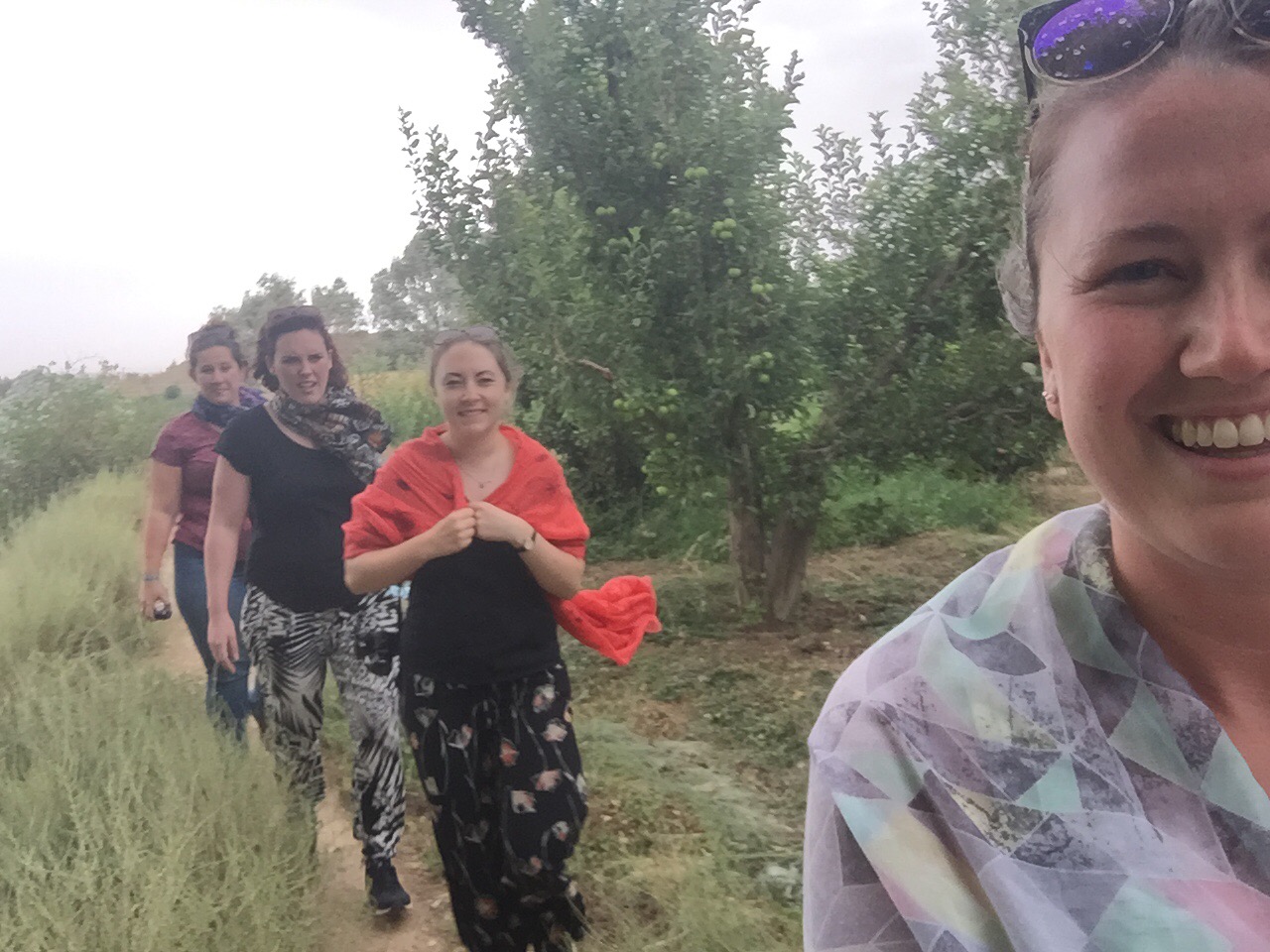
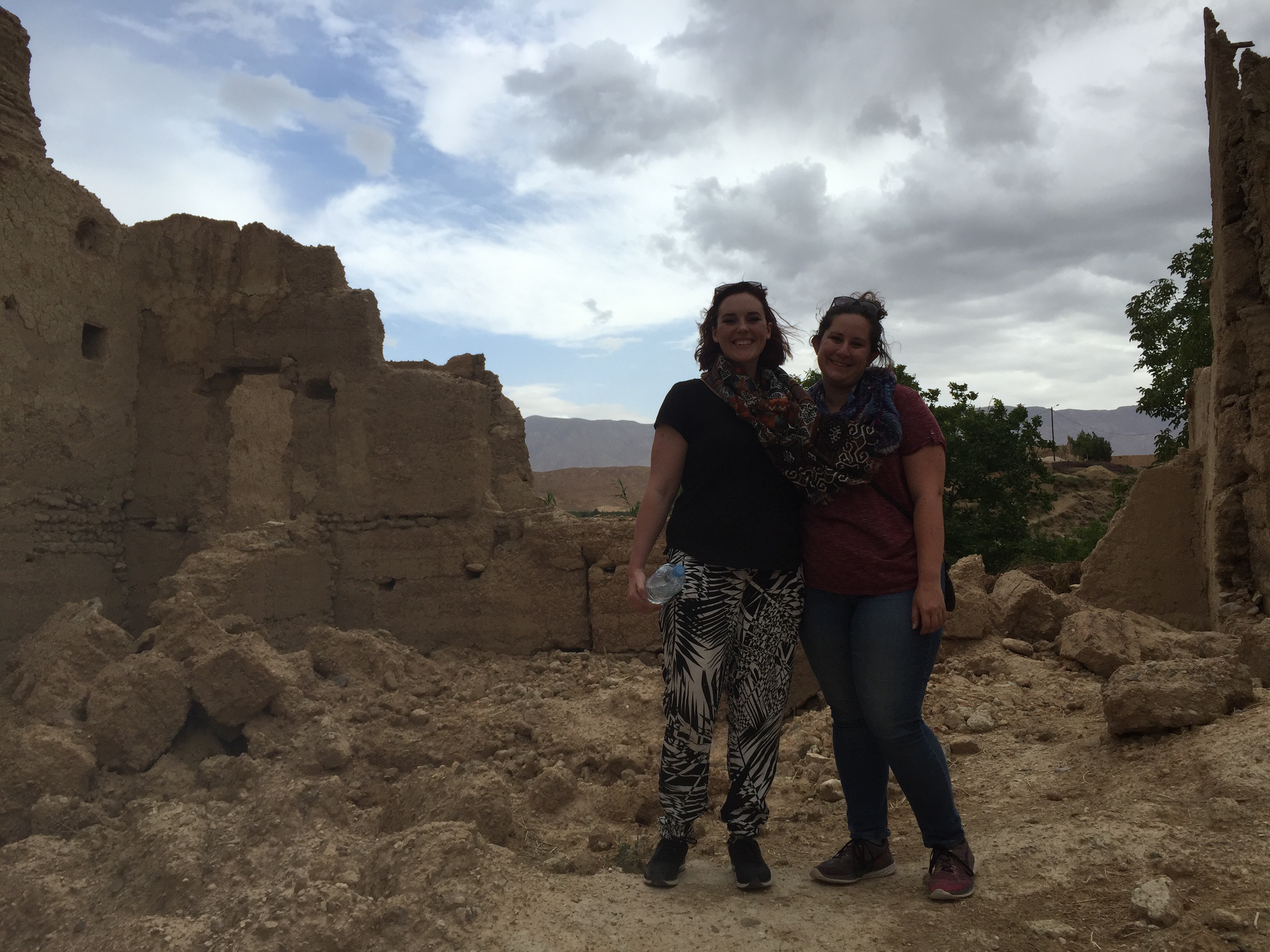
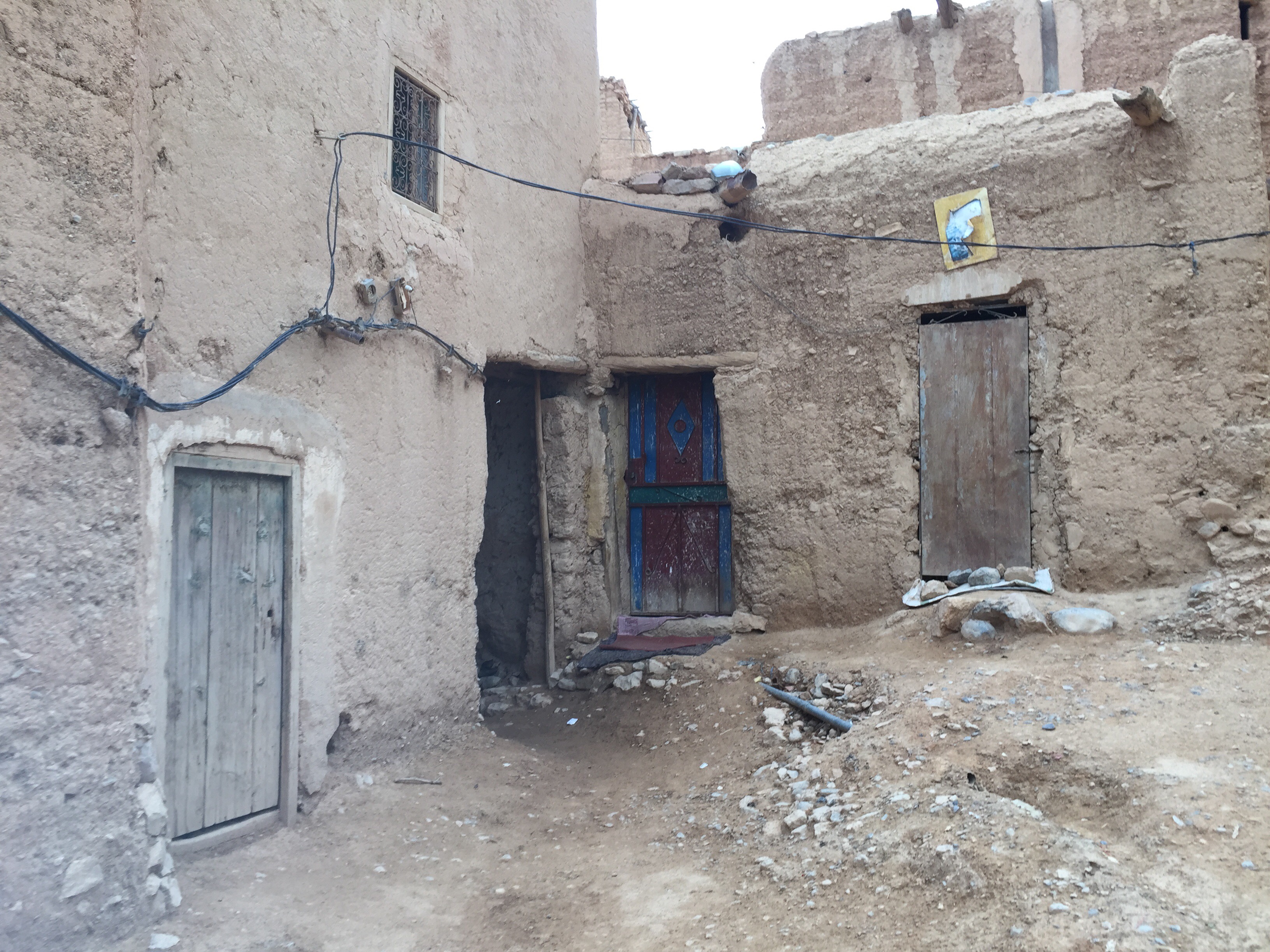
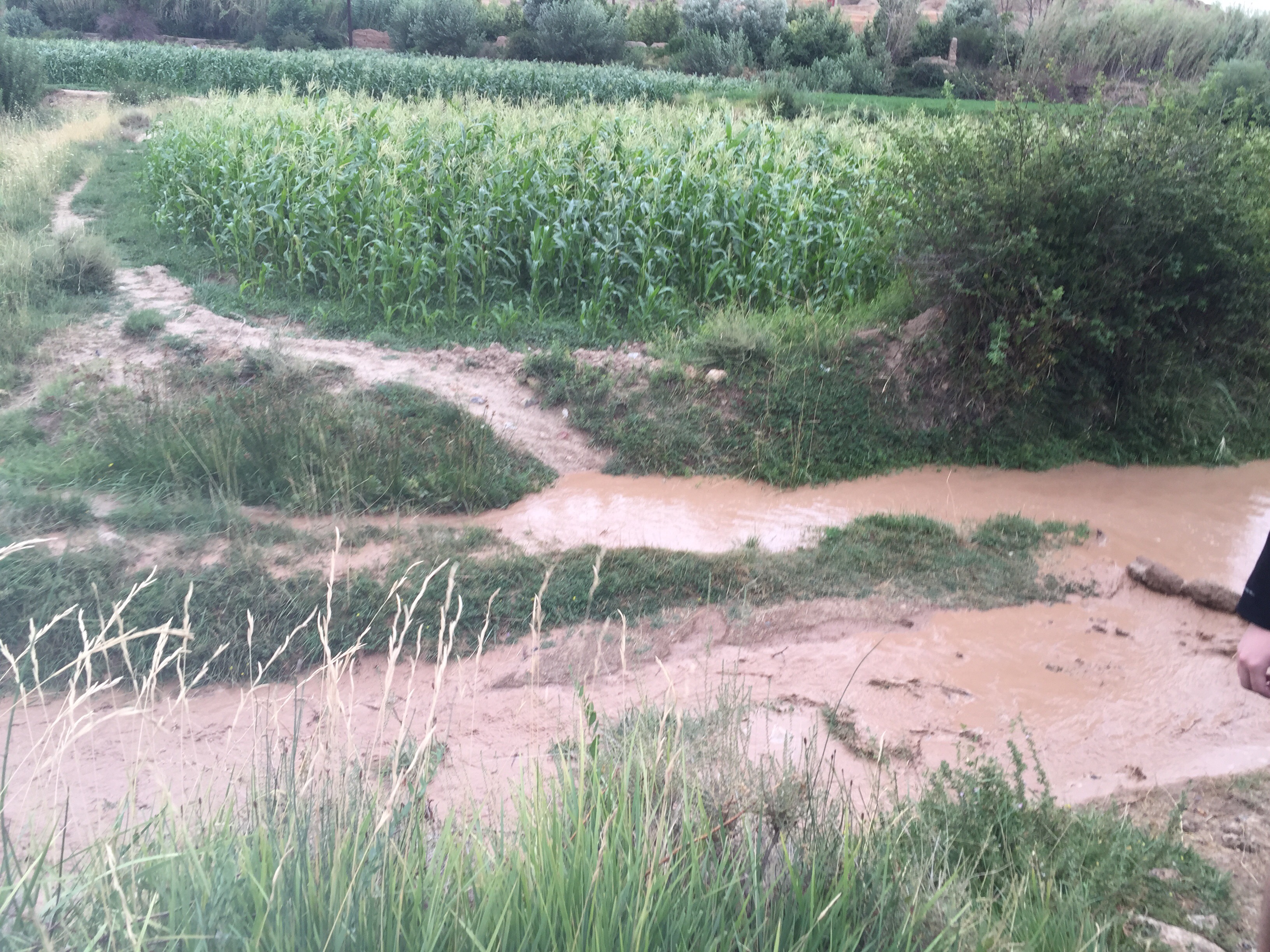
All Mohamed had told us was that we were going to go for a walk, and then would have a cup of tea with a Berber family. Stan the Van and Hassan dropped us off in front of a field – seemed pretty much in the middle of nowhere but we though we might walk along the road. Nope. Mohamed started walking, leading the way through grassy fields, jumping over little streams and onto rocks. A few slips happened along the way as we trudged along and couldn’t always tell our door placement, it was quite a funny walk. We came across men, women and donkeys working in fields and carrying produce al smiling and waving at us as we went. We stopped at an old abandoned and ruined medina and wandered through – they now use it to store grains. After about an hour we came upon a little village. We asked Mohamed how on earth he had found this path and this village as it did see like the path less traveled. He said he wanted a better experience for his travelers and started walking around knocking on doors to see if he could find a family that would be happy to host some tourists! 

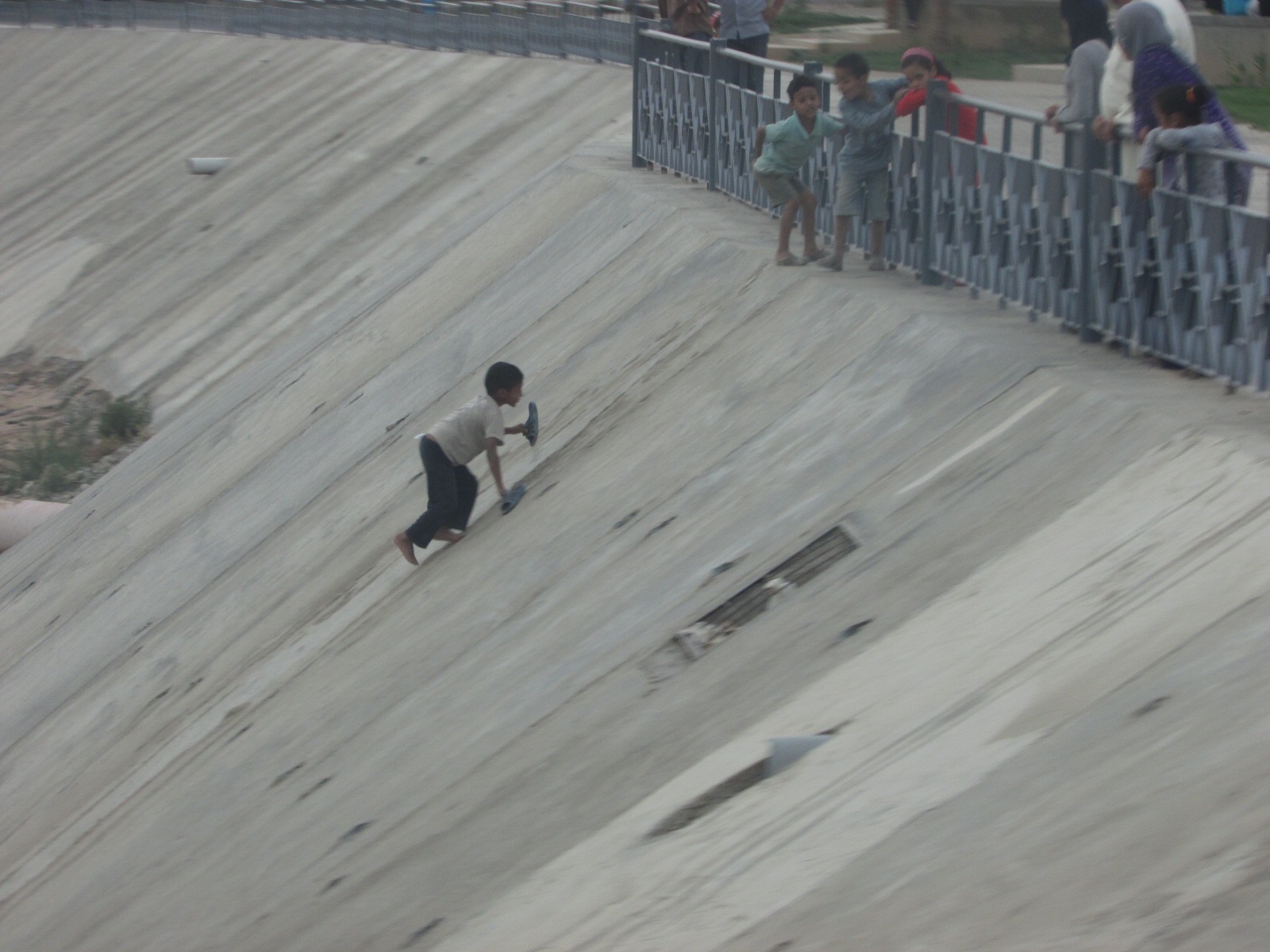
We started walking up into the town and the children started coming out of everywhere and following us. Mohamed said that when he was a child they all used to love following the tourists around if they ever came into his village. Someone said they wished they had a present for the children, but Mohamed smiled and said “No, please no! Otherwise next time I will have hundreds following me”!! We turned up at a home near to the top of the village and knocked on the doorframe. We were greeted warmly by two women and shown into their guest room. We sat and were given tea, biscuits, fresh Moroccan bread, homemade jams and more! It was delicious! We tried to offer to help but were shunned away and told to sit and relax. We did as we were told and chatted in broken Moroccan/French/English to the kids that came in the room as well as to the father of the house. It was such a lovely and special experience. We thanked the profusely as we left and gushed about how much we loved the experience. 
We had dinner at the hotel tonight – a real Moroccan feast. Funnily enough we are quite a small amount because everyone had LOVED the food in the village and had stuffed their faces! Also we did not quite understand Mohamed sense of sarcasm yet and when he joking said that the food at the village was our dinner, we believed him! We laughed, chatted and enjoyed our food, going to bed well and truly full!! 
Groundhog Day

~ Fes ~
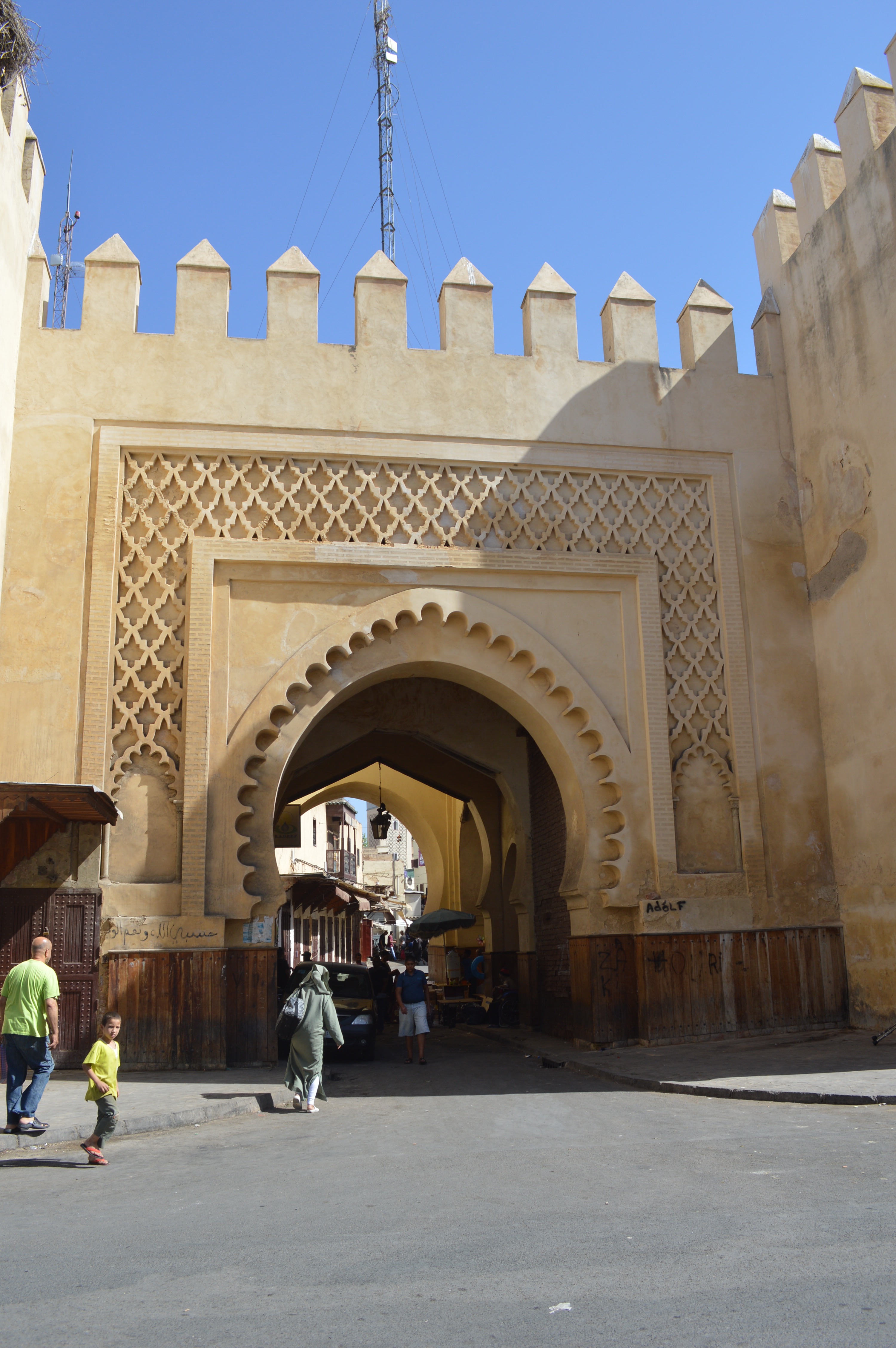
Today we had a full day in Fes, and to help us explore, we had an 8 hour tour! We met our tour guide in the hotel lobby at 9am. He was a bright and bubbly chap with a smile from ear-to-ear! Our first stop was at the city wall just near the palace, we stopped here to have an introduction to Fes in general. Fes is an old city – dynasties, fashions and booms have come and gone in the city’s 1200-year existence and Fes has outlived them all. Sitting between the mid atlas and reef mountains makes Fes quite a unique place. The city is surrounded by lakes and rivers, the temperature ranges from 45 degrees to -2 degrees and farming is main occupation of the people of Fes. Morocco’s independence movement was born here, and when there are strikes or protests, they are often at their most vociferous in Fes. 


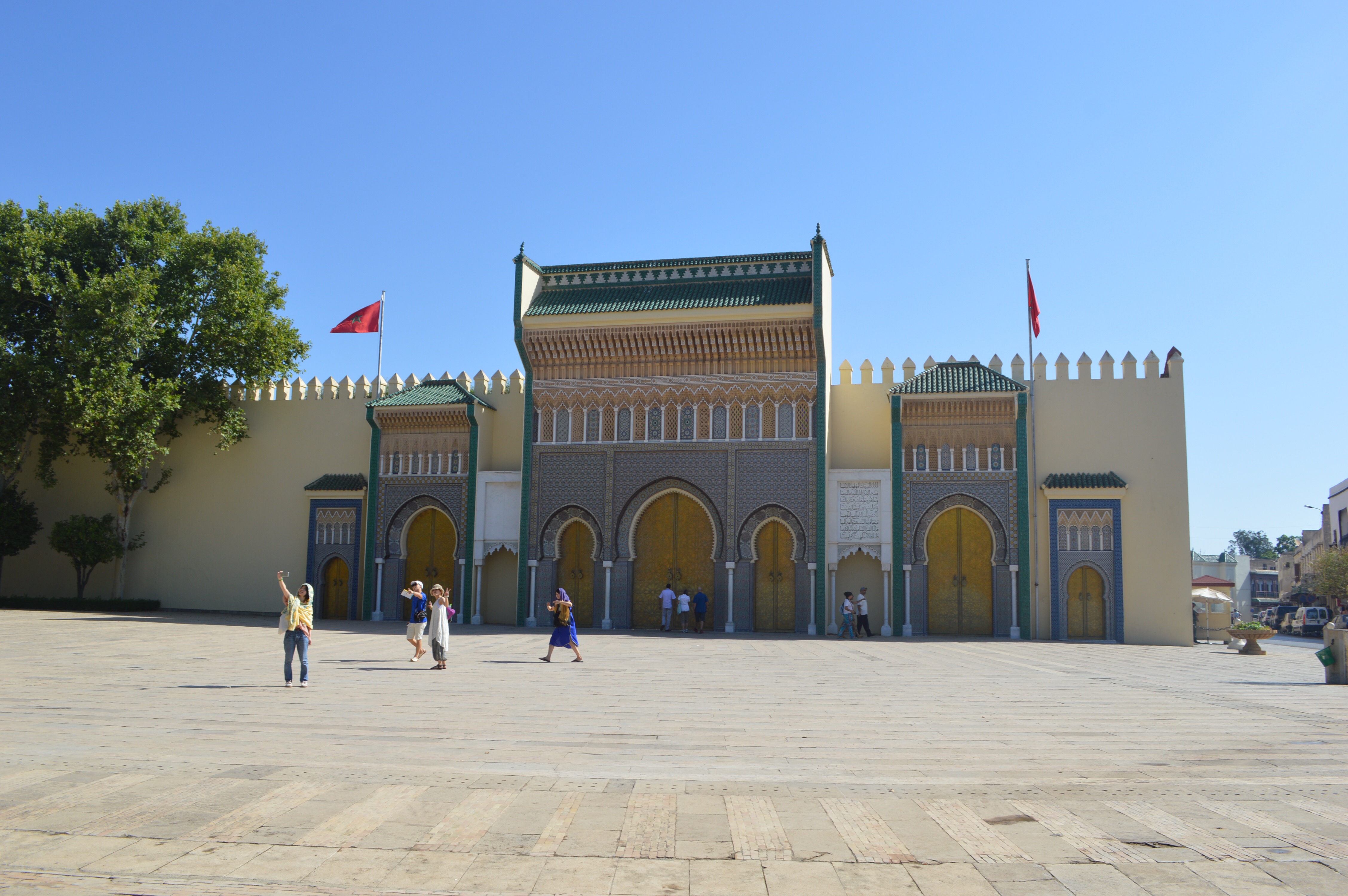
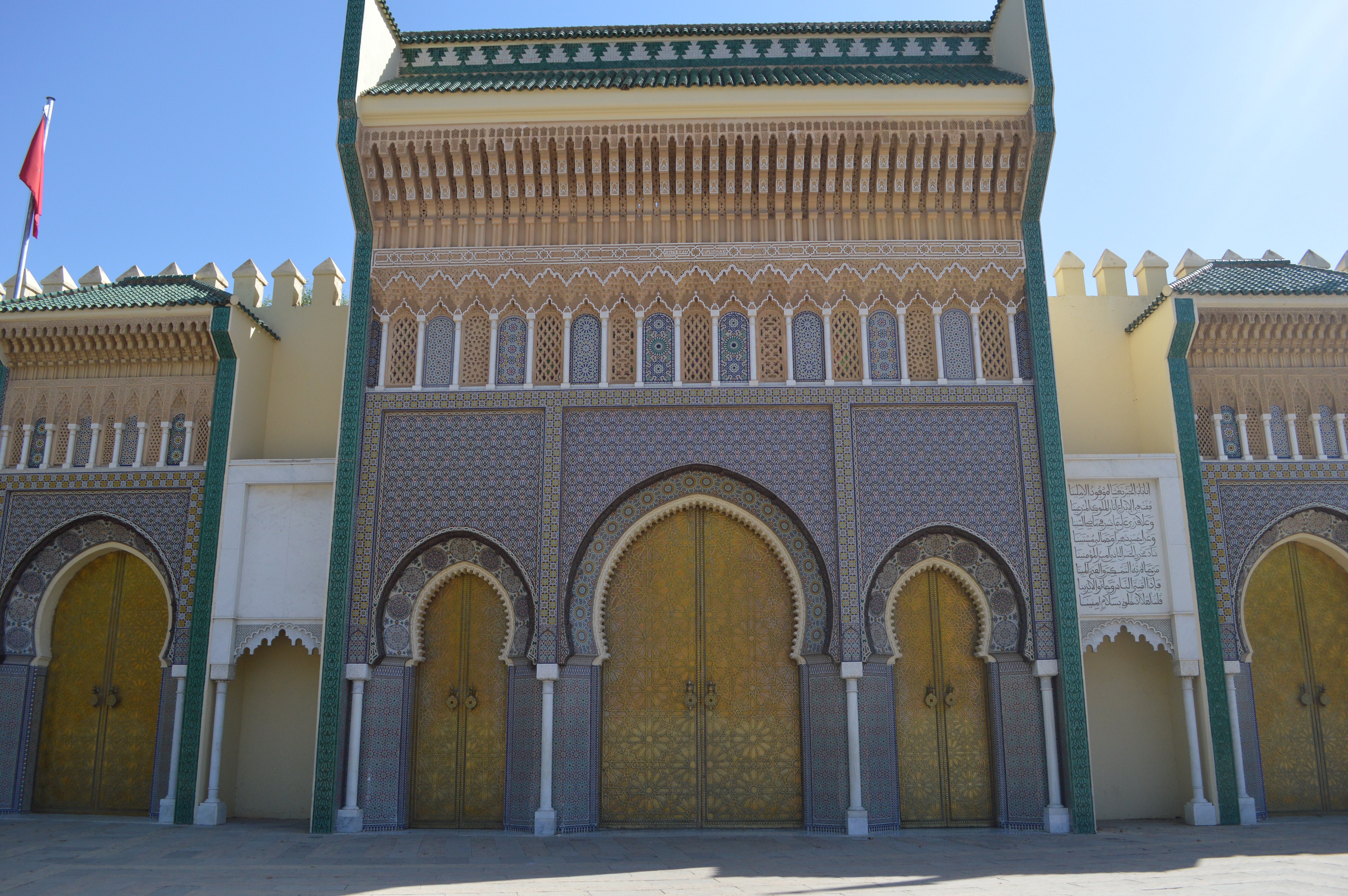
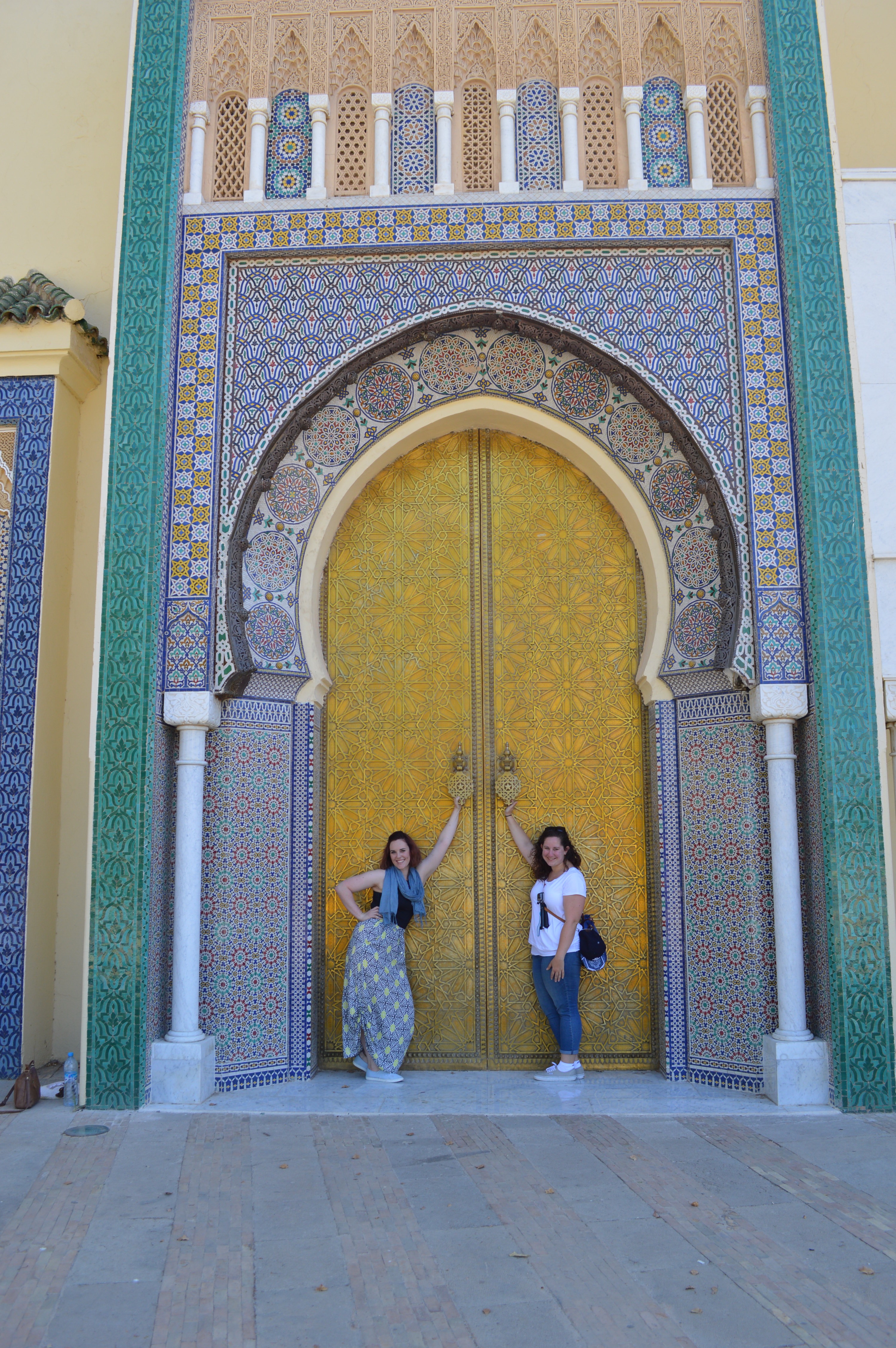
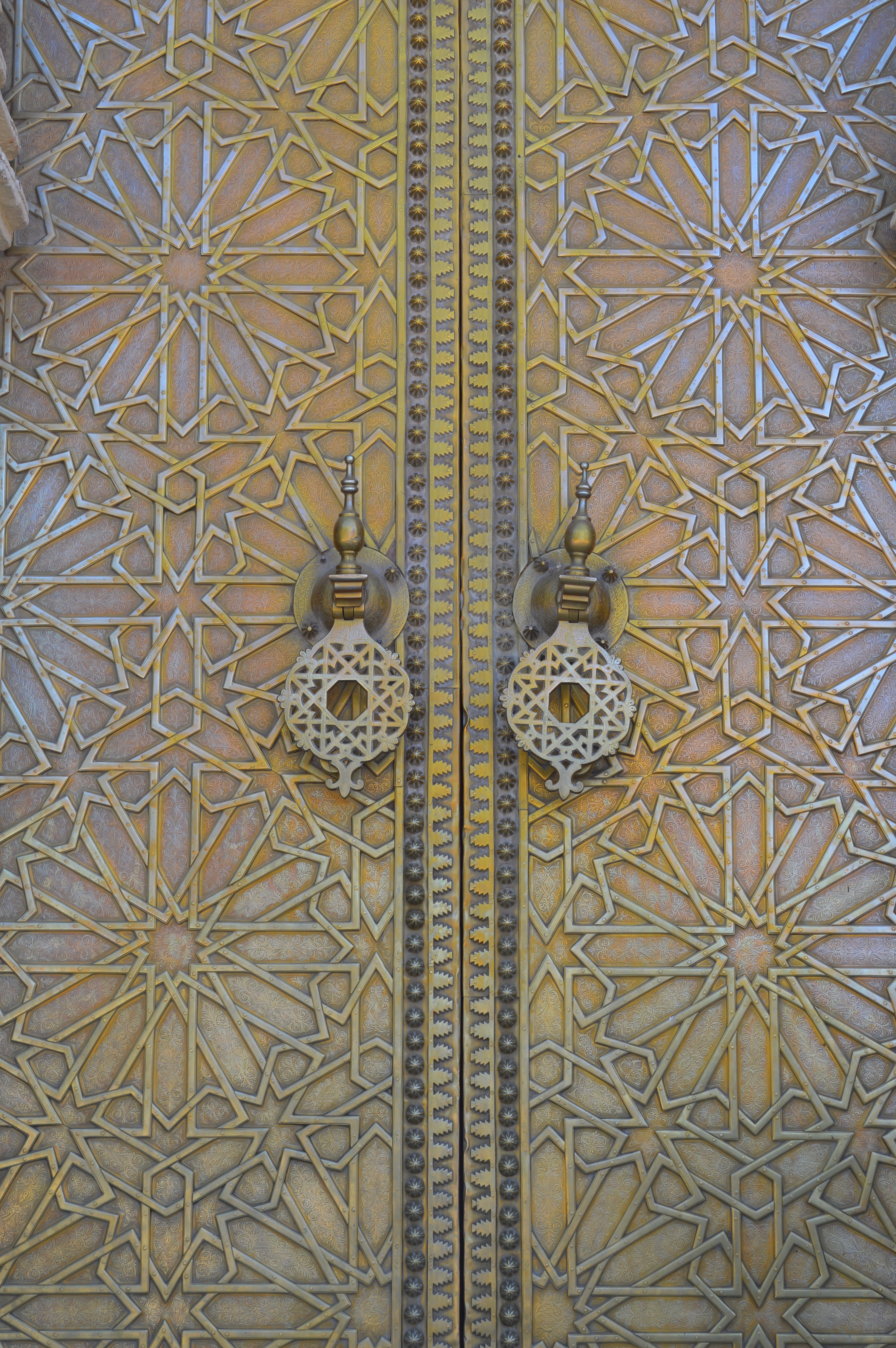
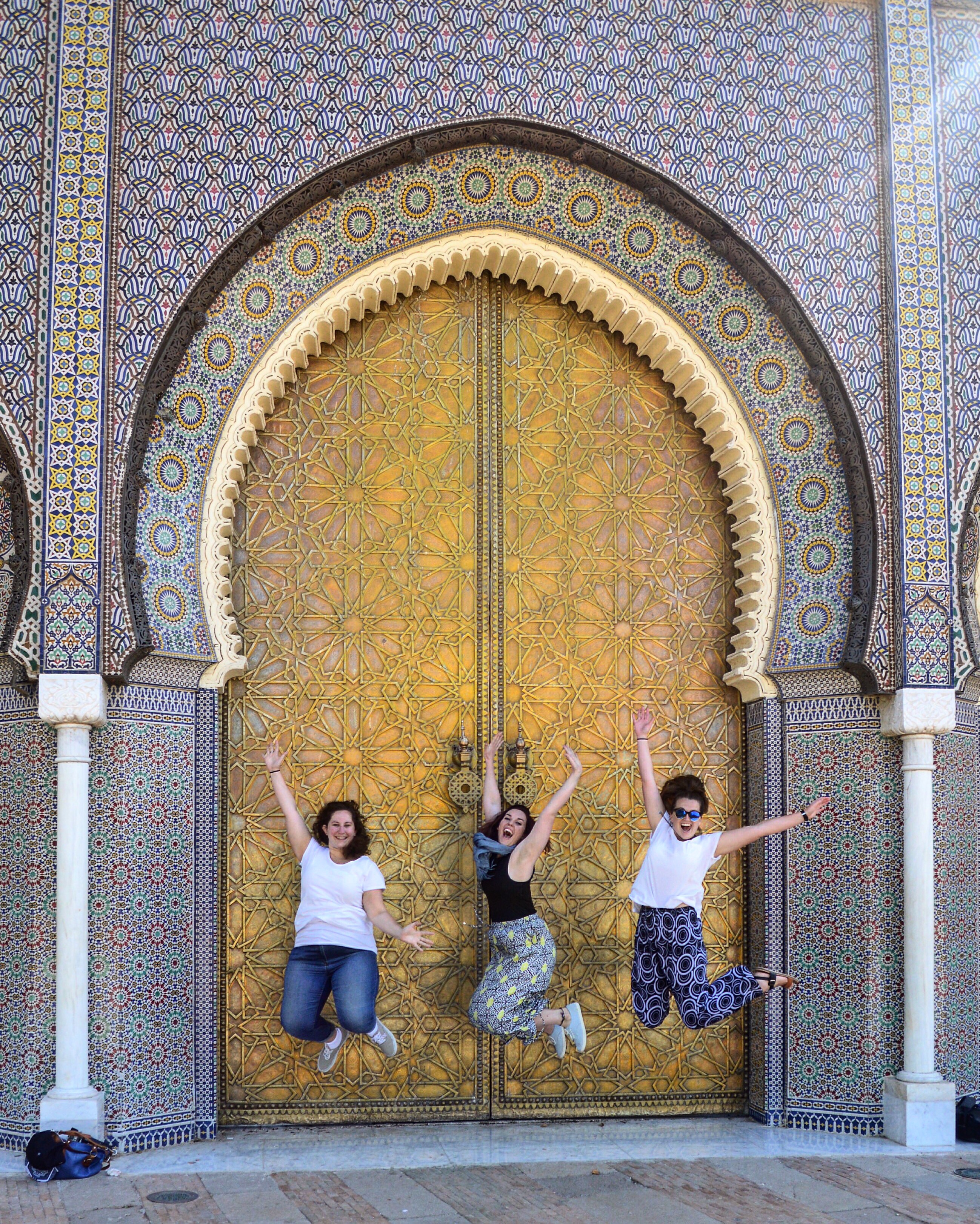
We moved across the road to the Royal Palace – Dar el-Makhzen. The 80 hectares of palace grounds are not open to the public, but from the square out front there is ample space to appreciate the imposing brass doors, surrounded by fine zellij and carved cedar wood. Picture perfect background for the ideal touristic photo! 


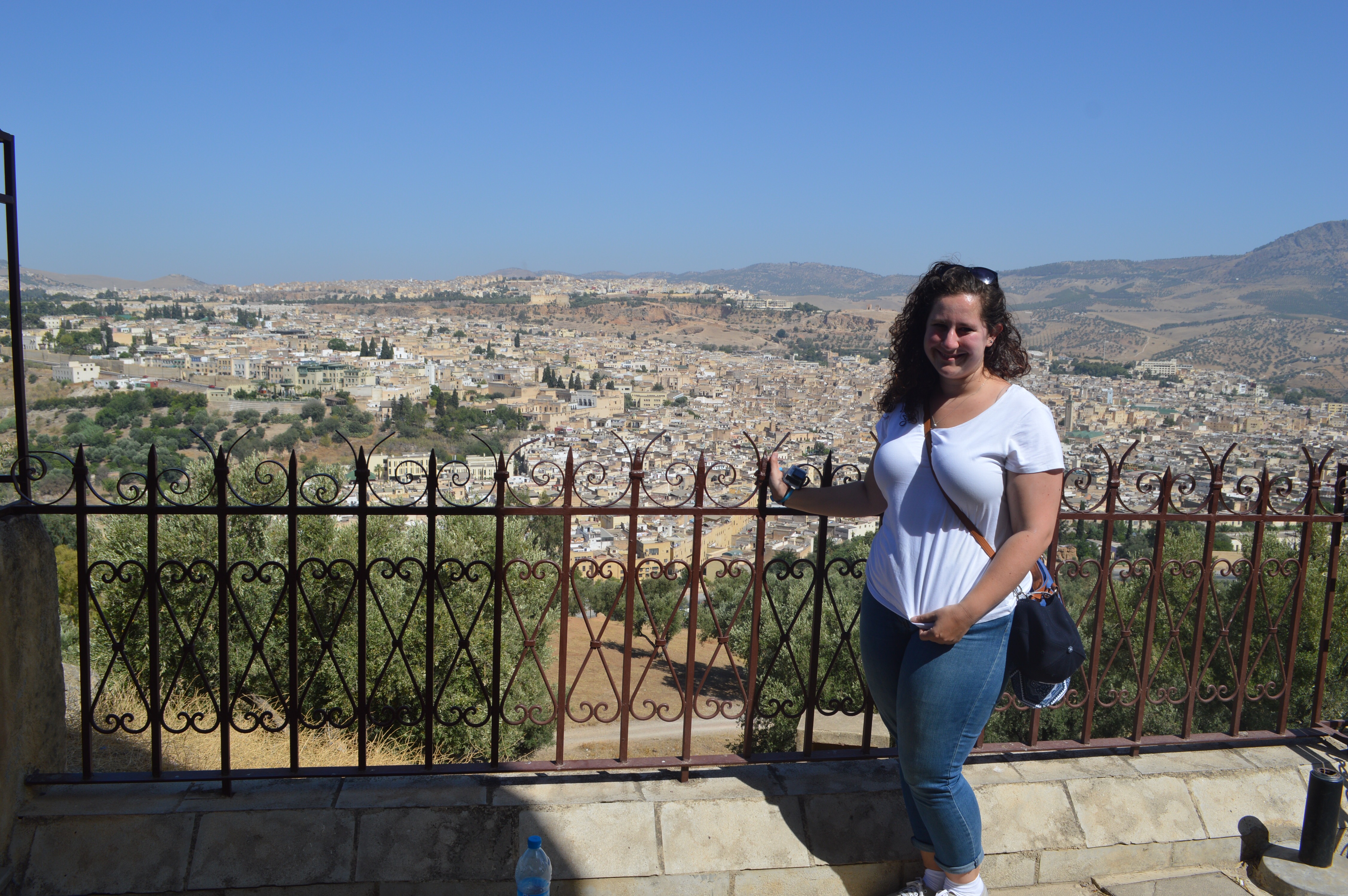
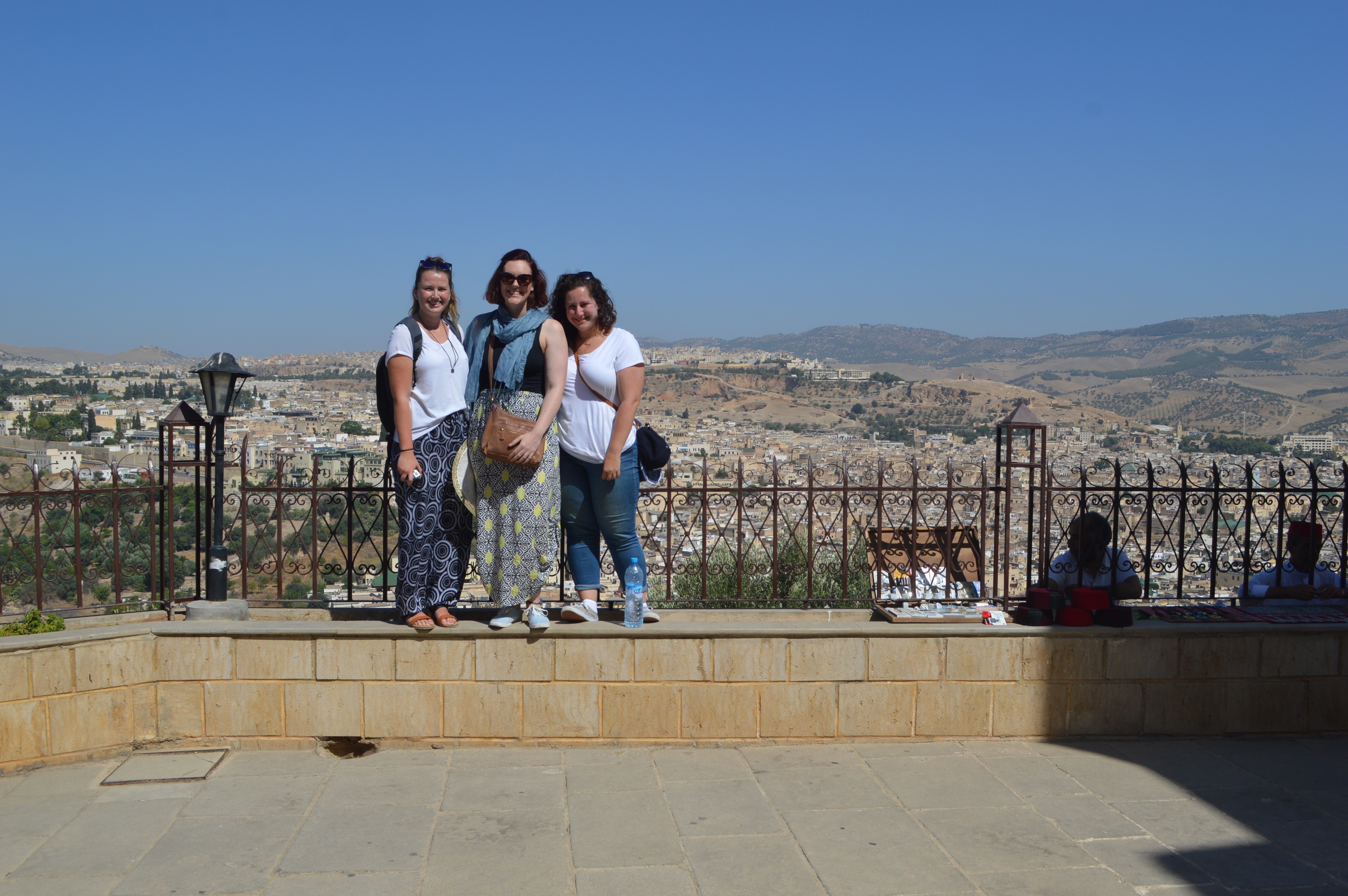
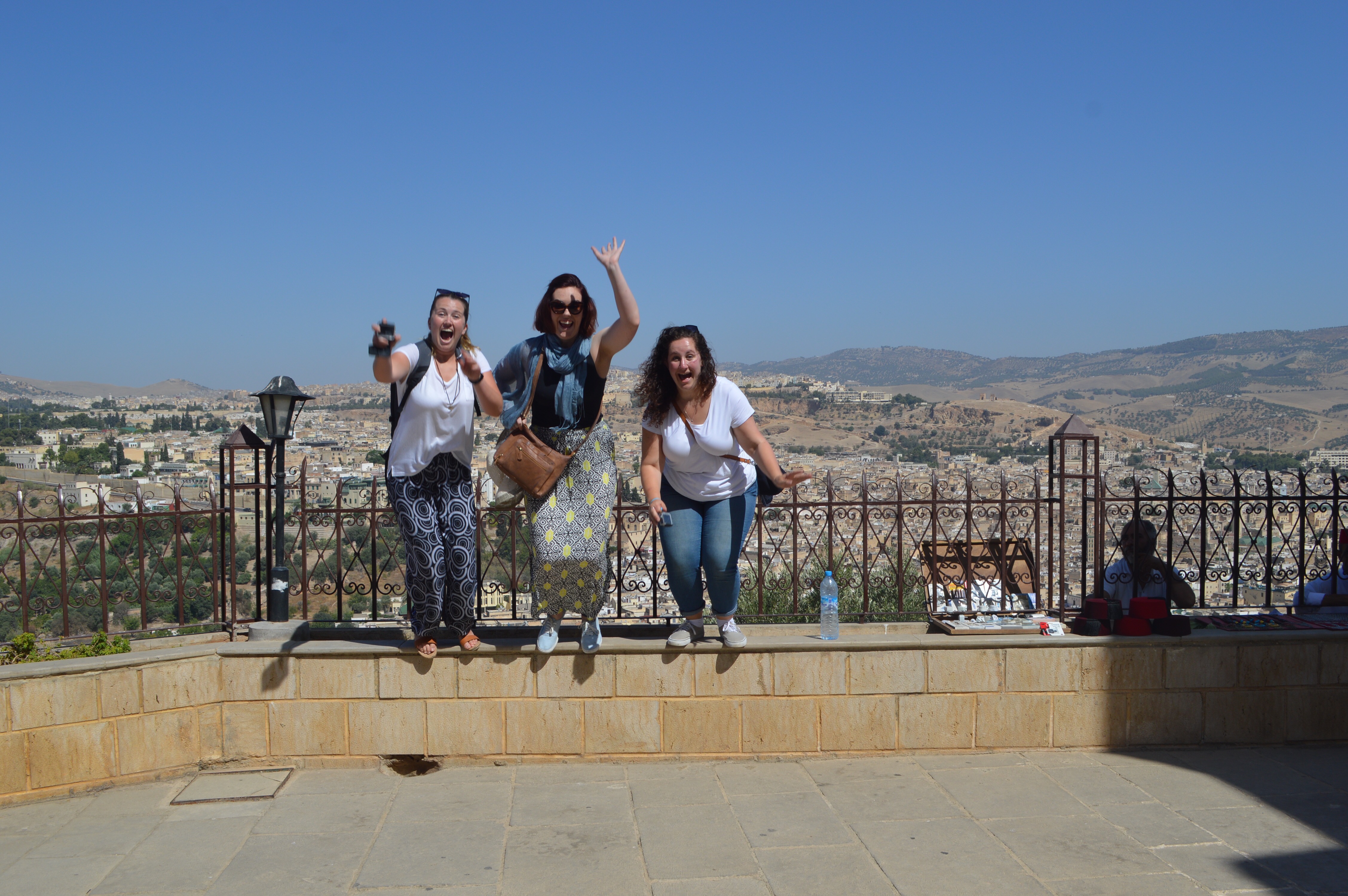
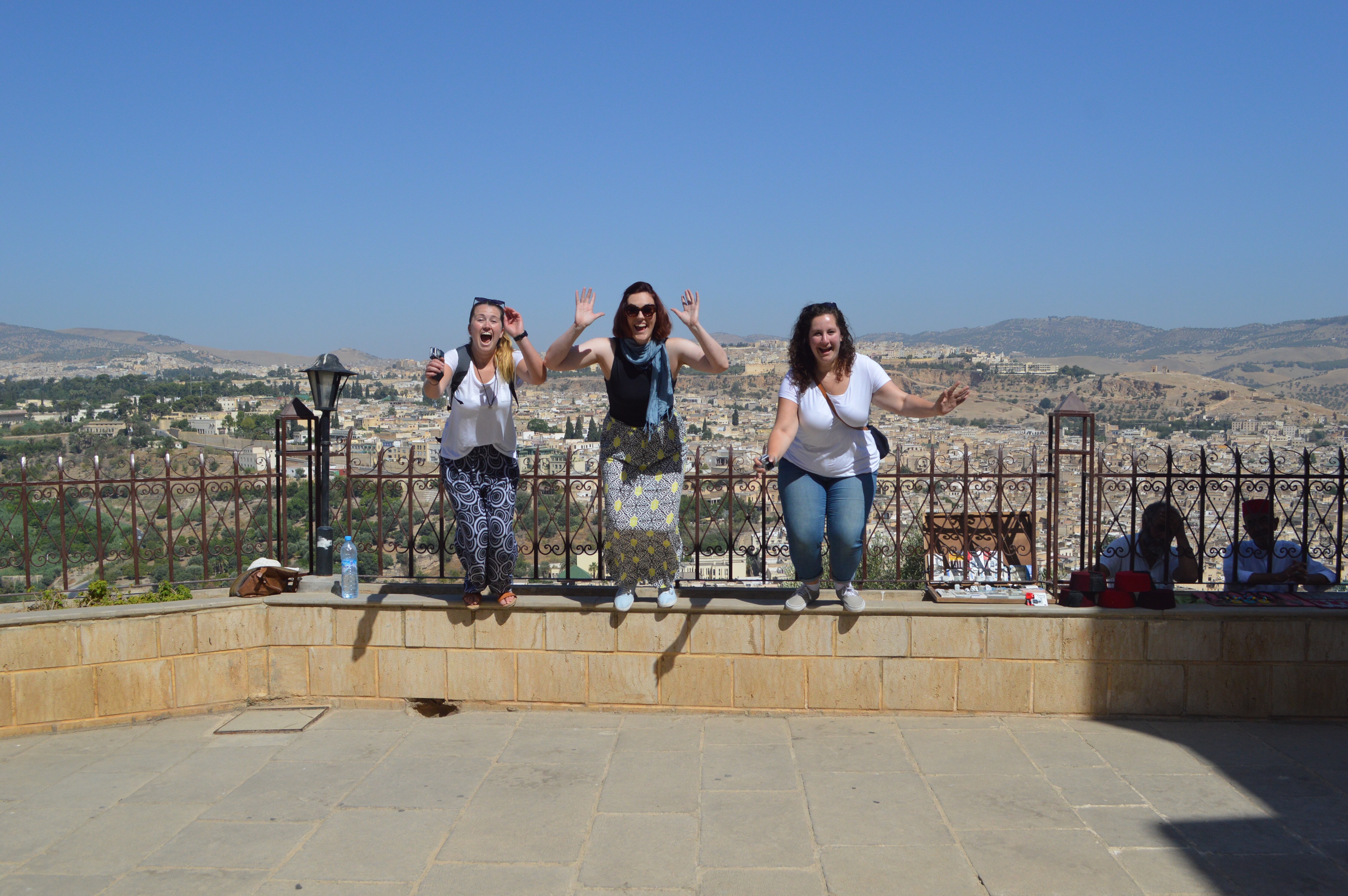
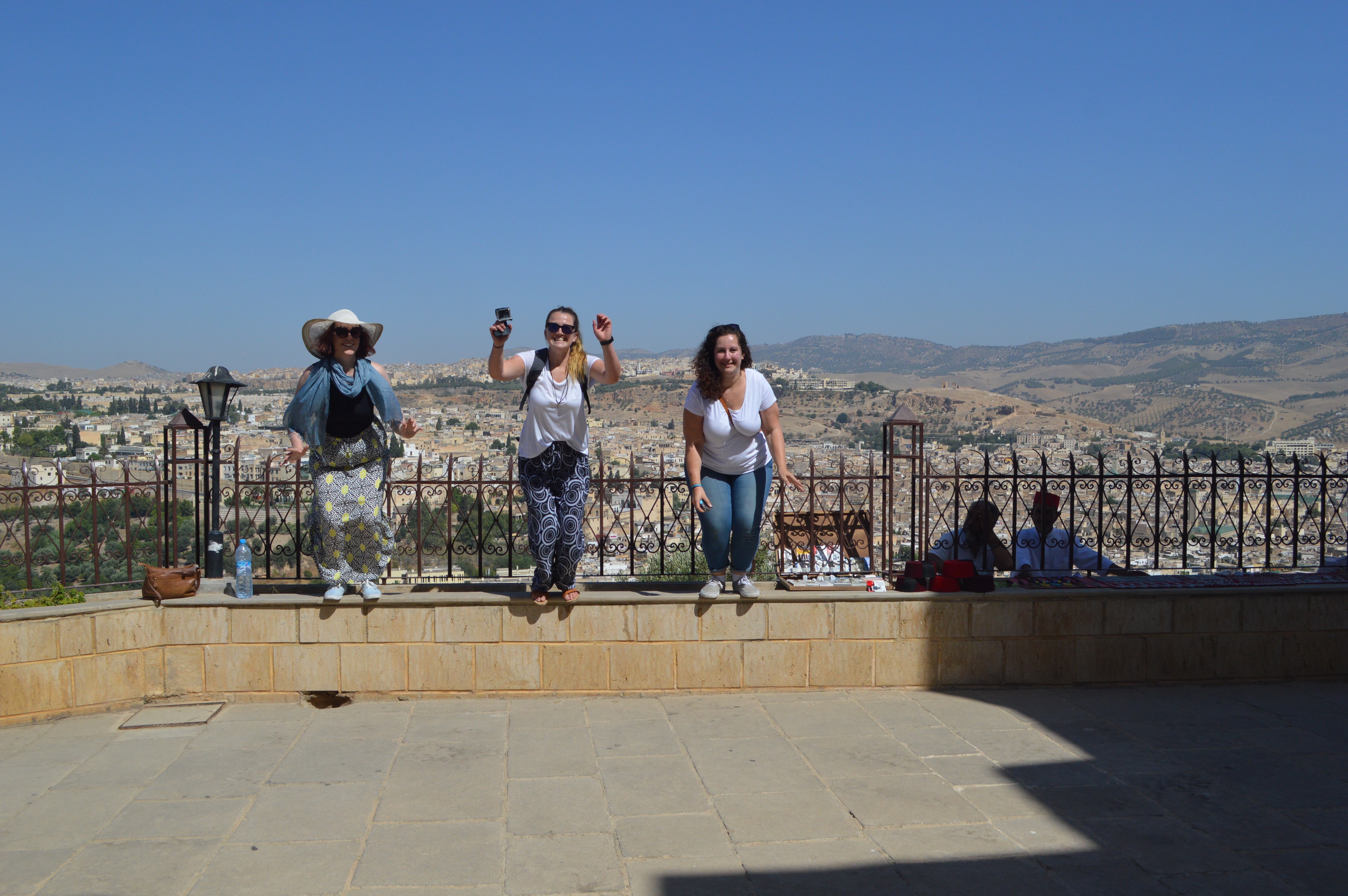
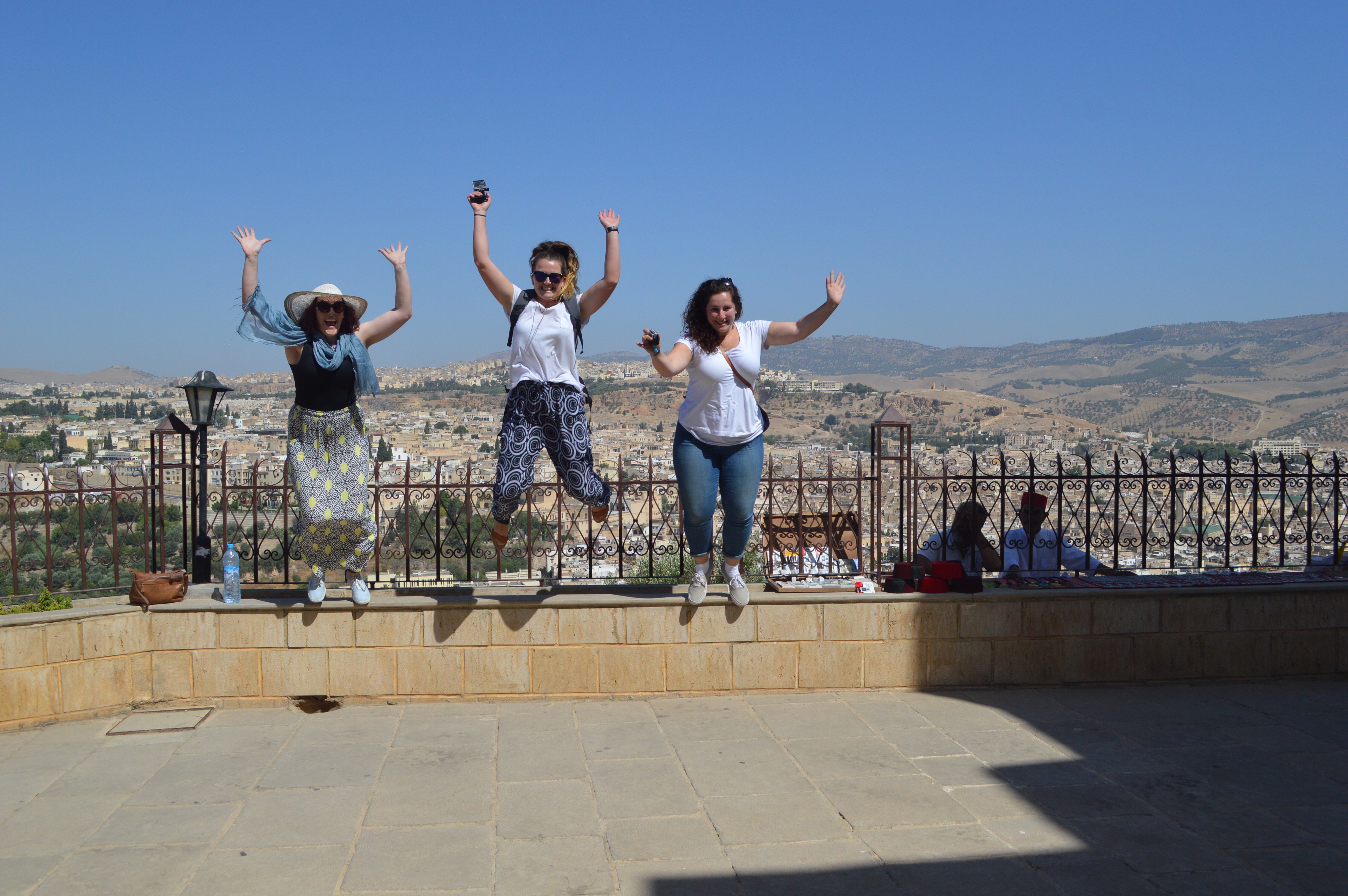
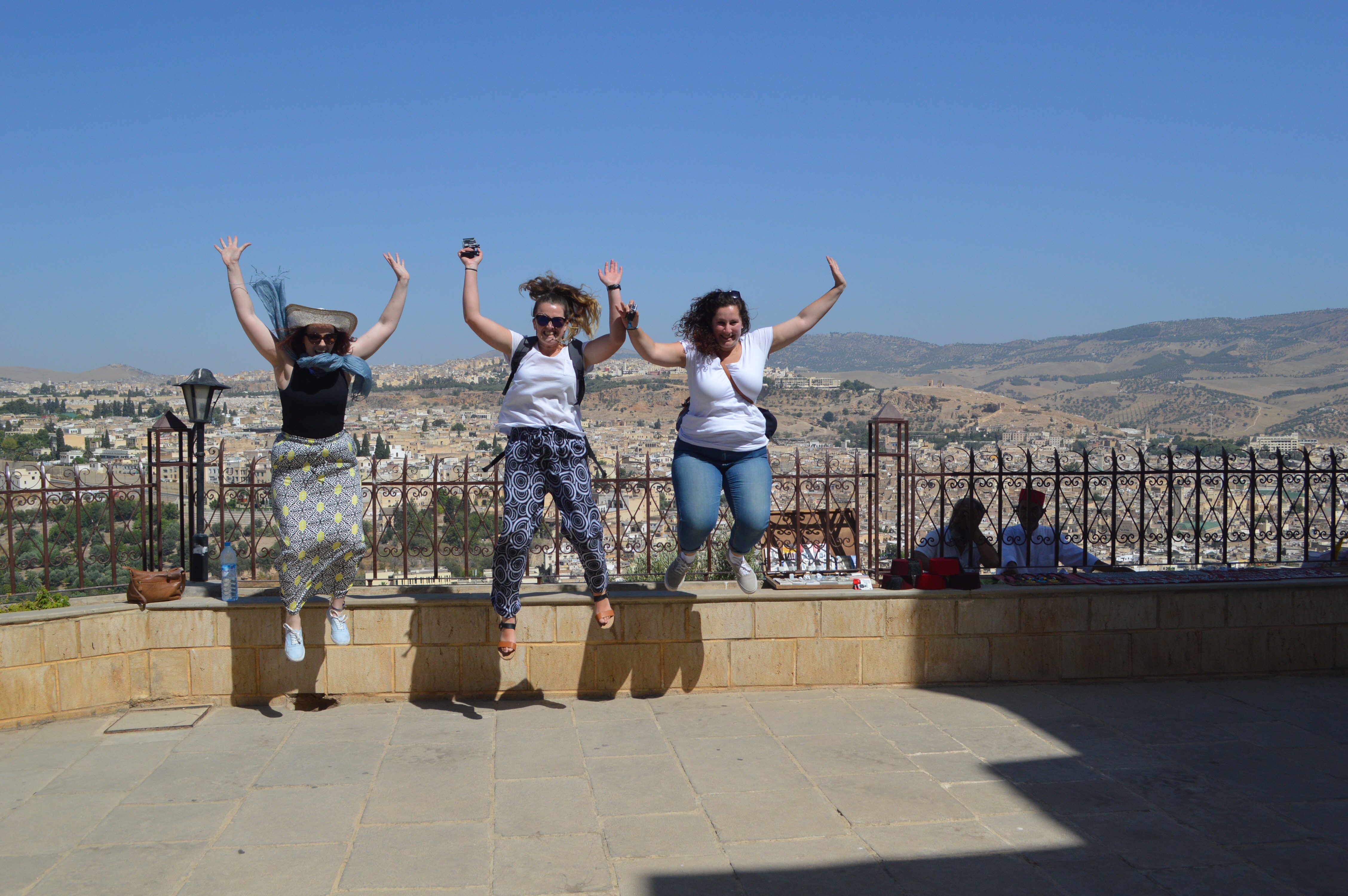
Next we headed up to the Borj Sud for one of the best viewpoints/panoramas of the city. Like its counterpart on the northern hills (Borj Nord) it was built by Sultan Ahmed al-Mansour in the late 16th century to monitor the potentially disloyal populace of Fes. Our guide tried to take another spectacular jumping photo of us, but it didn’t quite work, and really just ended up hurting our feet from all the jumping! 


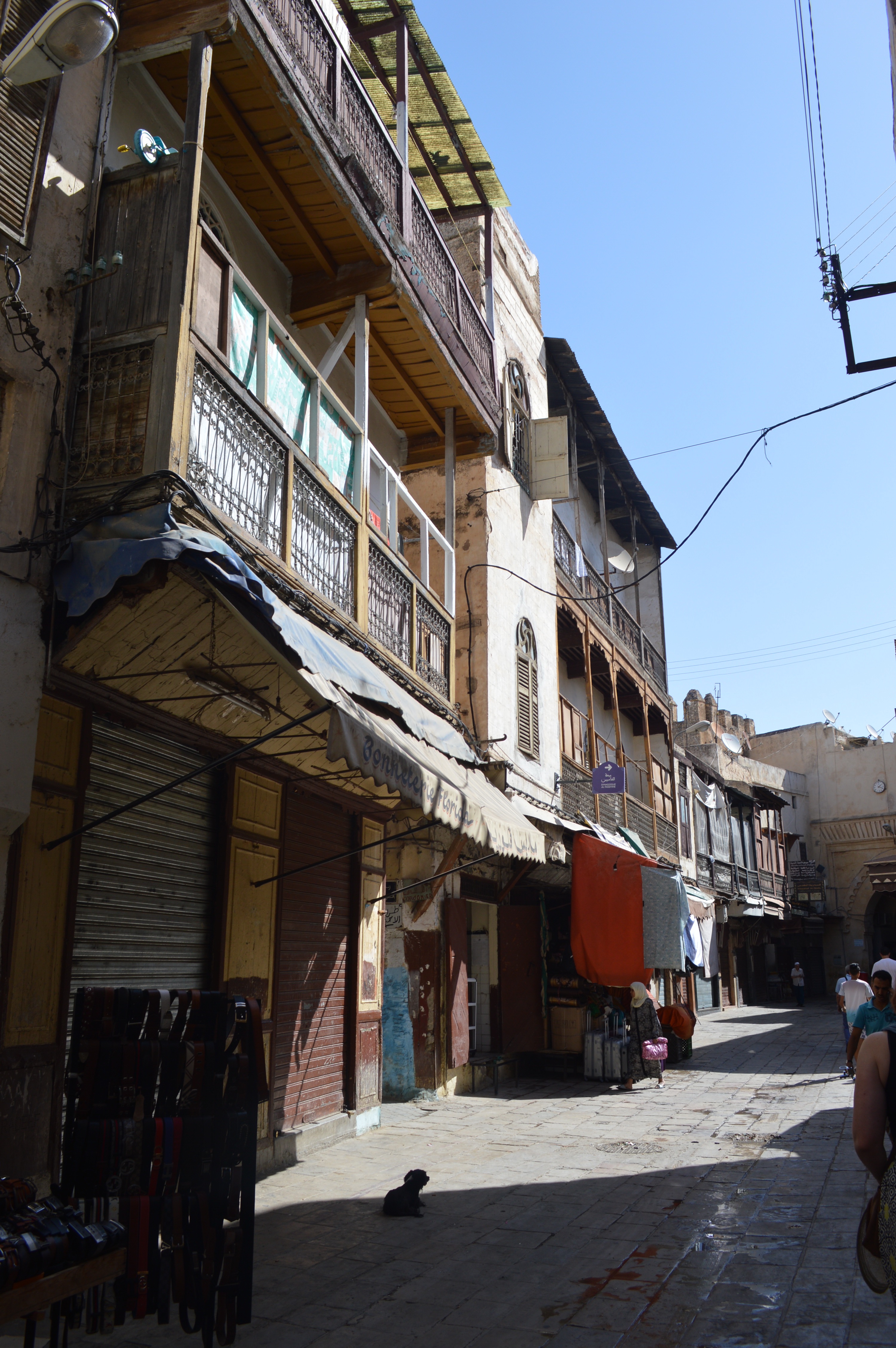
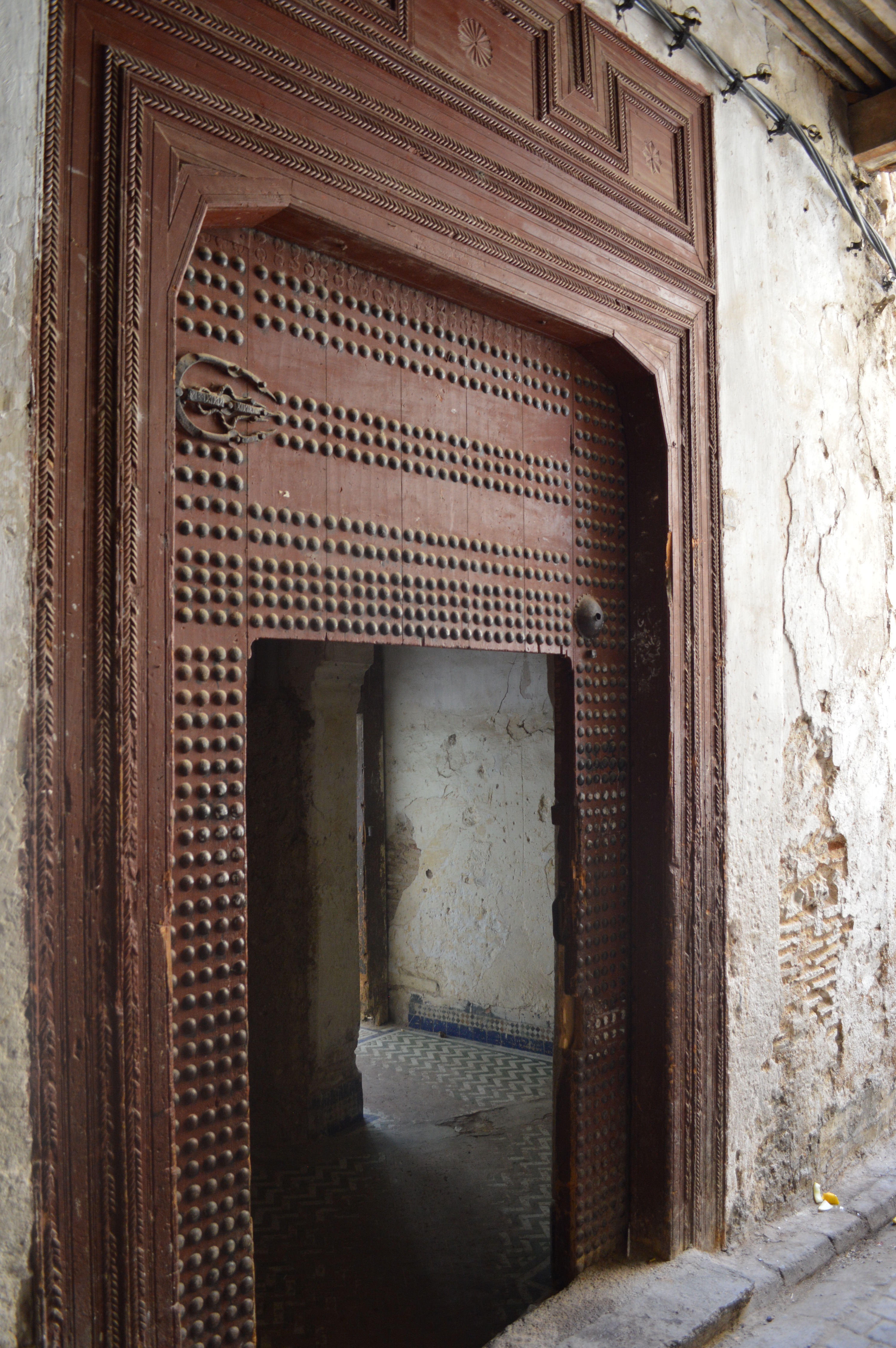
The old Jewish quarter (mellah) was next on our itinerary. The mellah, along with the cemetary enclosed within, remains the most prominent Jewish features of the city. Our guide told us a little bit about Jewish history in Morocco. In 808 a large number of Jews were admitted into Fez from Andalucia and they were well received, contributing greatly with instrumental skills and taxes. Unfortunately after the 14th century, cultural and religious tolerance waned, synagogues were destroyed, schools were abandoned, and the Jewish population was expelled from the city. There are no functioning synagogues in the Jewish quarter at the moment, but with UNESCO funds, several are being restored. We ventured around the town, in and out of the tiny streets. Some parts were very rundown, but some were quaint and had interesting architecture. 


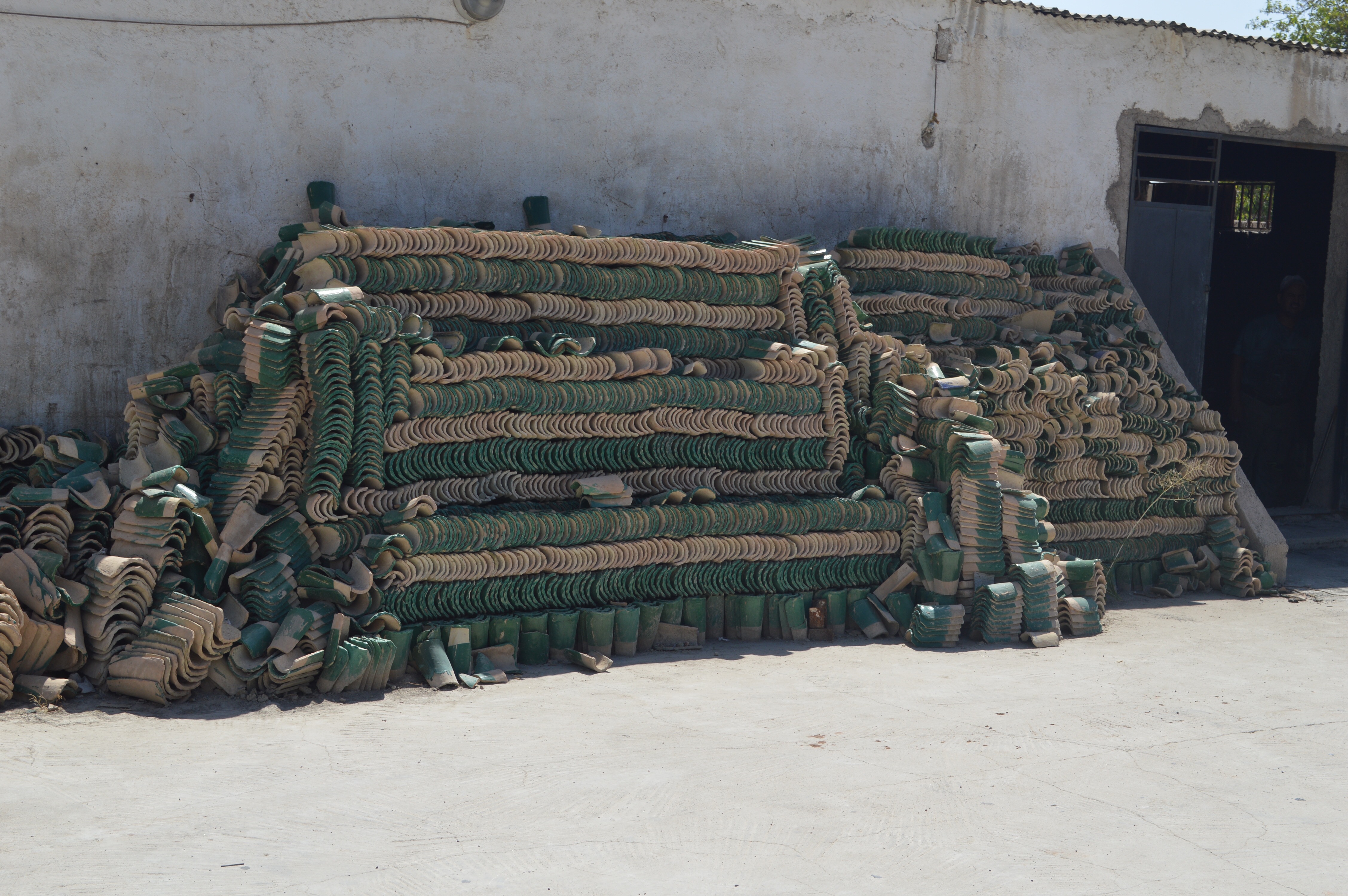
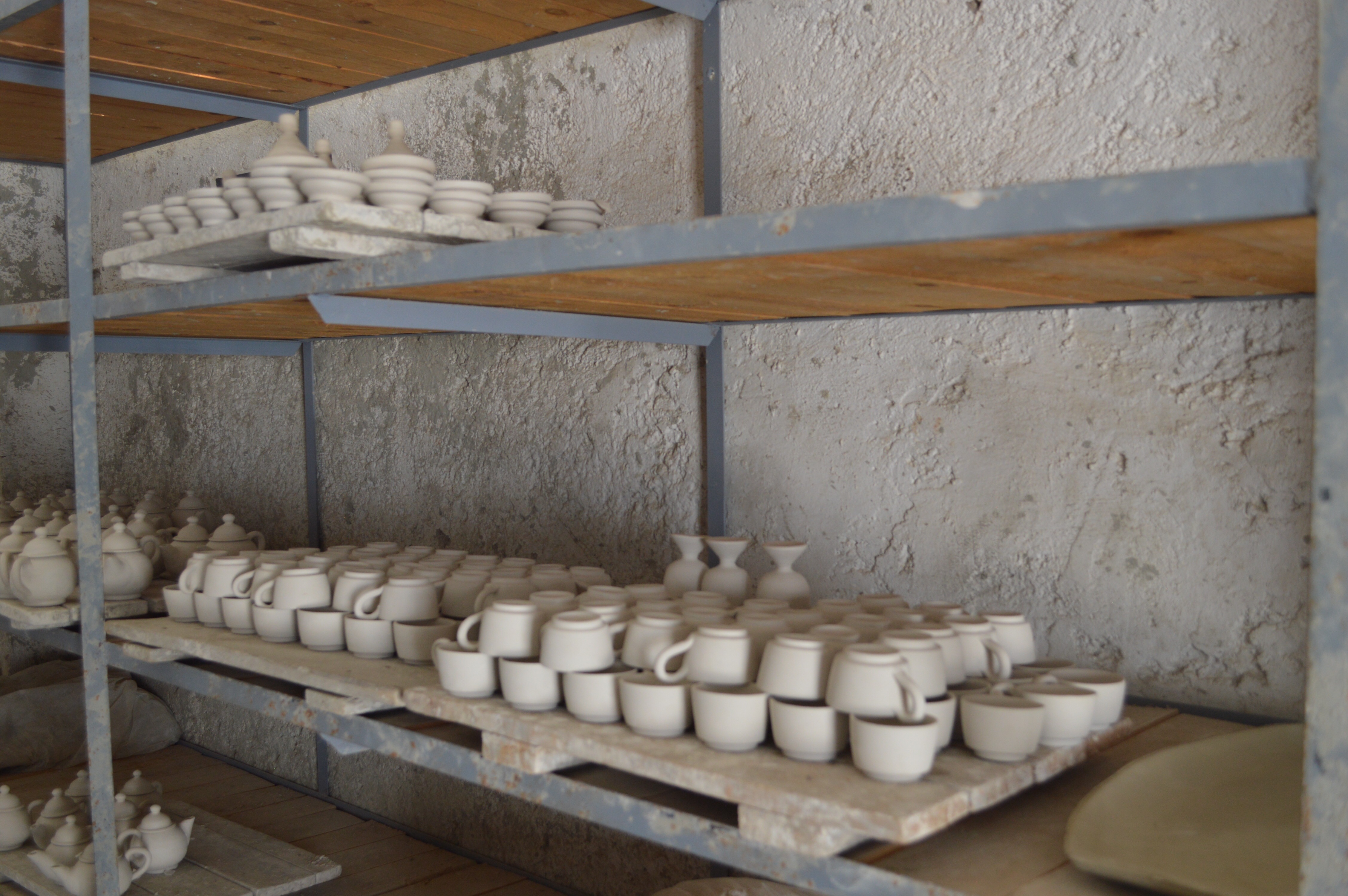
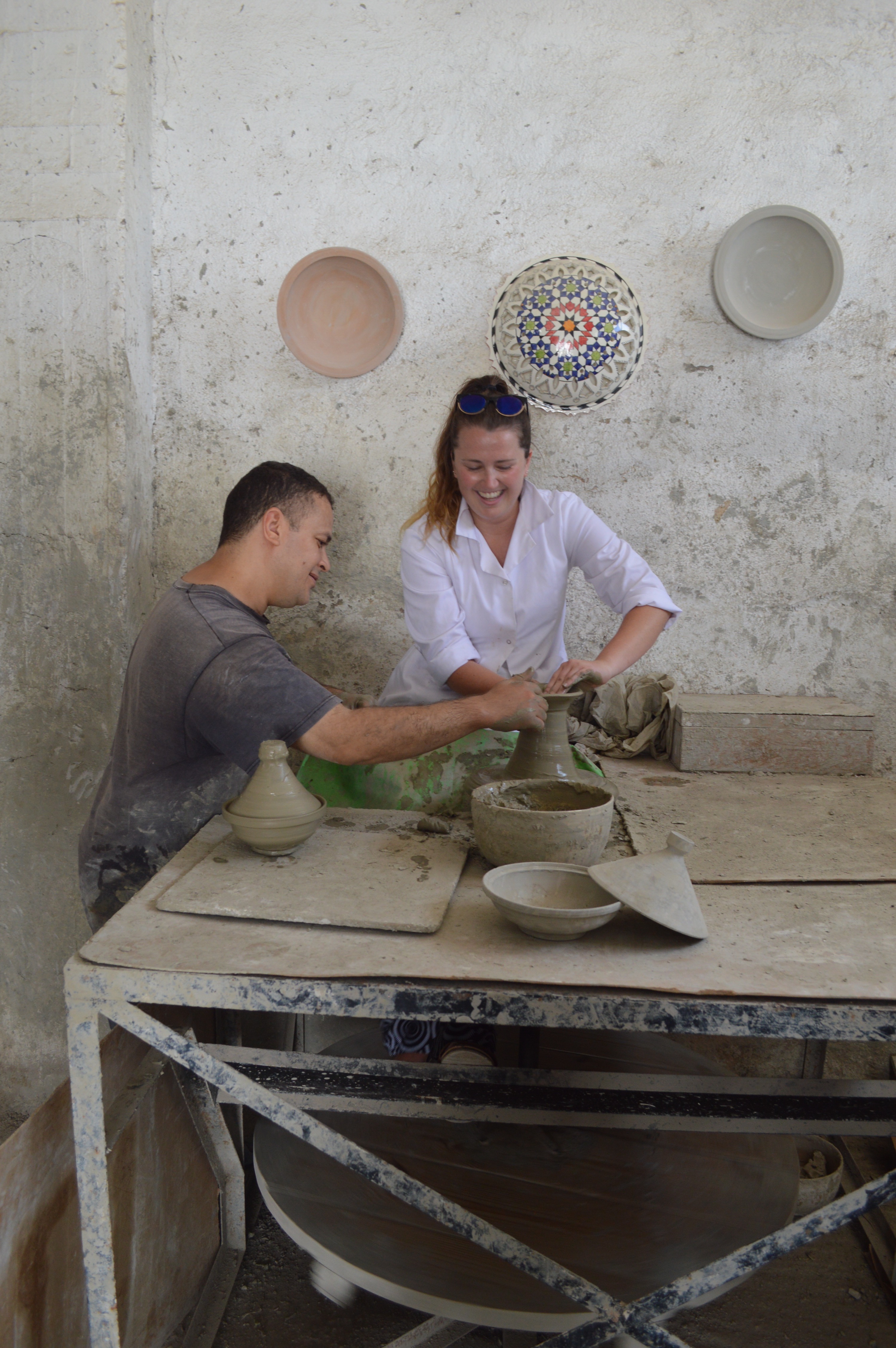
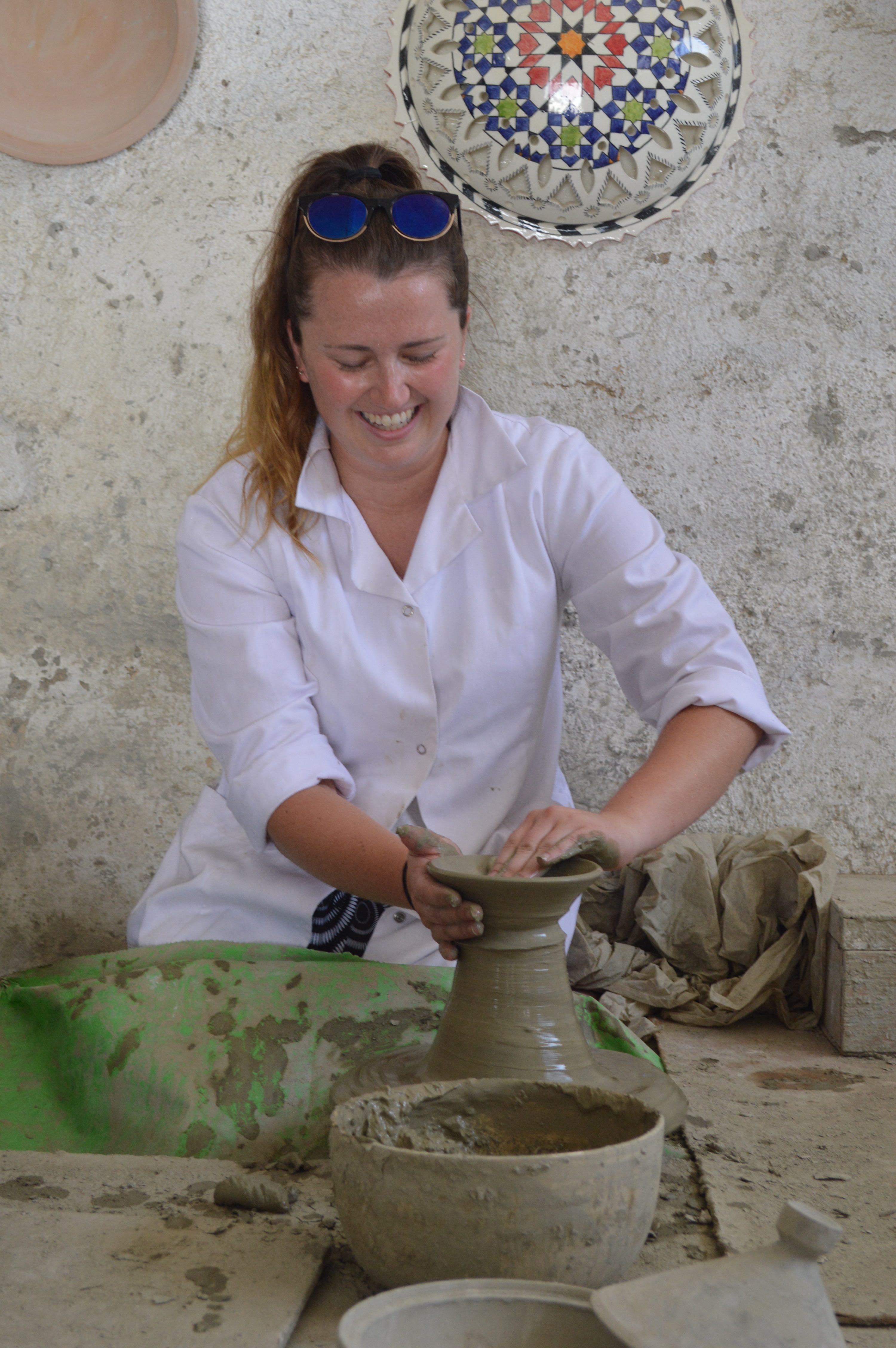
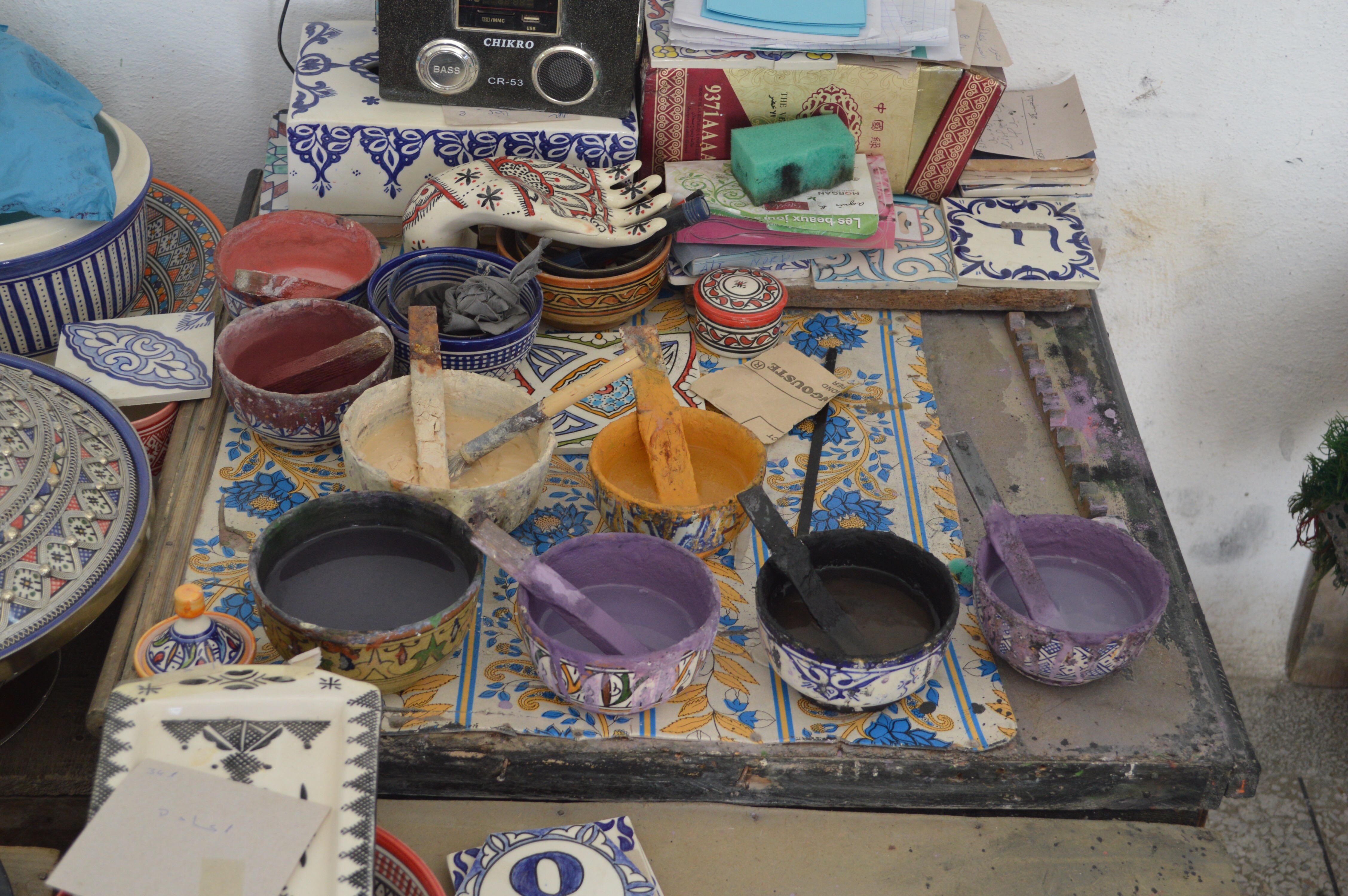
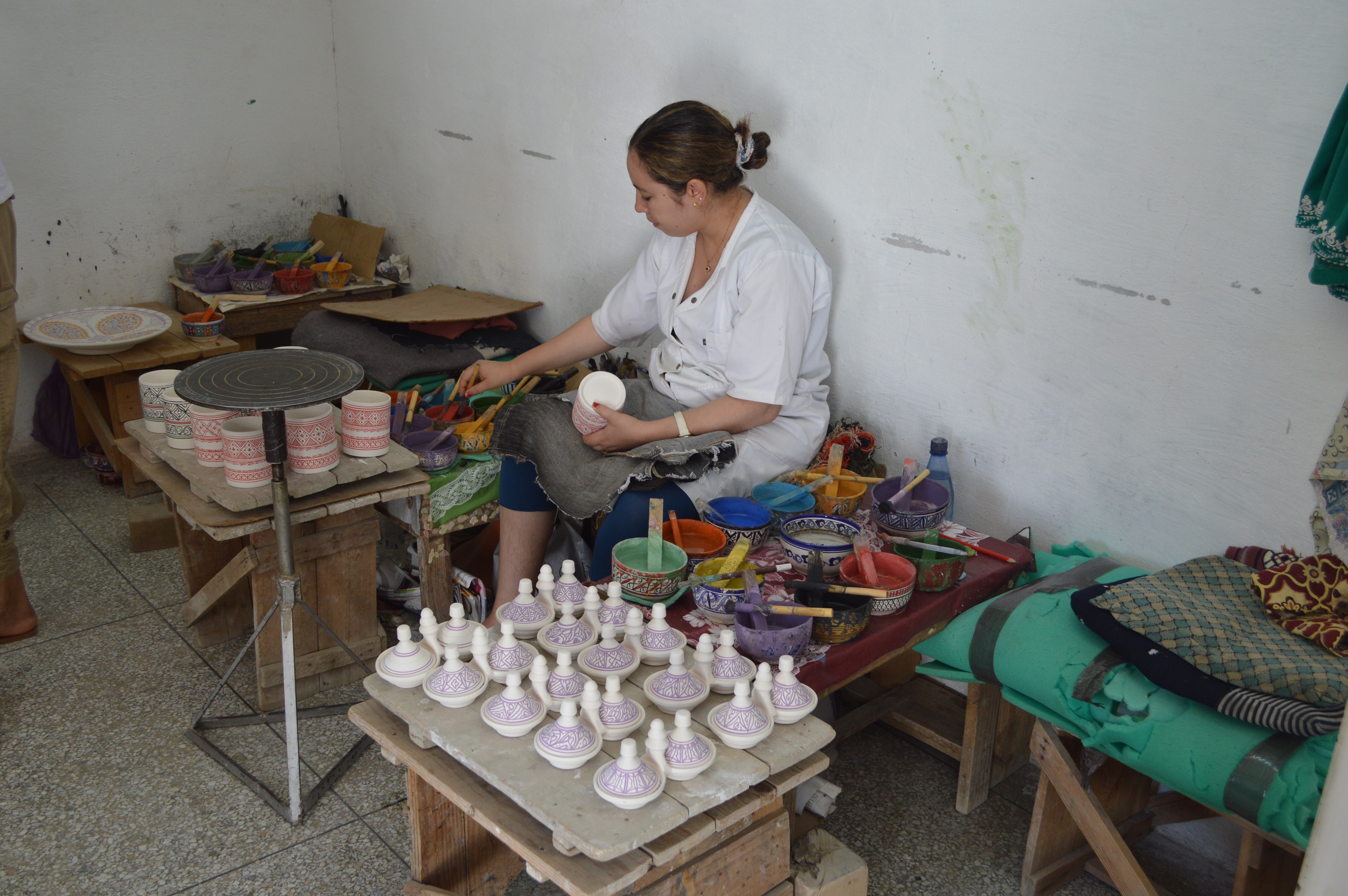
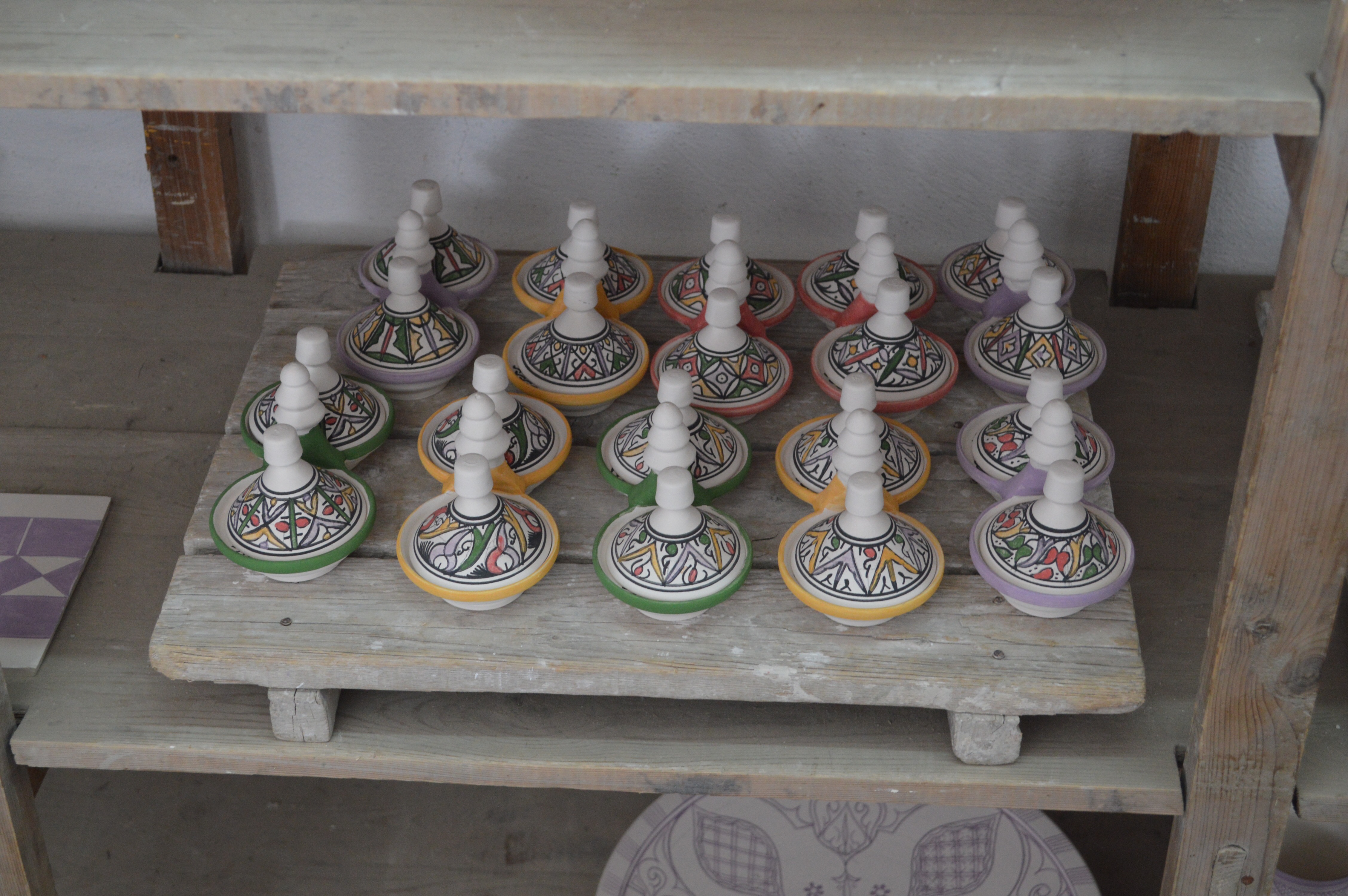
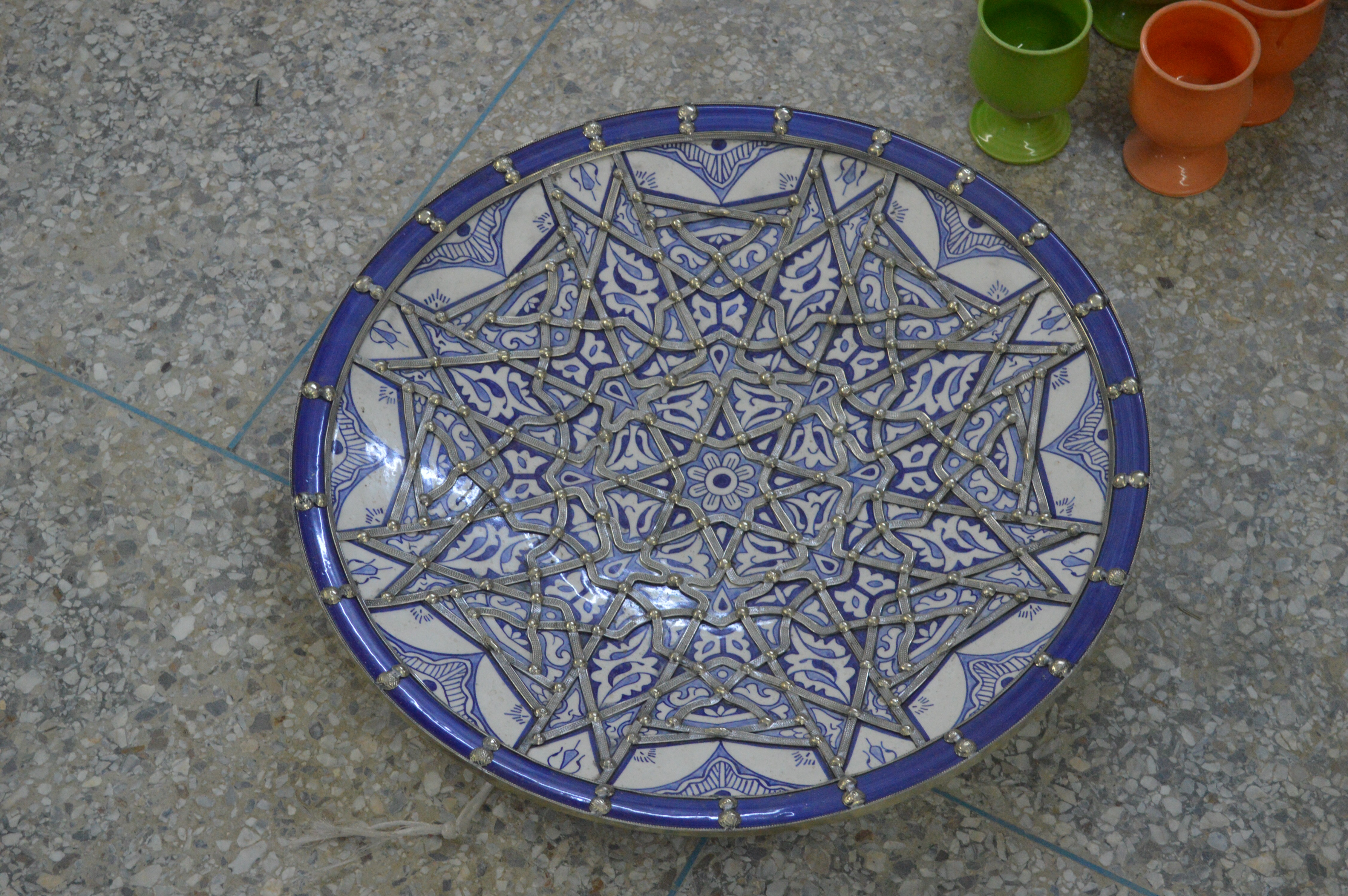
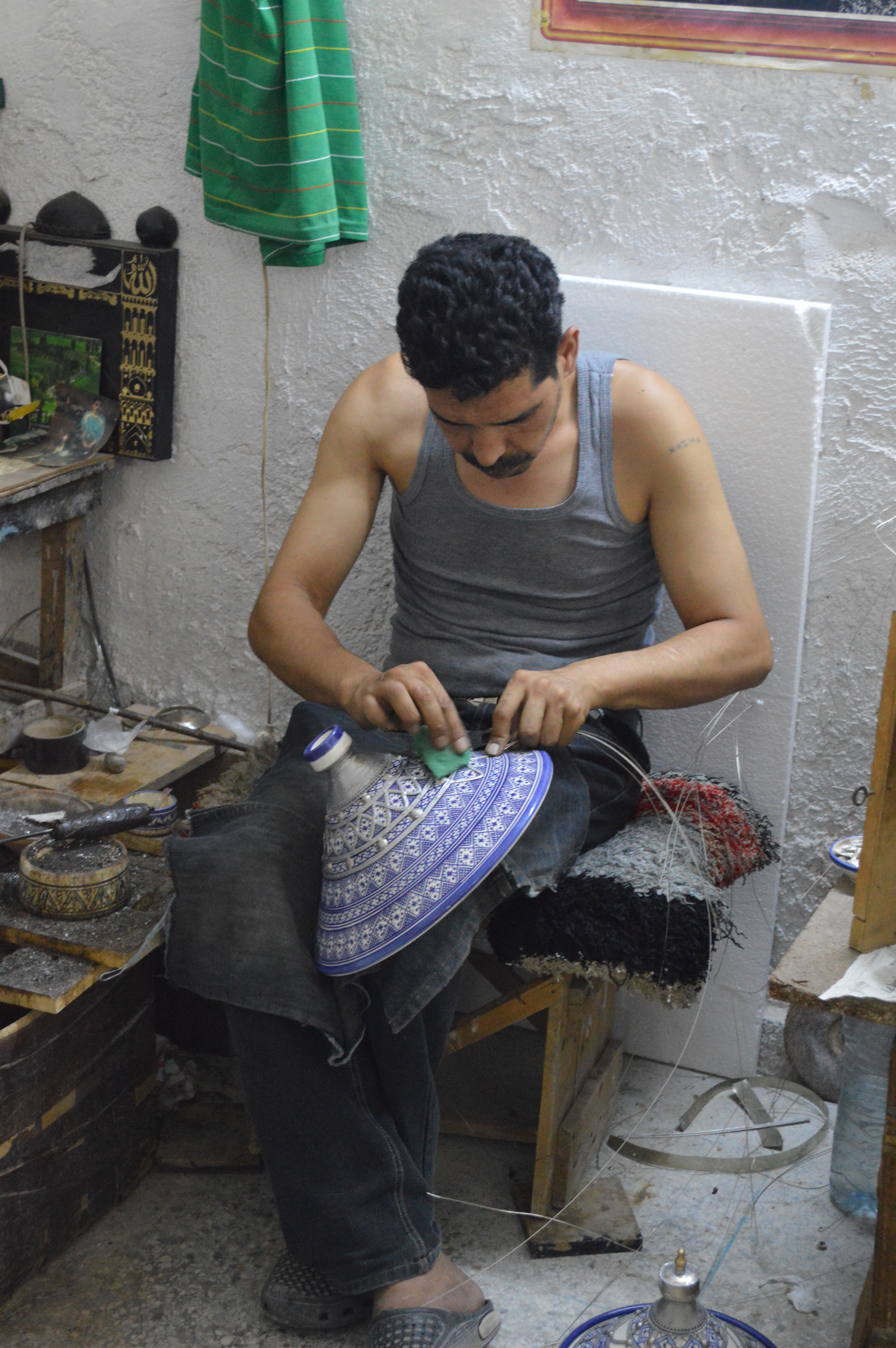
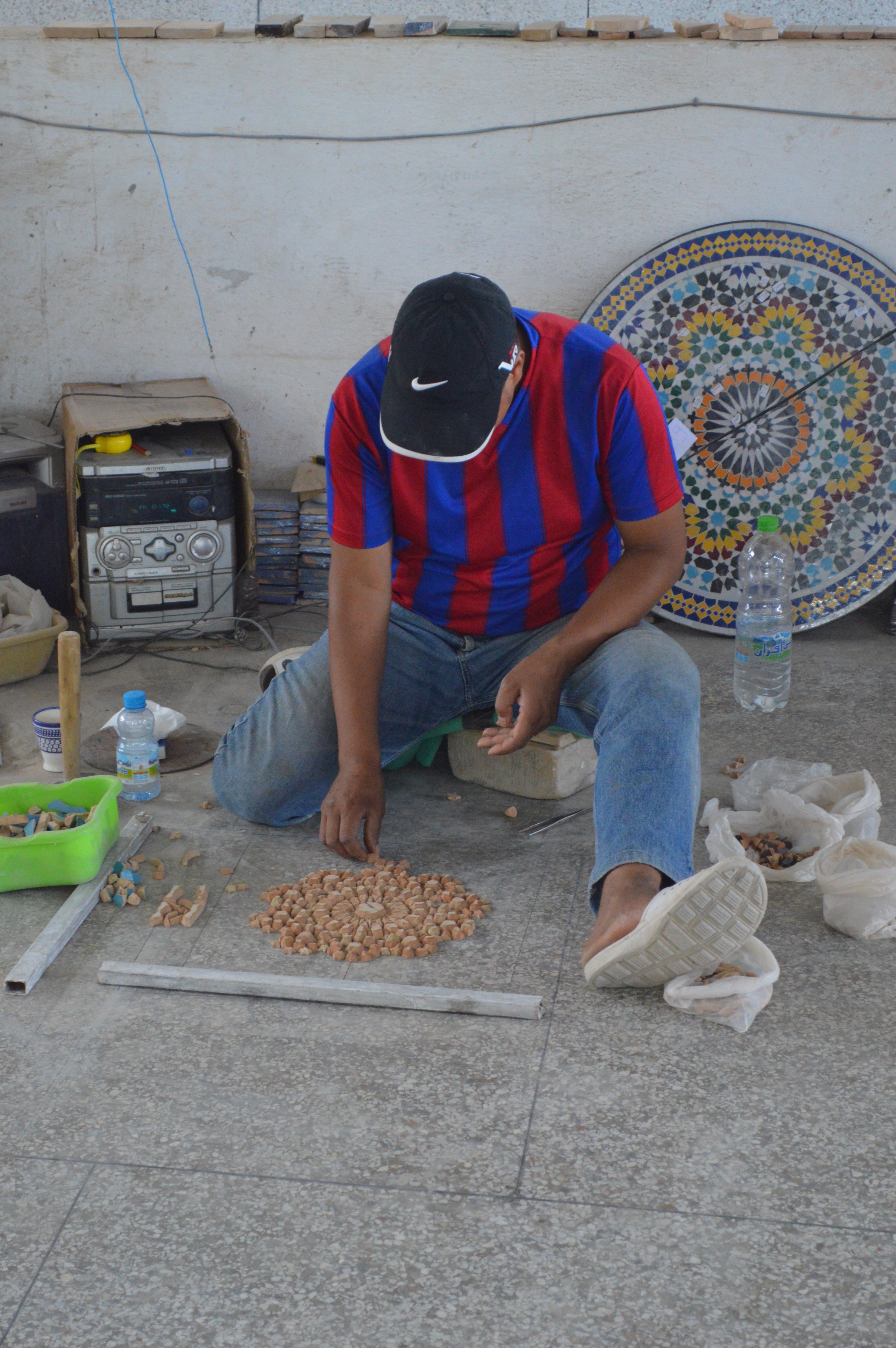
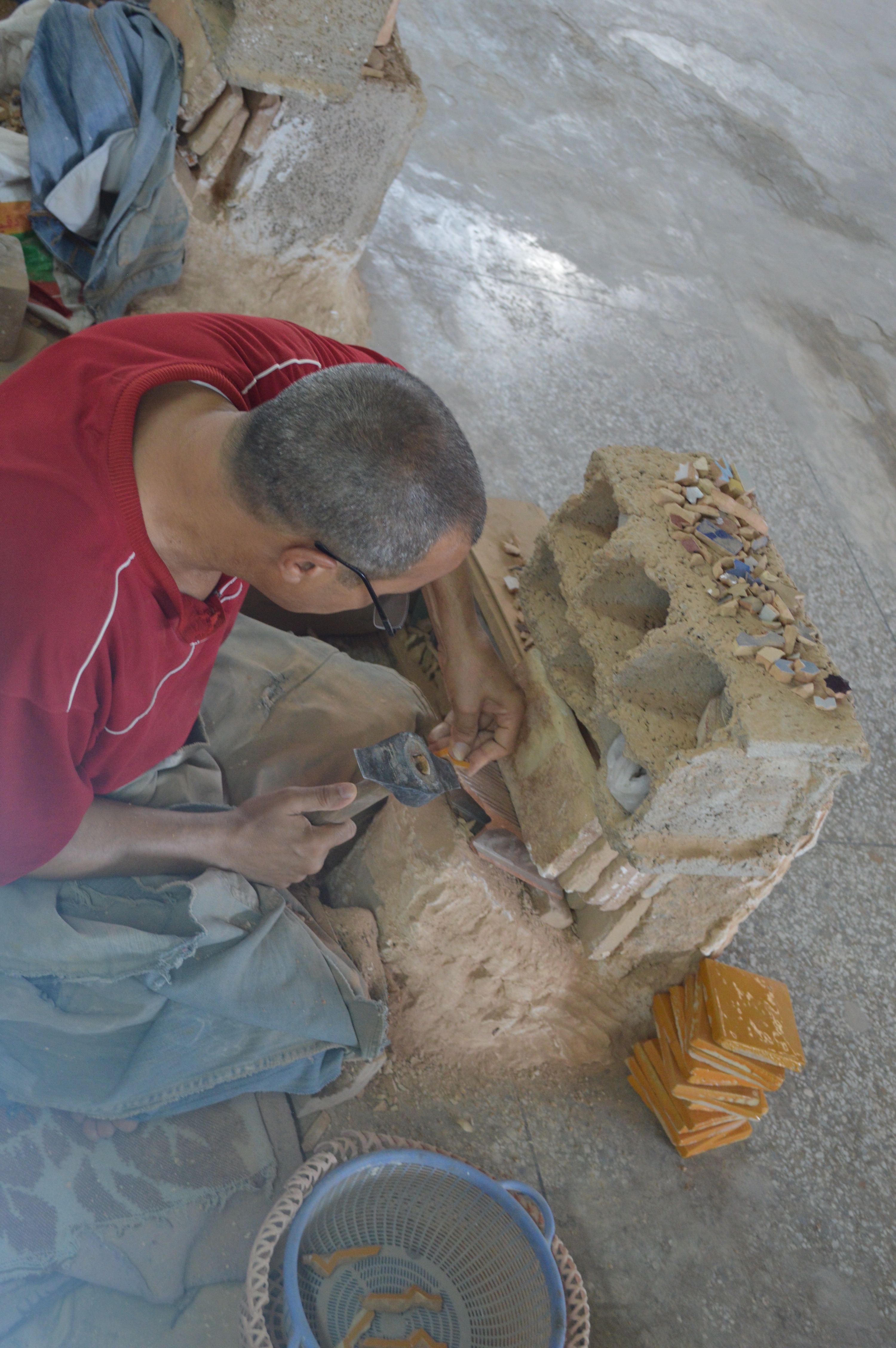
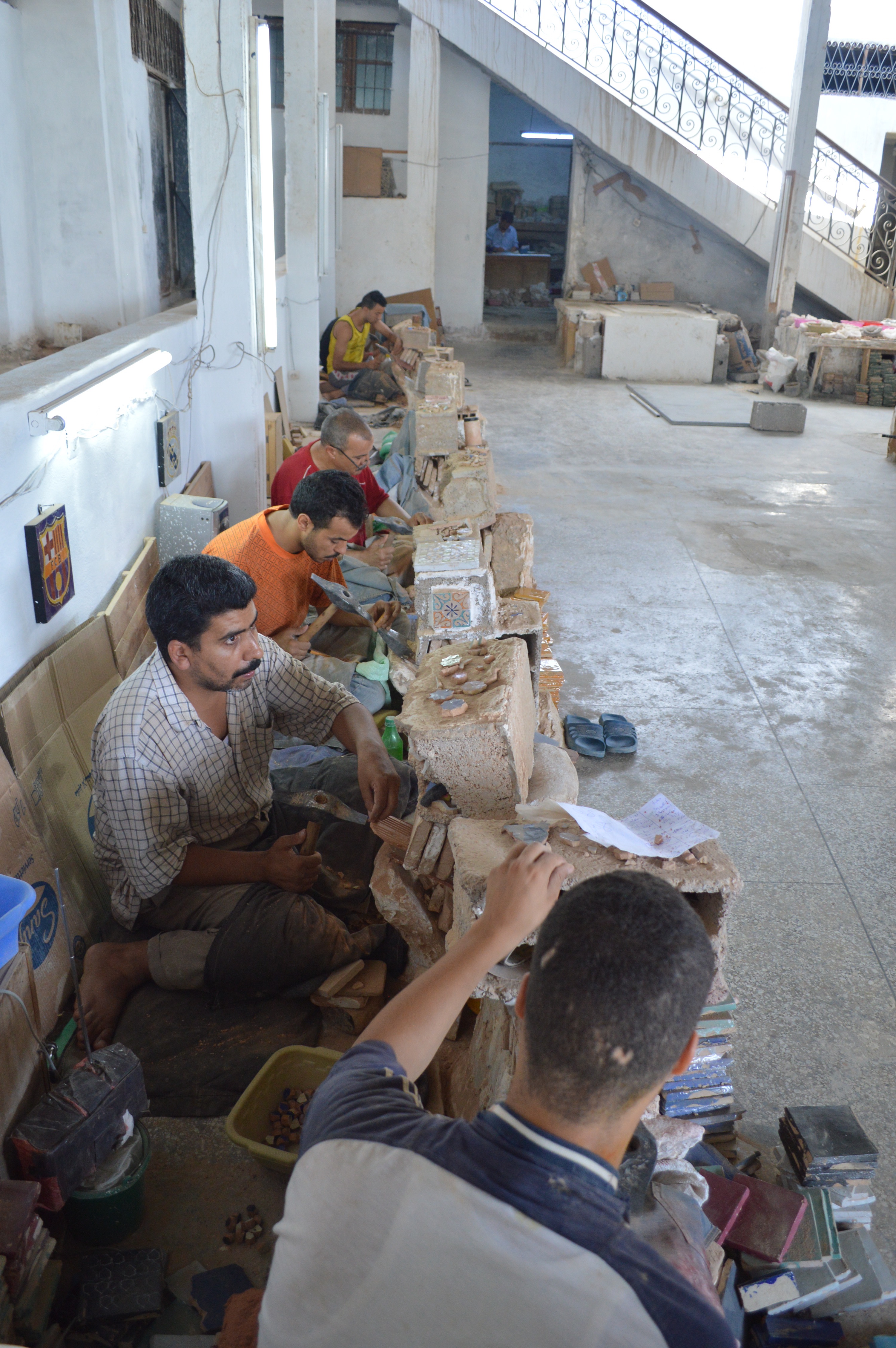
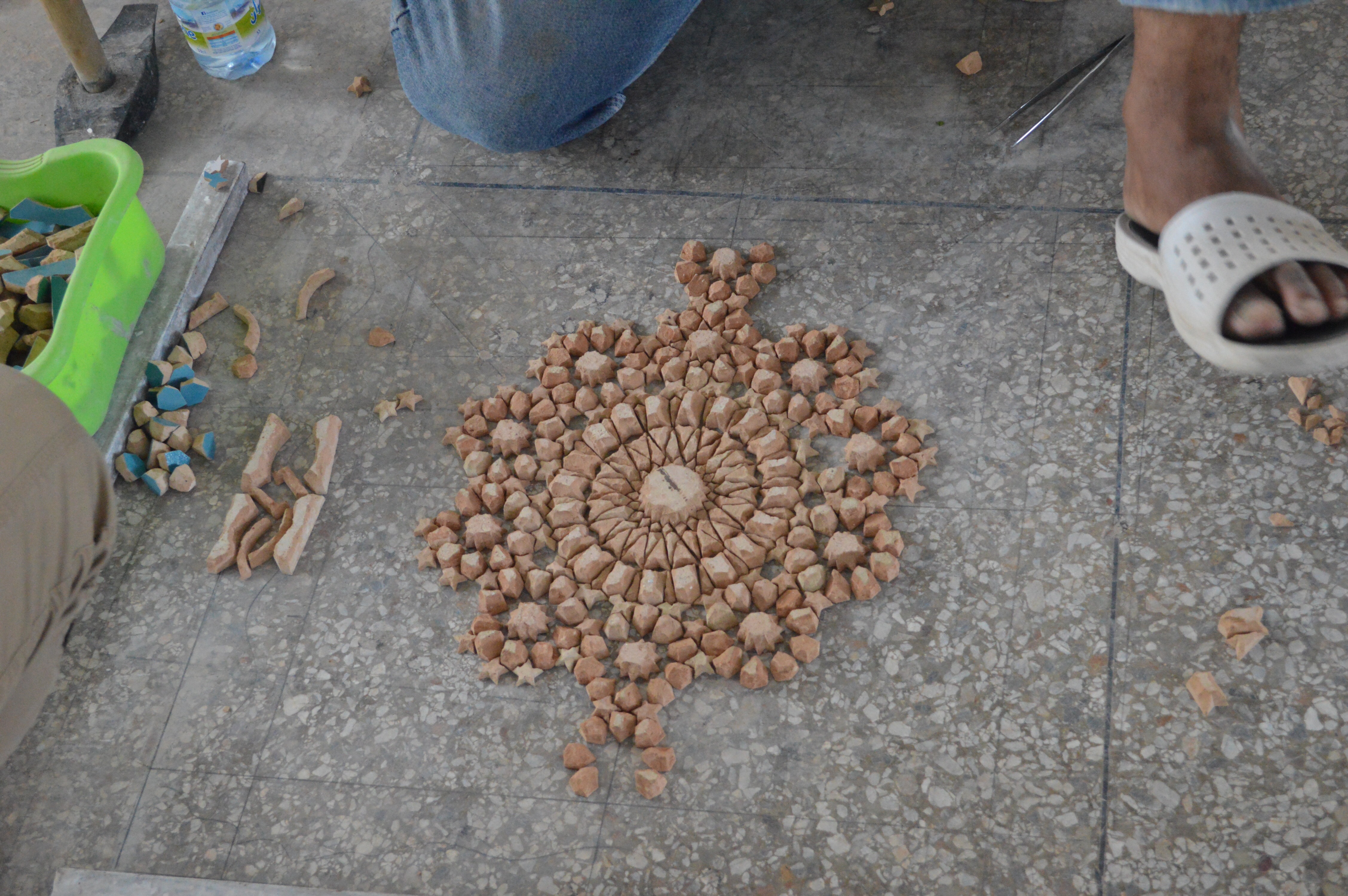
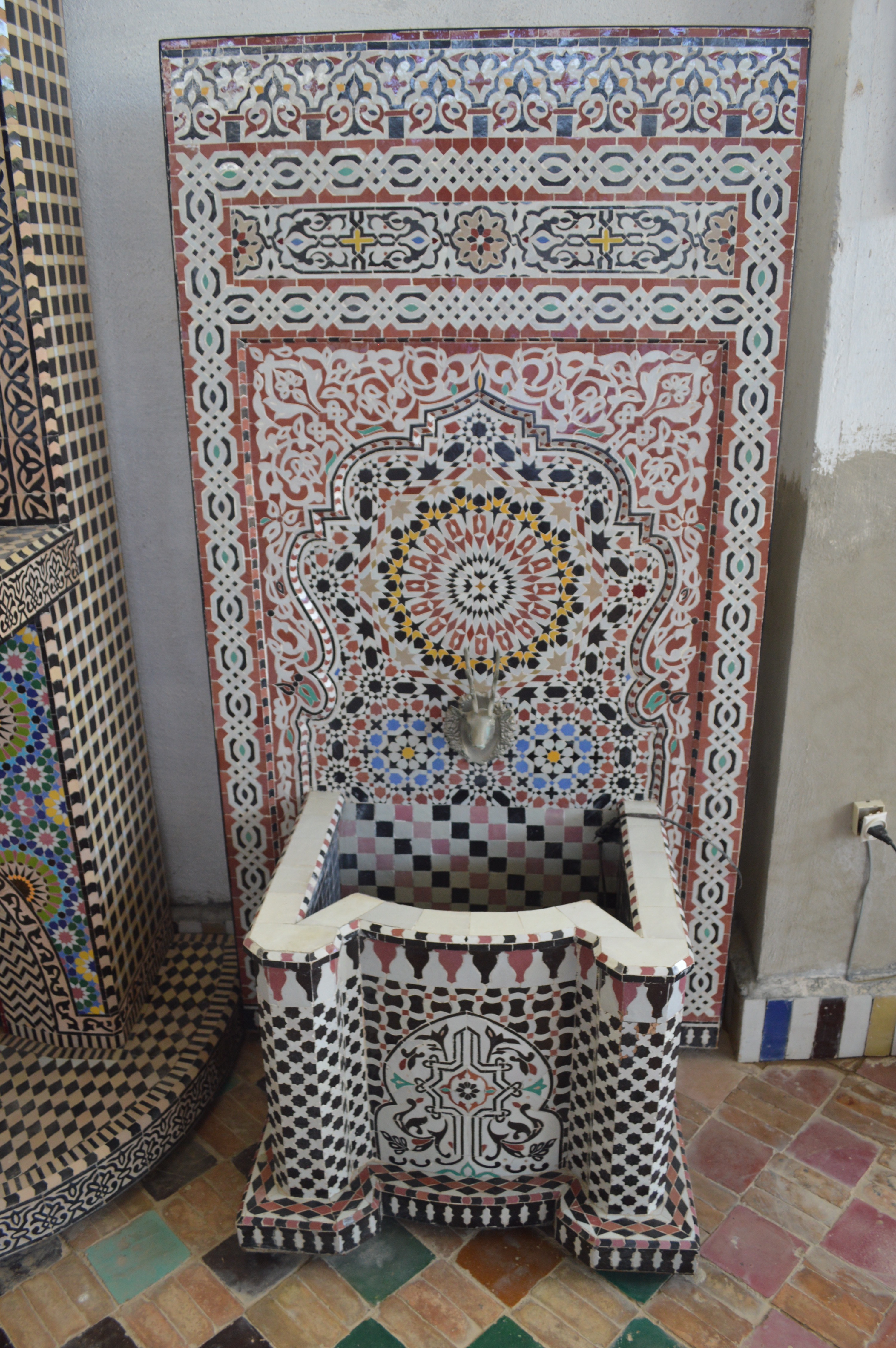
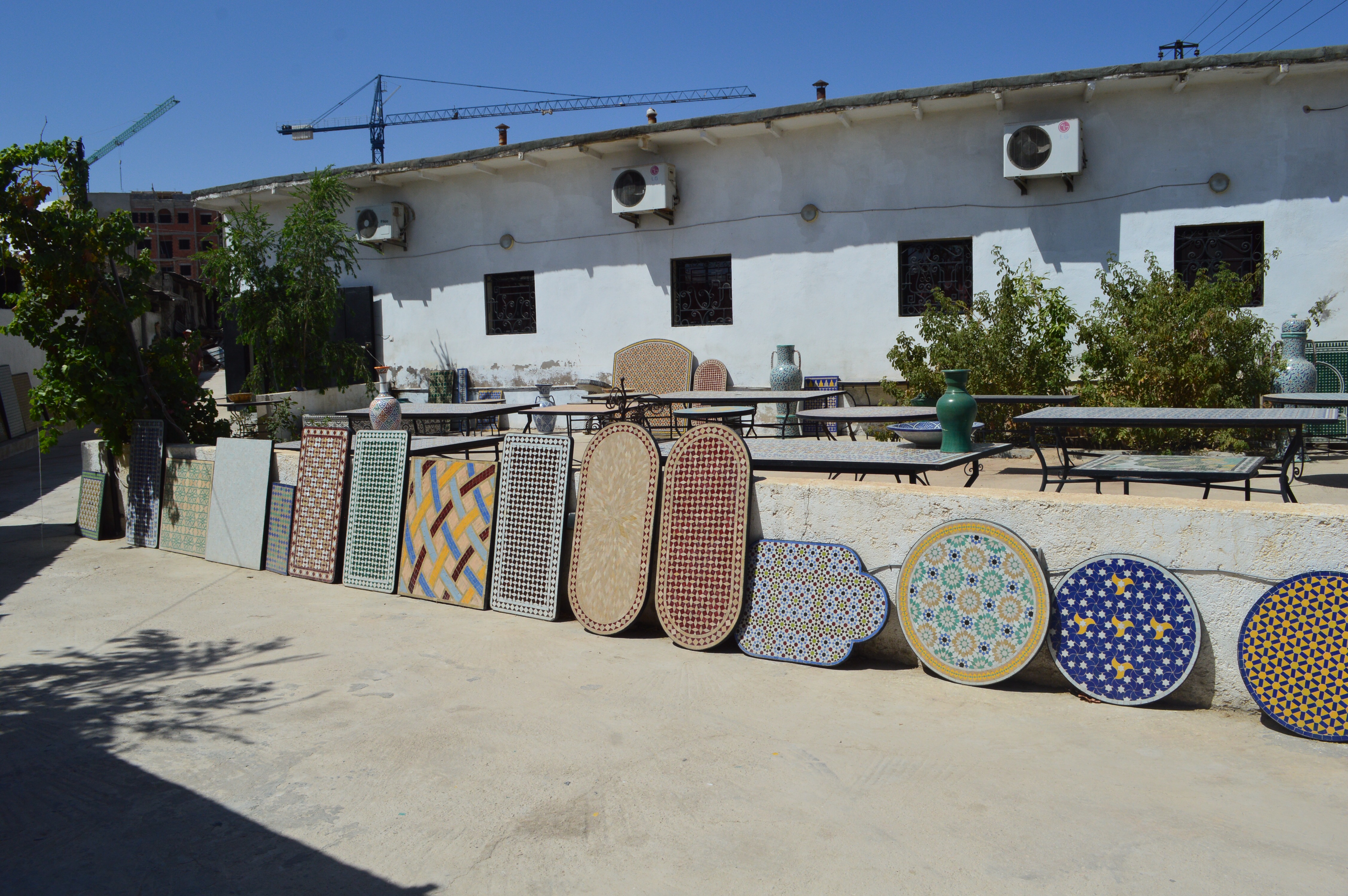
Our guide then took us a bit out of town to Art Naji traditional ceramic pottery factory. It was great! We were passed off to a new guide who took us around and showed us the entire production process, from pot-throwing, cutting tiles and chipping mosaics to the painstaking hand painting and laying out of zellij (tilework) – it was a joy to behold (and super impressive). Max was even lucky enough to have a go at making her own tajine (we think it was disposed of after we walked out of the room). They even sell and ship to countries all around the world! 


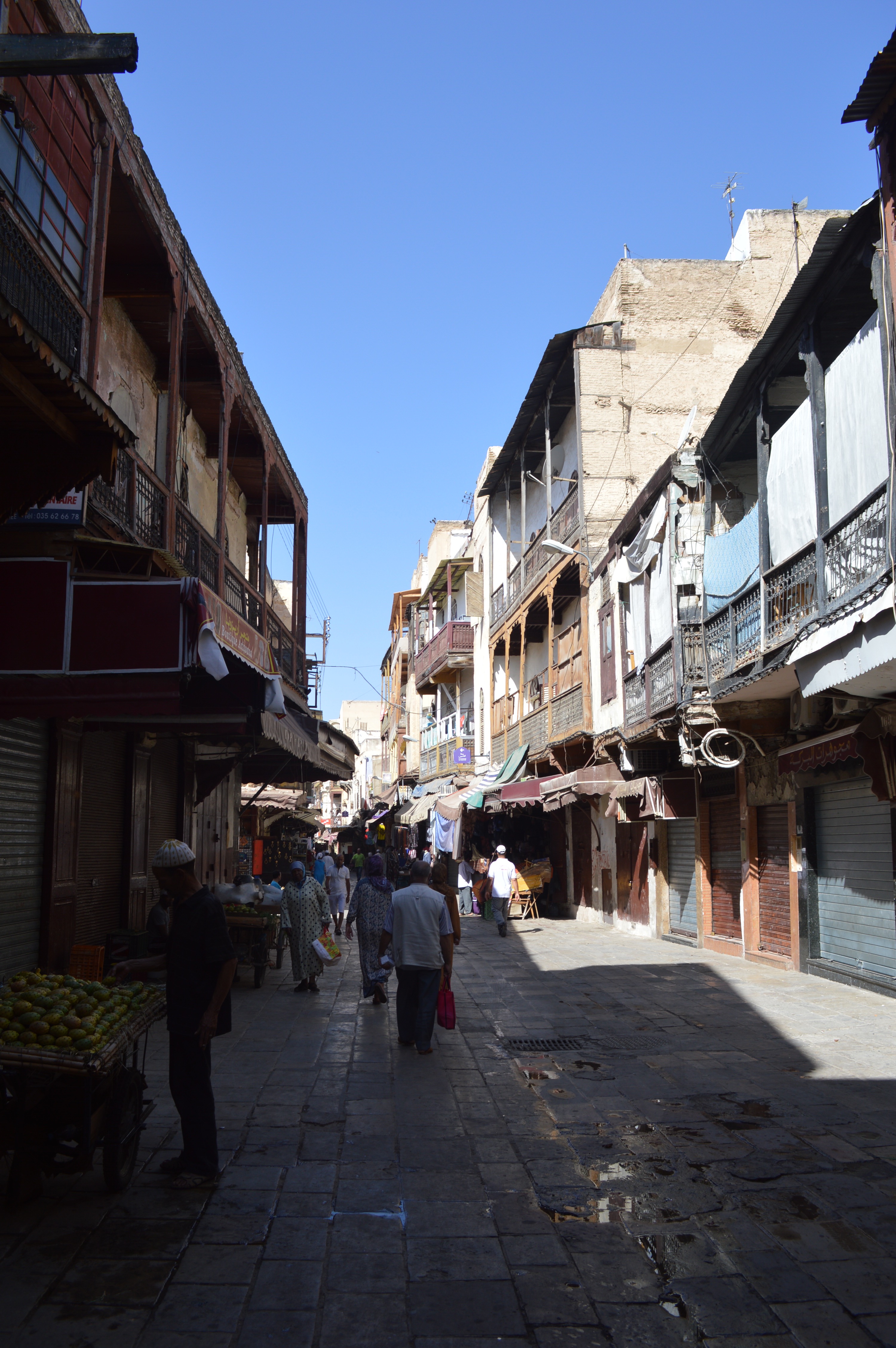
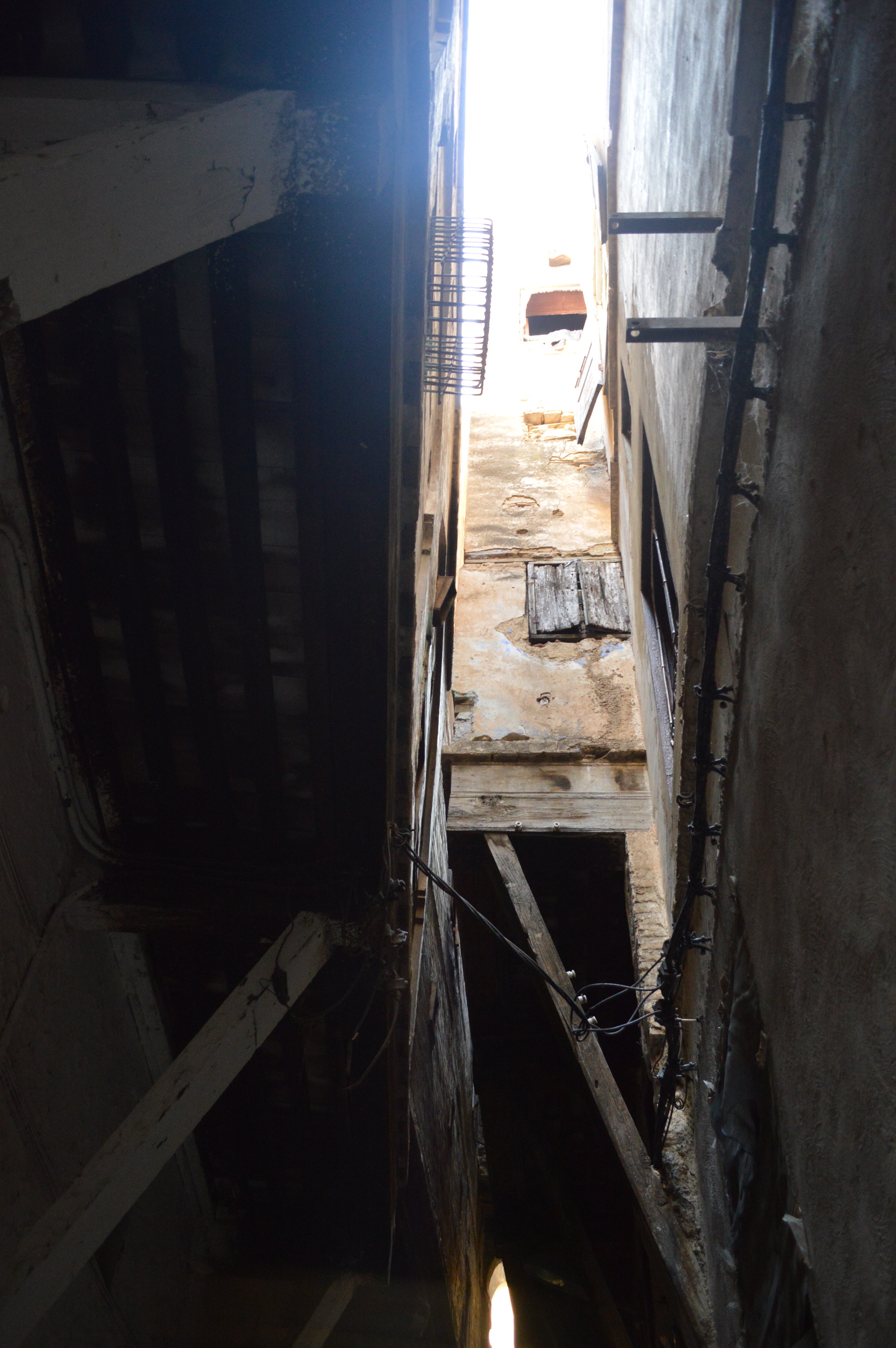
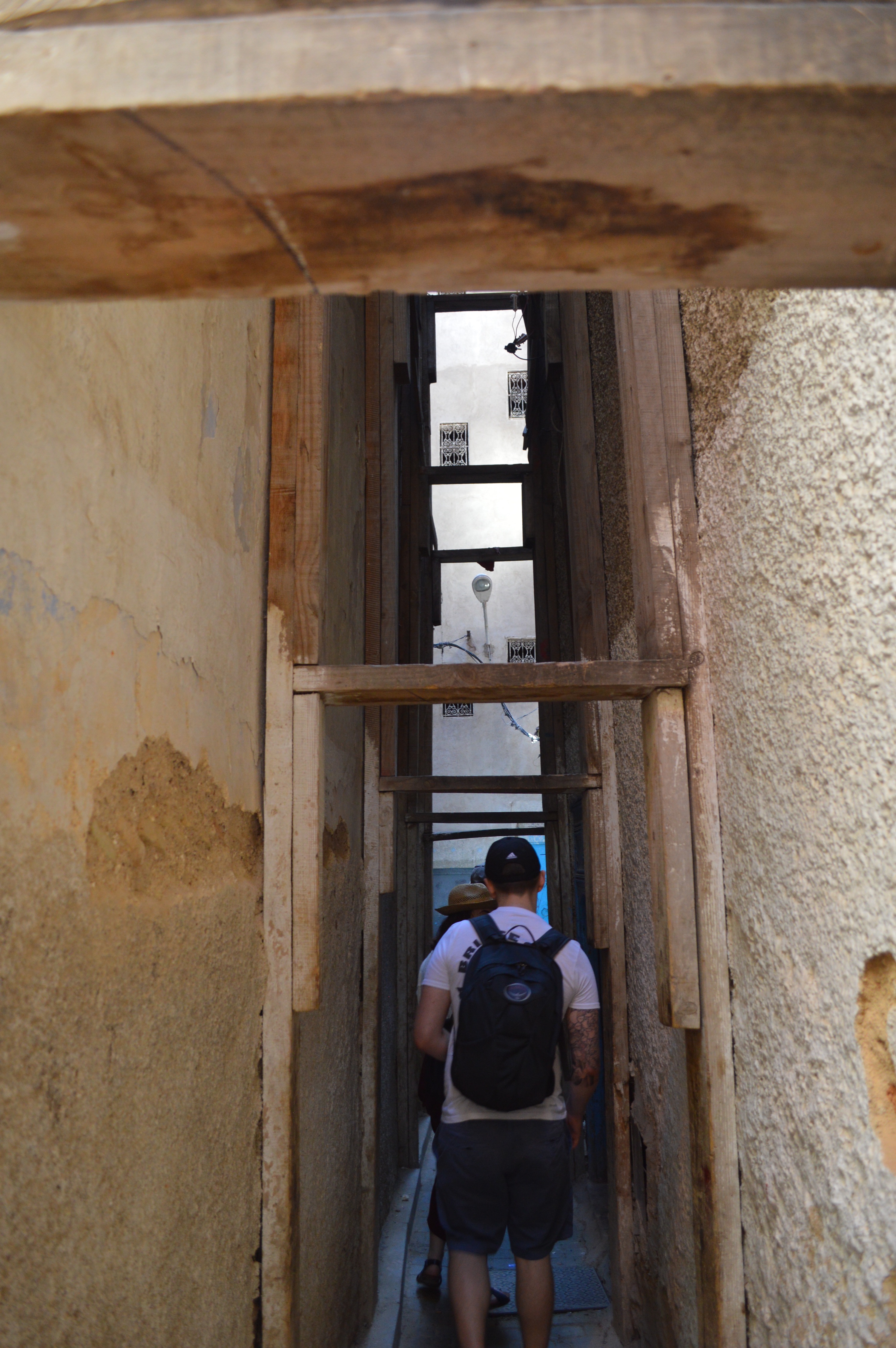
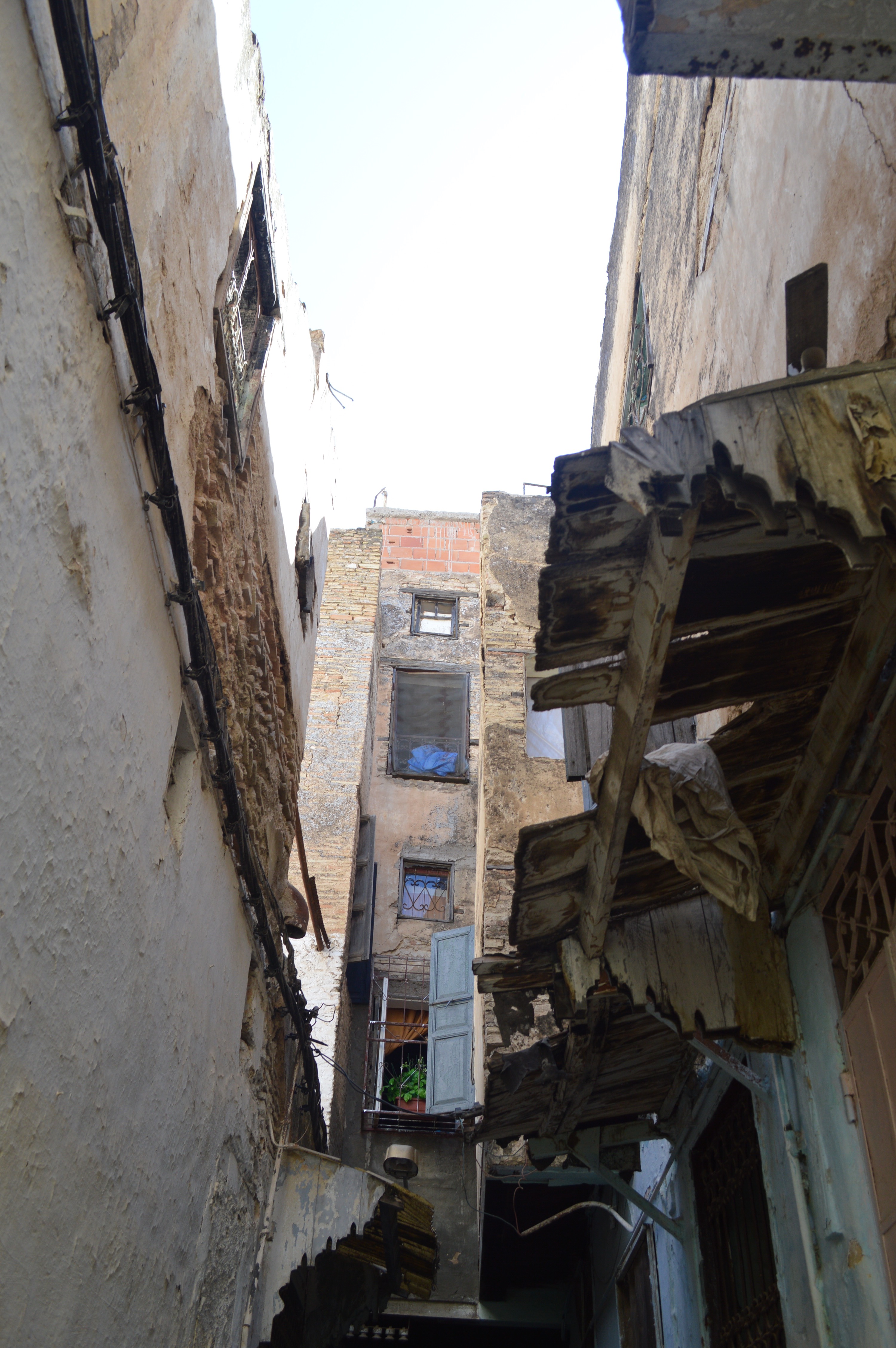
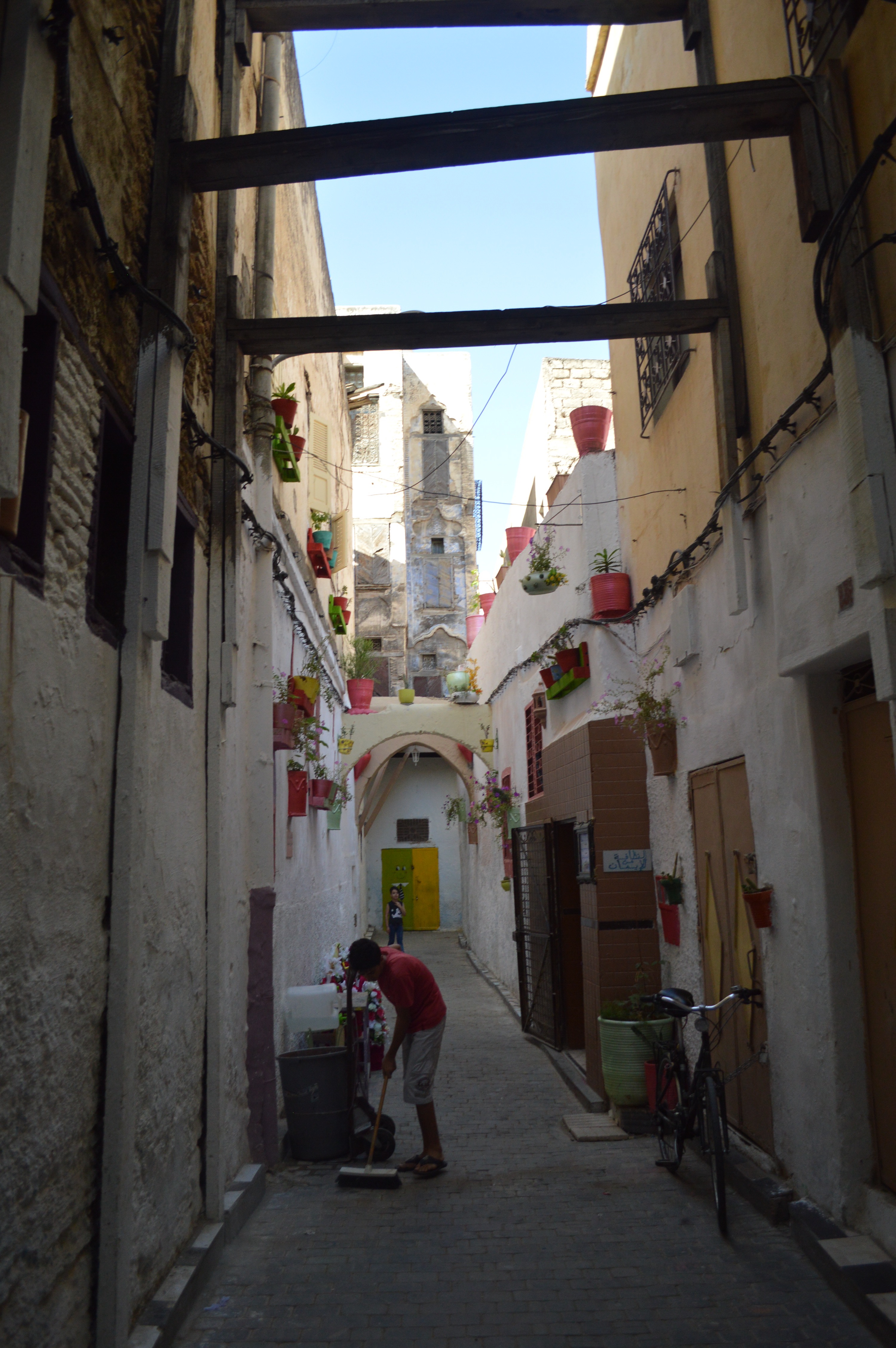
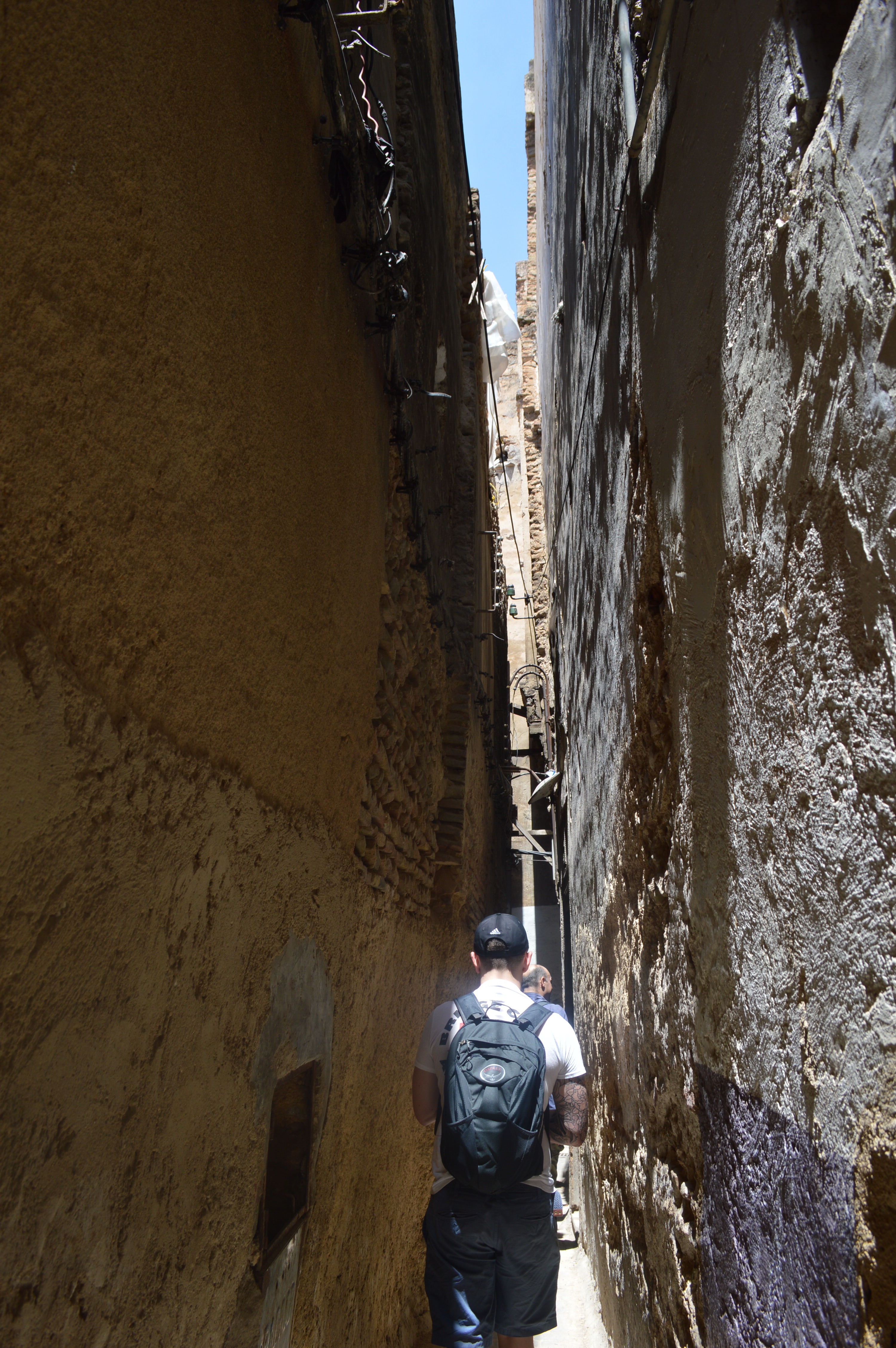
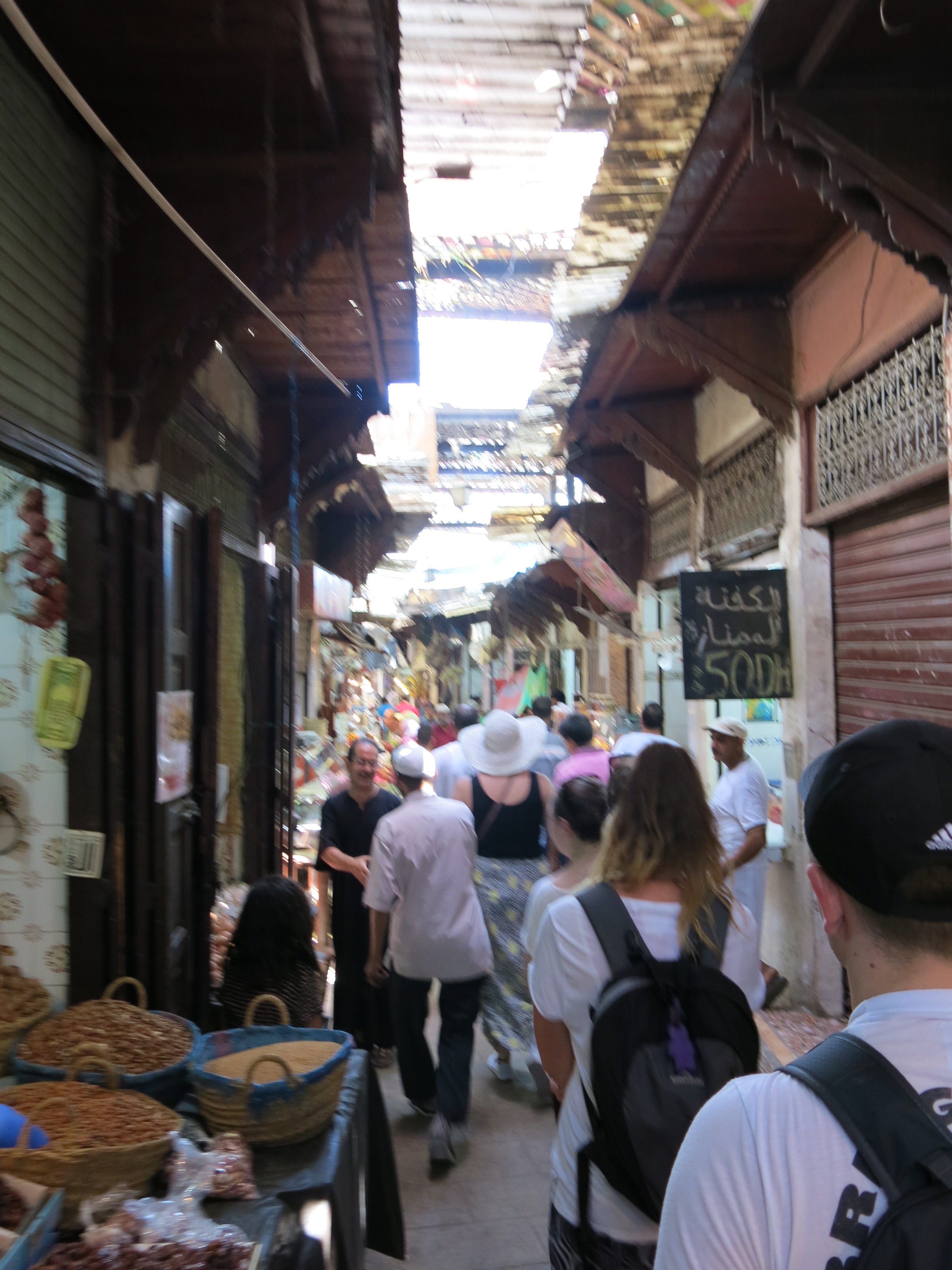
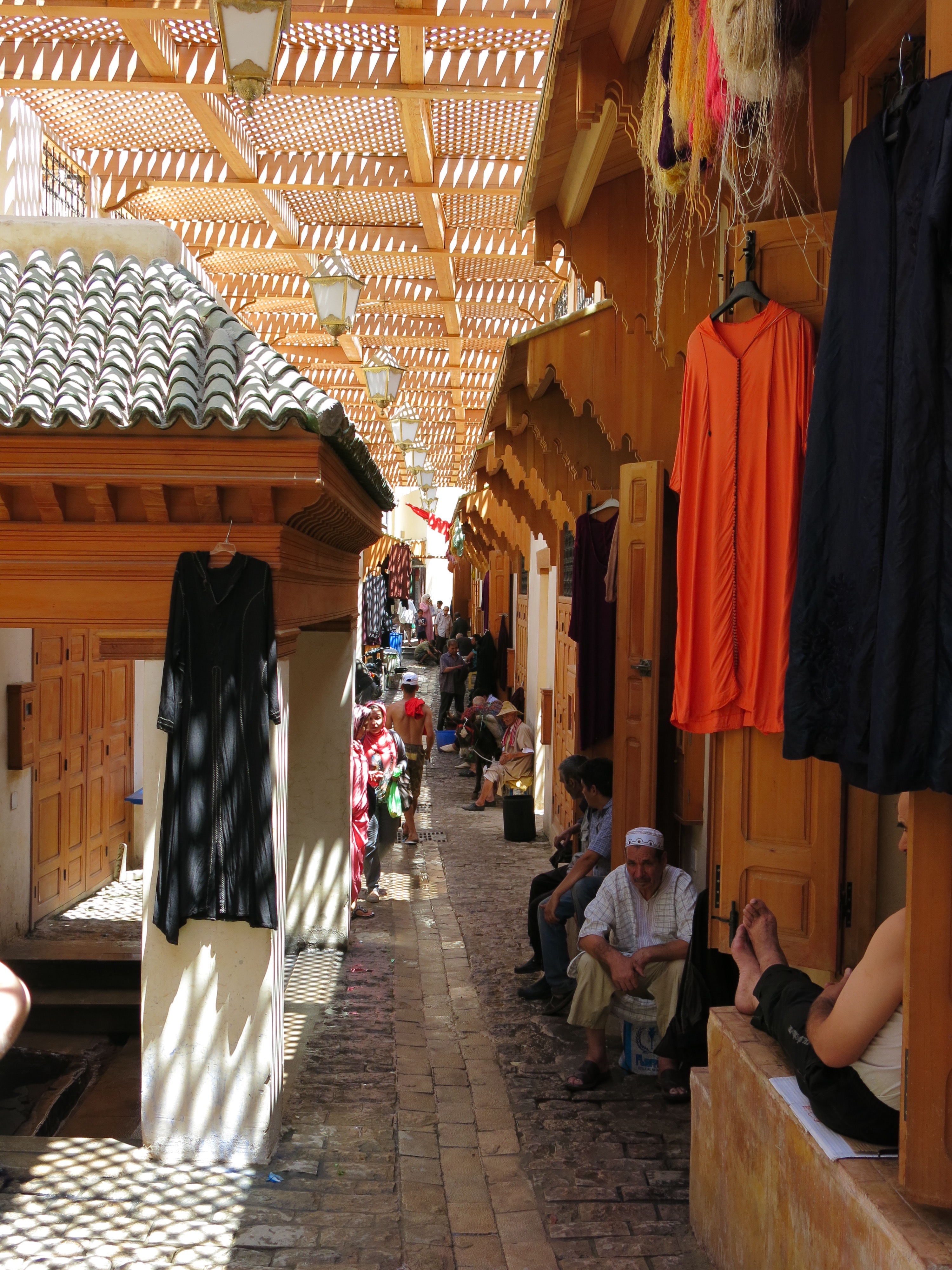
After our master arts class we headed to the medina of Fès el-Bali (Old Fez). Boy am I glad we had a guide. It was certainly an assault on the senses. A warren of narrow lanes (around 9,000 alleyways) and covered bazaars fit to bursting with aromatic food stands, craft workshops, mosques and an endless parade of people. It is a place where old and new constantly collide – the men driving the donkeys and mules (that remain the main form of transport – and almost ran us over a few times, they are quieter than you think) chat on their mobile phones, while the ancient skyline is punctuated with satellite dishes and minarets. However years of neglect have taken their toll on the medina. The city walls have started being repaired and much is being done to conserve buildings. Scaffolding is everywhere. 

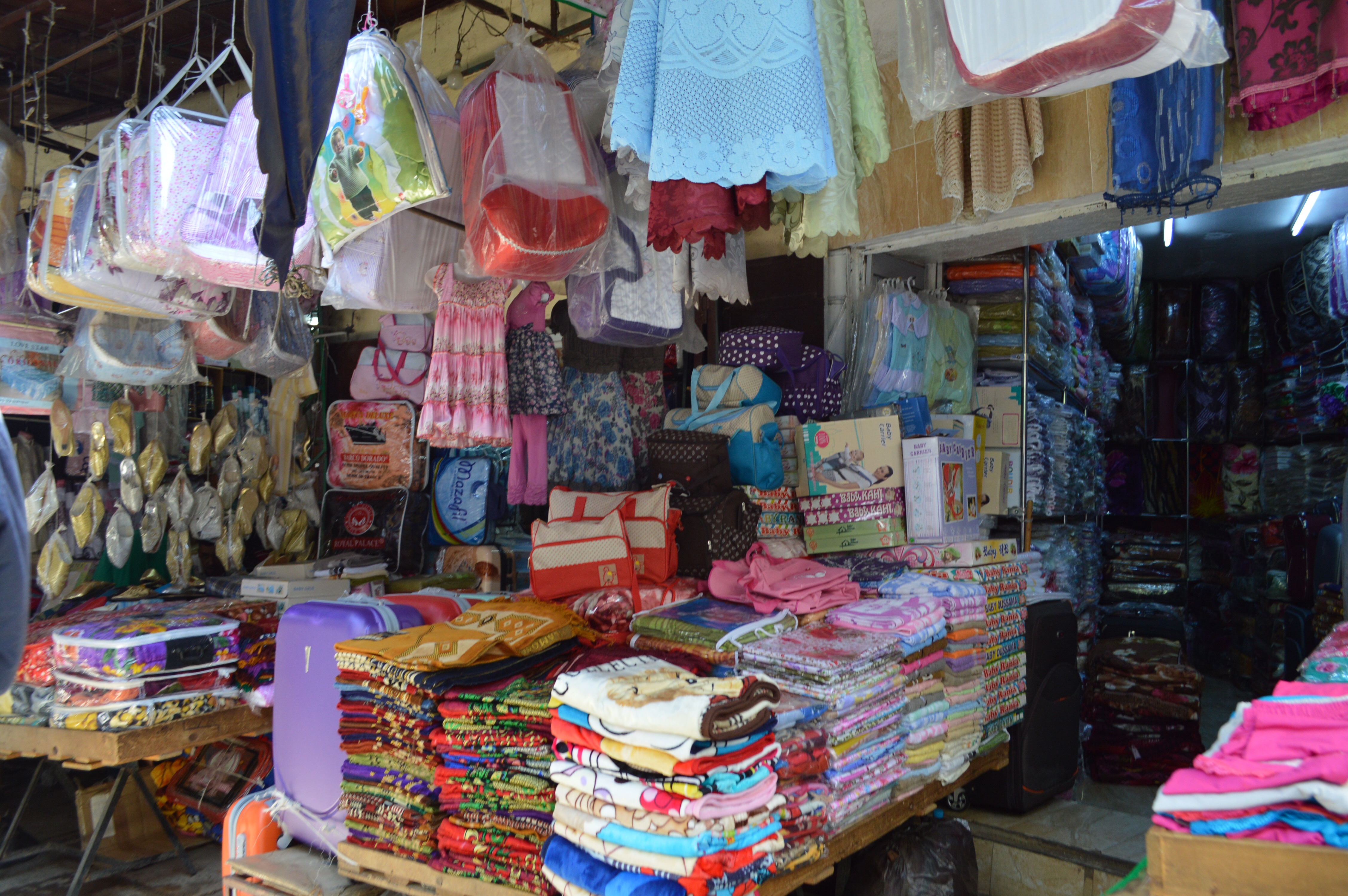
It was quite overwhelming. We were instructed that if we lost the group we were to stay put and our guide would come back and find us (apparently this was much easier than us continuing on and then potentially never being found again). This resulted in each of us constantly checking behind to ensure we were all still present! In some of the alleyways you had to turn sideways to fit! We saw camel heads hanging from hooks, hunks of meat, miles of sweets, clothing and fabric galore, mosques around every corner, all kinds of shoes and leather as well as rugs as far as the eye could see! 


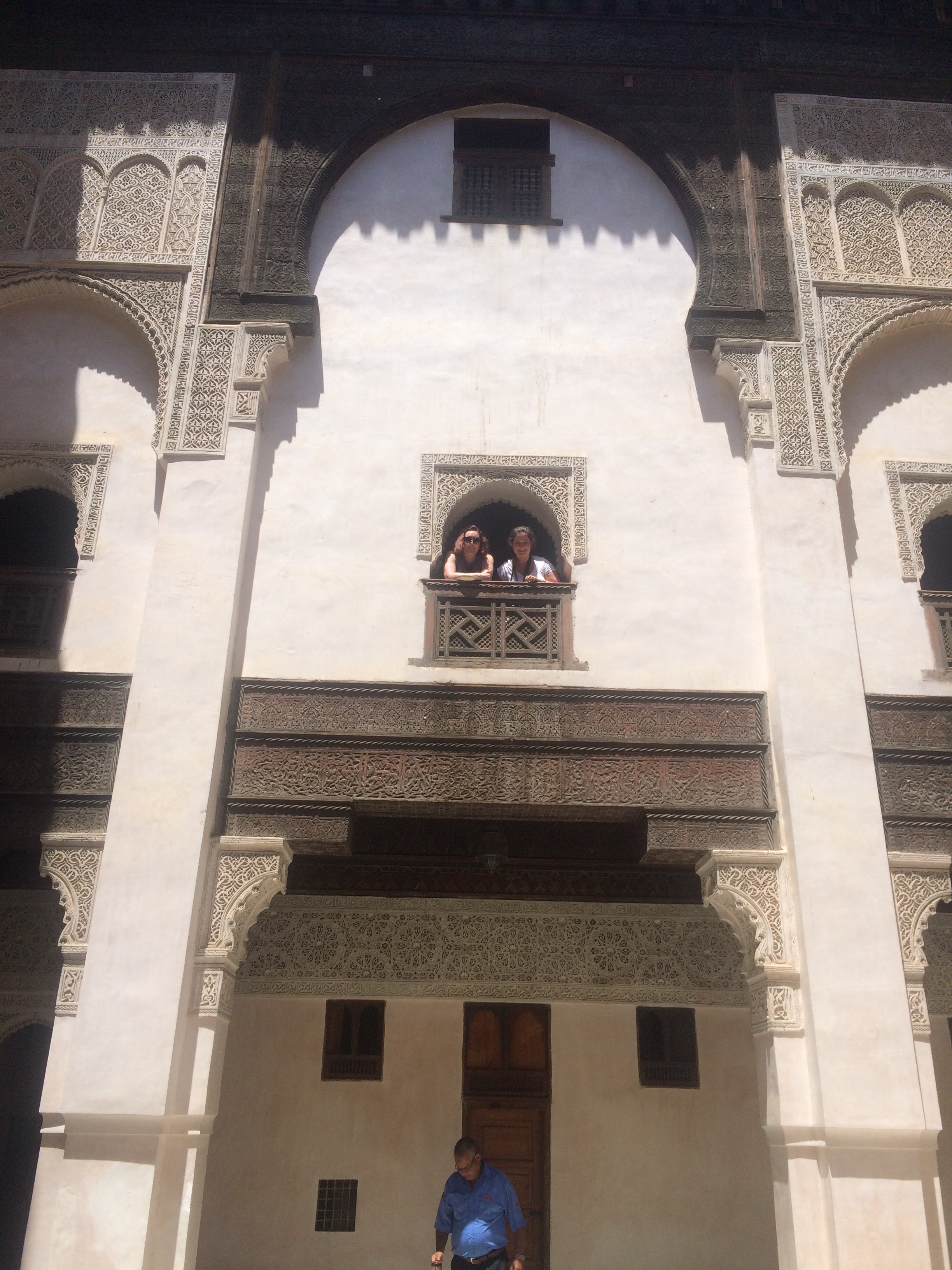
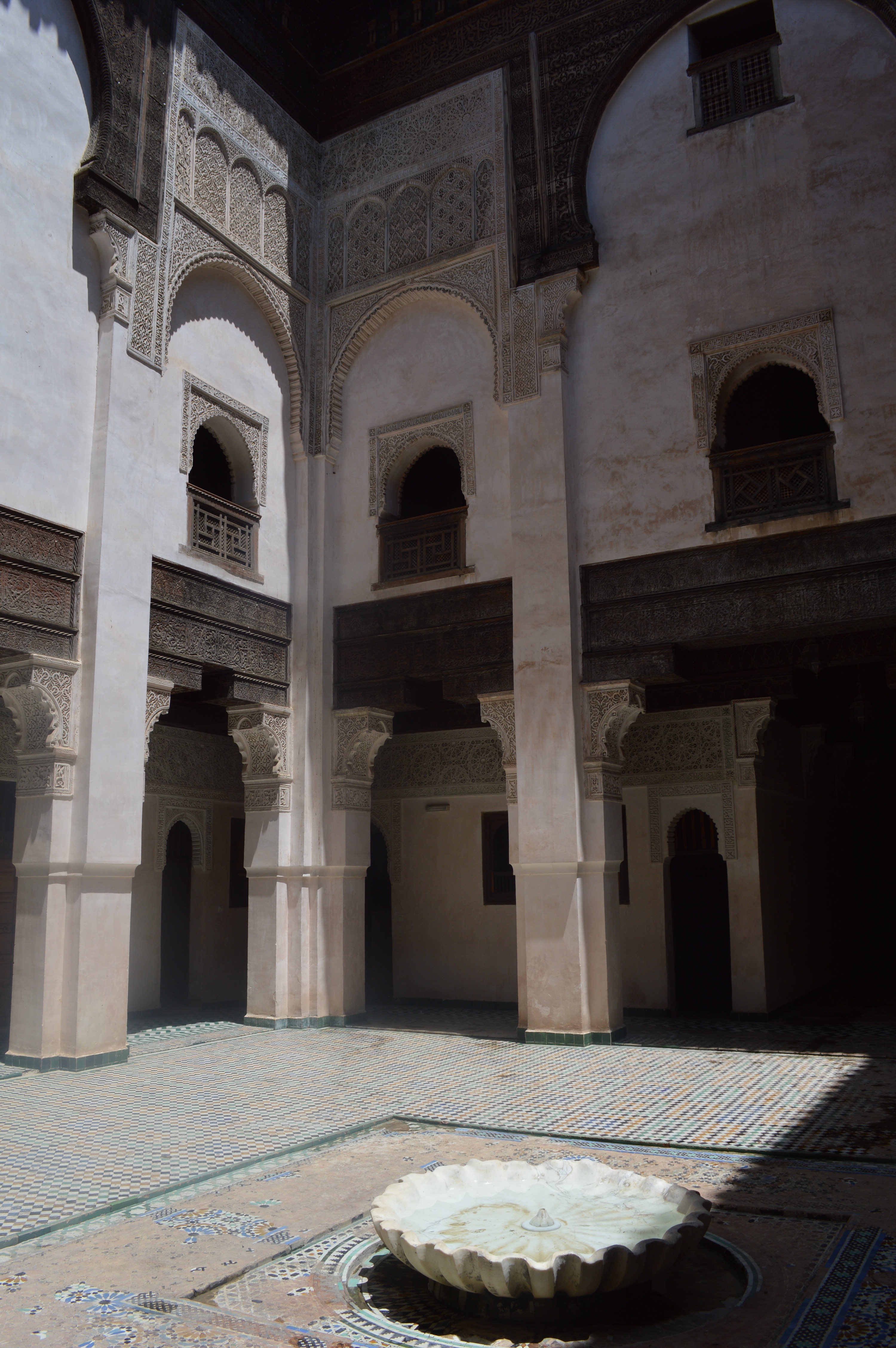
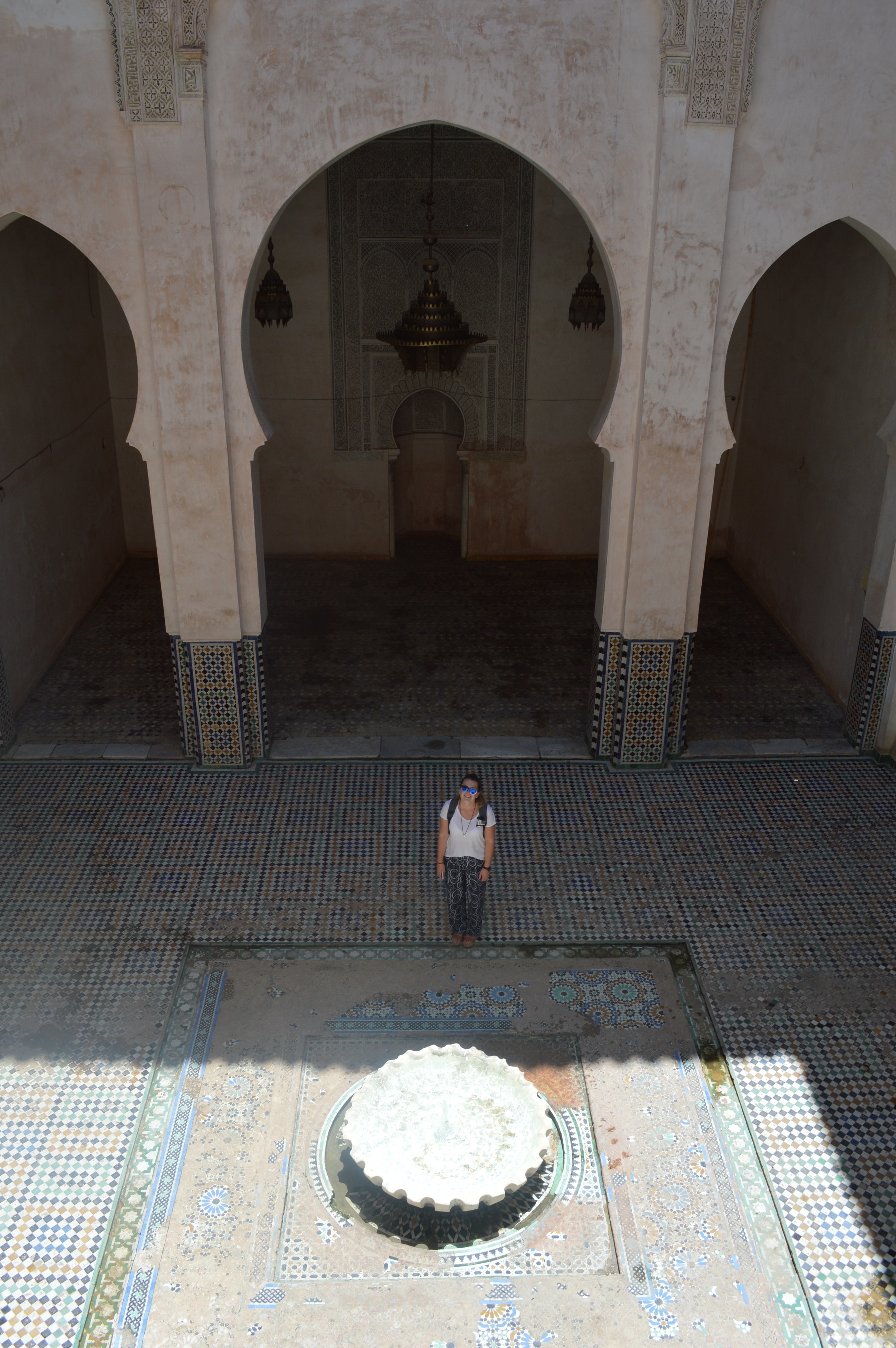
We made a stop in the medina and entered the Medersa Bou Inania – the finest of Fes’ theological colleges. Simply a stunning and quite place in the midst of mayhem outside its doors. We were silently in awe as we looked around to take in all the elaborate zellij and carved plaster, beautiful cedar mashrabiyyas (lattice screens) and massive brass doors. It was built by the Merenid sultan Bou Inan between 1350 and 1357. We were also able to go and have a look at some of the rooms where students of the college could stay. Such a tranquil place. 


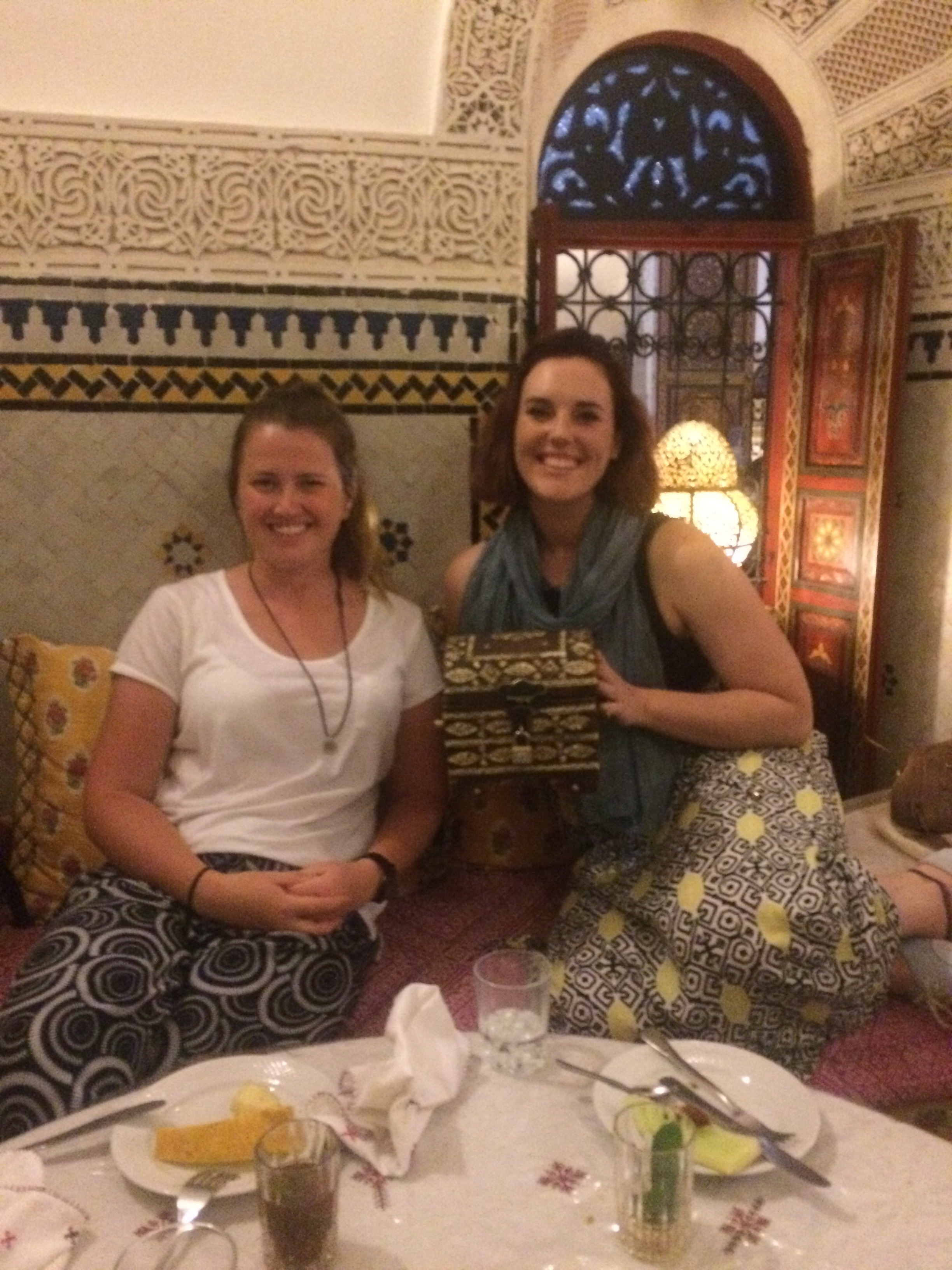
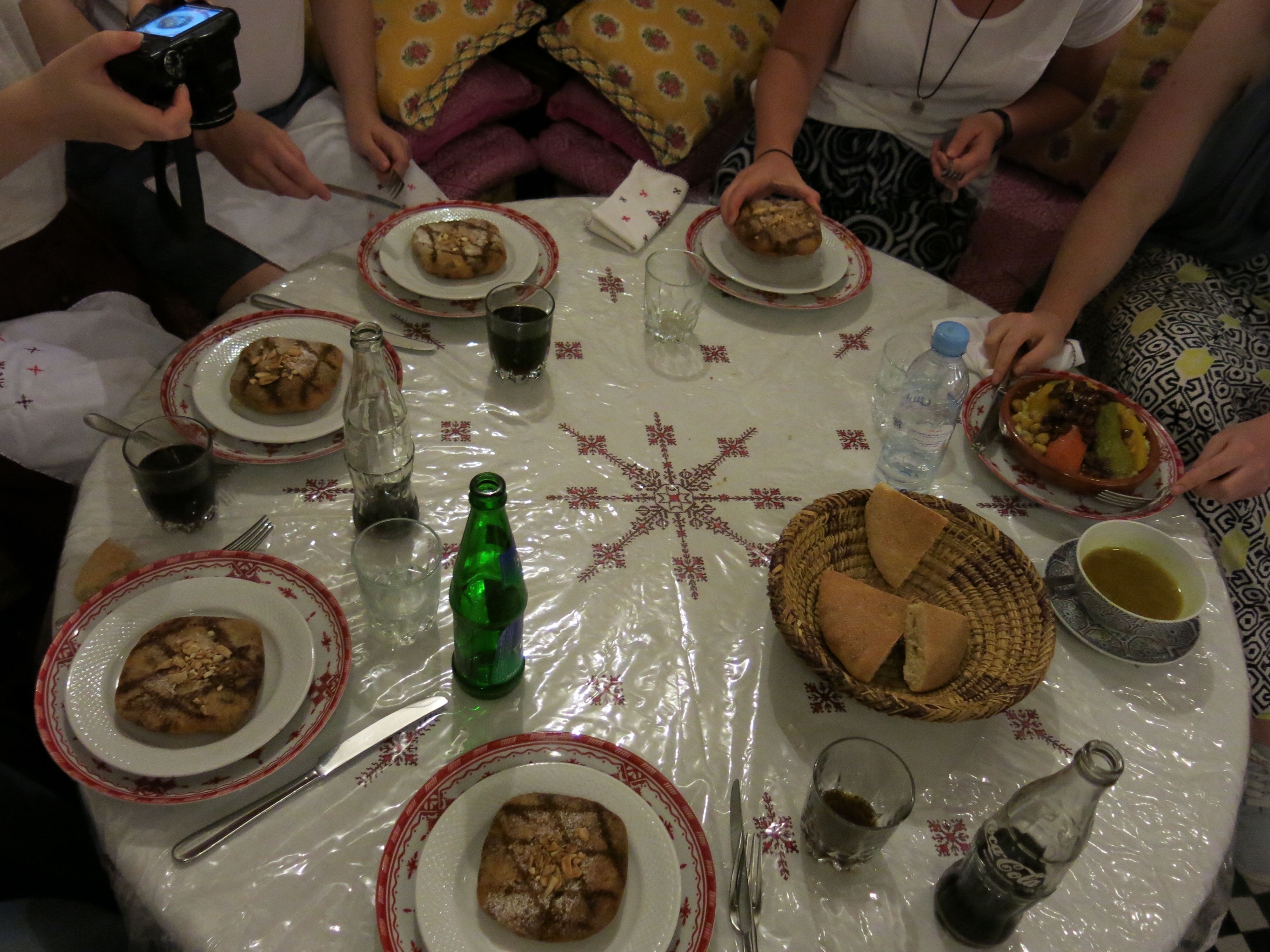
I cannot tell you how long we had been touring, but by this stage we were all hankering for some food. Thankfully Resturant Nejjarine was our next stop. When we stepped inside I can honestly say everyone was speechless. The amount of detail and decoration was both beautiful and overwhelming and the calm of the place was almost deafening from the contrast of outside. We sat on our lush cushioned benches and enjoyed our delicious 3 course meal of different salads, pastilla (I had chicken – it was a combination of sweet and salty flavours with a crisp thin dough, shredded meat, ground almonds, cinnamon, and sugar) and fruit! 


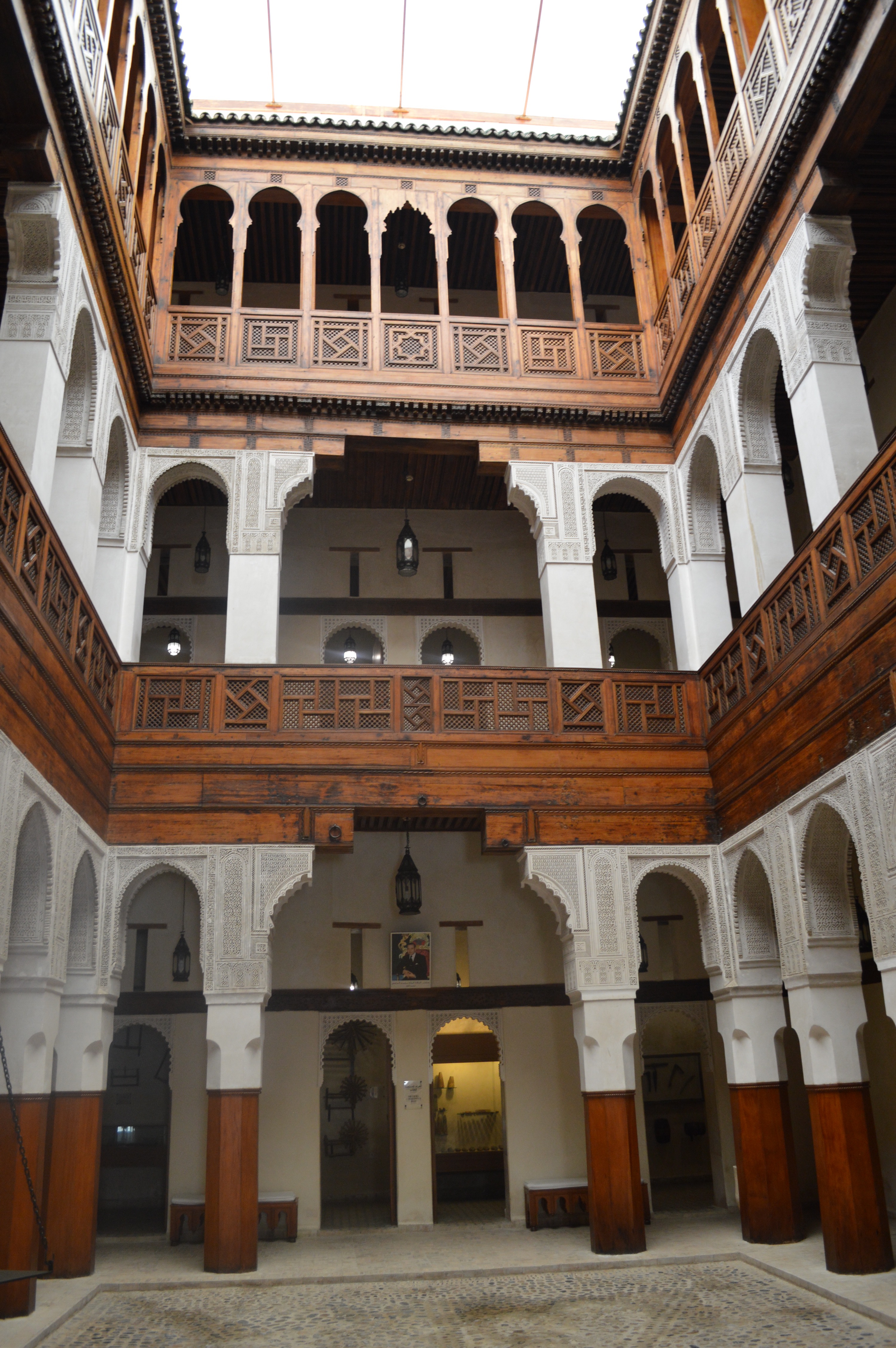
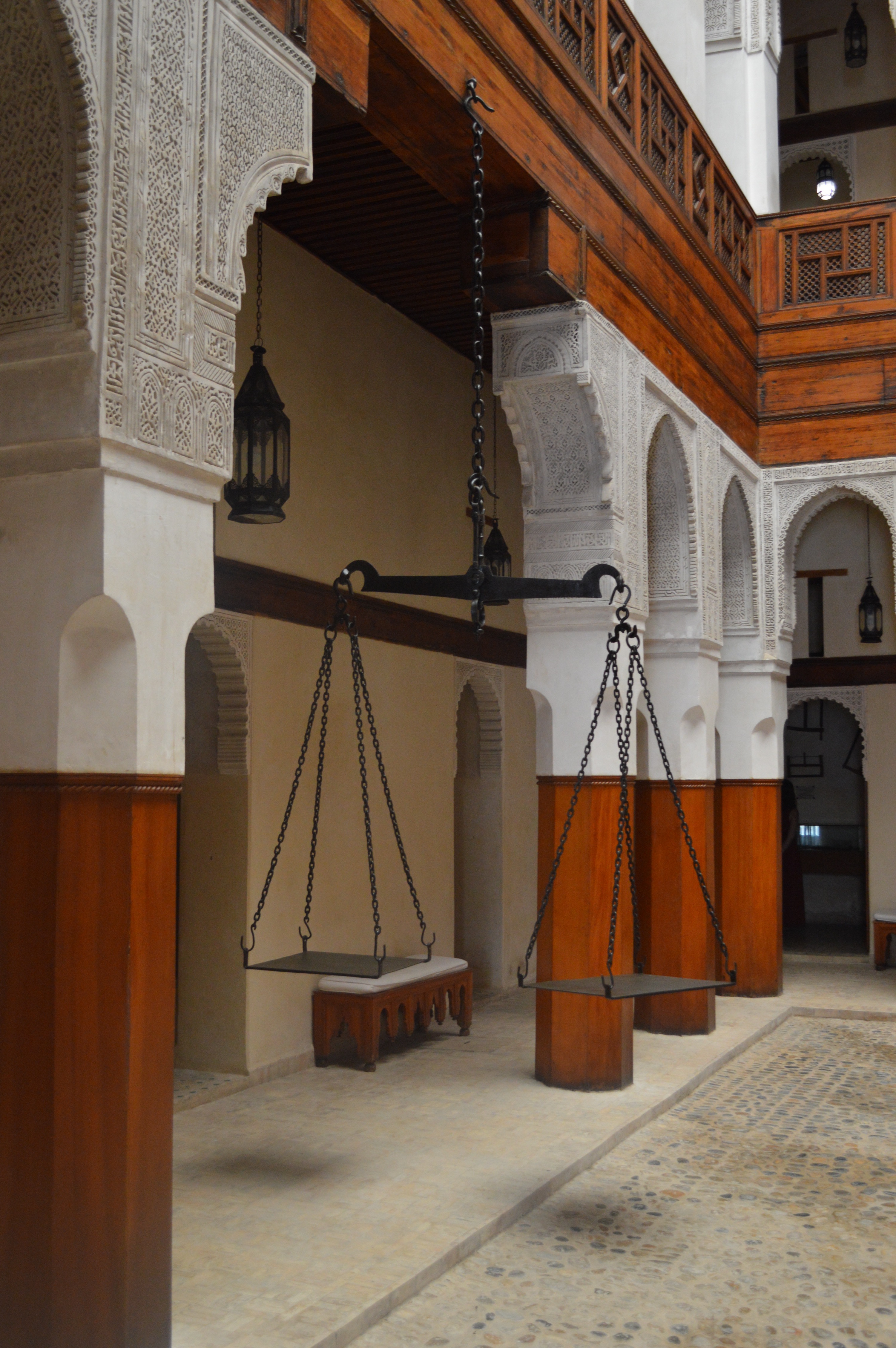
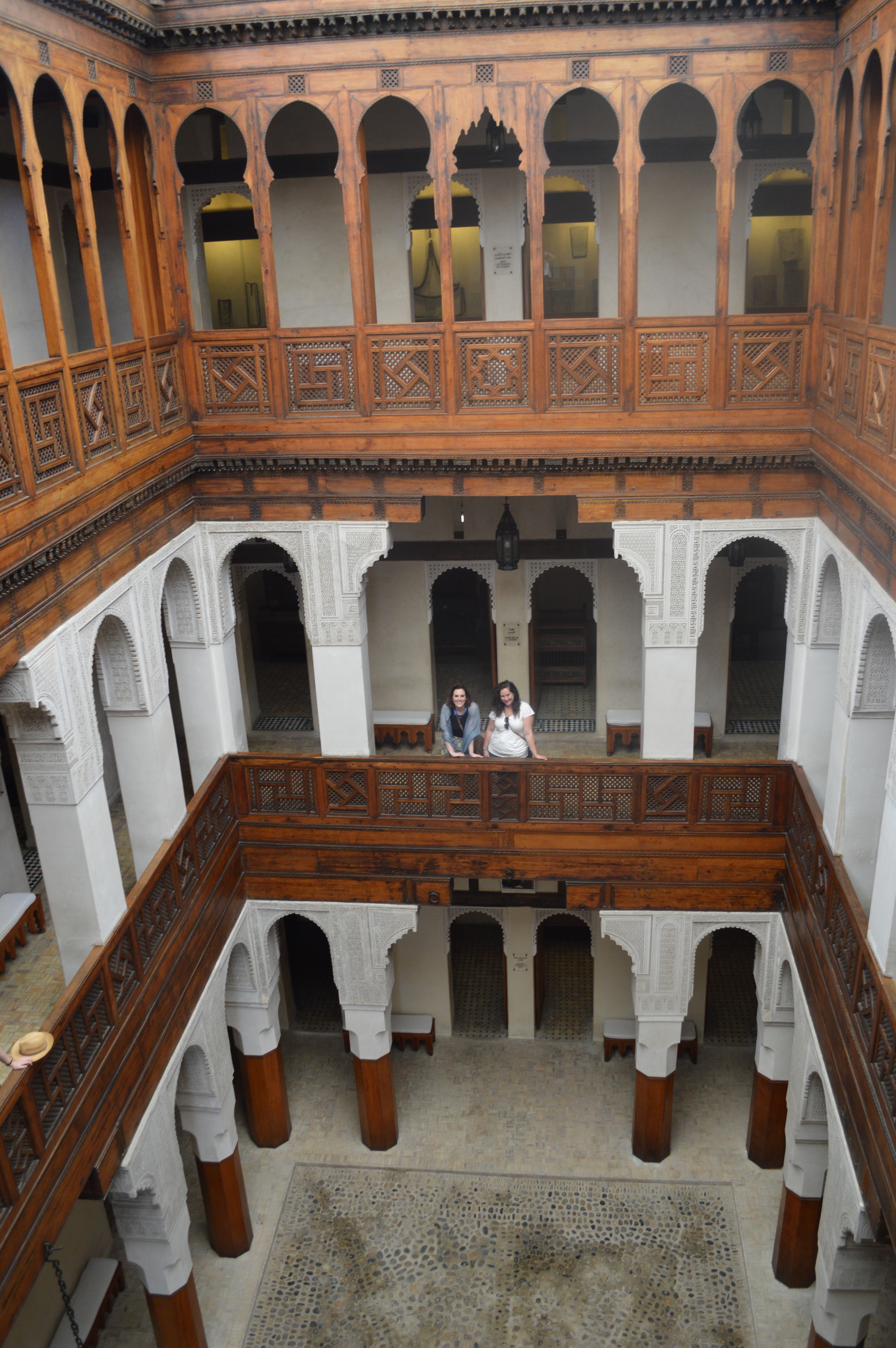
Now happy and full we headed to the Nejjarine Museum of Wooden Arts and Crafts. Centered on a courtyard, the rooms each displayed different categories of things – traditional artefacts of craftsmen’s tools, chunky prayer beads and Berber locks, chests and musical instruments. The rooftop also had great views over the medina. 


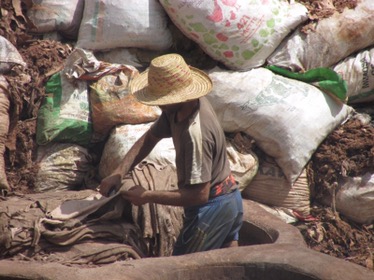
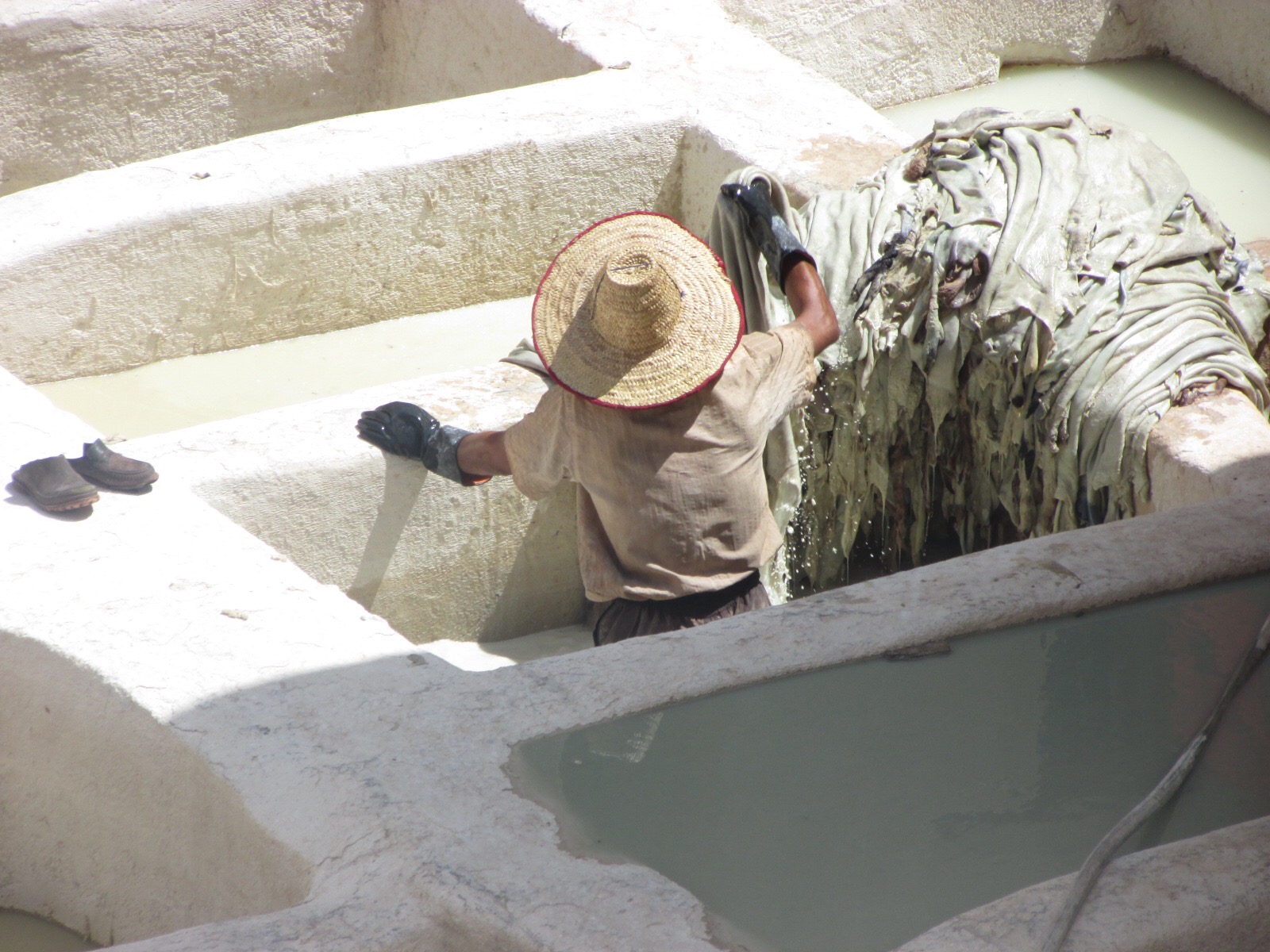
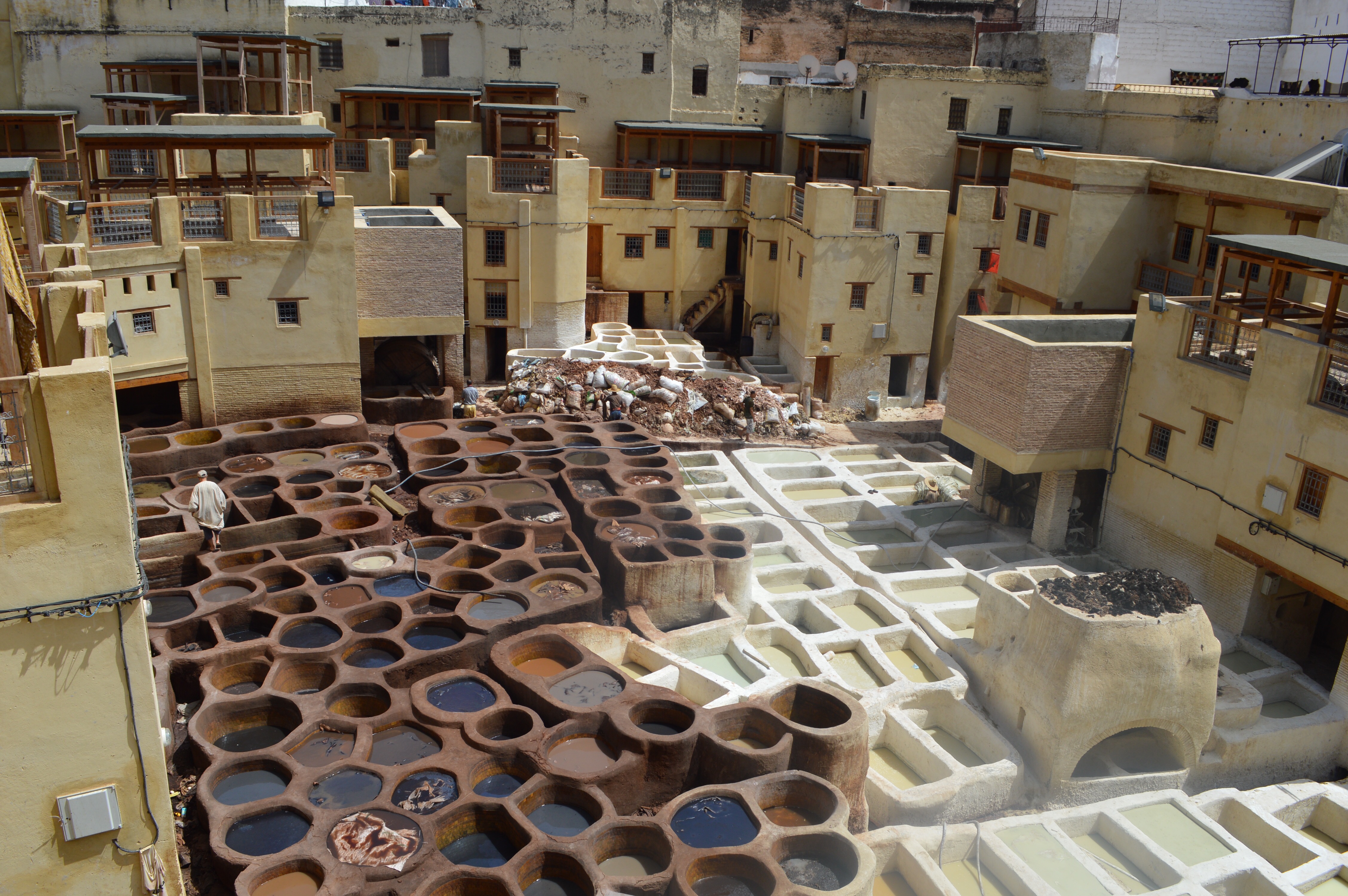
Almost done with our sightseeing for the day, it was time to head into the shops! Our first stop was the Chaouwara tanneries – one of the city’s most iconic sights (and smells). We went into one shop, and the owner took us to the terrace that allowed us to look over the action. He also happily gave us an explanation of the process involved. On our way down through the 5-6 levels of the shop he showed us some of the differences between the types of leathers – camel, donkey, cow etc. Unfortunately the salesmen were a little too pushy and as a group we mostly felt uncomfortable and left without making a purchase. I mainly say unfortunately because some of us did want a gift of Moroccan leather to take home, and Fes is known for its leather – we knew we probably wouldn’t find a better selection. 


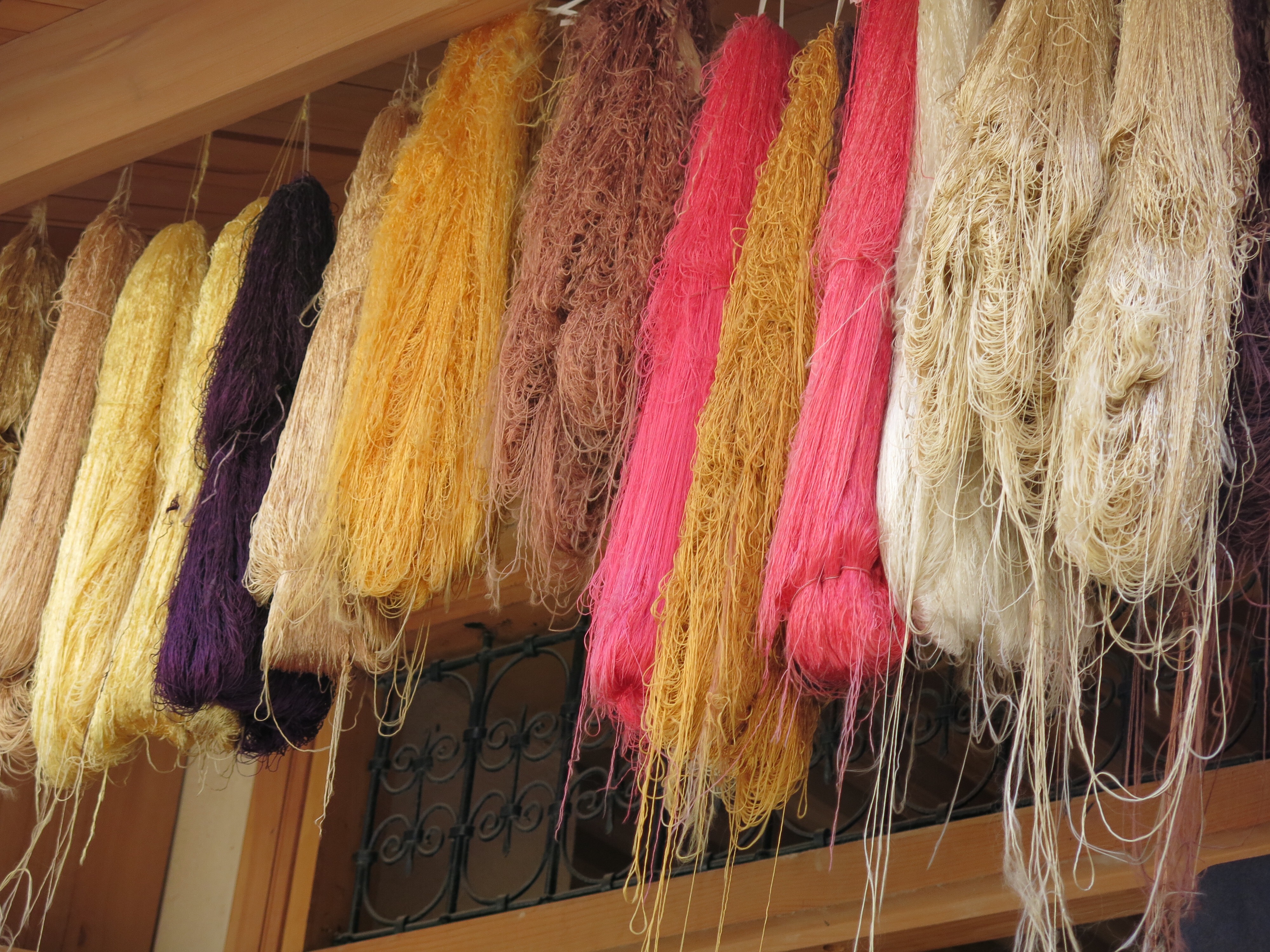
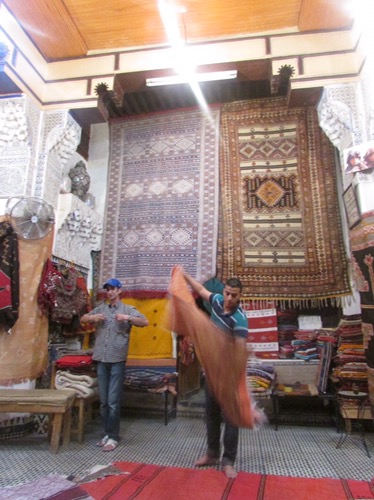
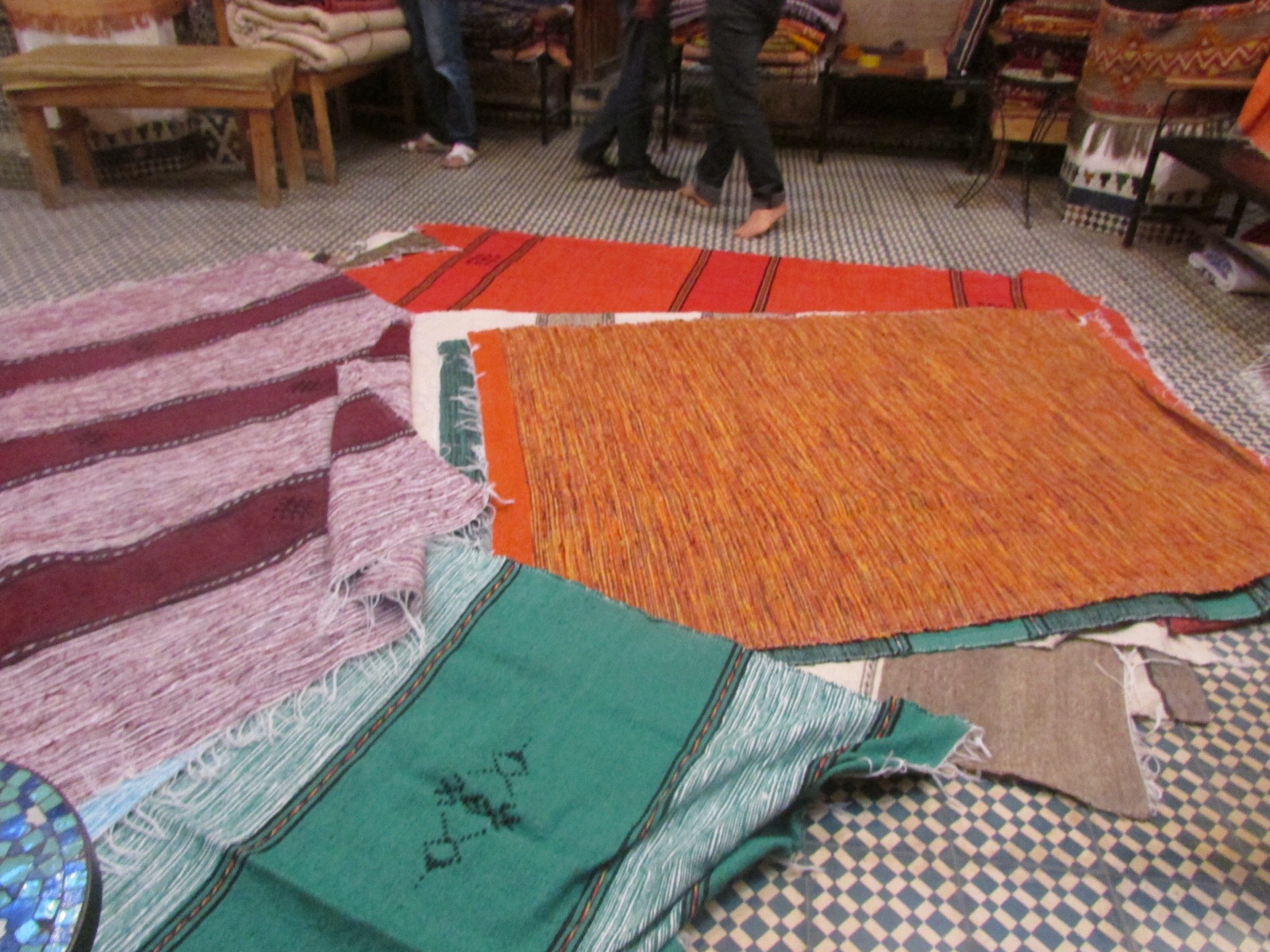
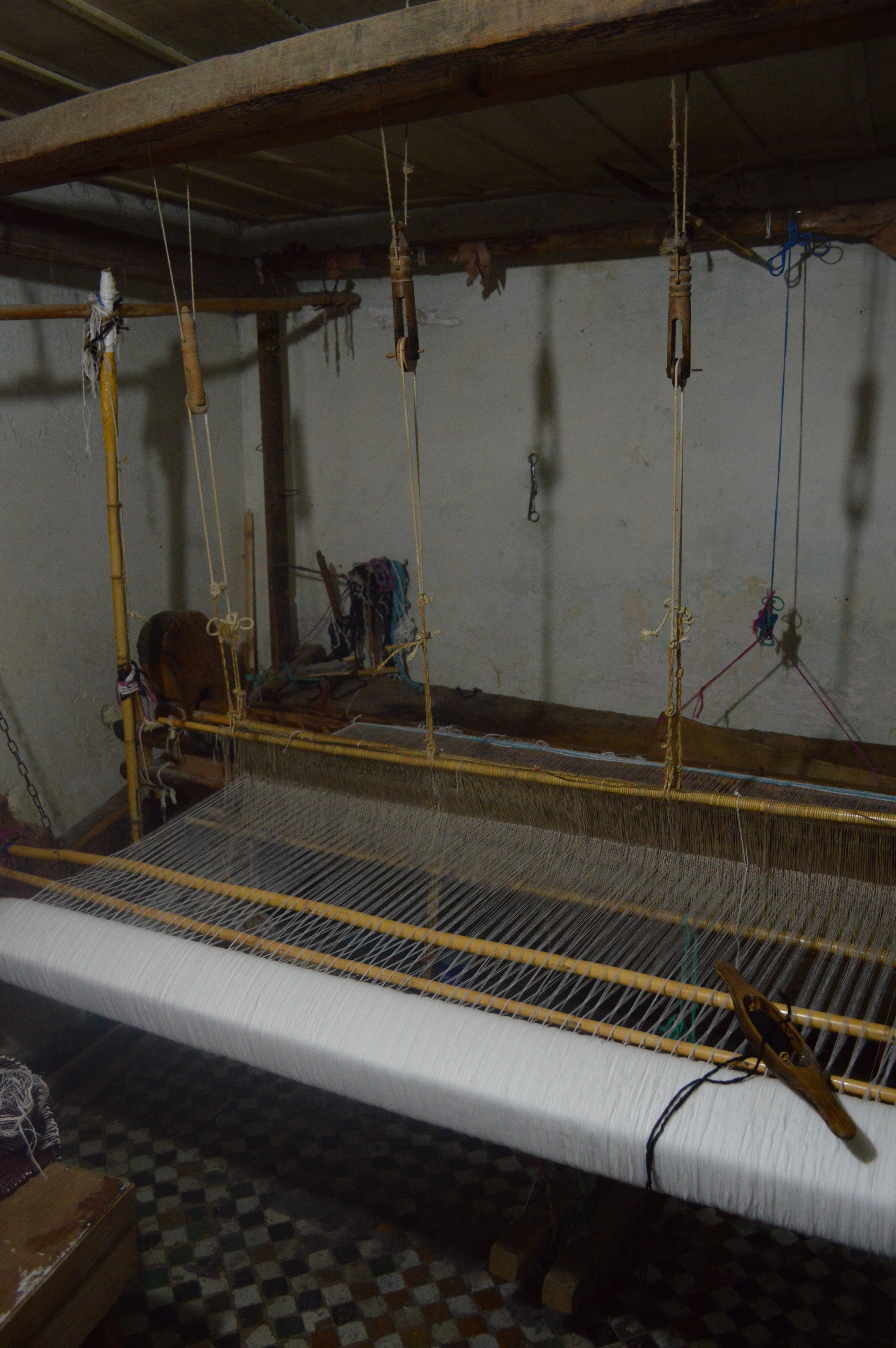
Lastly we headed to a rug cooperative. We were gifted with some Moroccan tea as we sat and learnt about the different styles of weaving, the different techniques passed on by the women and the types that the men do. It was really quite interesting! Then we had a bit of a fashion show as they presented the different types and sizes we could buy. 


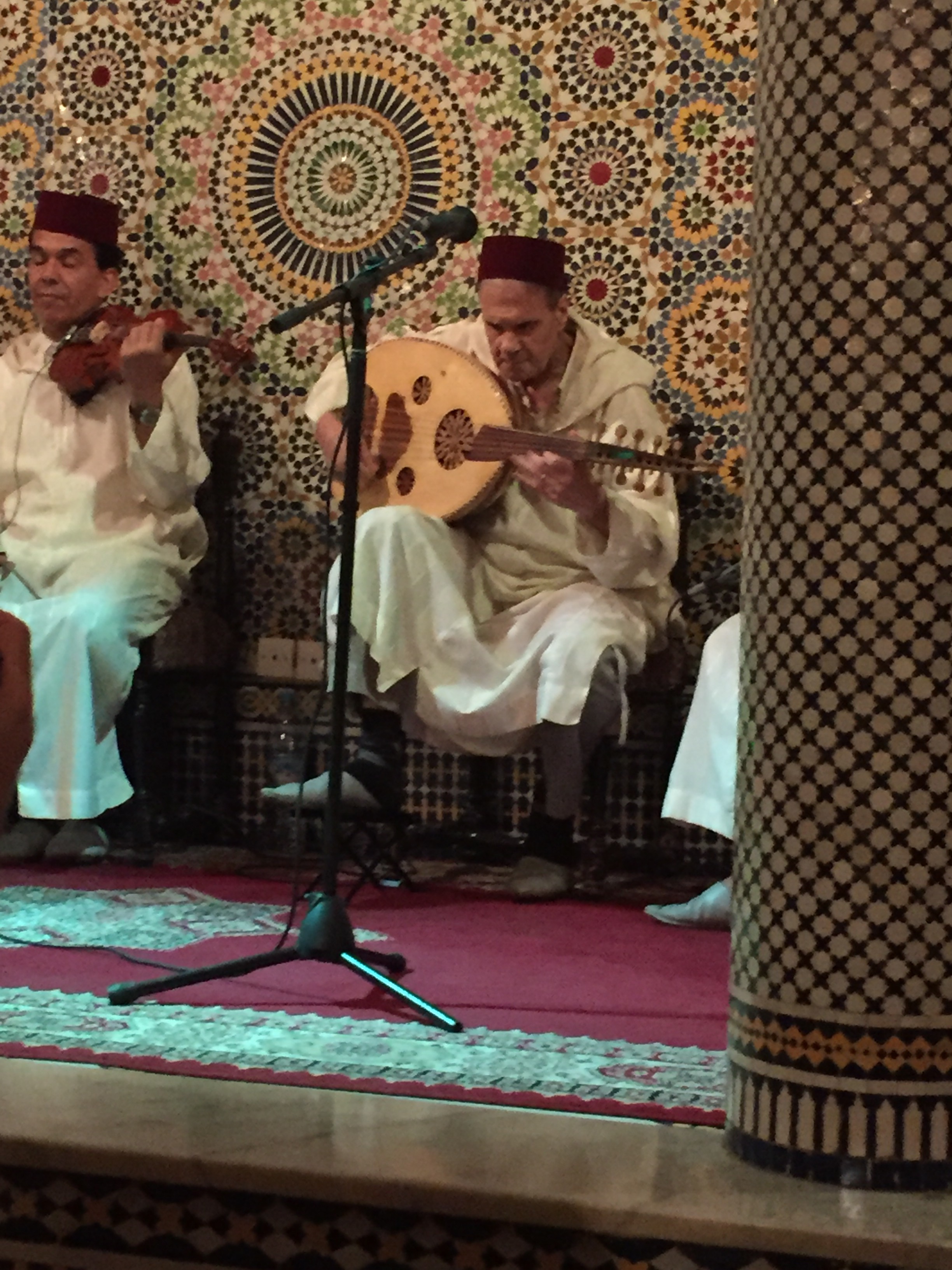
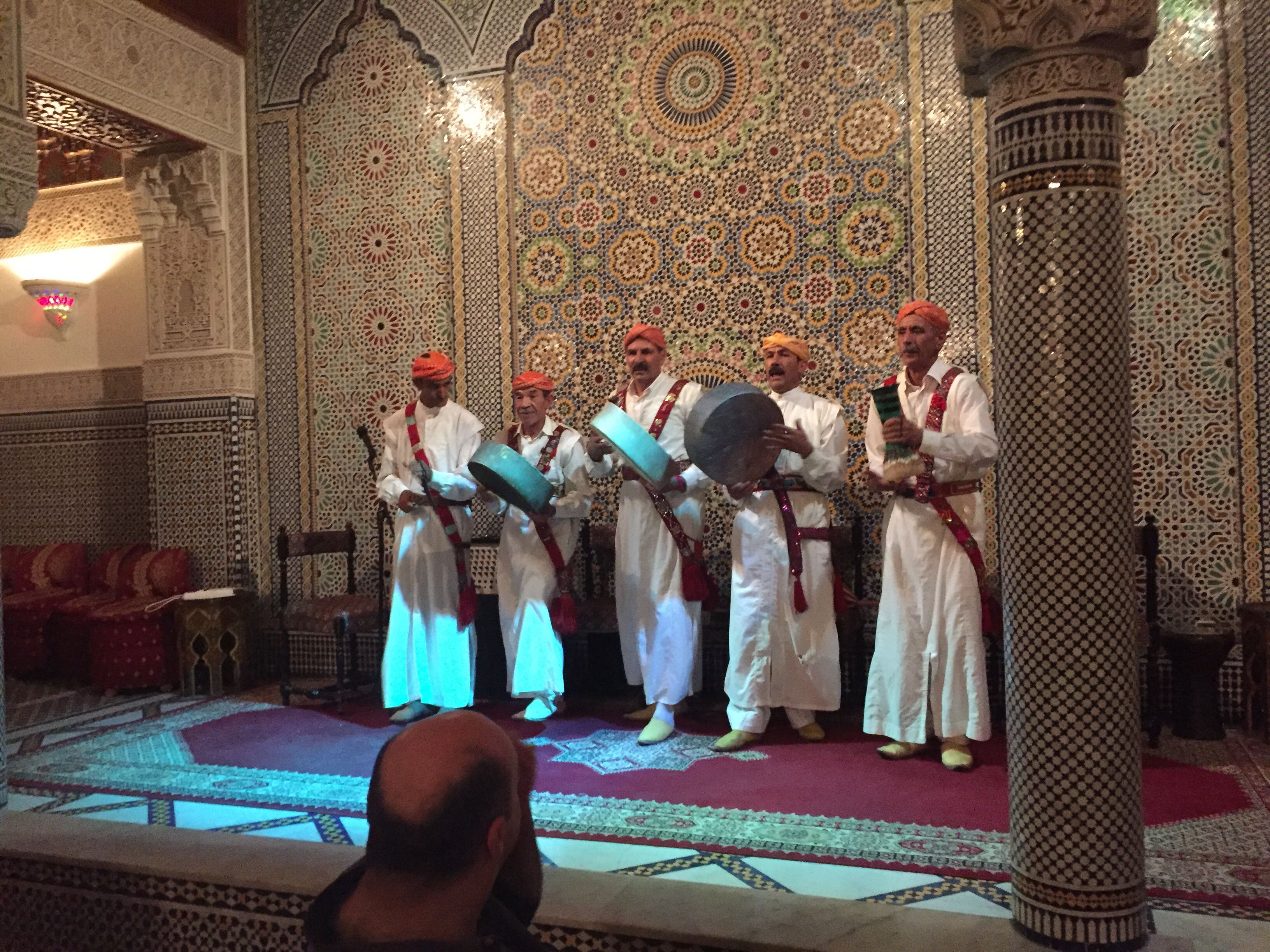
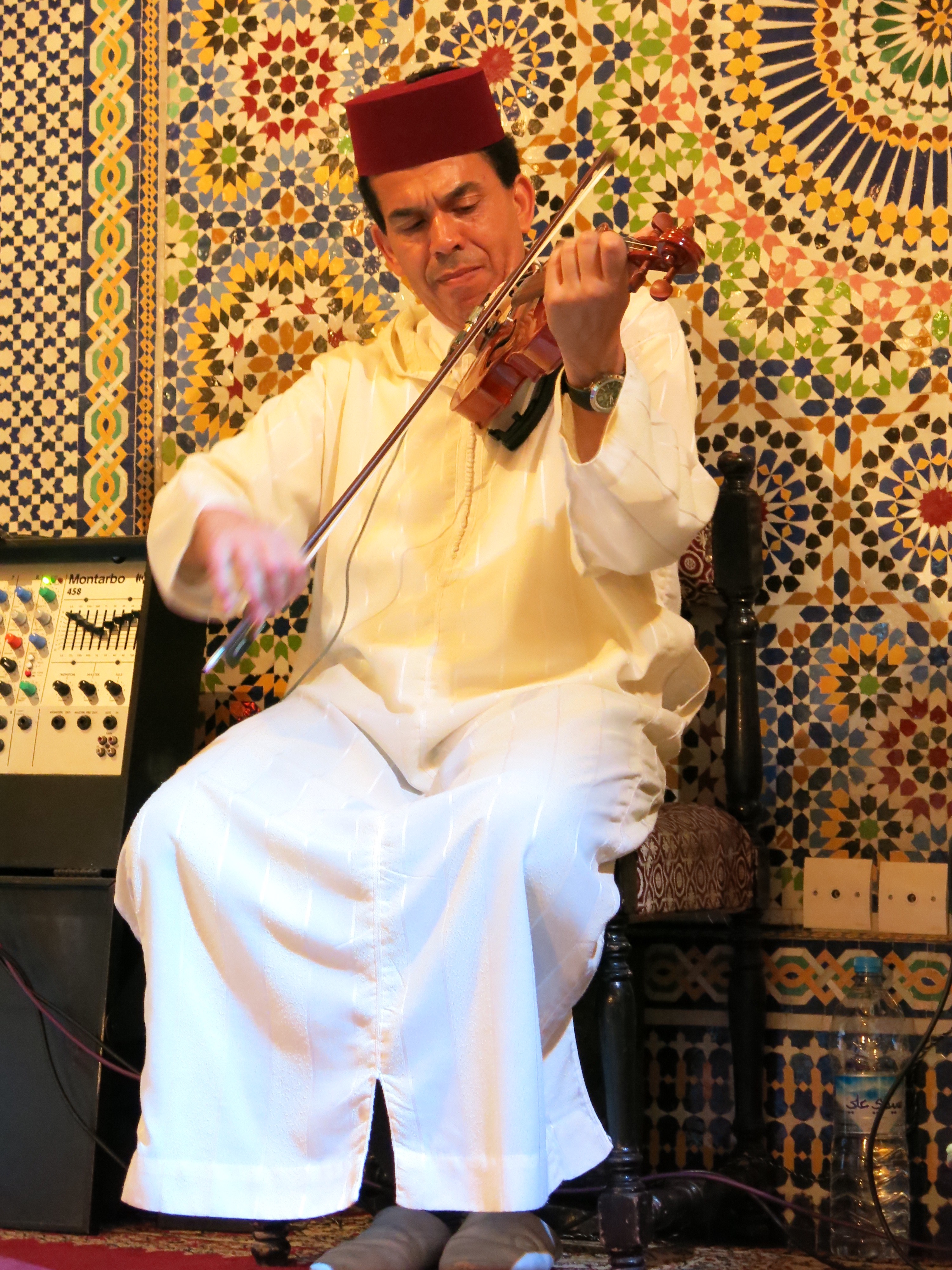
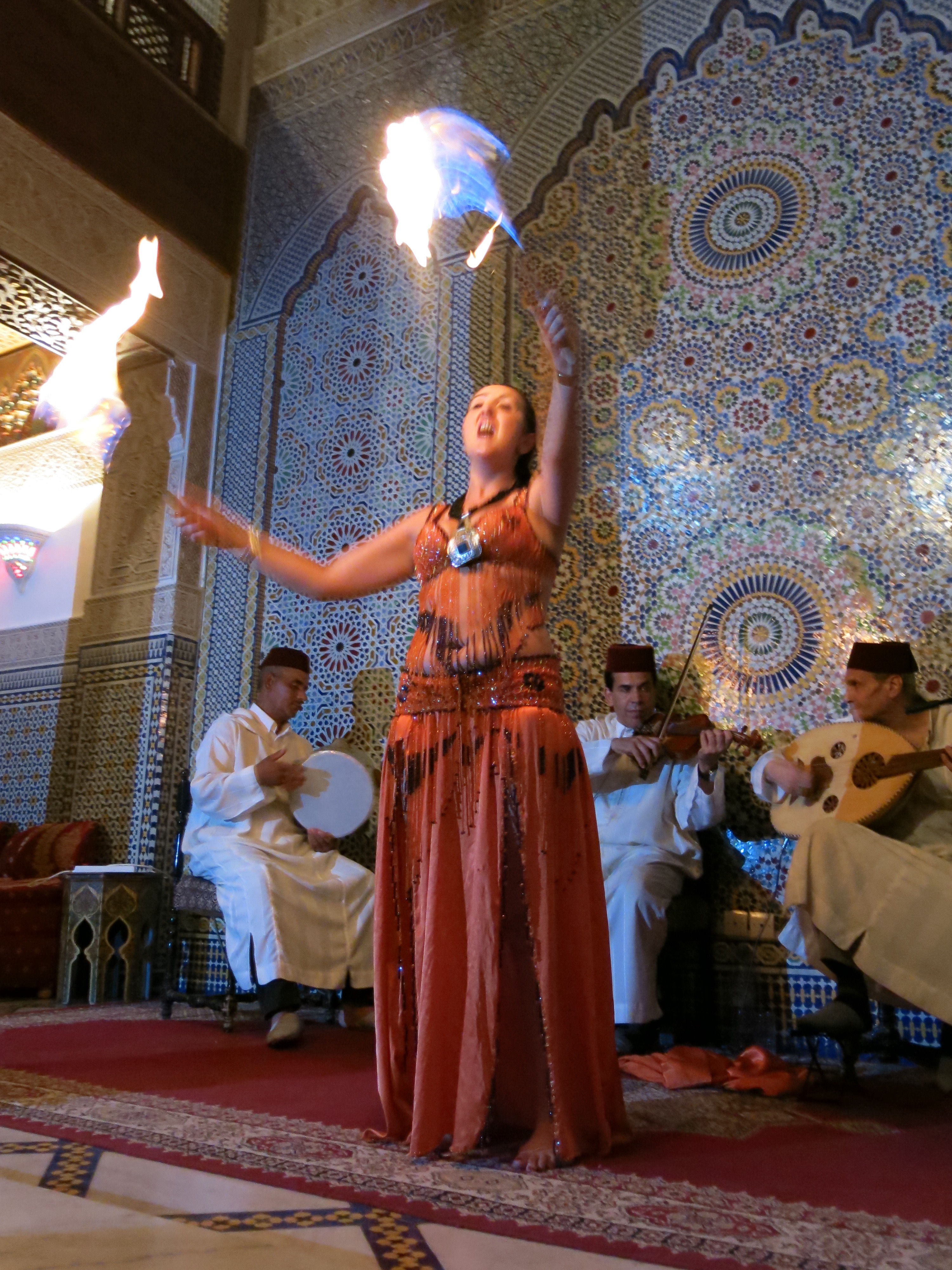
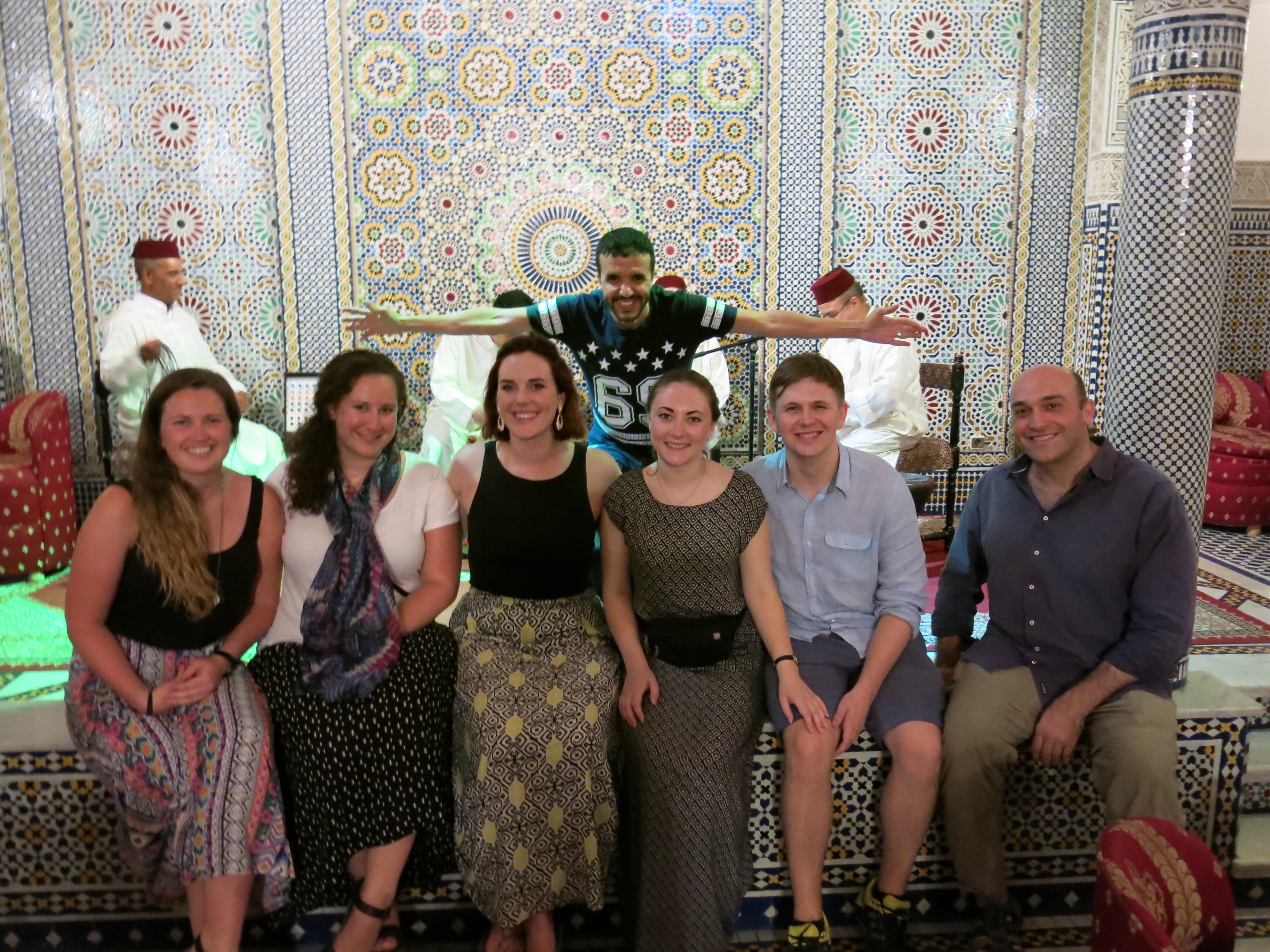
Exhausted by all of the day’s excitement so far, we headed back to the hotel to rest up before our night of entertainment (that’s right there’s more!). At dinner time Mohamed and Hassan drove us back into town. We were sat at a front row table in front of the stage where four men were playing music. All we were really told about the night before arriving was that we would be treated to Moroccan entertainment and food. We ordered a bottle of wine and enjoyed listening to the musicians play as more quests started to trickle in. When we were told the menu for this evening we almost fell off our chairs with laughter. It was the EXACT same meal we had enjoyed for lunch. I’m not sure why it was so funny. Is may have been that we were all mostly still full from our huge lunch, that we had said how much we had enjoyed it, maybe it was the little bit of wine mixed with the heat, or perhaps it was just that the waiter looked slightly unsure as to why we were giggling, but I knew then it was going to be an enjoyable evening! 
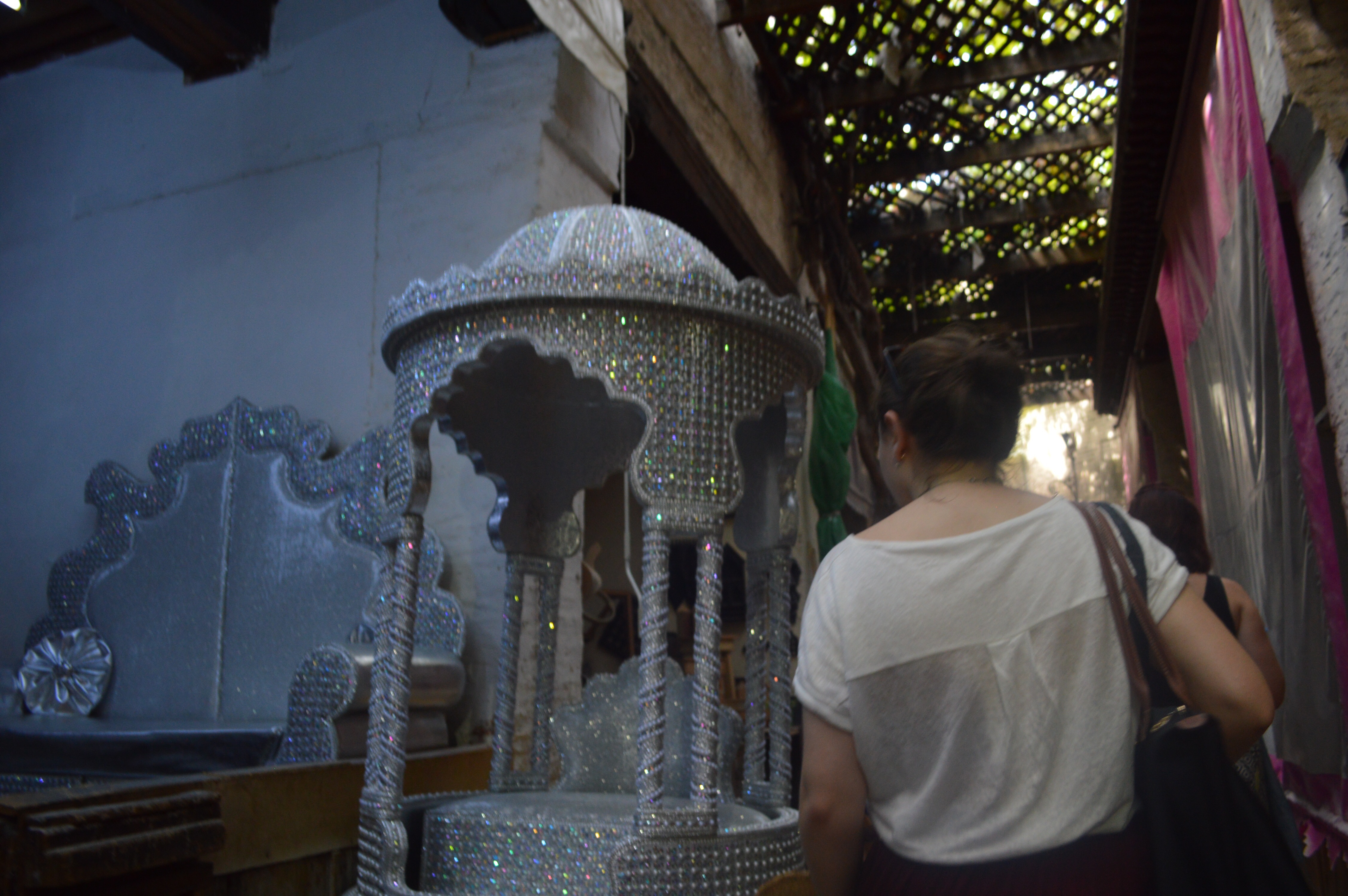
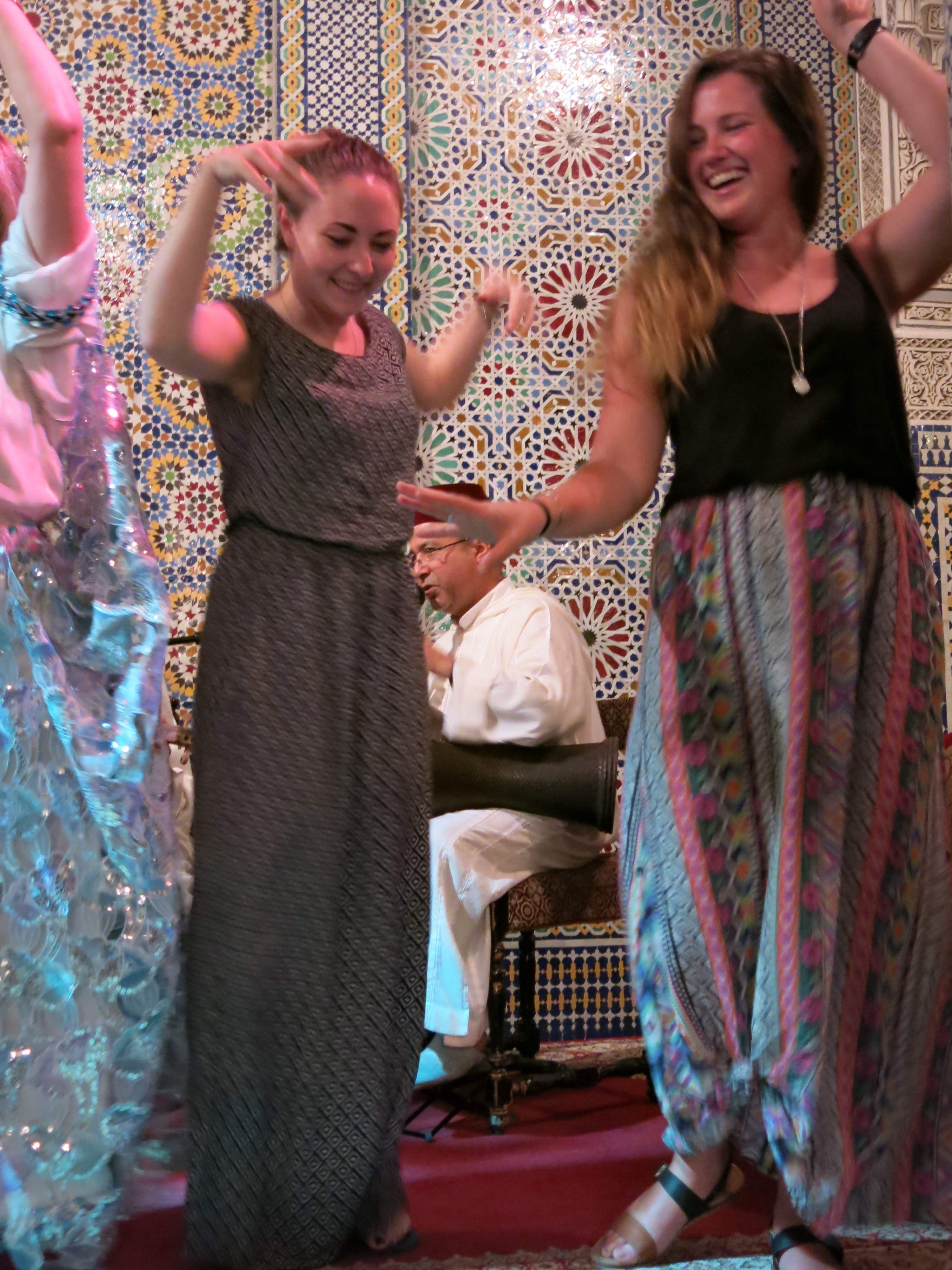
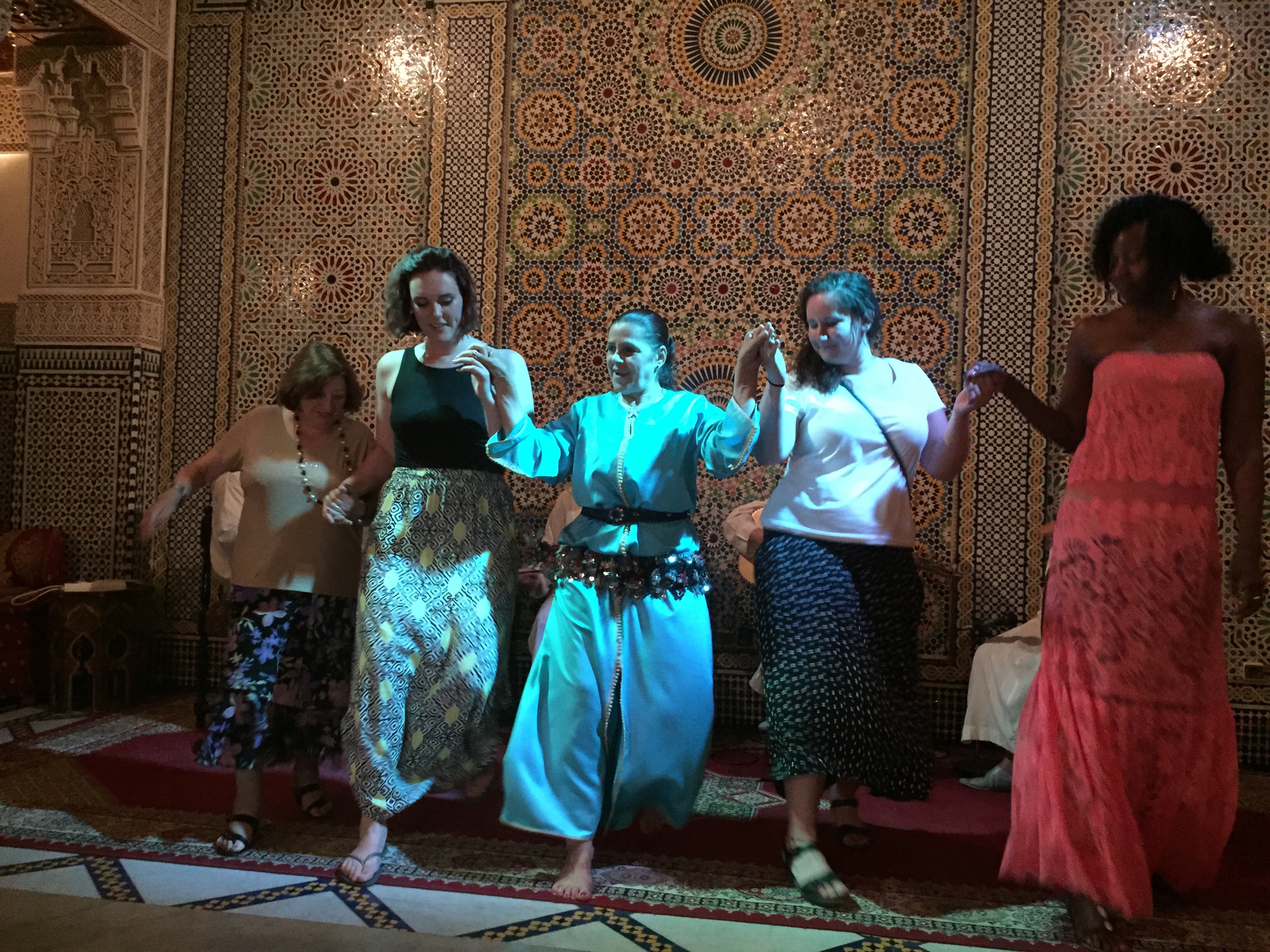
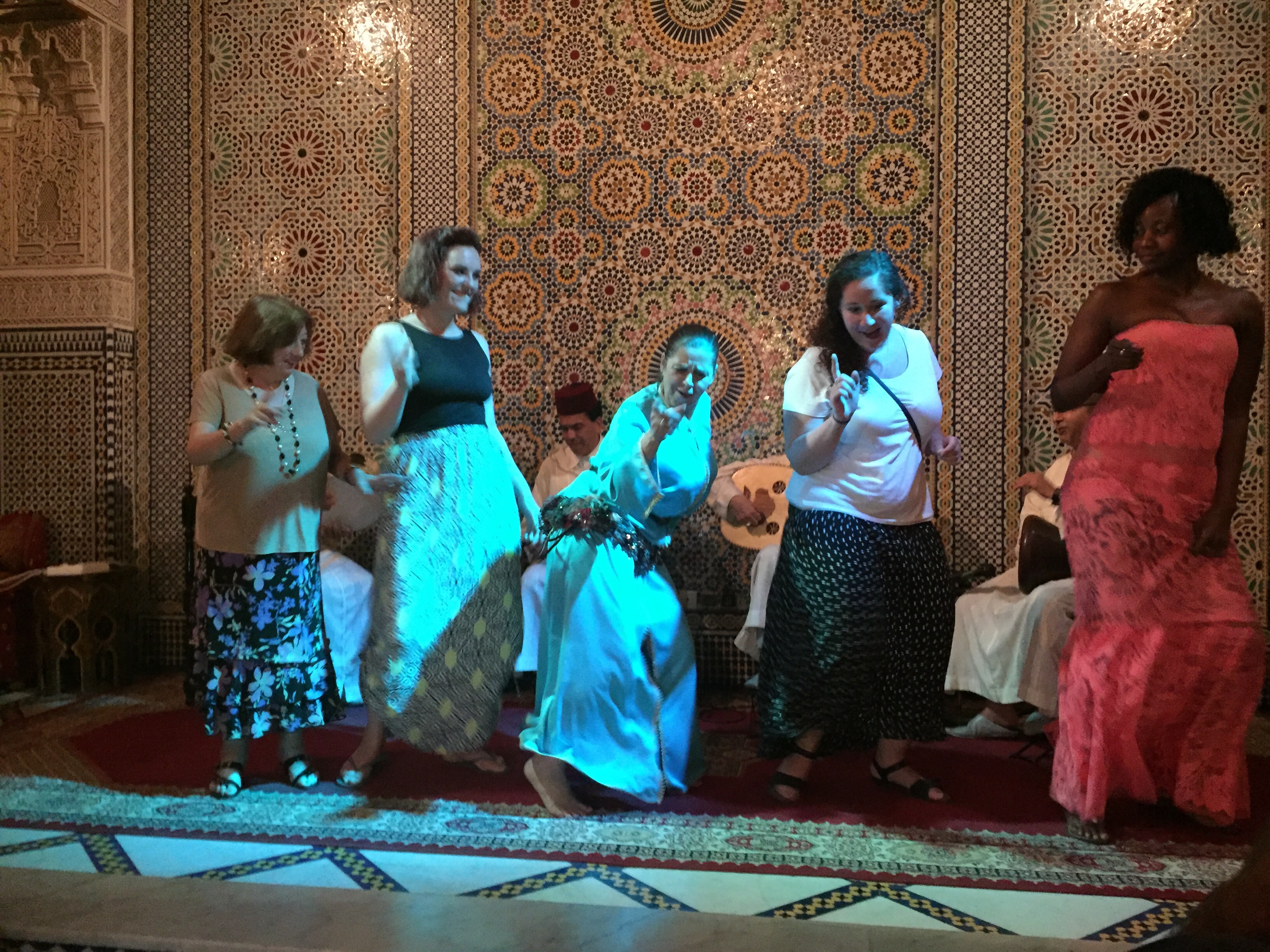
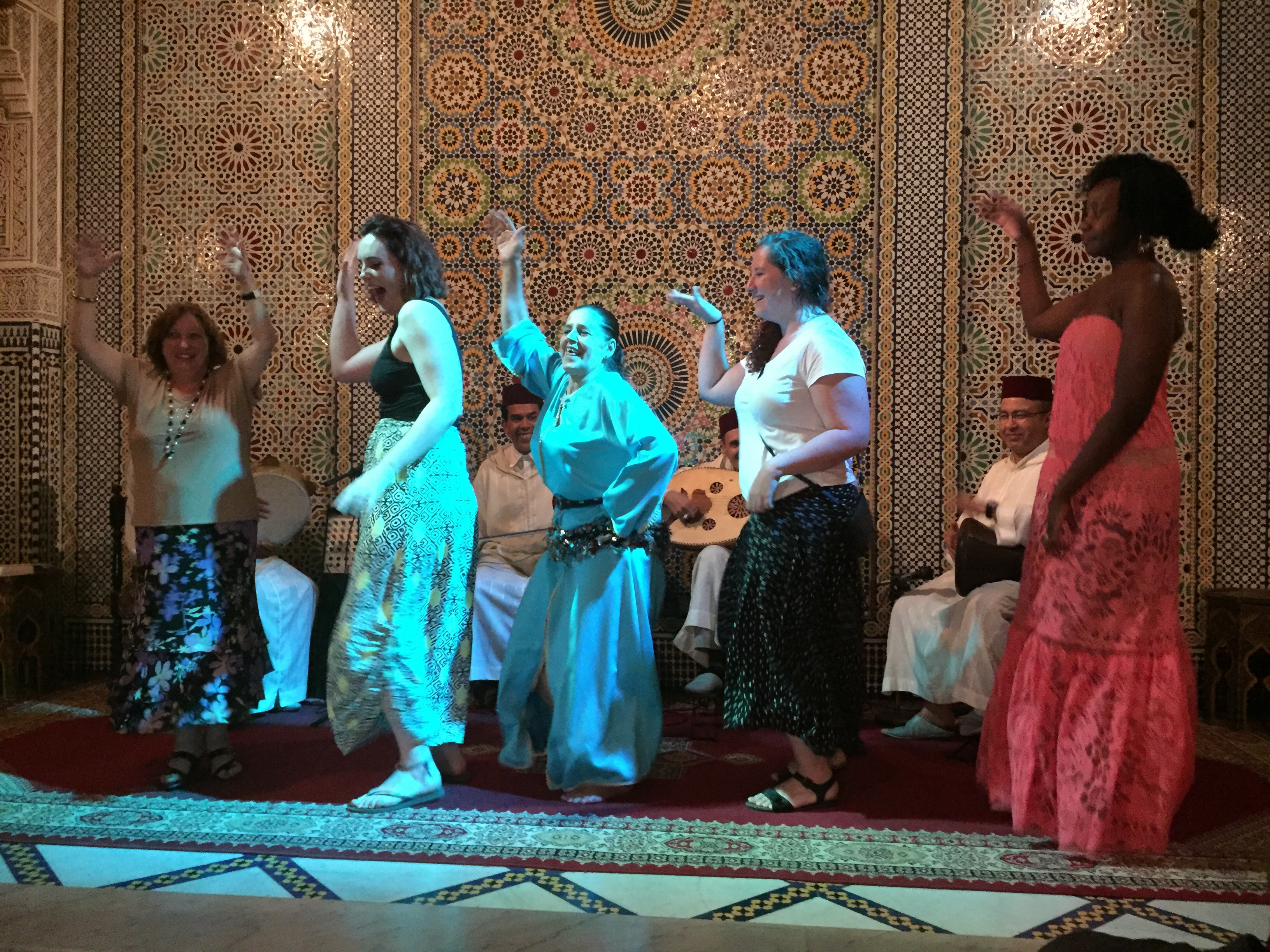
The entertainment itself is quite difficult to describe, mostly because it was quite visual, so I’ll add pictures, but mostly you just had to see a lot of it to believe it! There were belly dancers (both with and without audience involvement), a magician, men playing music with some weird instruments (one of them was a giant pair of scissors), dressing up in traditional clothes, carrying some women in the traditional Moroccan wedding chair (or trying to – one lady couldn’t quite figure out how to sit cross-legged in the middle and as such they couldn’t lift her – horrible/embarrassing) and a bit of unwanted audience participation from the rowdy table behind us! We all had a turn up on stage and it was overall a fabulous night!! It was a jam-packed awesome day. 


I’m Blue Da Ba De Da Ba Di

~ Chefchaouen to Fes ~

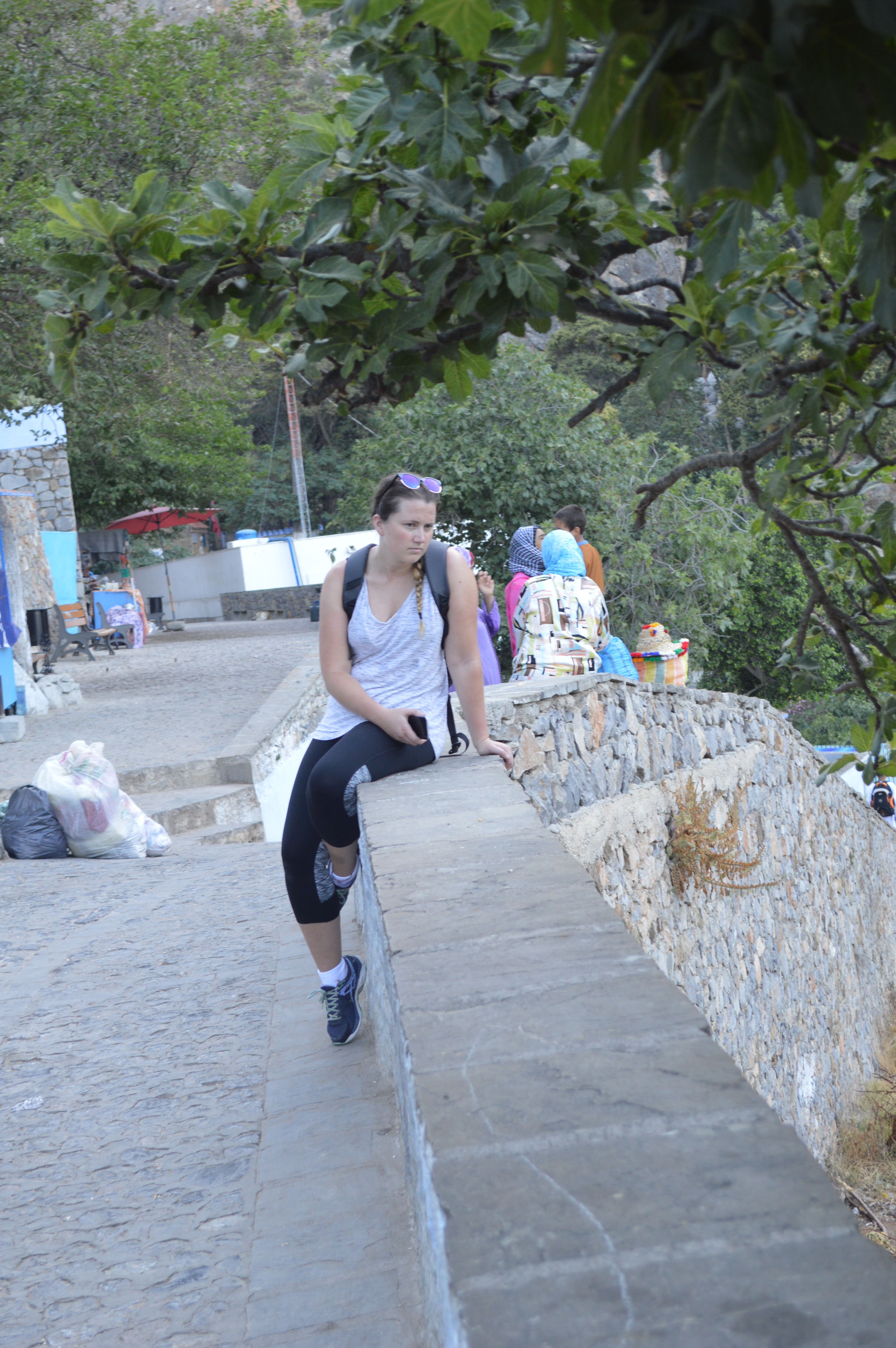
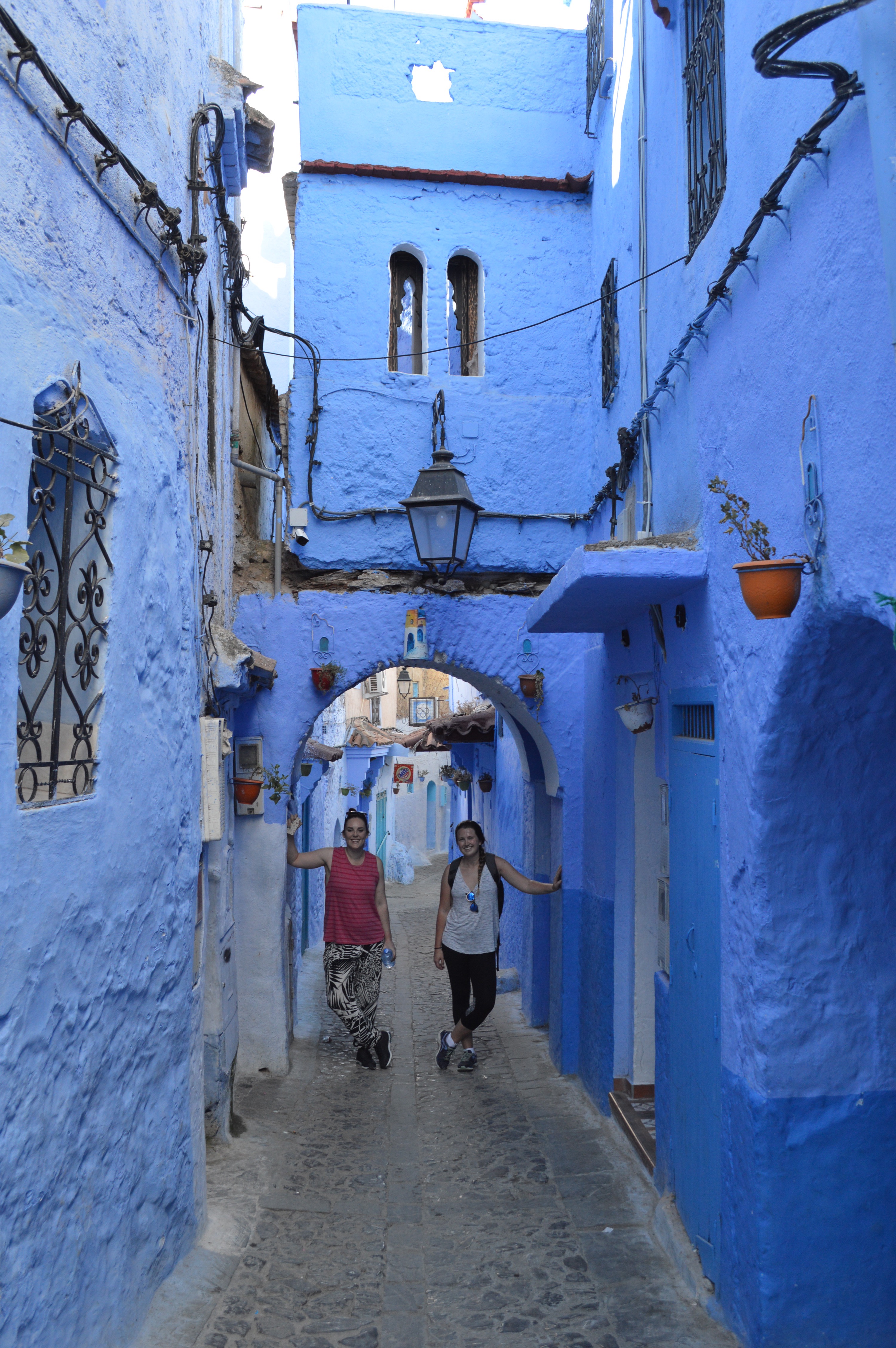
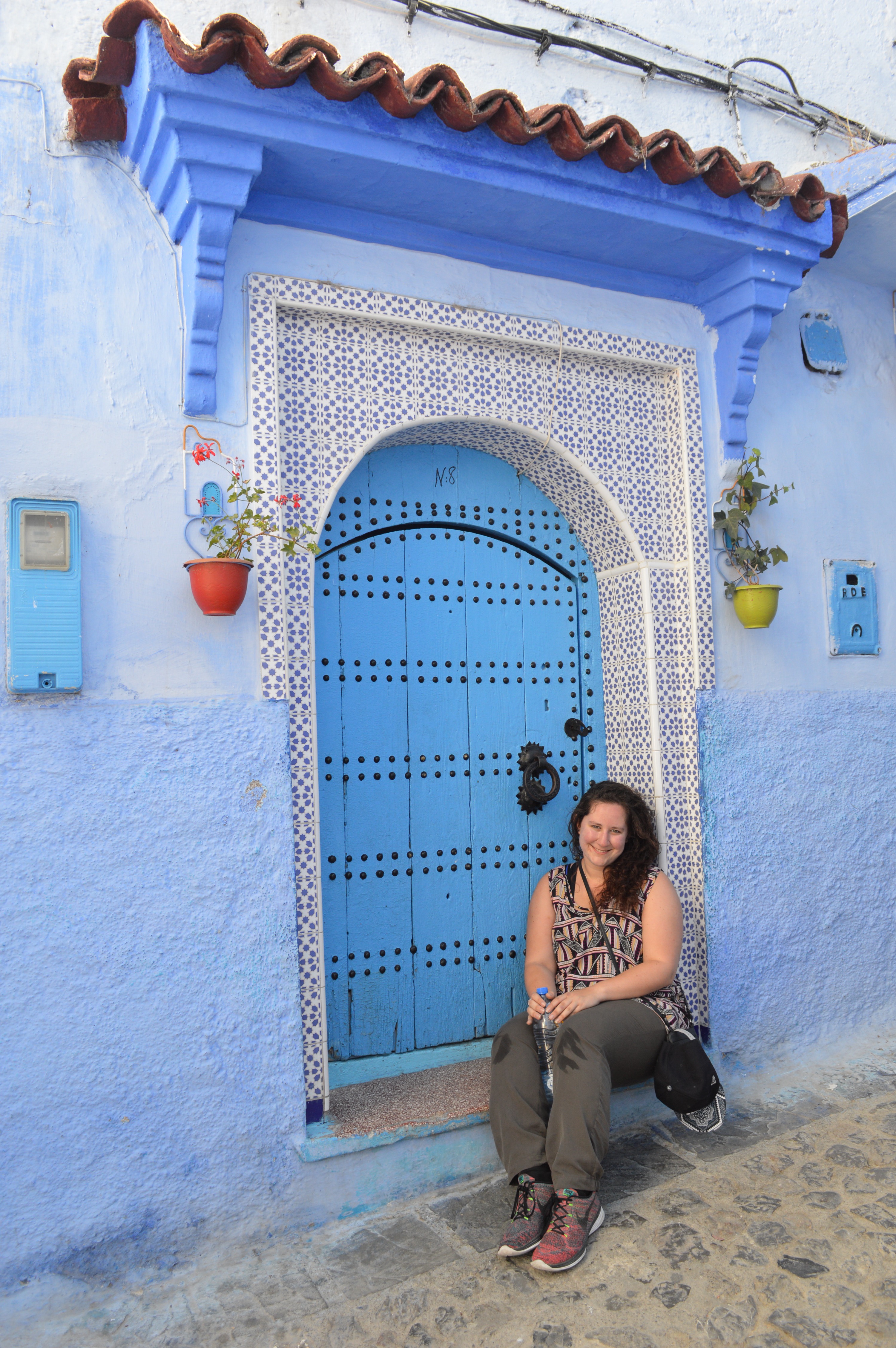
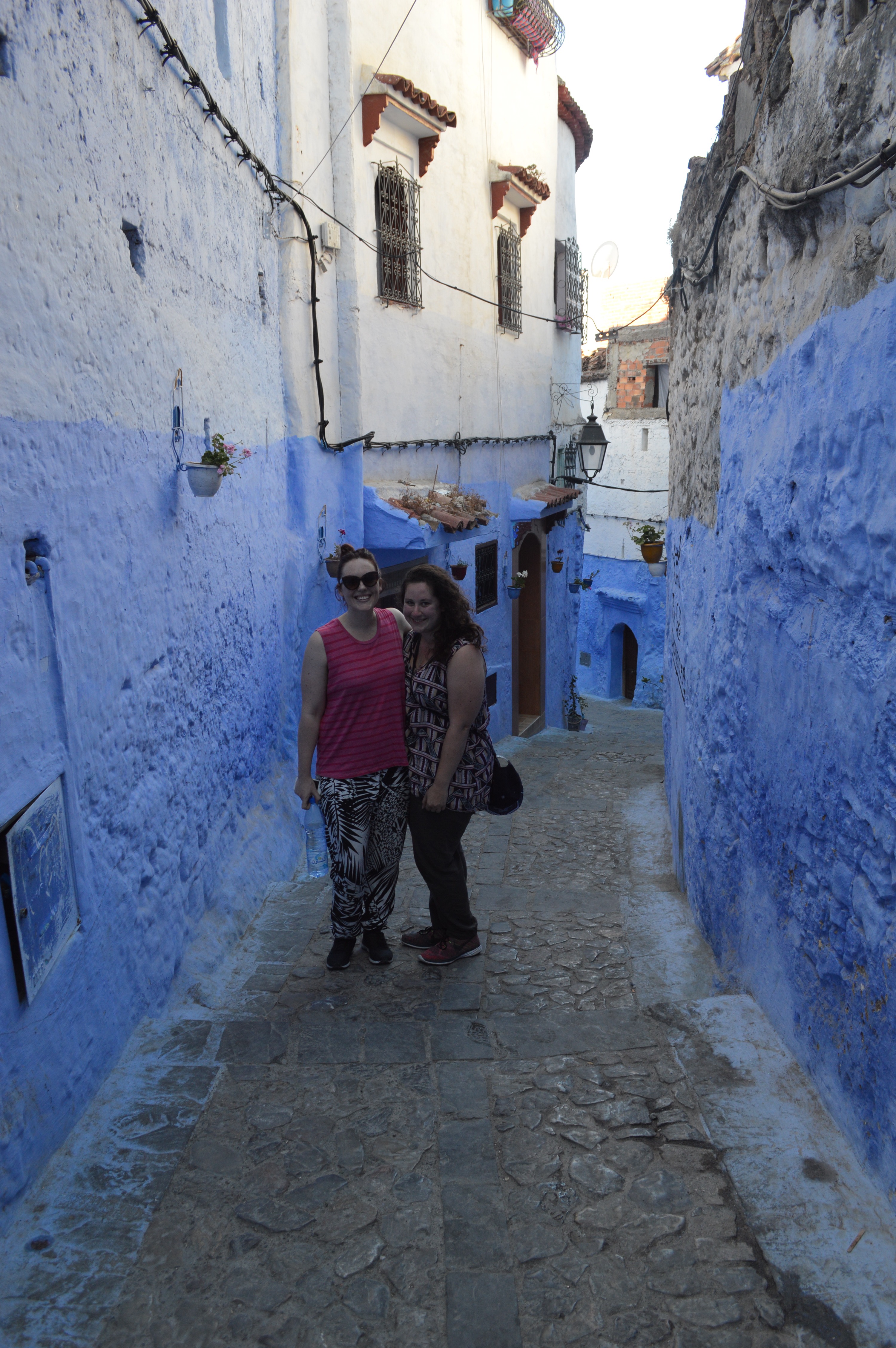
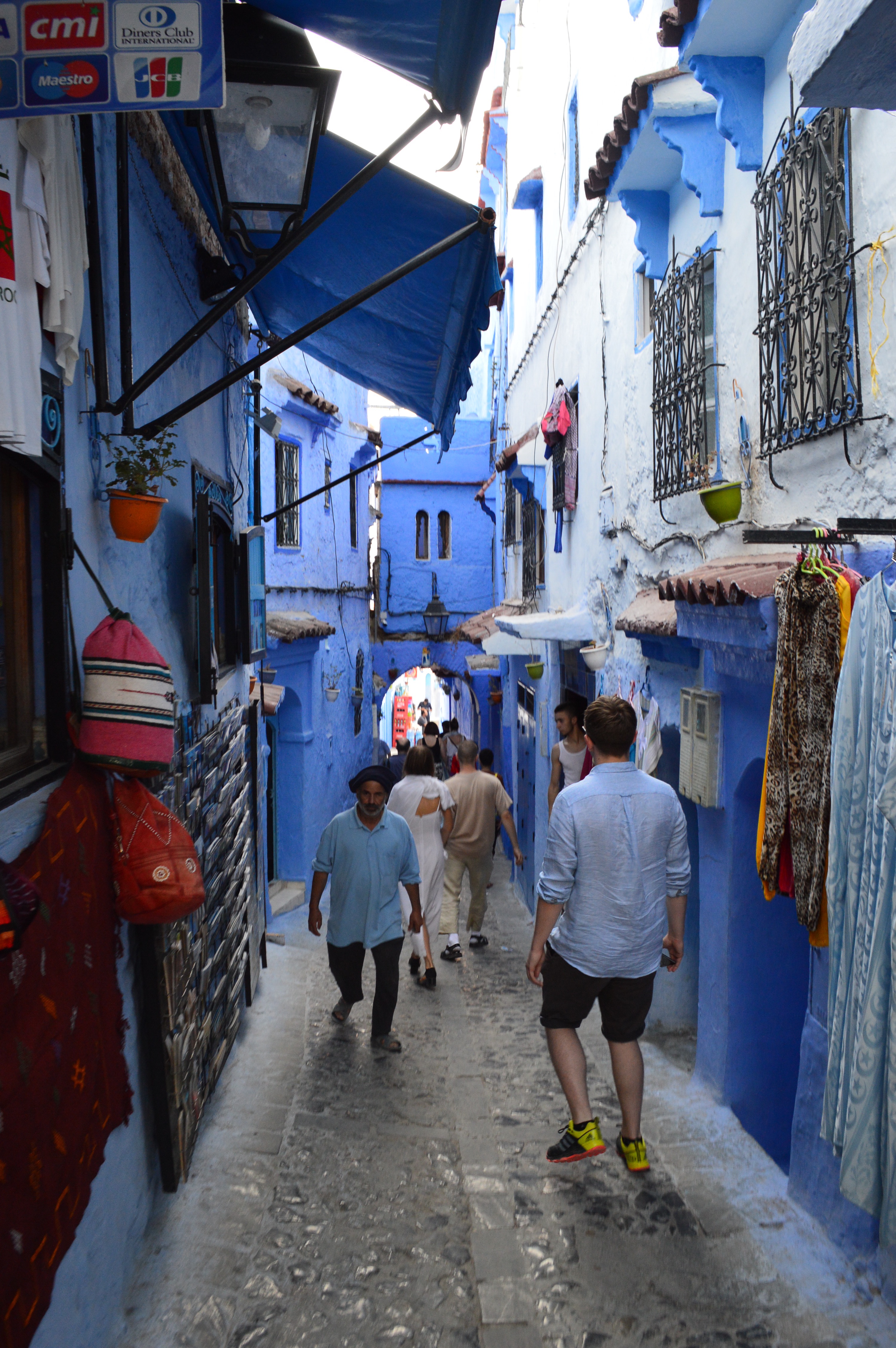
This morning we had free time to explore the beautiful Chefchaouen. We thought it would be in to try to trek up to the small waterfalls that we had head so much about – “The Cascades d’Akchour” consisting of a lower waterfall and a much taller upper waterfall as well as a handful of cascades sharing the same stream as the main waterfalls. Our plan was to go to the lower waterfall, as this was supposed to be about a 3-hour round trip. The bigger falls looked beautiful but that is more like a 6-hour round trip and we didn’t quite have that much time. We were surprised to find very little information online about how to get to the walk/where it started and which track to take (this should have been our first clue that something wasn’t right). Mohamed had pointed out a rough way yesterday, and we found one description that sounded good, so off we went! Once we reached the point where we were no longer sure where to go, we started trying some different paths that seemed to lead up towards the mountains (this should have been our second clue). After trying 3 different paths and getting nowhere we decided it was time to ask someone. We tried asking a few different people for directions and most of them looked very confused despite the fact that we showed them the pictures of the waters falls and the name (this should have been our third clue). Finally we asked this lovely man in French and he looked very concerned! He told us “No, no, you can’t walk there! It’s a 25km car ride to get to the start of the waterfall!!”. Oh dear. That was not what we had planned at all!! We were so confused! 

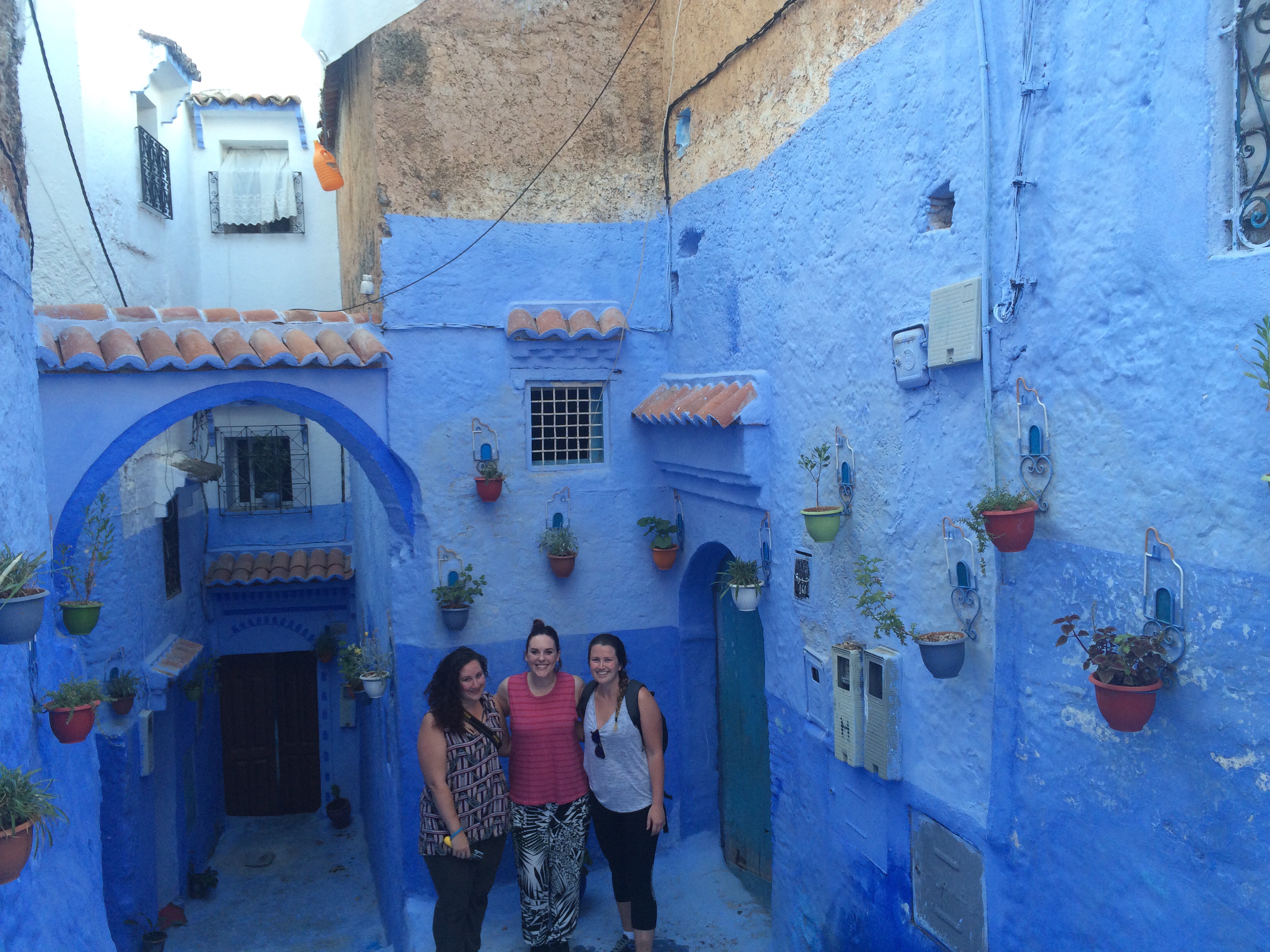
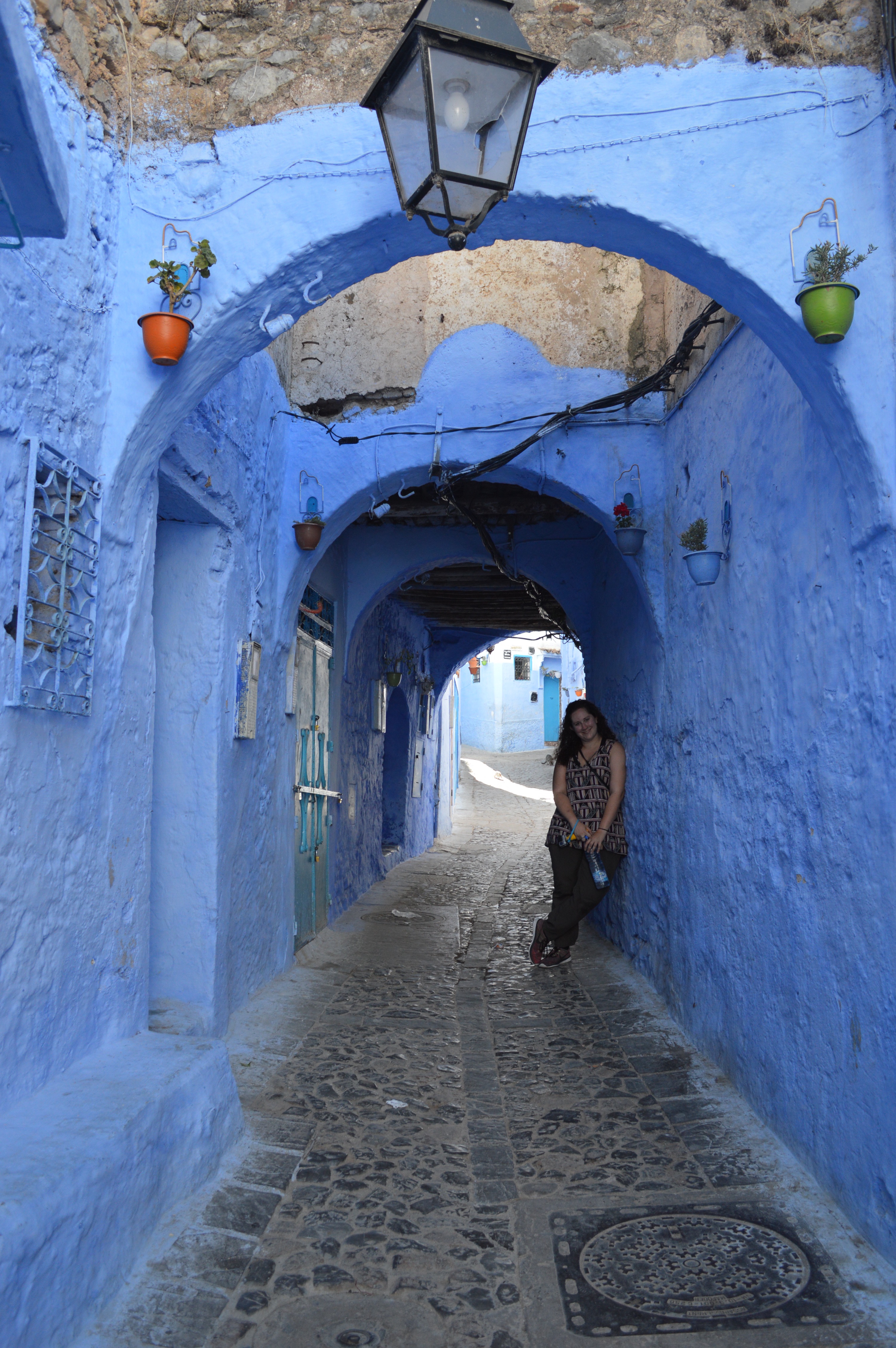
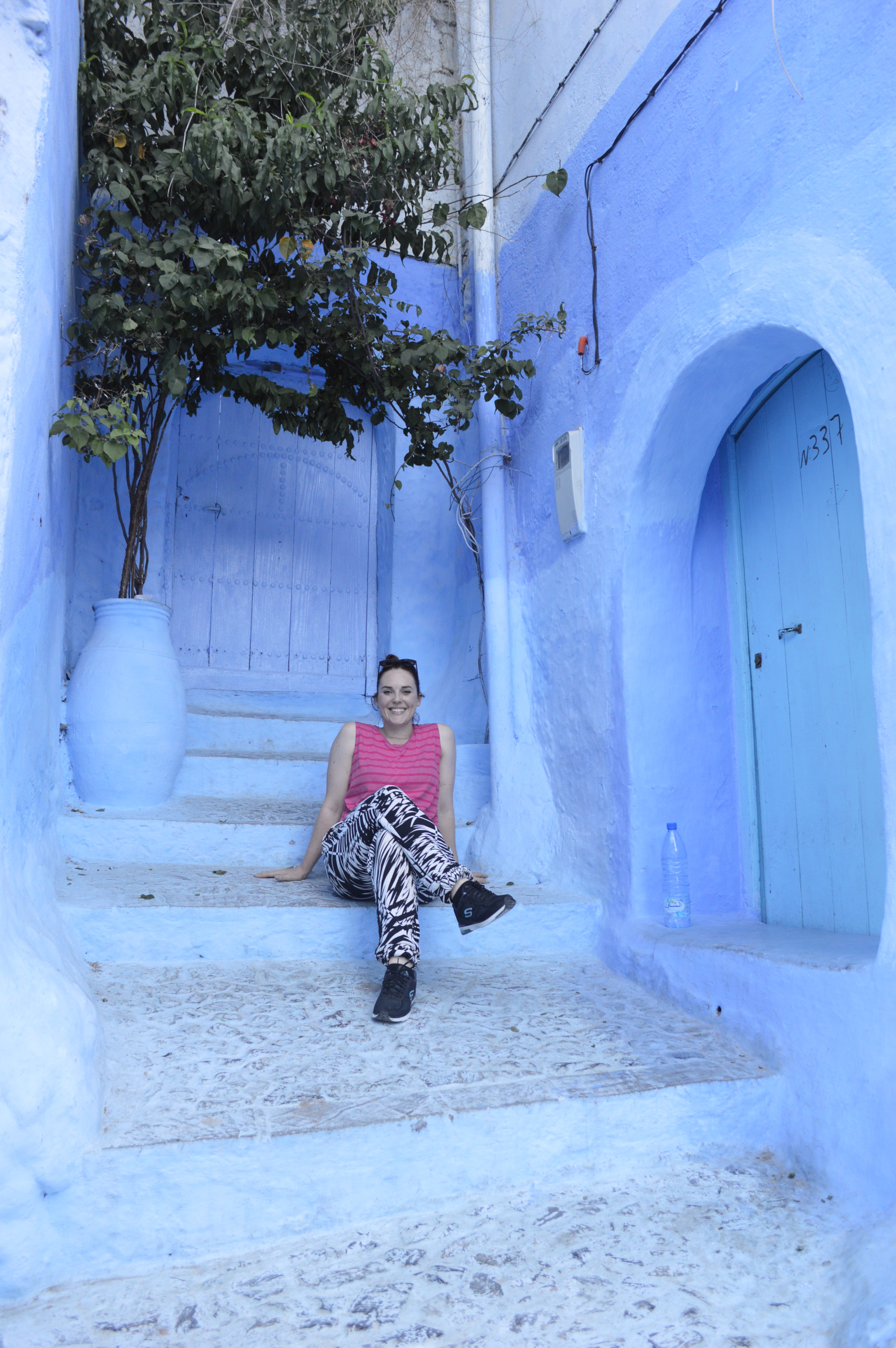
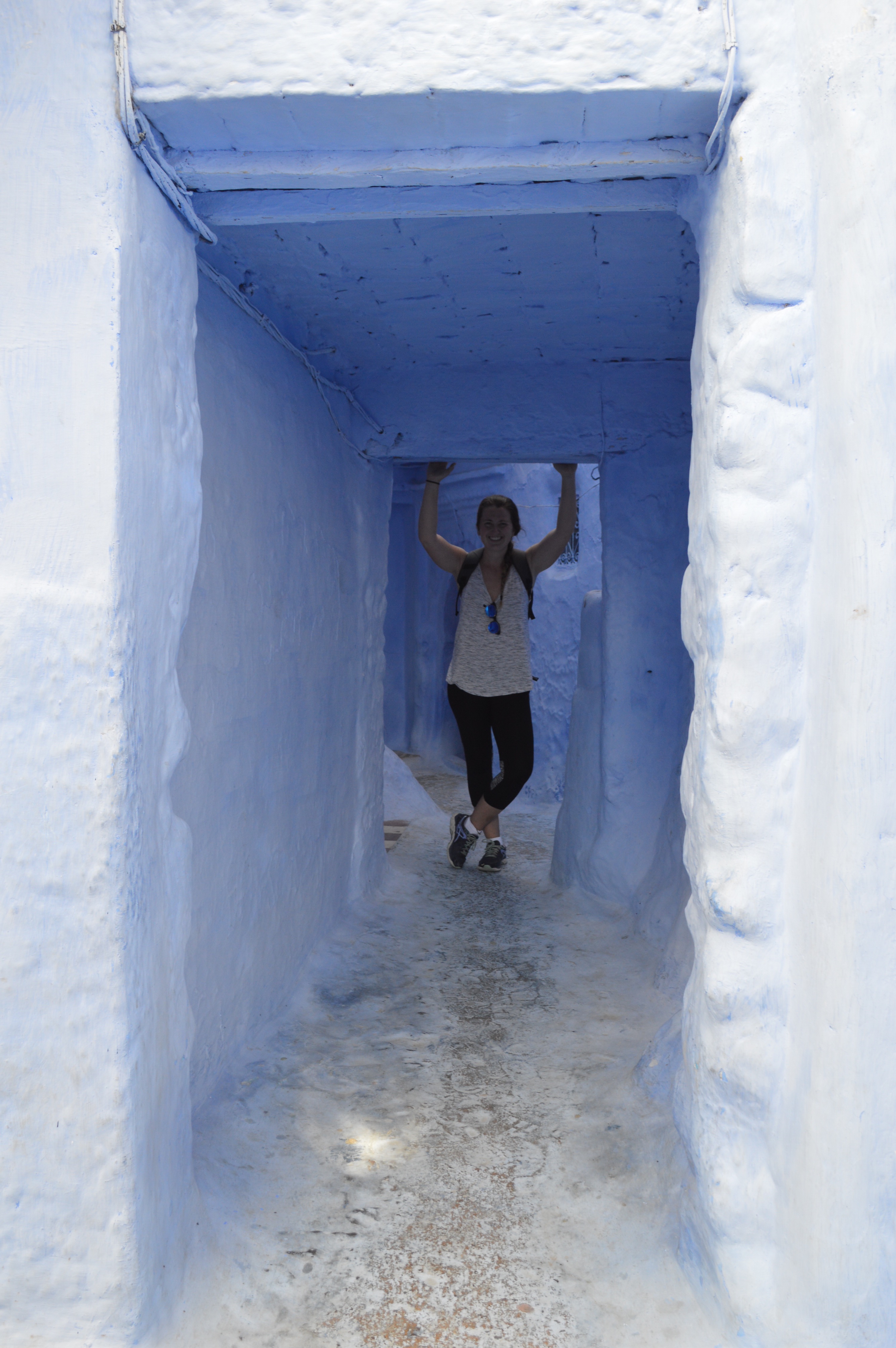
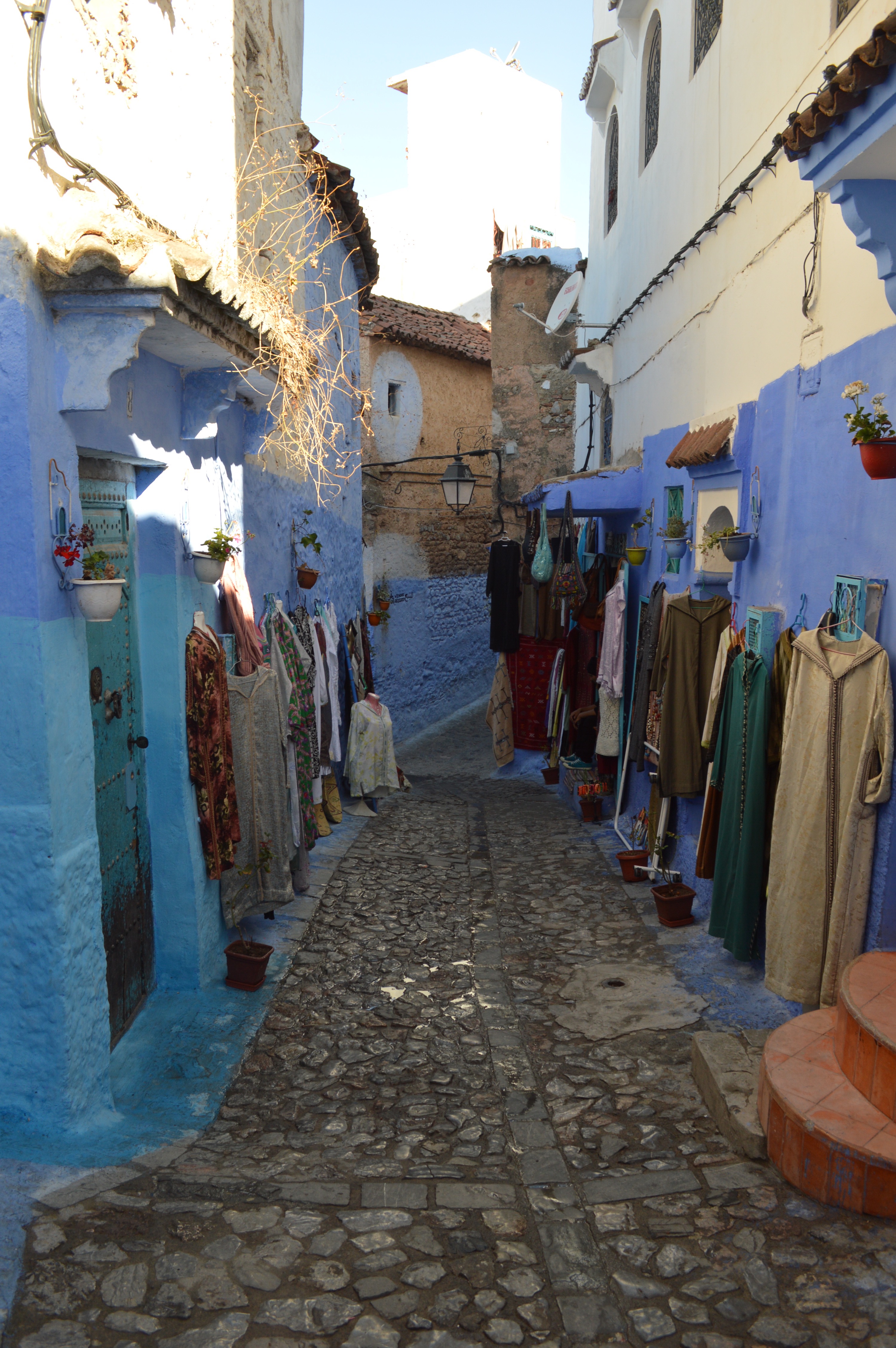
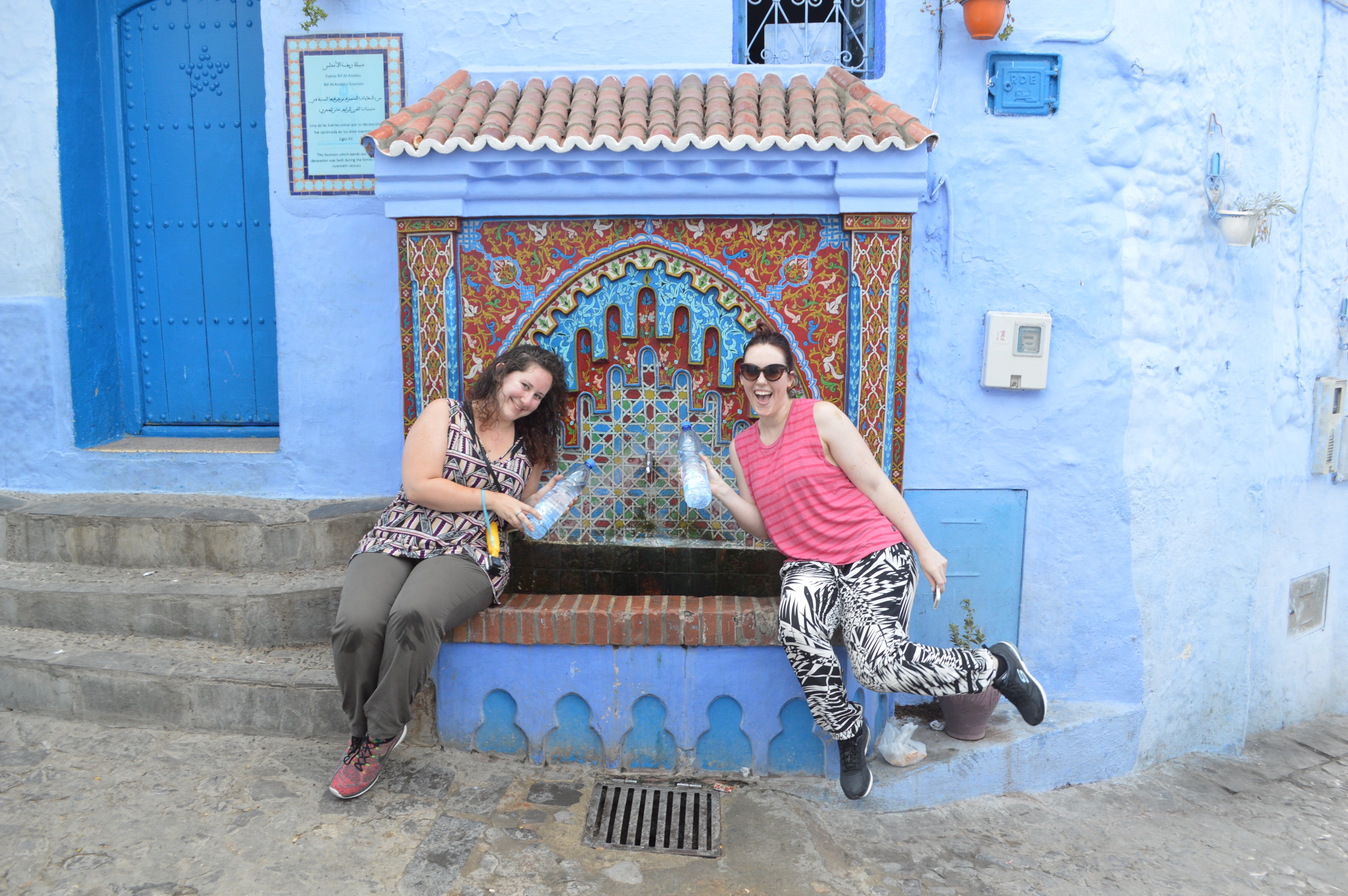
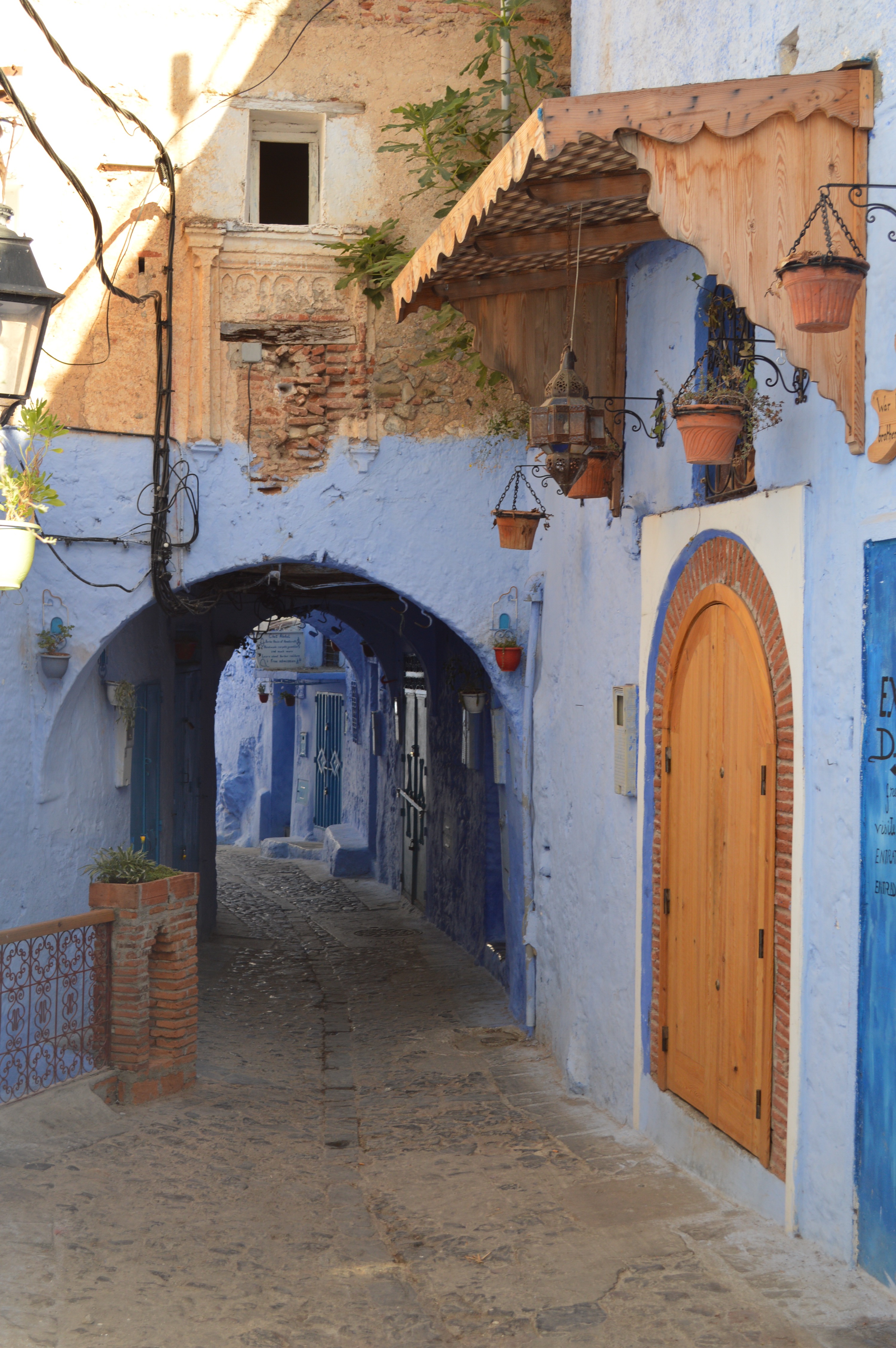
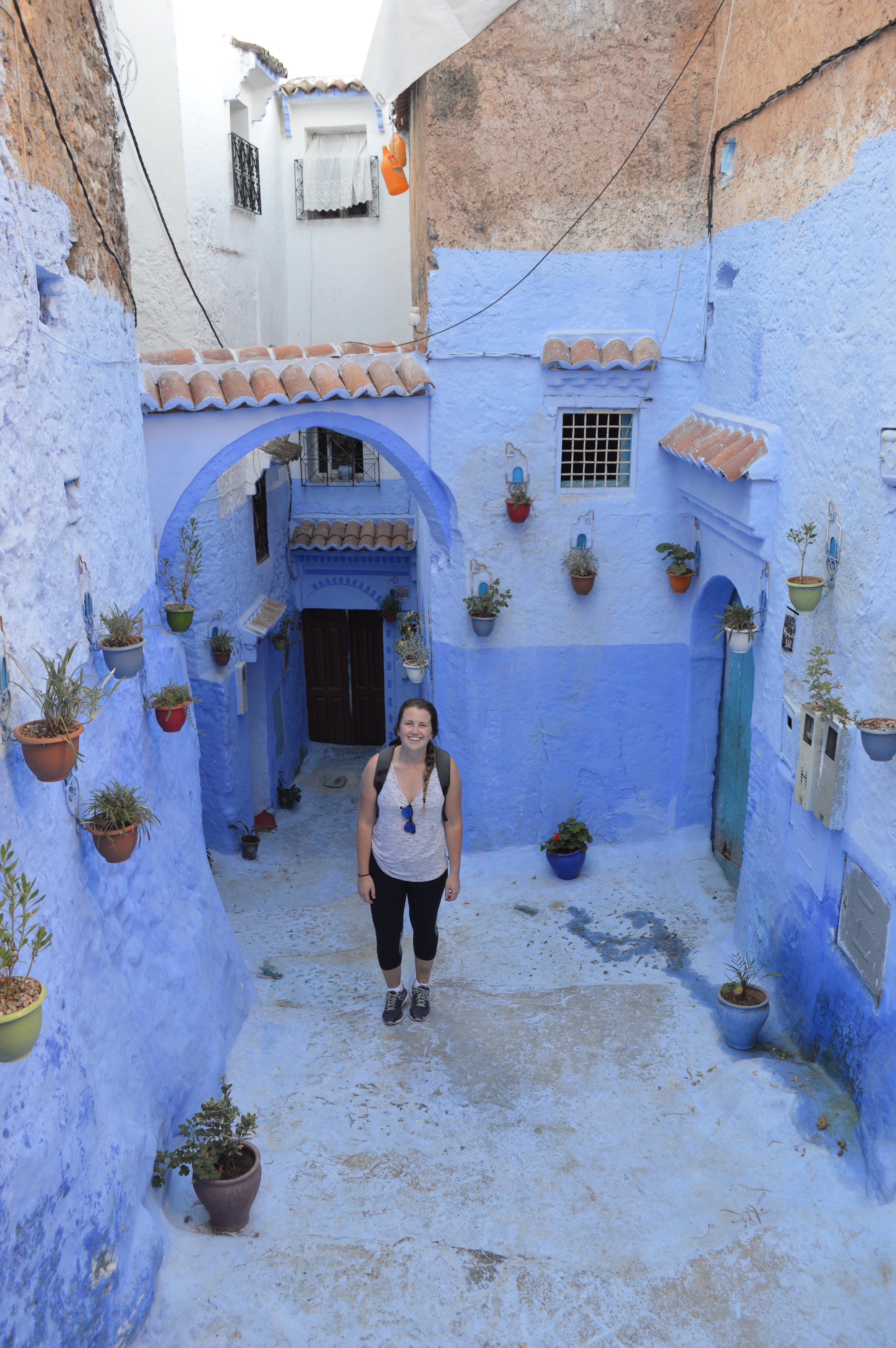
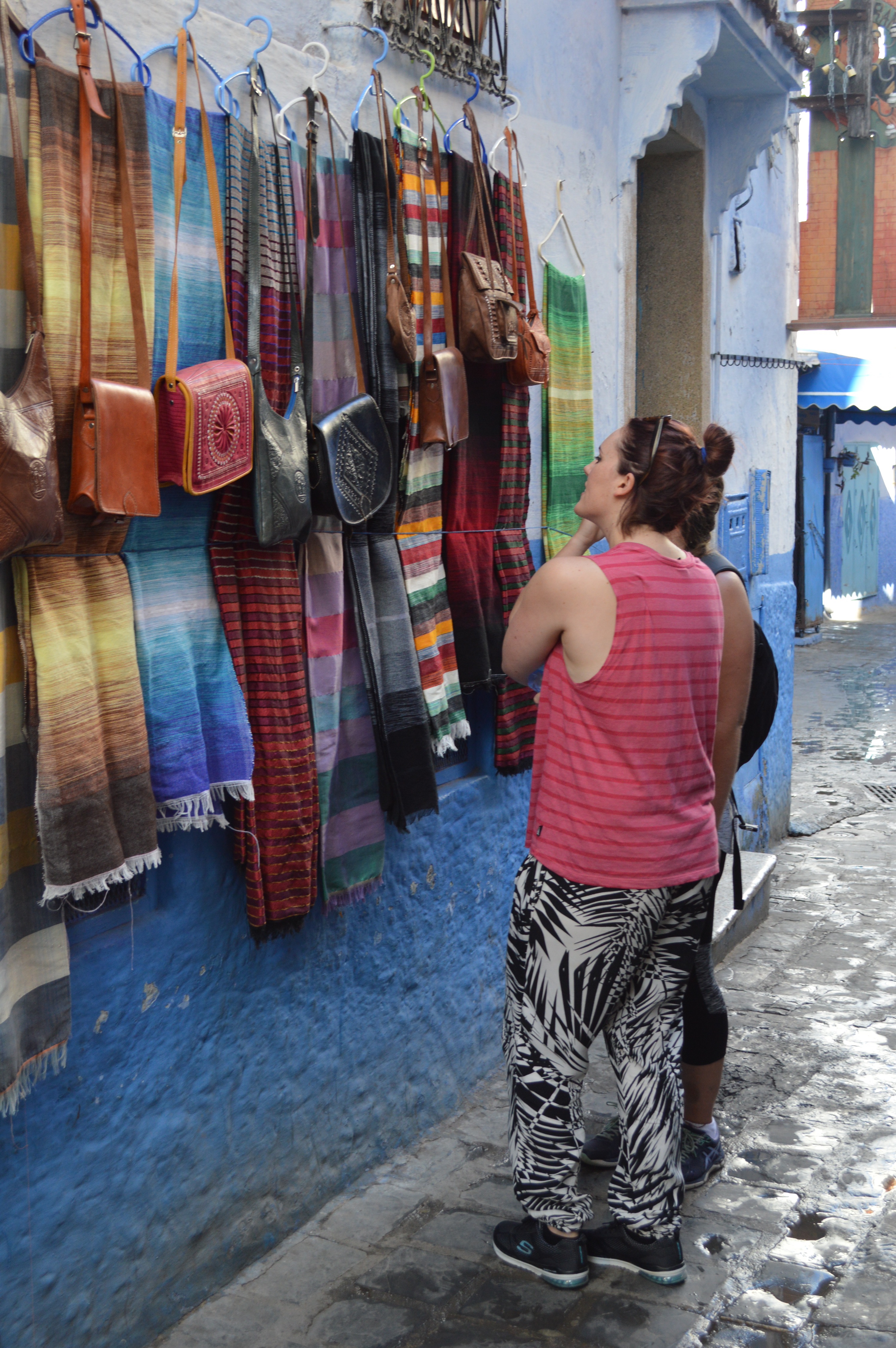
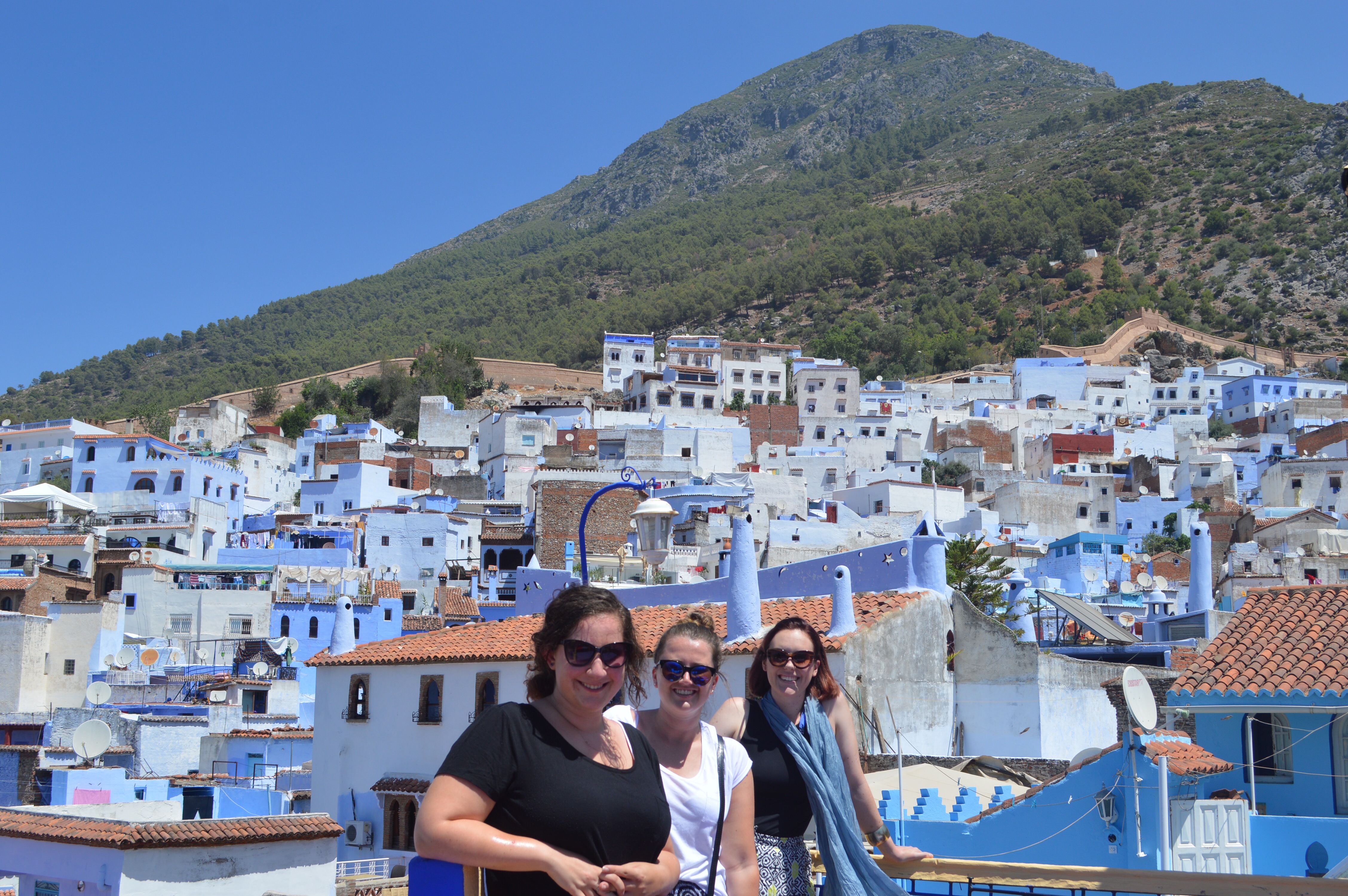
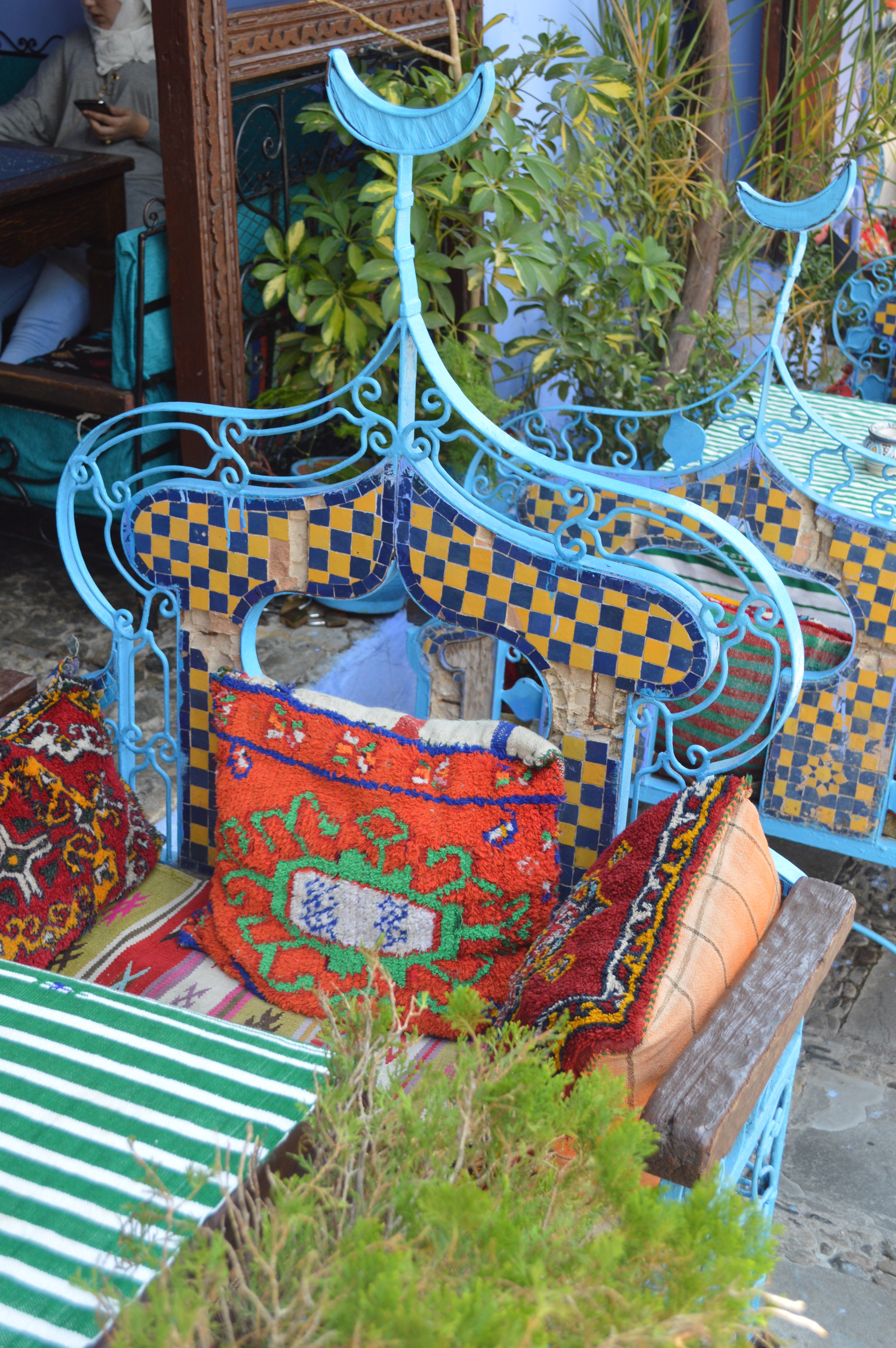
We decided to make use of the quite morning and explore the city to take the typical tourist photos. It was so peaceful exploring this beautiful blue city and all the locals were very friendly! We only got told off once for giggling too loudly! Oops. 


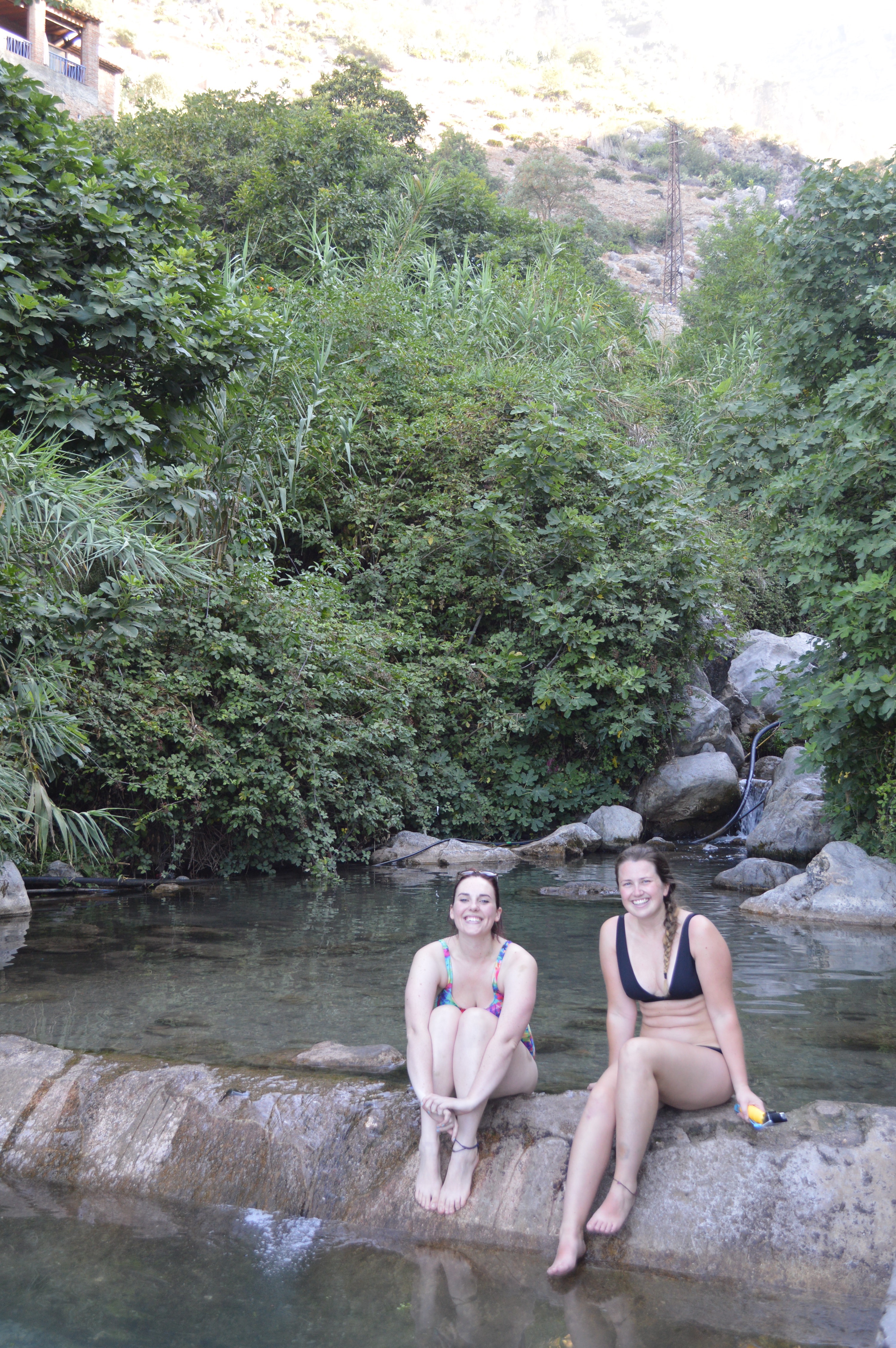
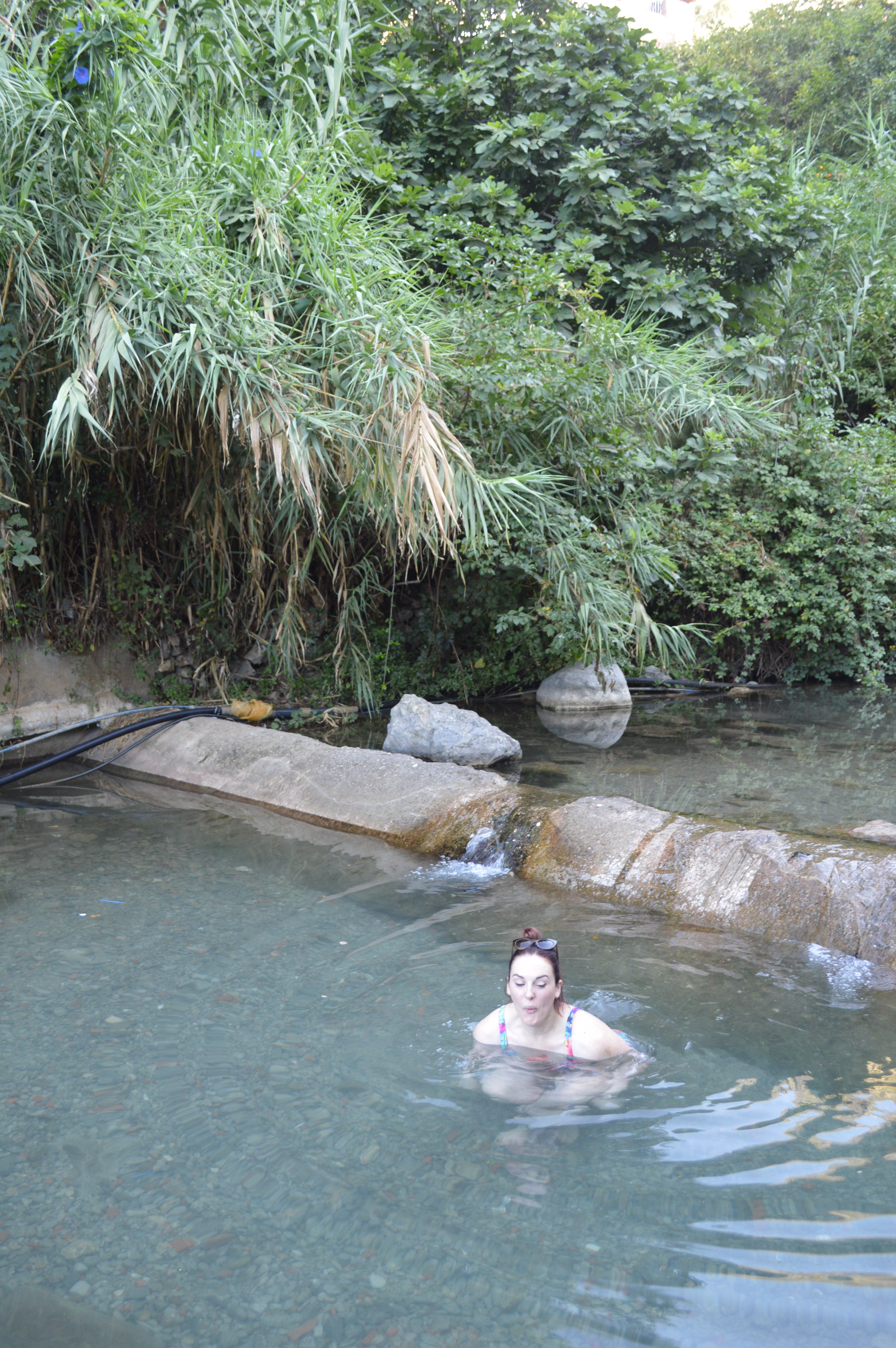
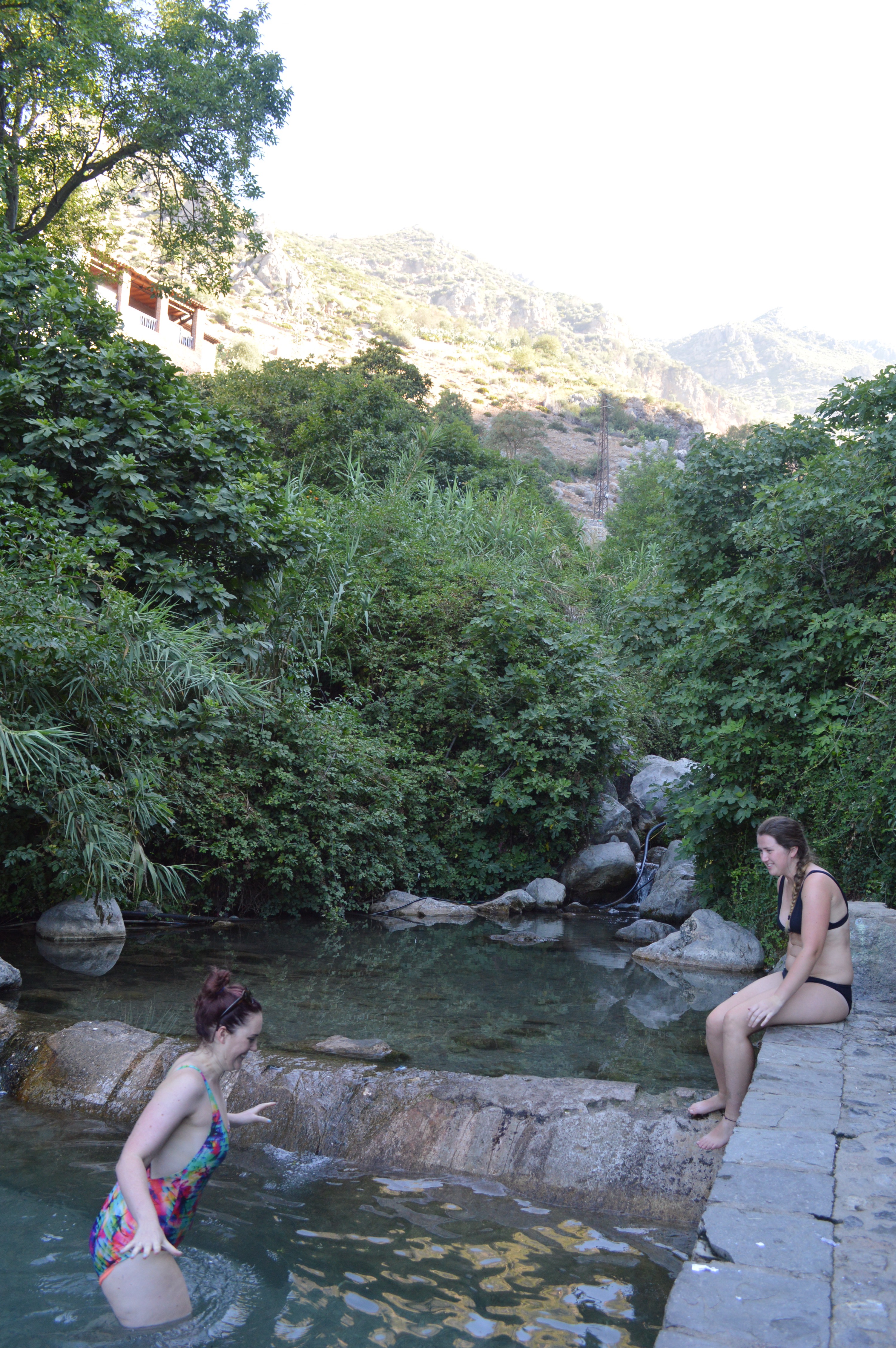
On our way back to the hotel the girls took the opportunity to swim in one of the basins of the smaller waterfalls. The girls described the waters as solidly fresh or chilly respectively and Max did not quite make it all the way into the water! 


We met up with the rest of our tour and headed off for lunch in the main square. We had one destination in mind – Aladdin’s restaurant!! Firstly we went all the way to the rooftop terrace to admire the stunning panoramic views of Chefchaouen. We headed down a few levels to escape some of the sun and heat for our actual meal. Suited to its name, the restaurant had a romantic and enchanting feel, dimly lit with romantic red lights and littered with cushions. The food was delicious and we enjoyed a wide range of Moroccan favourites, from kefta to tajine and couscous and caught up on each other’s morning antics. 

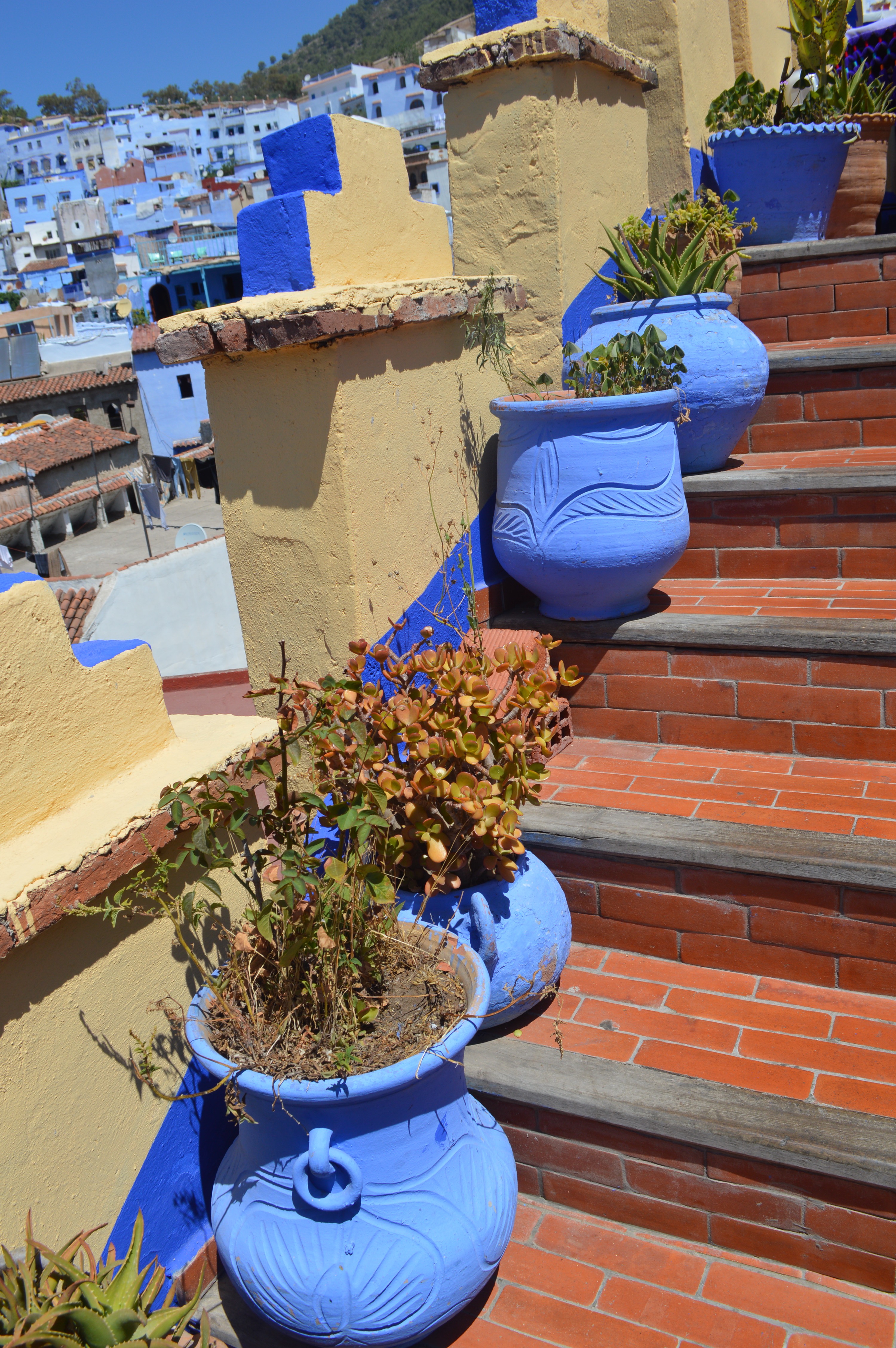
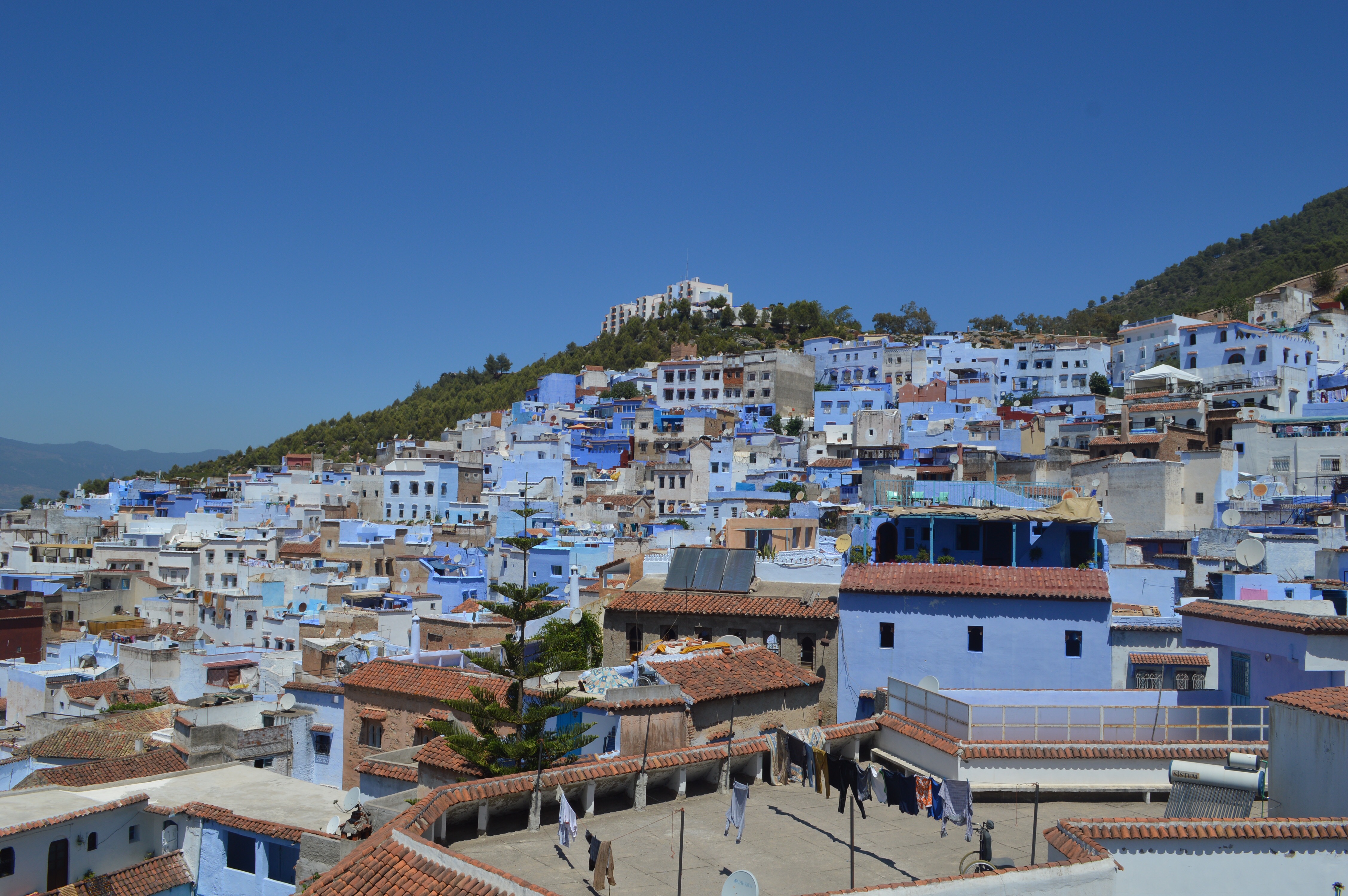
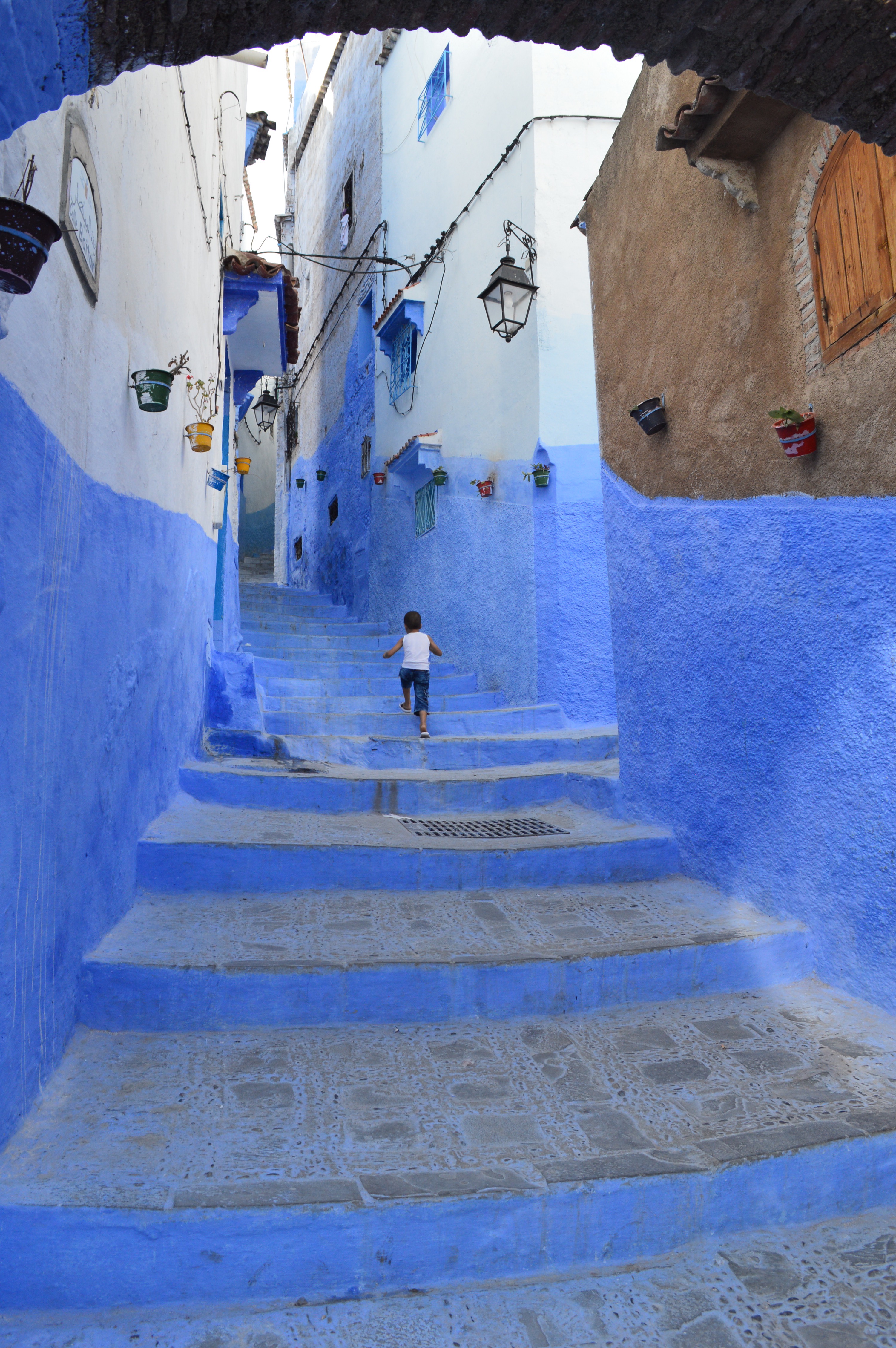
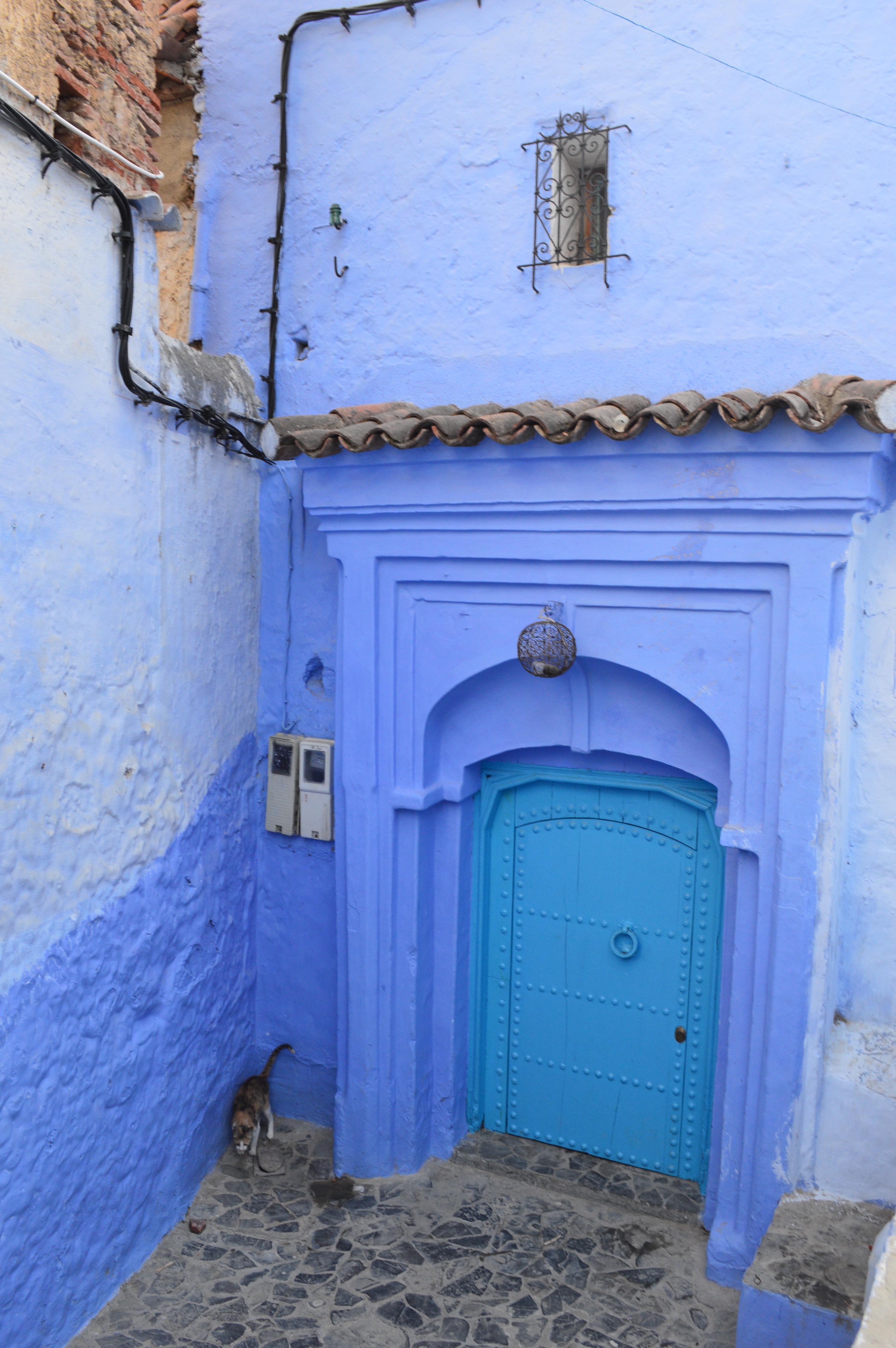
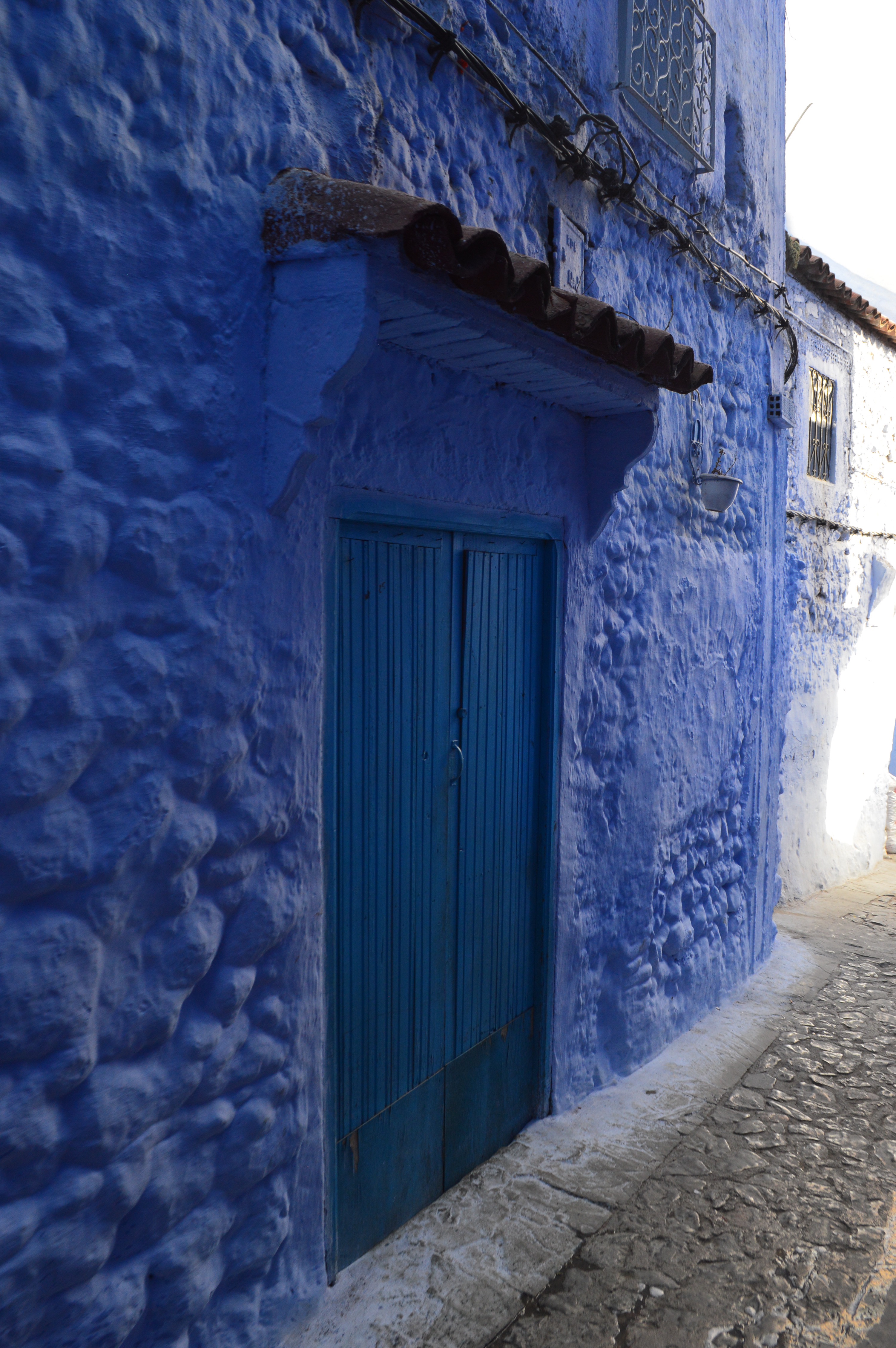
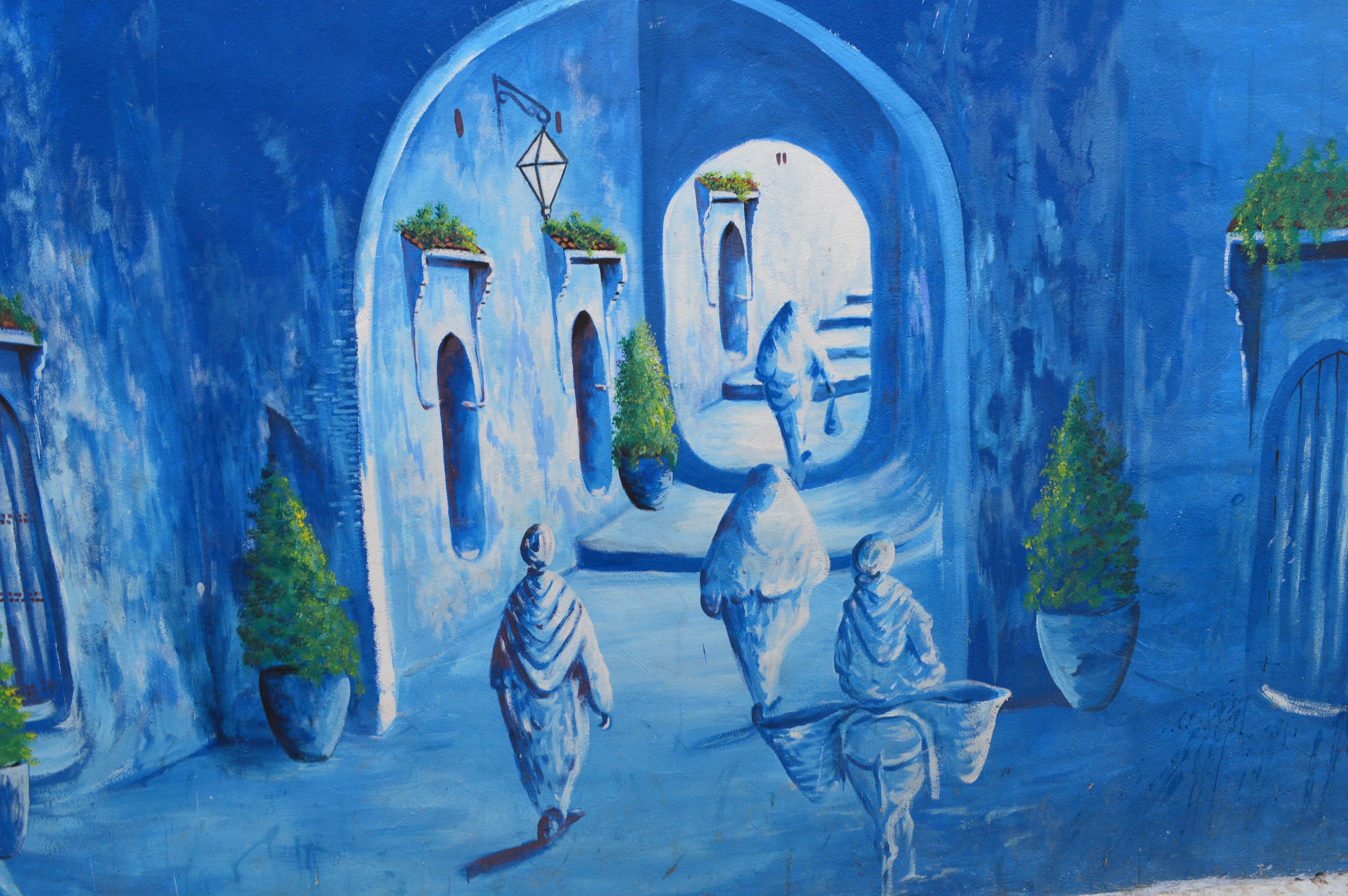
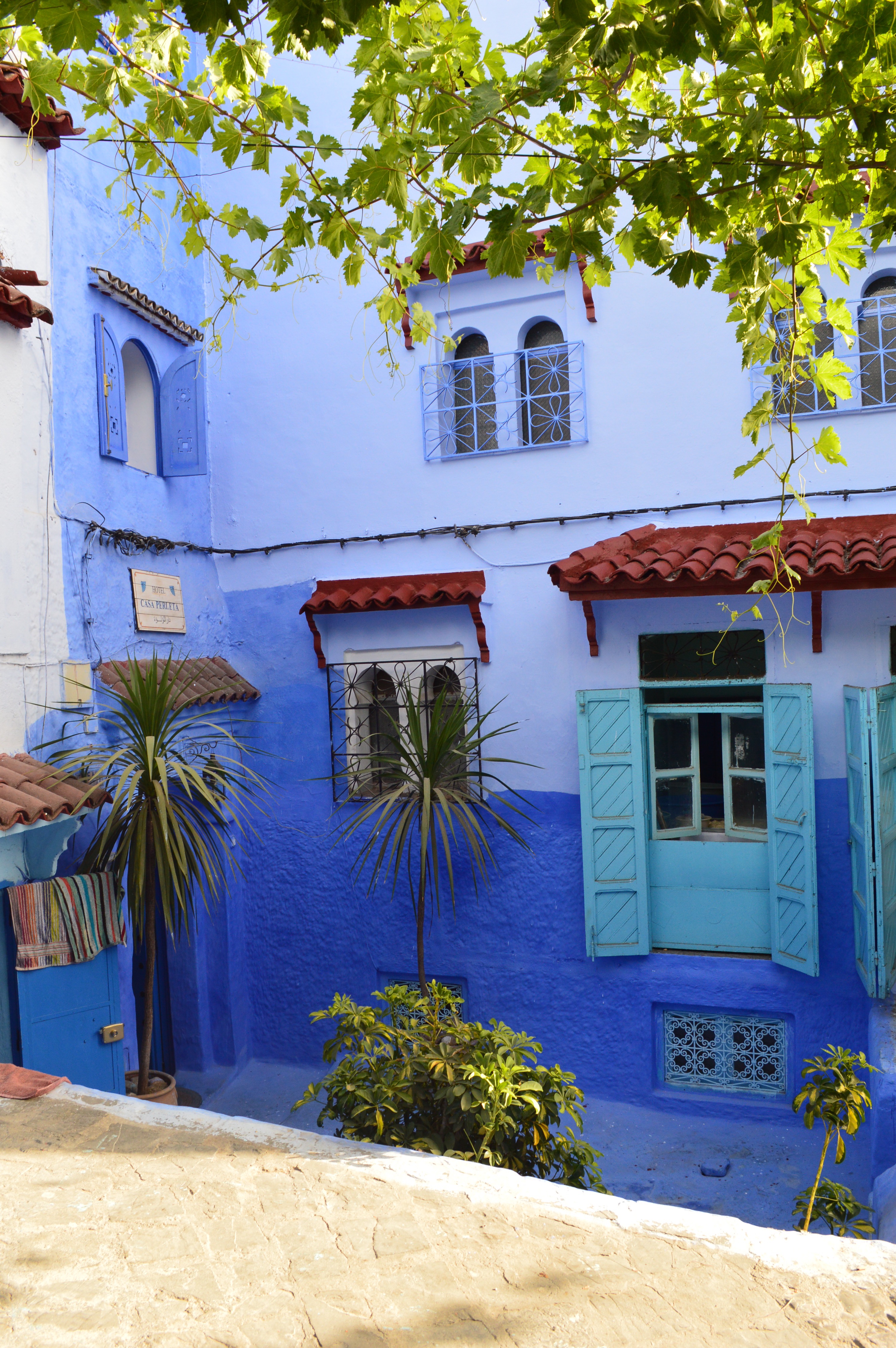
Back at the hotel, we asked Mohamed why the city of Chefchaouen was painted blue. He informed us that the Jewish refugees of the 30’s painted it to cool down the heat of the summer months and also to help repel mosquitos. 


After our lovely morning exploring we headed to the bustling, imperial and ancient city of Fes (3h 16min or 198.4 km). We arrived late in the afternoon and as such decided to leave all of our exploring until tomorrow! However, we were super excited that this hotel had a pool! So we took full advantage of this and decided to jump on in! After lounging around it was time for dinner – we decided to go for a small walk and explore, to see if we could find a restaurant. We walked a few blocks but decided to return to the hotel to eat because we felt a bit uncomfortable as there wasn’t a woman in sight and we had left our scarves at the hotel. Unfortunately the weird hotel worker who had been closely following Max around earlier in the day was also their at night in the restaurant. It is fair to say it was a weird/not super enjoyable dinner, and we had loved our morning so much, so we decided to pack it in, have an early night and start again tomorrow! 
Too hot, hot damn.

~ Meknès to Chefchaouen ~
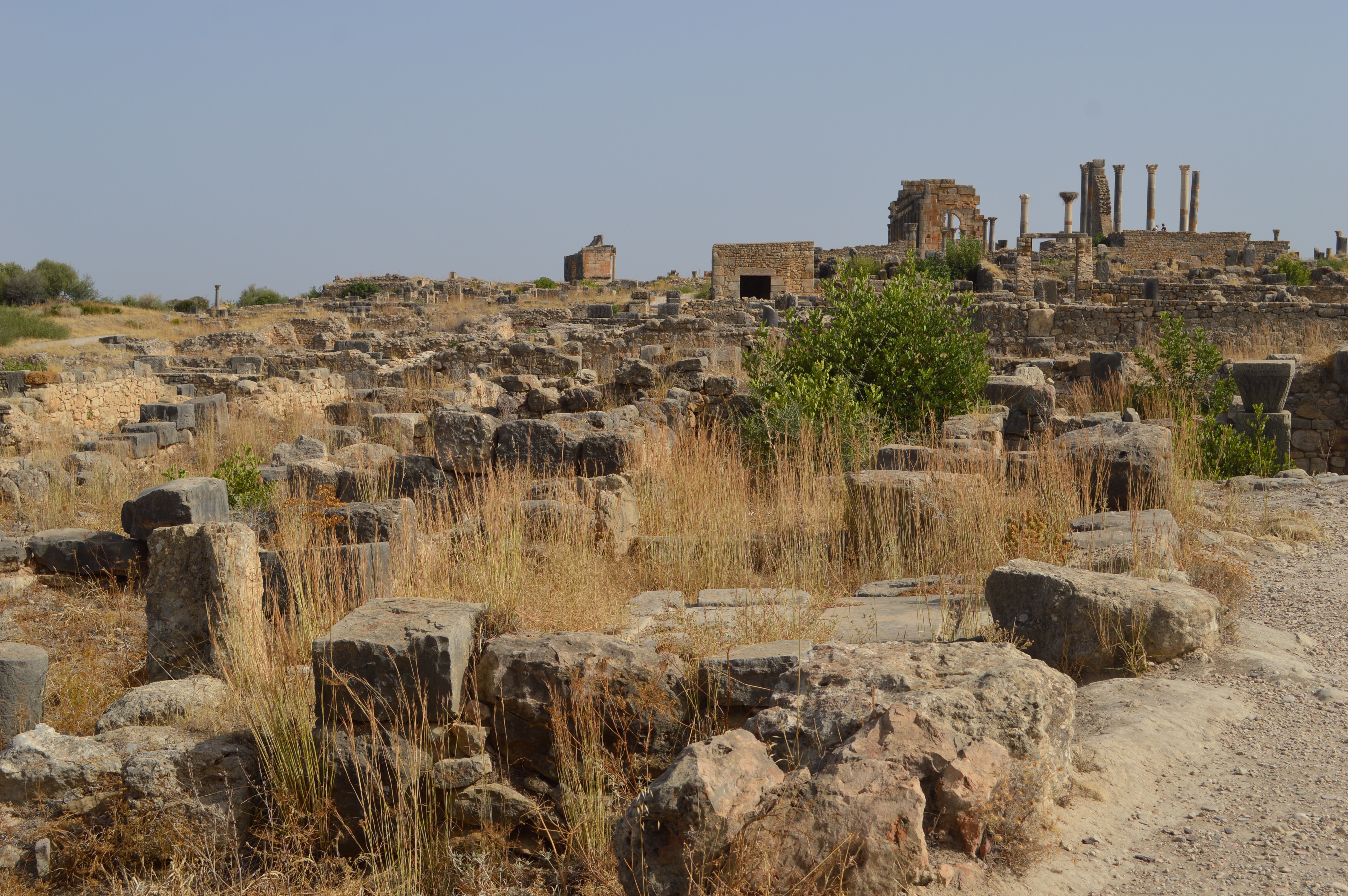
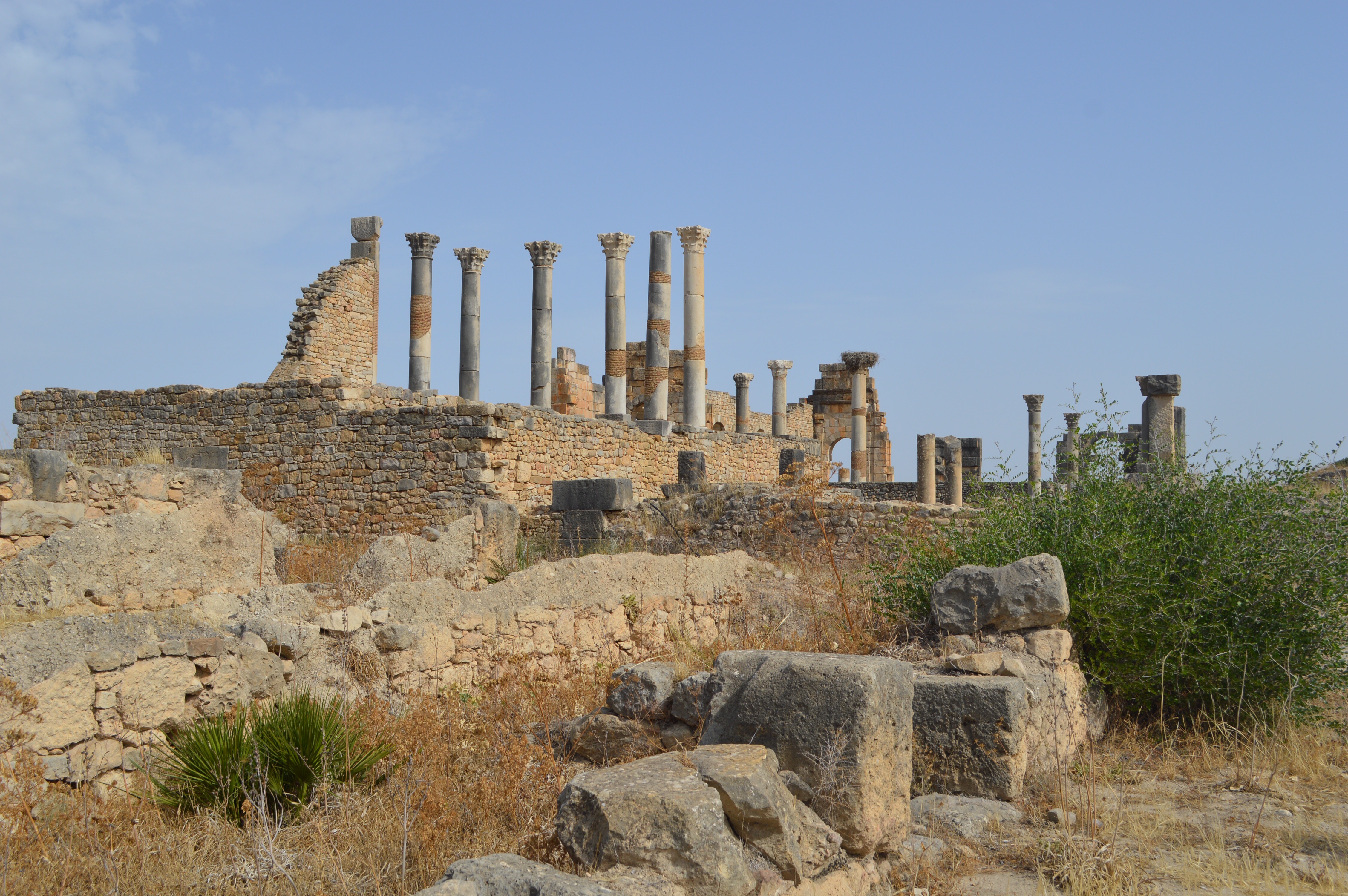
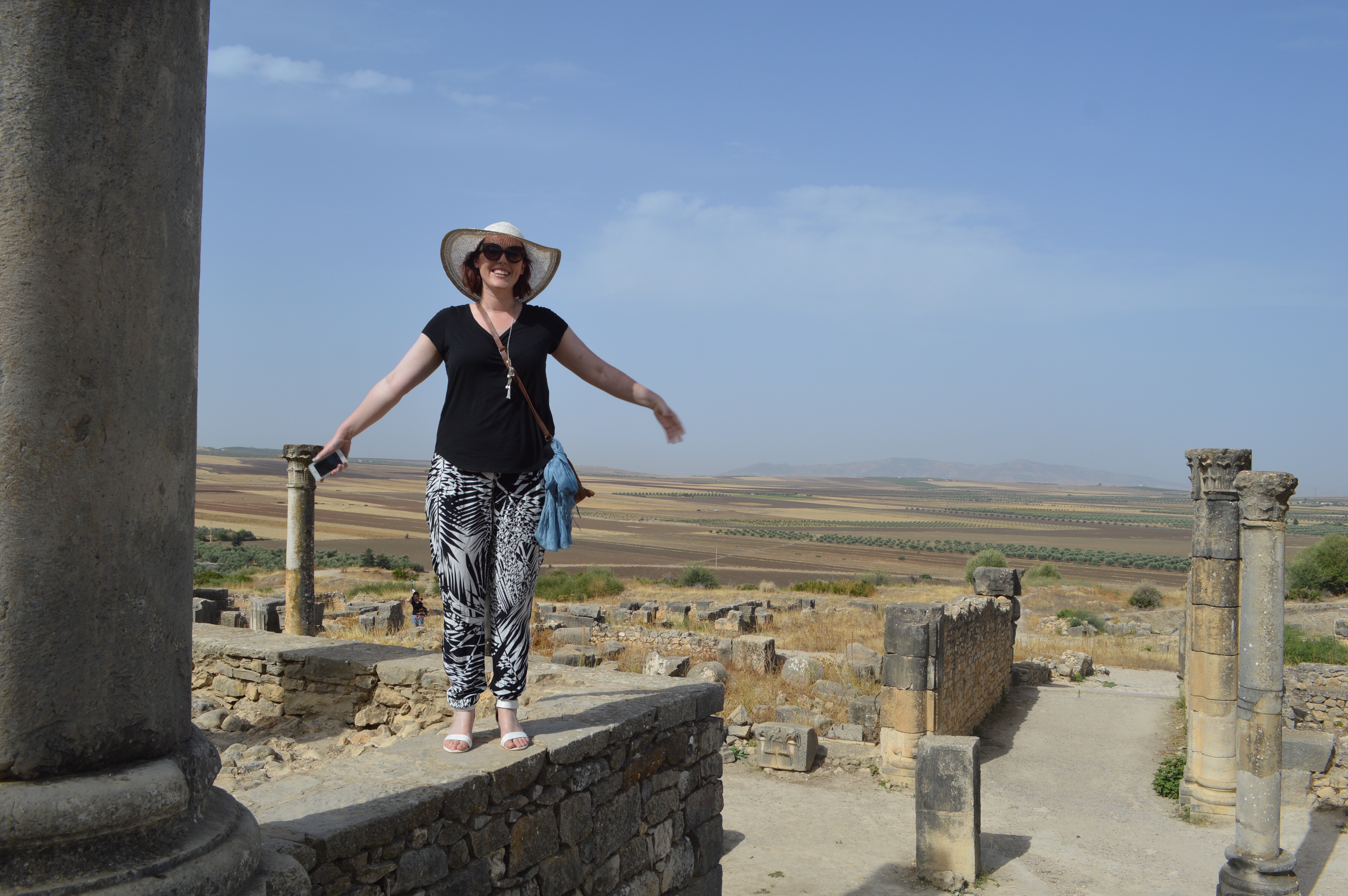
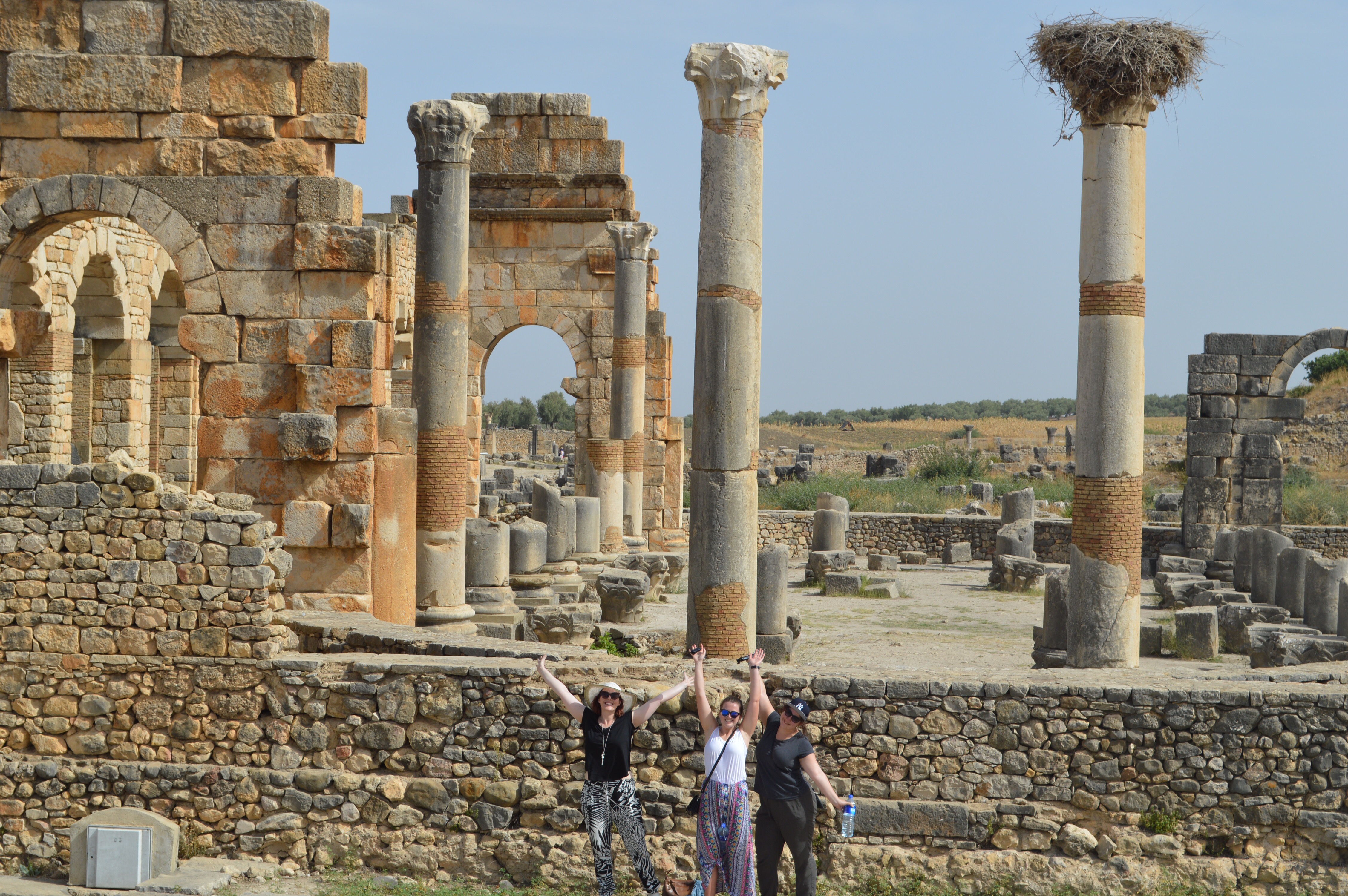
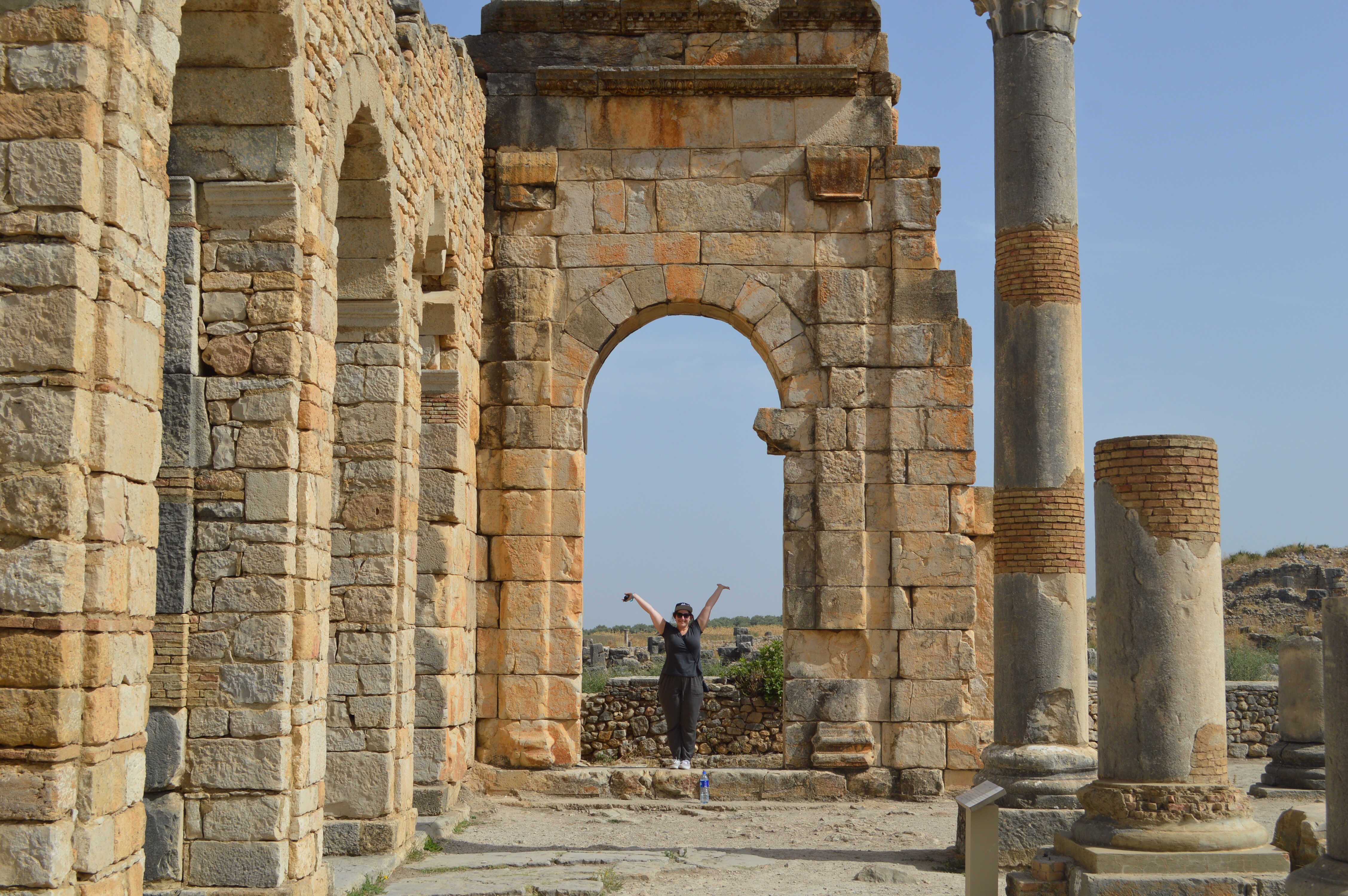
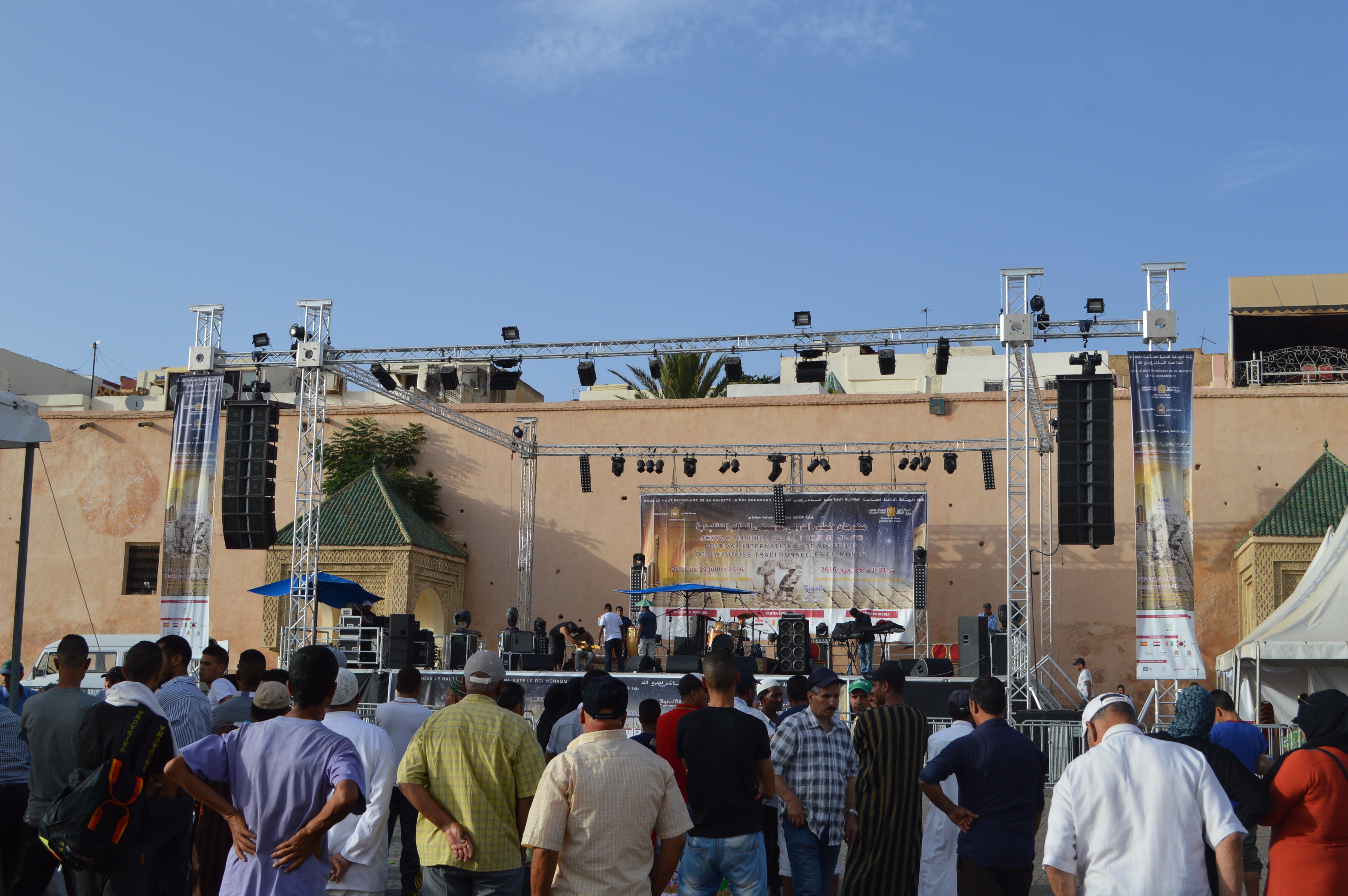
We left Meknès this morning 2h 41min (164.5 km) journey to Chefchaouen. Our first stop was a tour of the Roman ruins at Volubilis, the largest ancient site of Morocco, about 33km north of Meknès. UNESCO-listed in 1997, the site dates back to 40AD and once ruled the entire Roman province of Mauritania. We jumped out of the van and it was already a very hot morning – 40 degrees. We all slip-slop-slapped and headed off with our guide to learn about the site where we had just arrived. We almost had the place to ourselves, with just a donkey grazing among the ruins. We started in the shade of the new Visitor Centre & Museum (displaying Volubilis’ most celebrated finds) and could see some of the excavated ruins from where we stood. Only about half of the 40-hectare site has been excavated. Our guide took as around for about an hour, showing as the main sites and telling us little stories about them (which was ideal as there was little in the way of signposting or information on what you’re actually seeing). 
We saw the remains of the capitol, basilica, 1300-sq-metre forum and Galen’s Baths. Although mostly destroyed, the baths clearly showed the underfloor heating, the aqueducts, the steam room and the communal toilets – where citizens could go about their business and have a chat at the same time. An impressive centerpiece was the marble Triumphal Arch was built in 217 in honour of Emperor Caracalla and his mother. The arch, which was originally topped with a bronze chariot, was reconstructed in the 1930s, and the mistakes made then were rectified in the 1960s. 
Perhaps the most amazing features were the many beautiful mosaics preserved in situ. Some of our favorites were:

  • The House of Orpheus is the finest and largest home, containing a mosaic of Orpheus charming animals by playing the lute, and a dolphin mosaic in the dining room.
  • The House of the Labours of Hercules – recounting the Twelve Labours. Several of Hercules’ heroic feats were reputed to have occurred in Morocco, making him a popular figure at the time. 
  • The House of Venus with two particularly fine mosaics, appropriately with semi-romantic themes. The first is the Abduction of Hylas by the Nymphs , an erotic composition showing Hercules’ lover Hylas being lured away from his duty by two beautiful nymphs. The second mosaic is Diana Bathing. The goddess was glimpsed in her bath by the hunter Acteon, whom she turned into a stag as punishment.

It was such a magical place to wander through. Walking through the site, it was not hard to imagine the hustle and bustling city Volubilis once was. 


When we jumped back on the bus we were so thankful for the amazing aircon (it had now reached 47 degrees) that we decided to name our van. The van was quickly becoming our most treasured part of Morocco so we felt it had to have a name! We landed on Stan, Stan the Van. We continued on our journey, stopping for lunch at a restaurant in the middle of nowhere. Mohammed told us no one really stops there except for people like us – on their way to Chefchaouen. We sat down to enjoy our lunch, when Sideshow Bob walked in! Well not the “real” Simpsons character, but the Moroccan version! It might sound weird but he really did look like Sideshow Bob in person!! Along with him came another tour group. Mohamed and Sideshow Bob started to catch up and chat animatedly when all of a sudden we heard a commotion coming in through the door. The palest man I have ever seen (he turned more grey throughout this process) was being practically dragged through the door by two men and was followed by multiple frantic people. He looked awful! Mohamed quickly told us that he had seen this before – extreme dehydration – and went to help. Max and Rosh went to grab some pillows to elevate his legs as he was laid down on the cold tiles and people tried to give him water (to little effect at this point). The whole event continued on for a while as most of us tried to stay out of the way. It was terrible to see what dehydration can do to you so quickly! Poor chap was in the toilet vomiting when we finally left to get back on the road. Let’s just say we all certainly increased our water intake after that. 
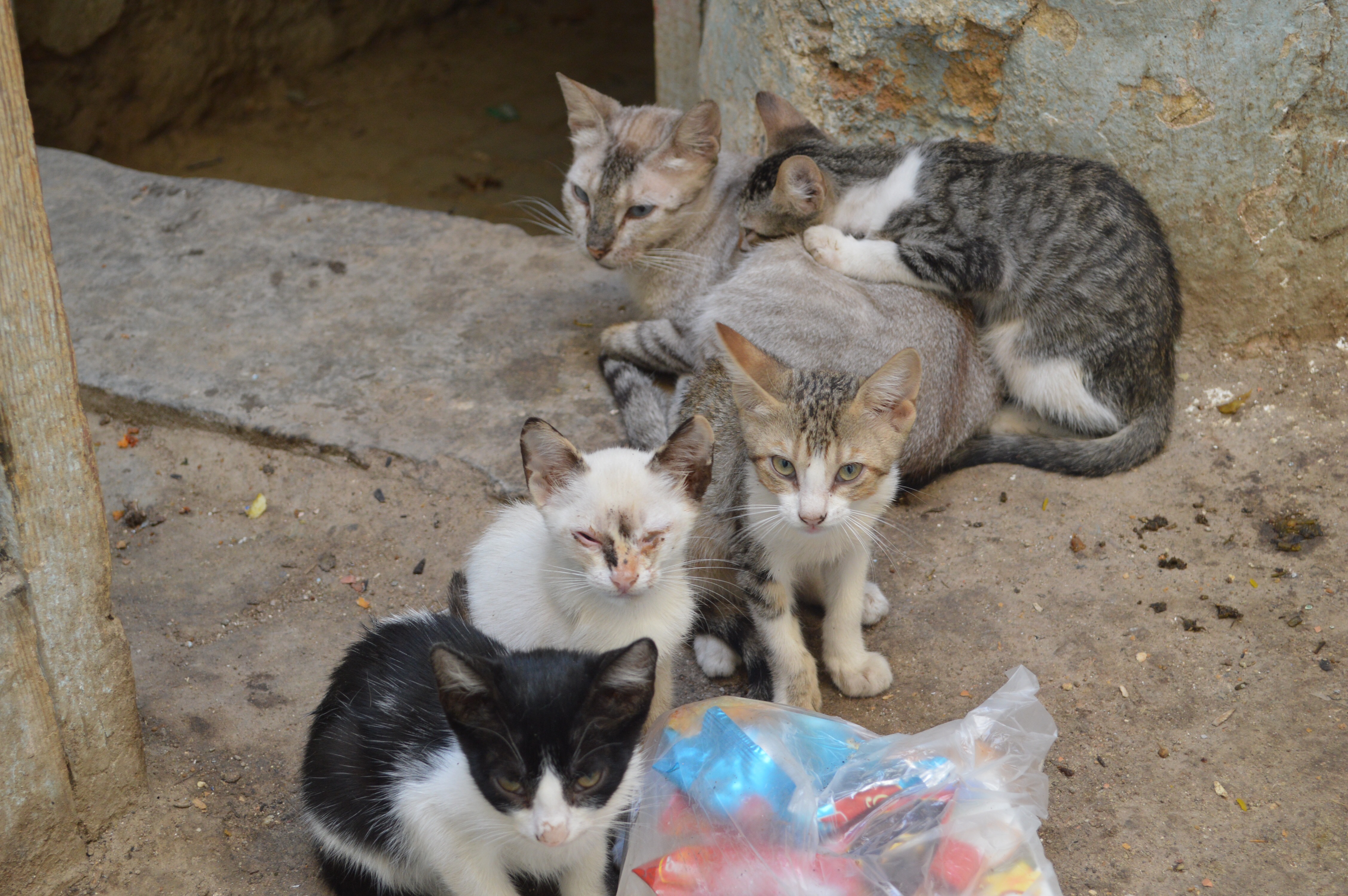
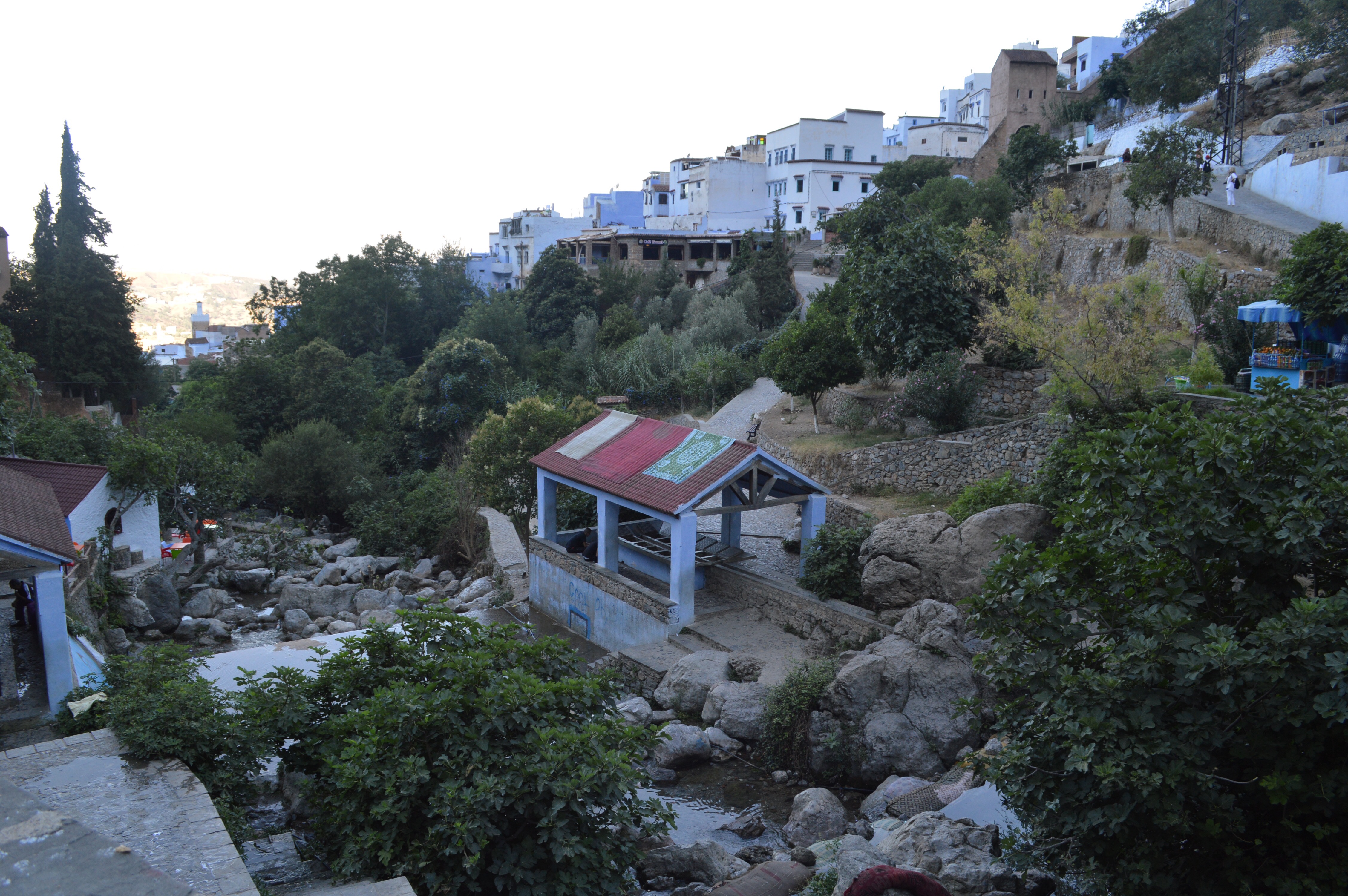
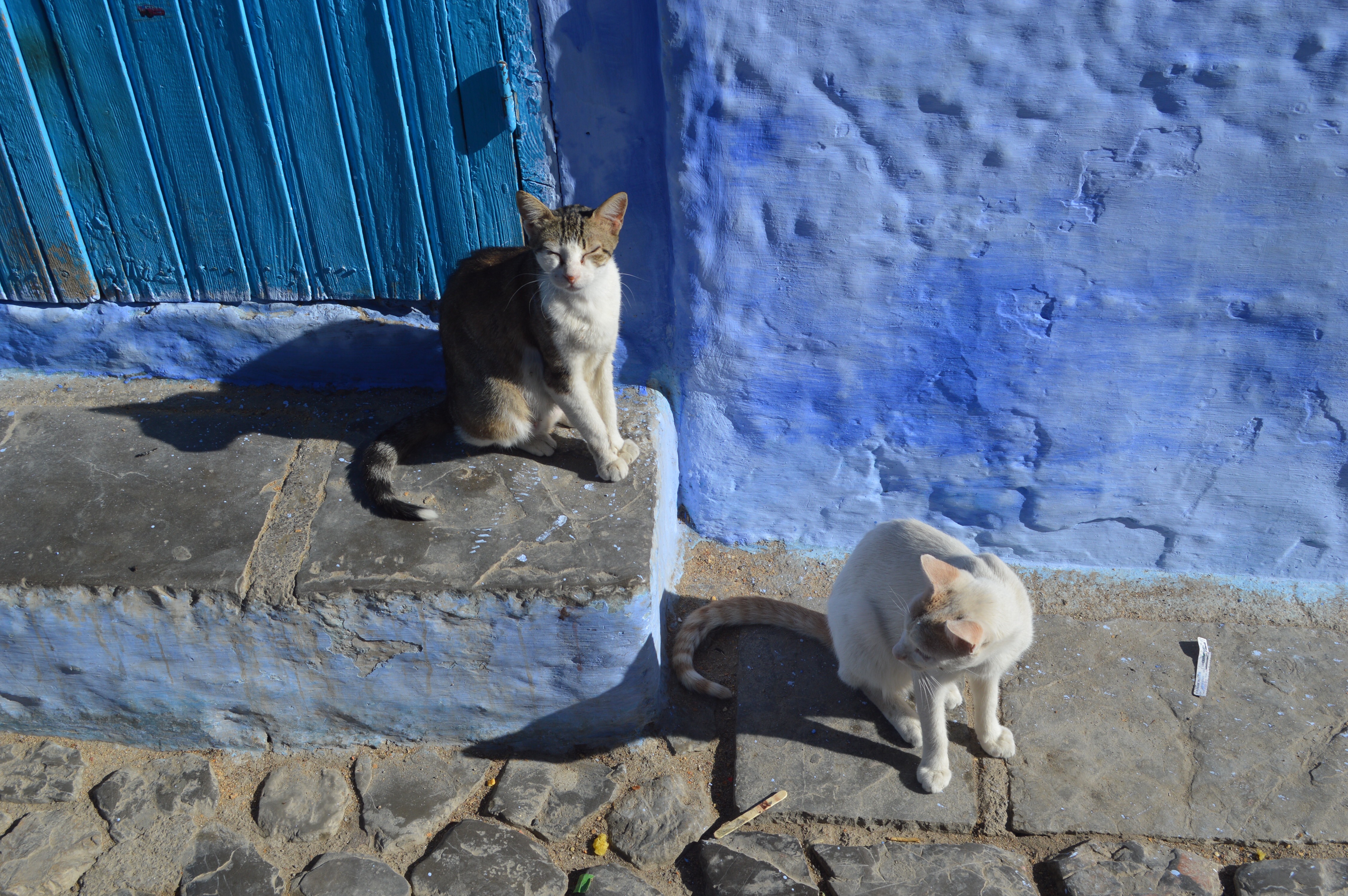
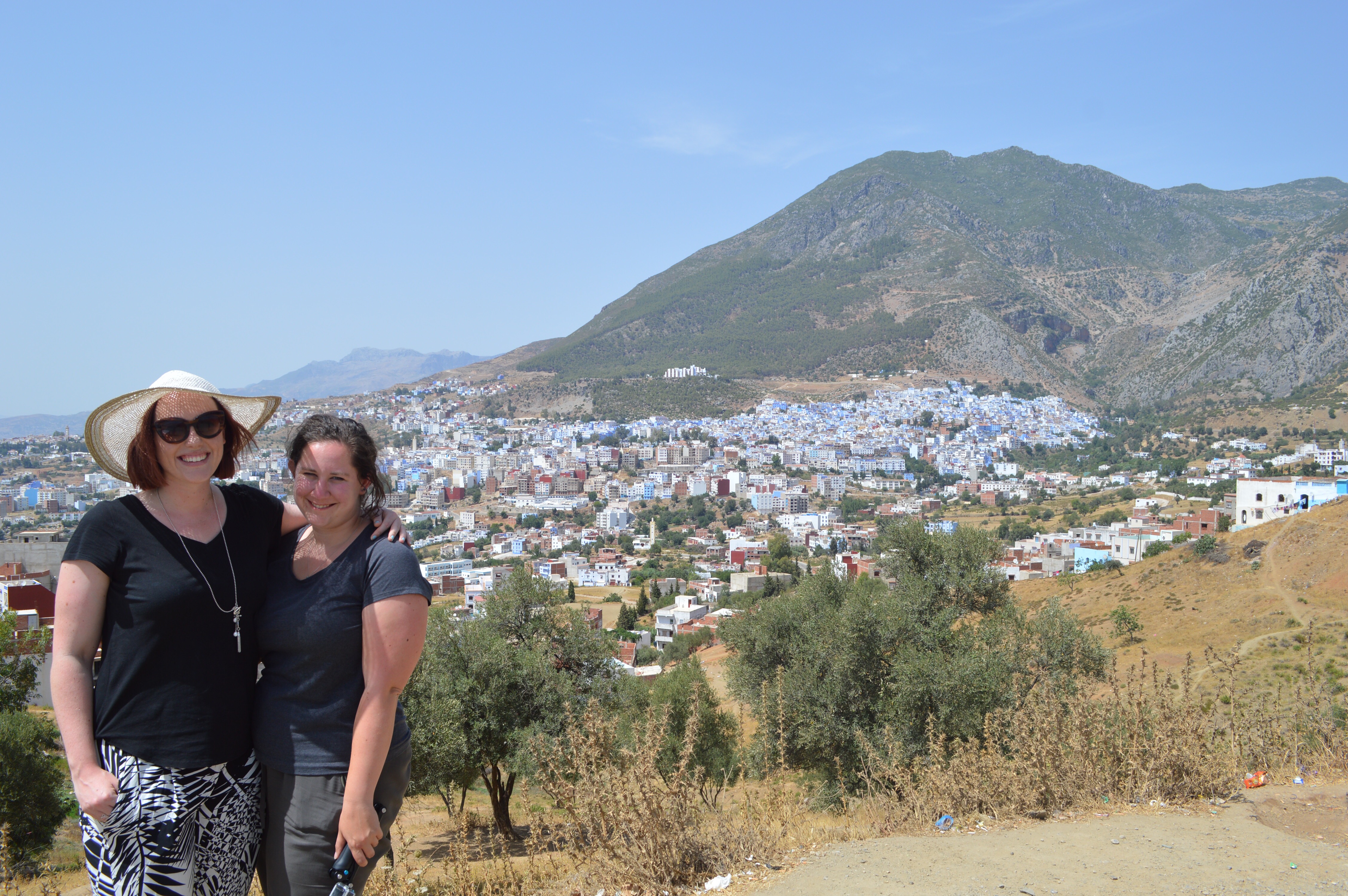
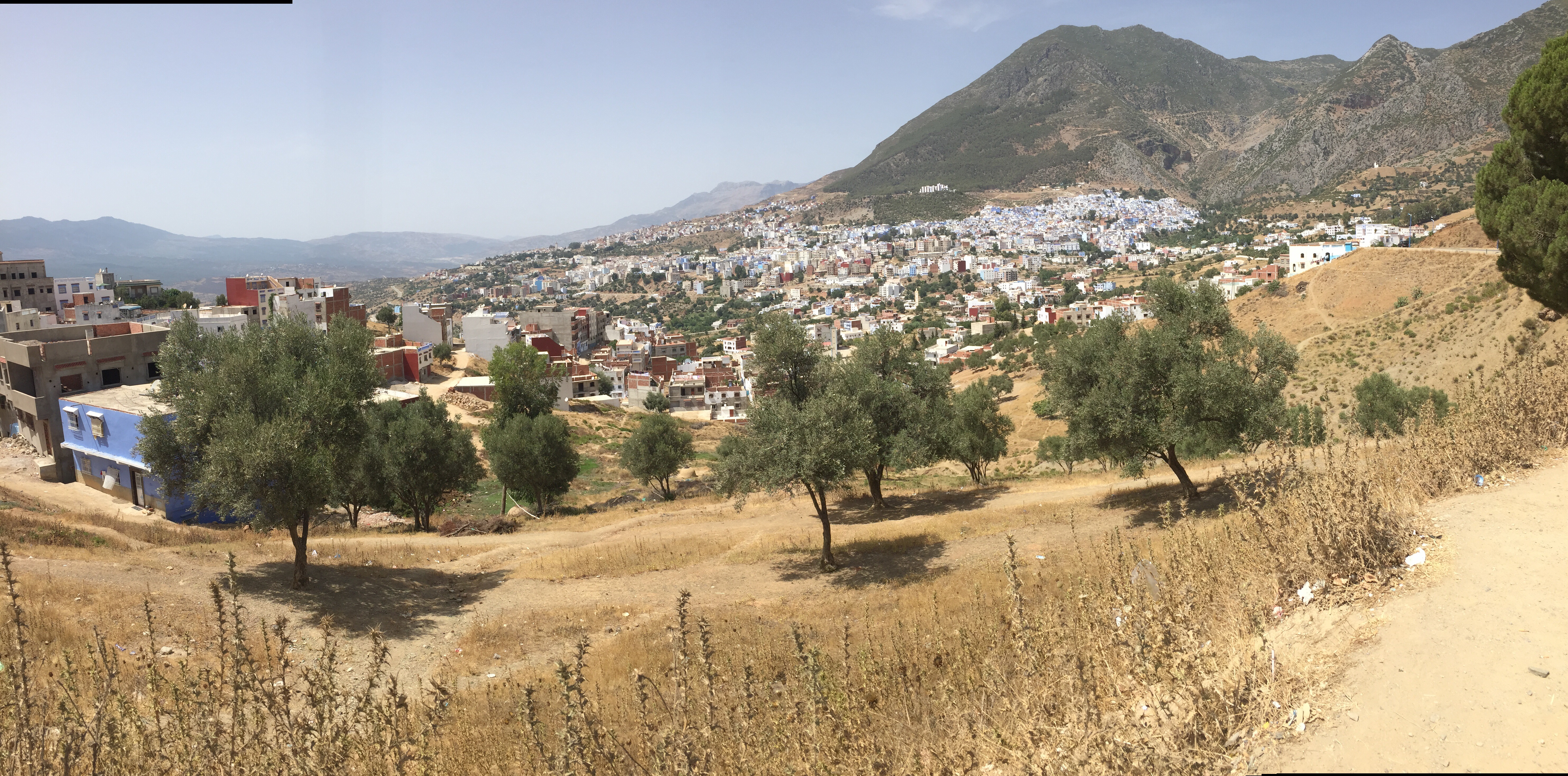
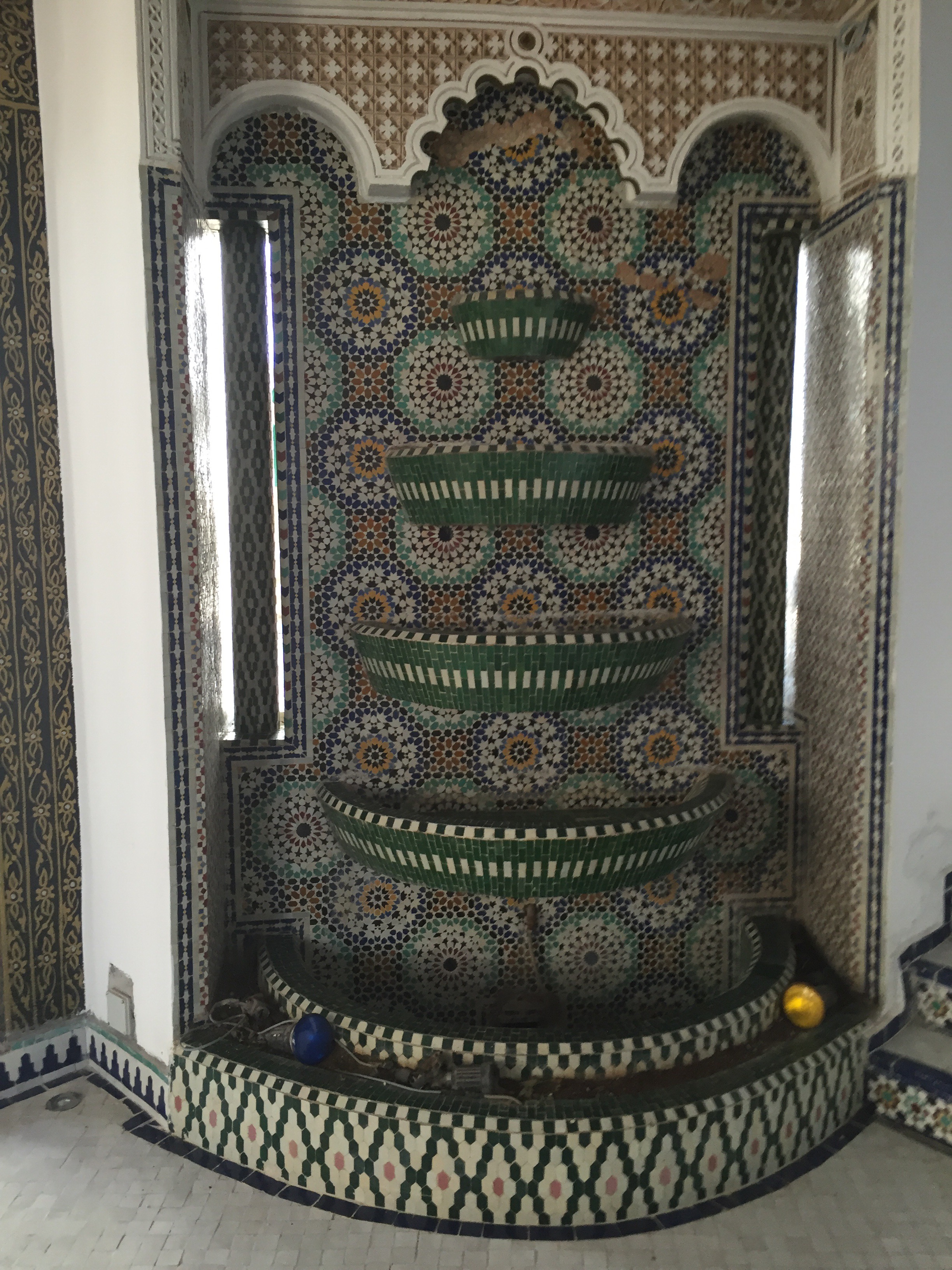
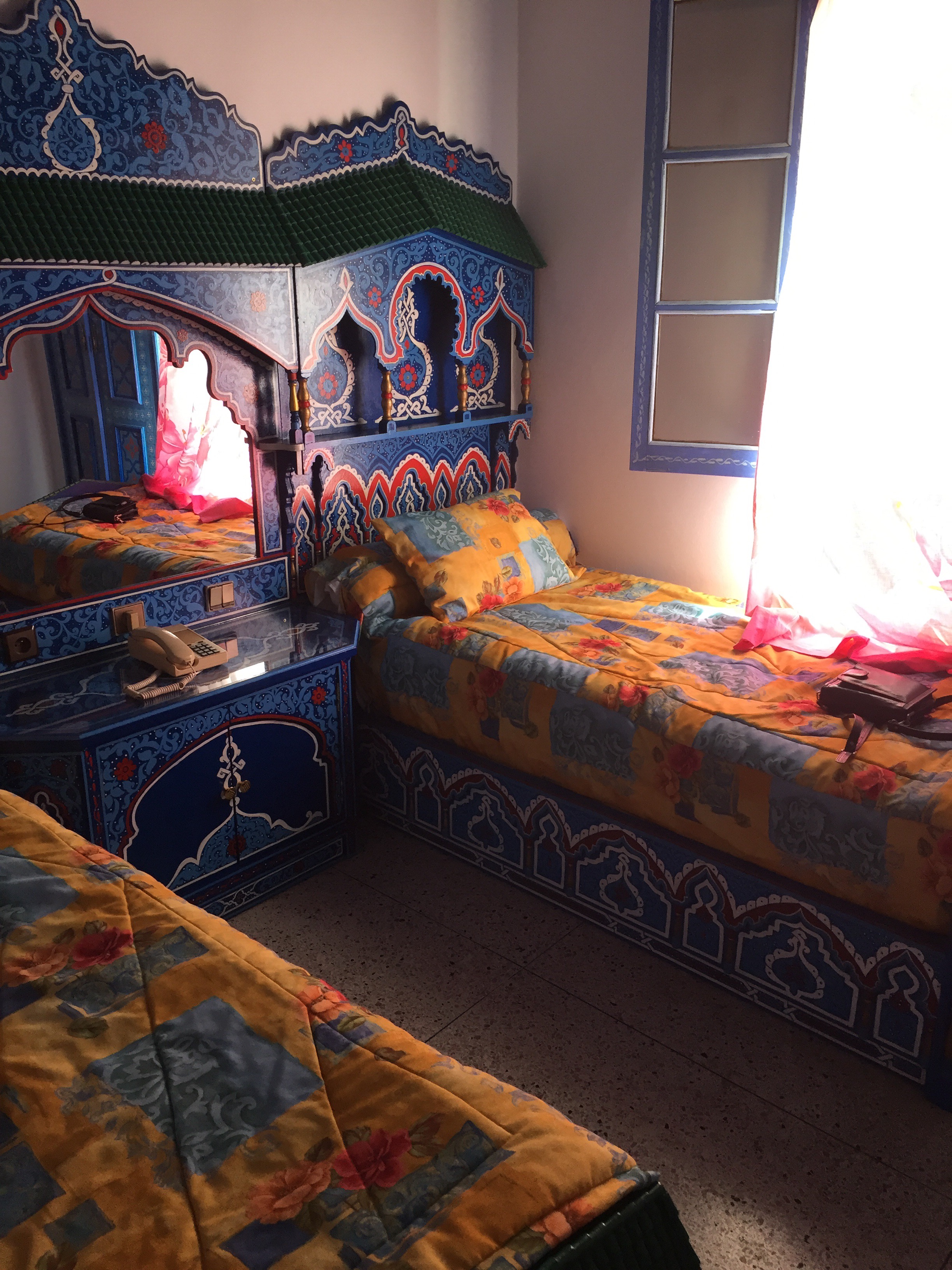
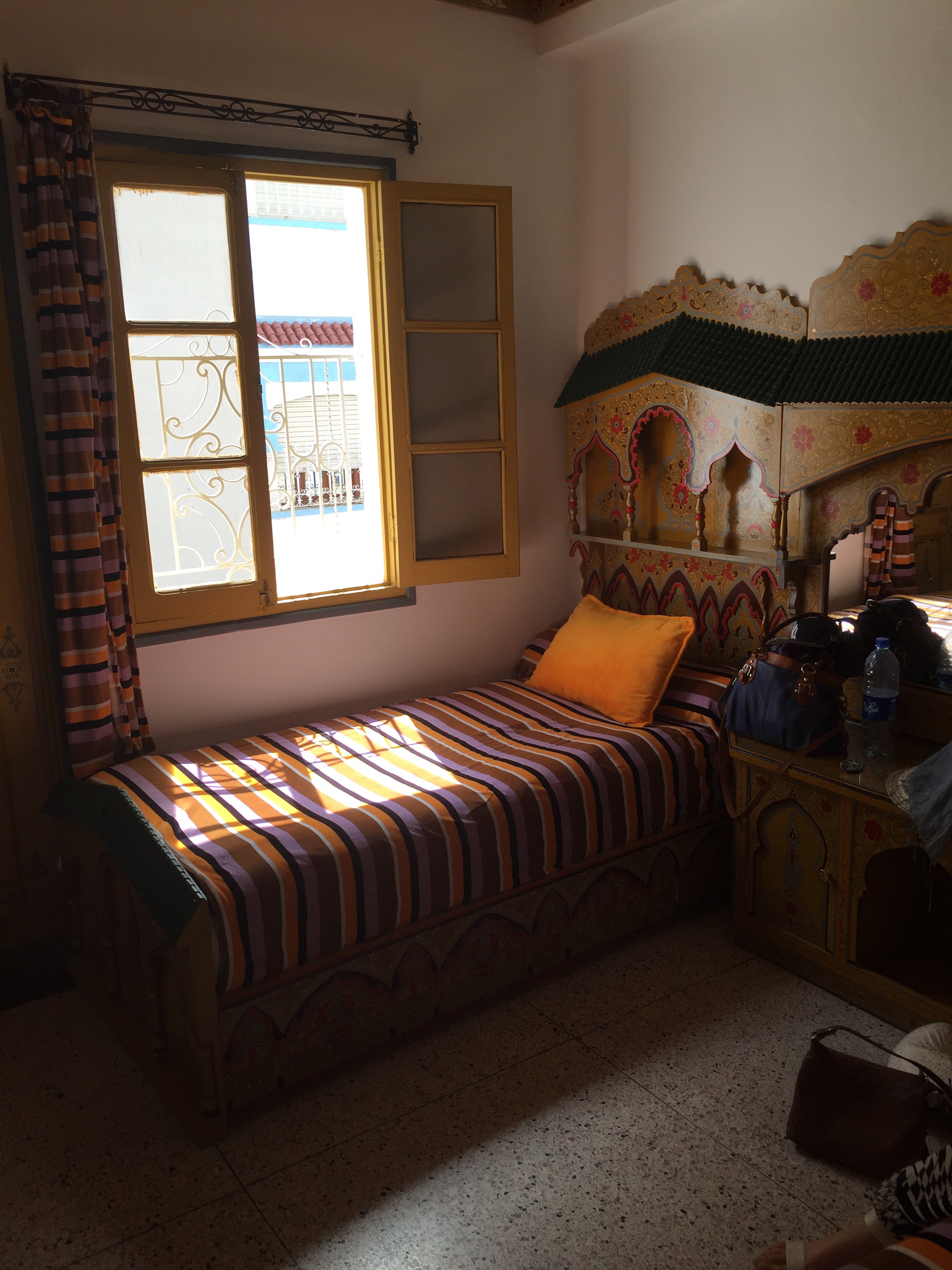
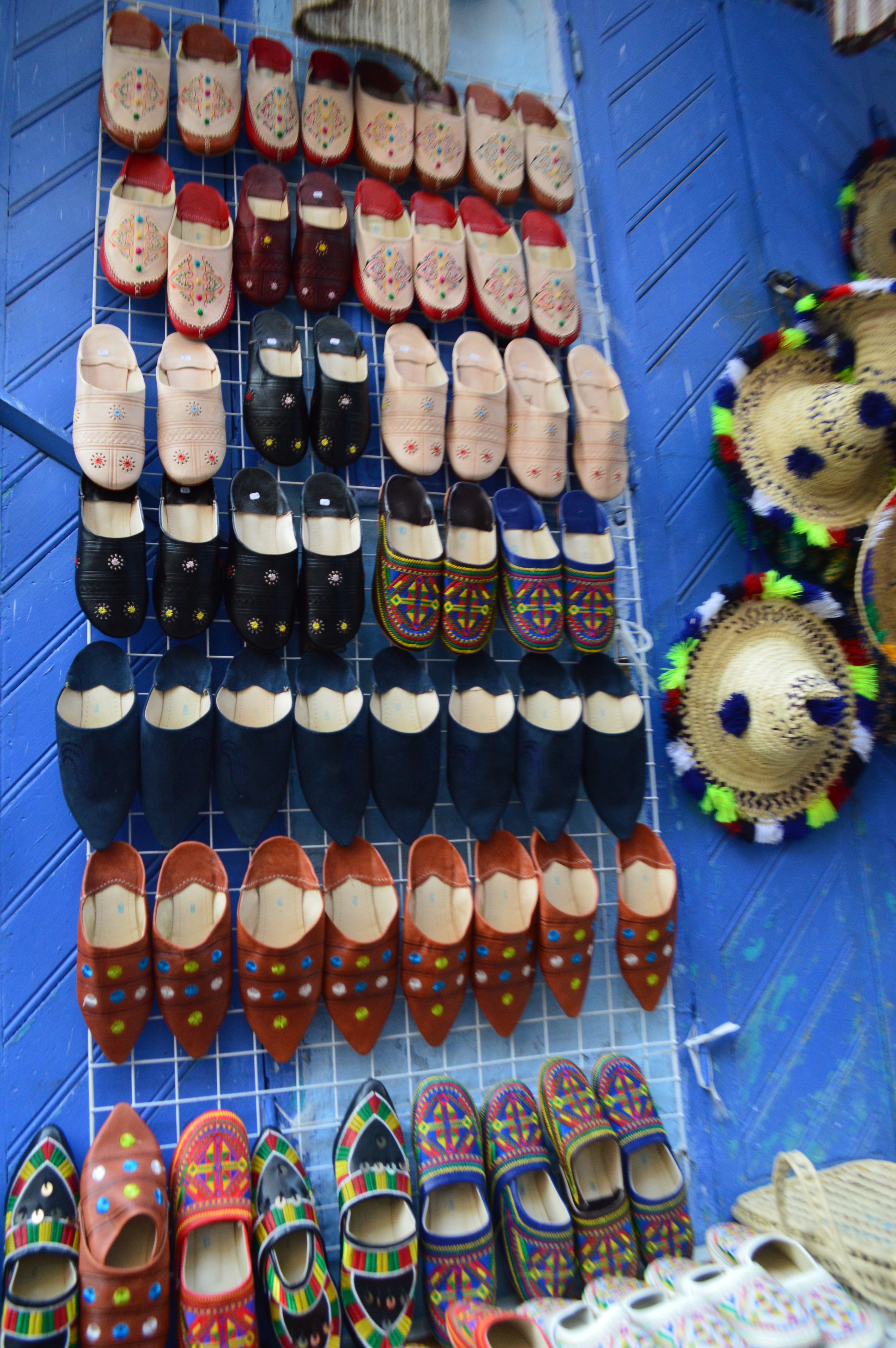
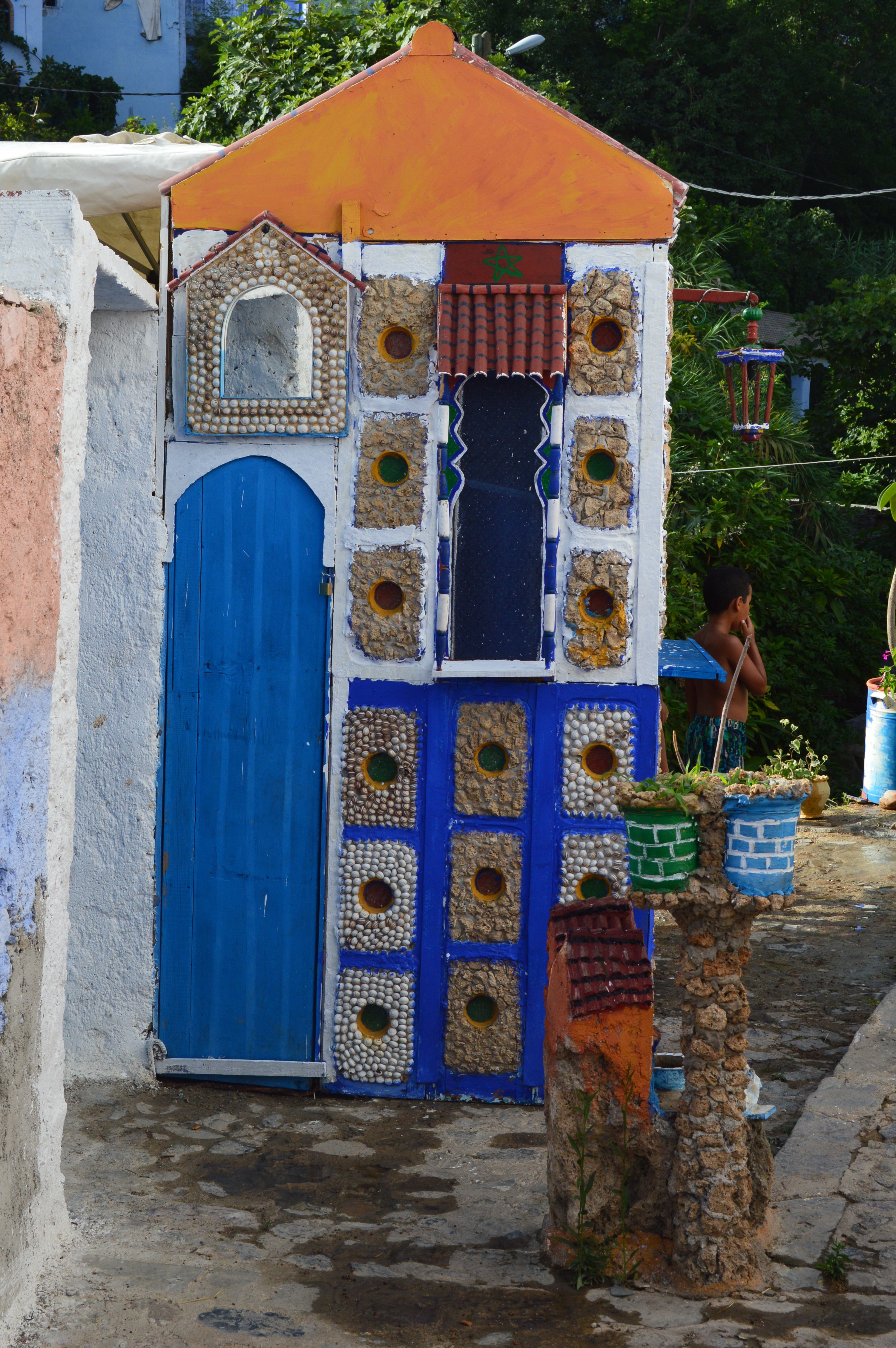
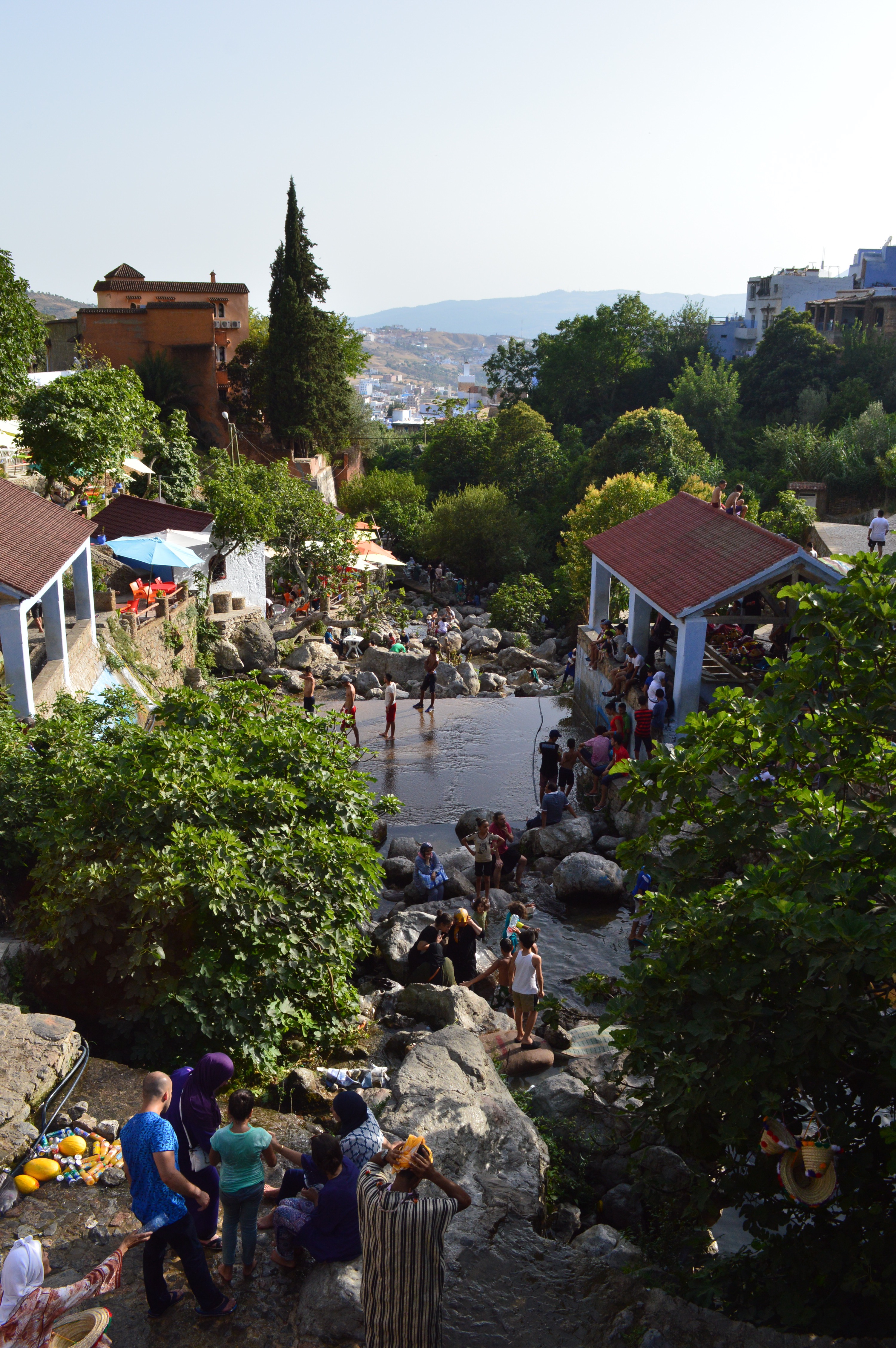
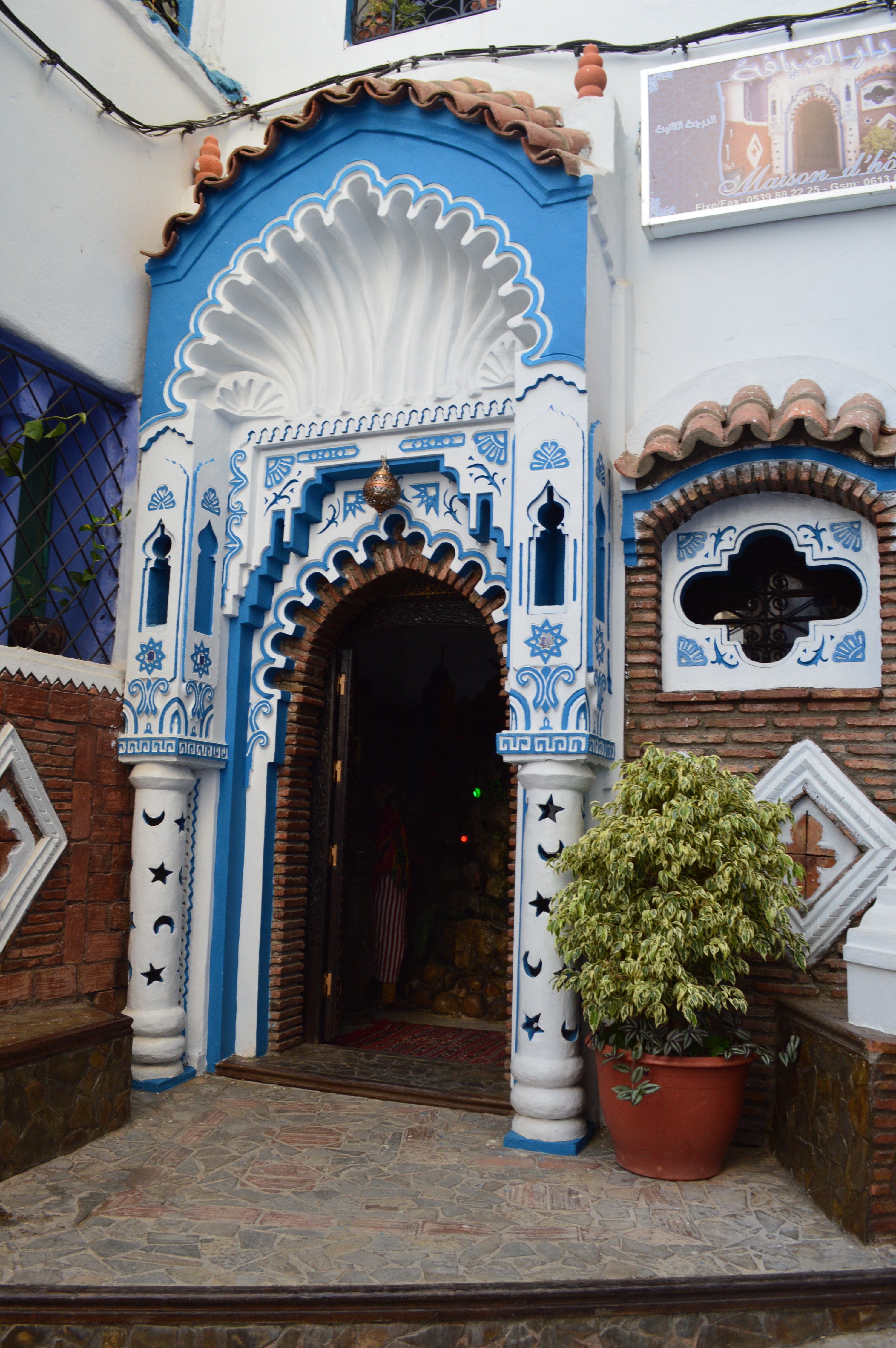
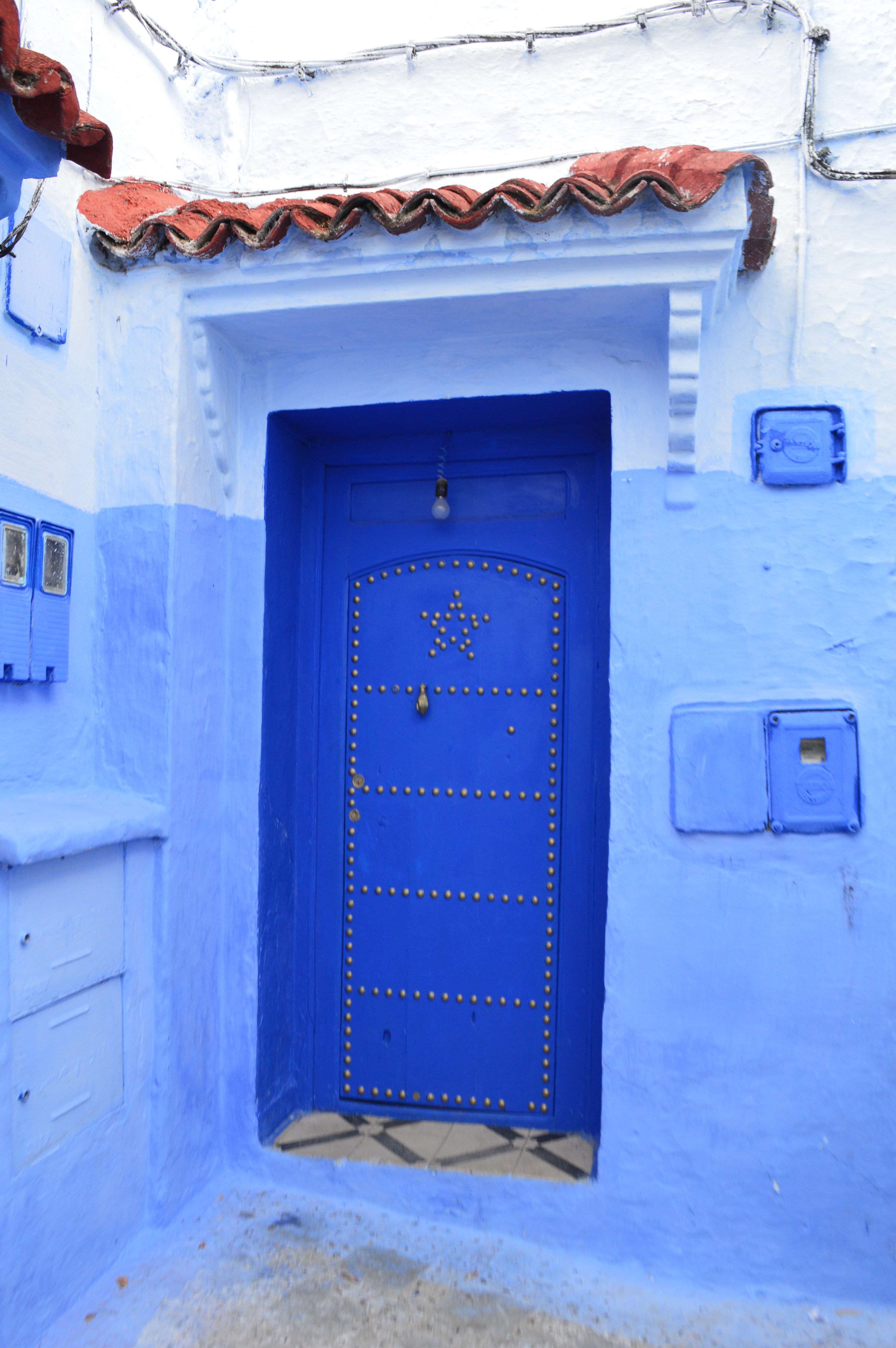
On to Chefchaouen – a haven of peace and tranquility. Beautifully perched beneath the raw peaks of the Rif mountains, Chefchaouen has to be one of the prettiest towns in Morocco. It was originally a Berber post and is now an artsy, blue-door-washed and white-walled mountain village that feels like its own world. After we checked into the hotel (which was so impressive on its own – each room had its own colour scheme and there was mosaic everywhere), Mohamed took us on a little walking tour to orientate us and to help us explore this little place of wonder! He took us goodness knows where! First we walked up along a stream that flattened out into a few large pools of water along the way. Once we made it to the top, there was so many children playing in the water and lots of families enjoying some of the late afternoon. We then started to wander through the winding streets of the medina. The streets went up, down and every which way! We passed a million cute doors of varying style, design and size, more cats than you could count (and so tiny!!), under archways, past red-tiled roofs, a tiny bakery which was just a stall outside with the small kitchen inside, and we even found an ostrich!! Even though it was evident that tourism has started to take hold here, we still felt like some of the only tourists there, as we had in basically every other place so far! Despite the fact that it was because of the weather, it still had made each place so much more special so far on the trip! 

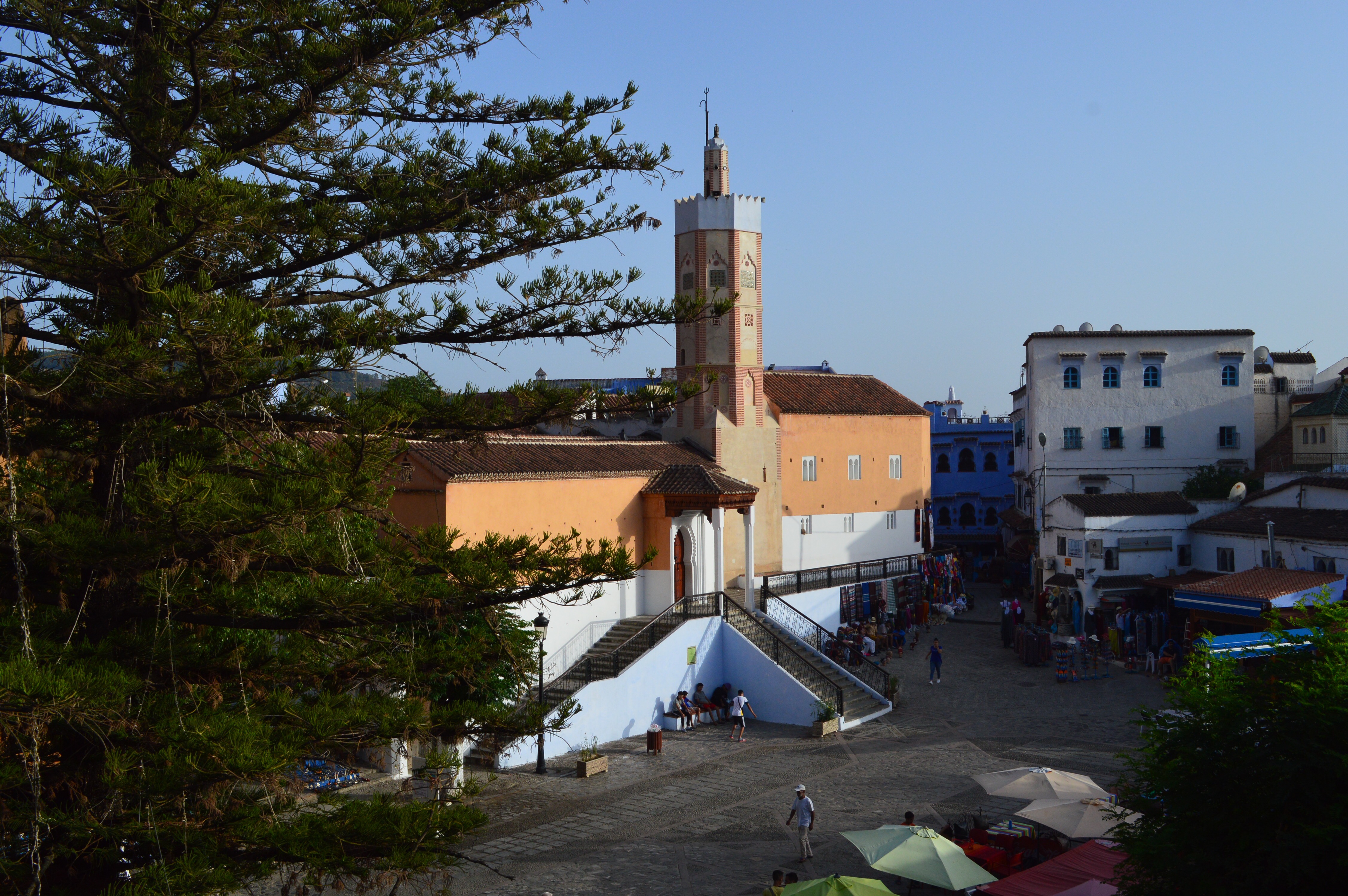
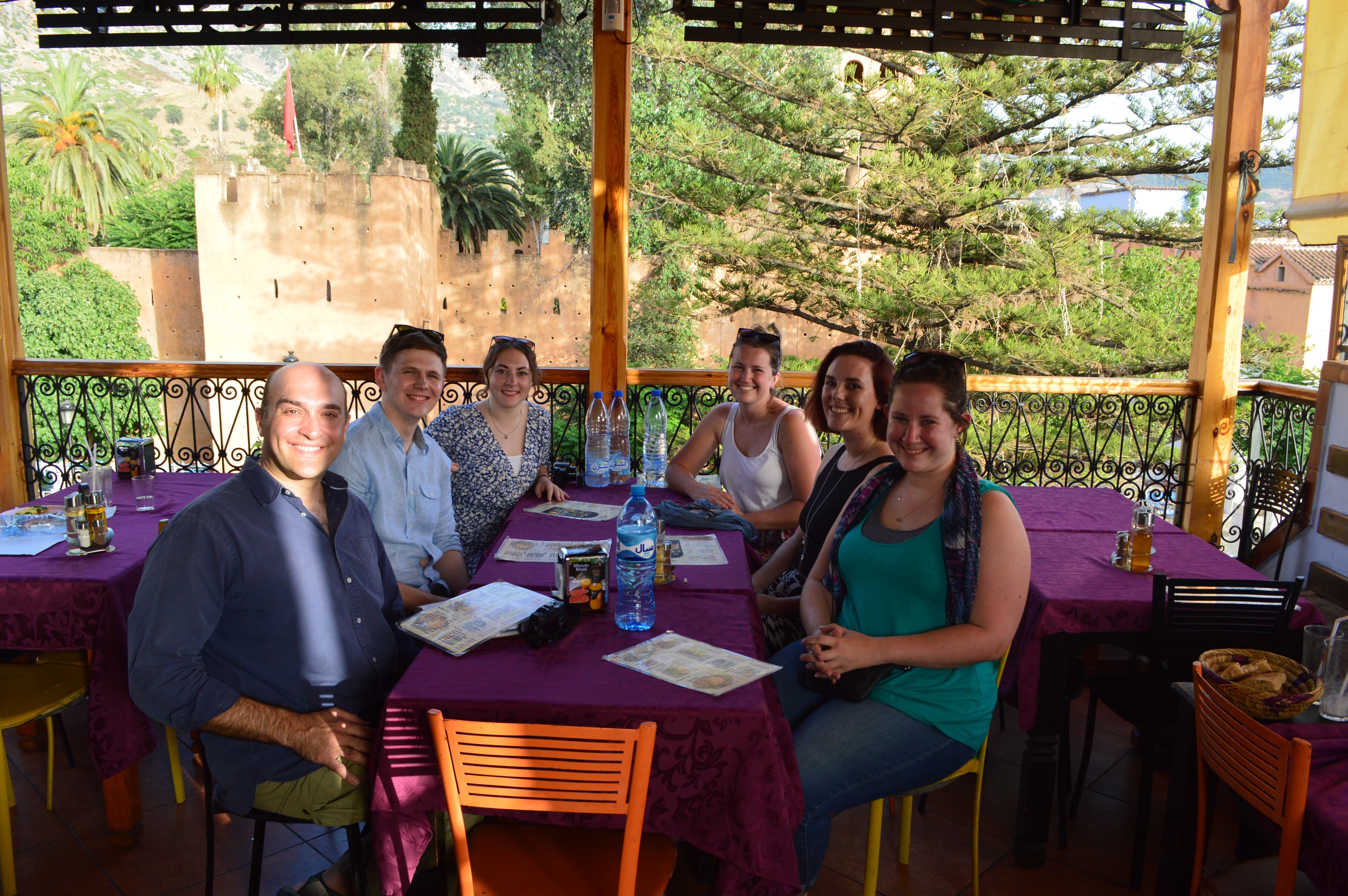
Our guided walk ended in the main square, or more accurately, the heart of Chefchaouen, with the Kasbah, central mosque and abundant cafes. We decided to go to dinner as a group and found a lovely place in the square. Our waiter was super friendly and gave us some great tips on places to go/walks to do for the best views (in his opinion). He loved having a chat, telling us about his life and wanting to know what we had enjoyed about Morocco so far. His only quirk was his photography. Offering to take a photo of “the girls” while we were taking some snaps of the sunset, he decided to stand up on a chair to get a better angle, and then bent down…to AT LEAST his normal height! And the photo was on the biggest angle! Poor chap, we could not stop giggling and I’m fairly sure he had no idea why! Or maybe he just thought it was an arty picture? We will never know… 


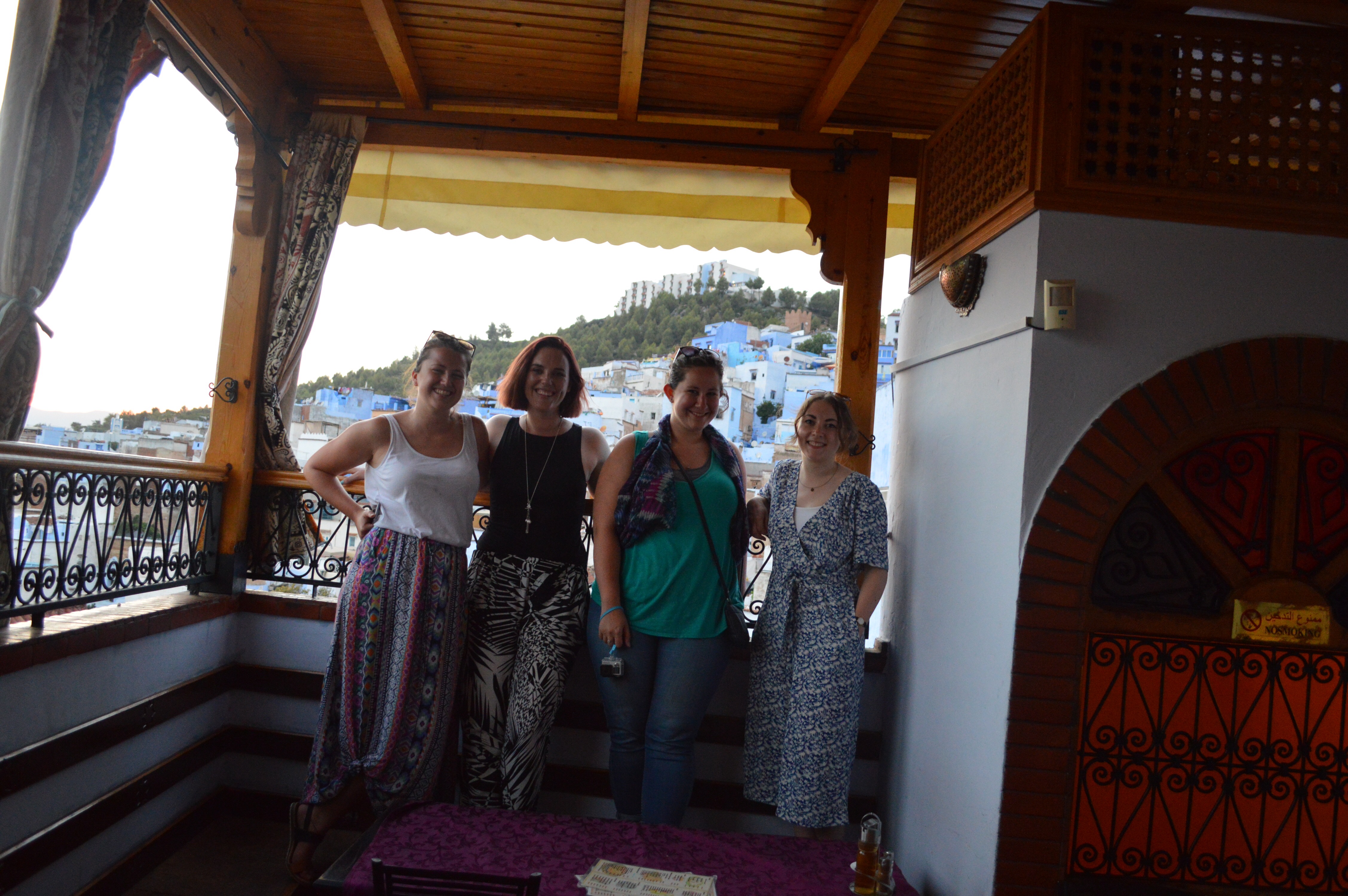
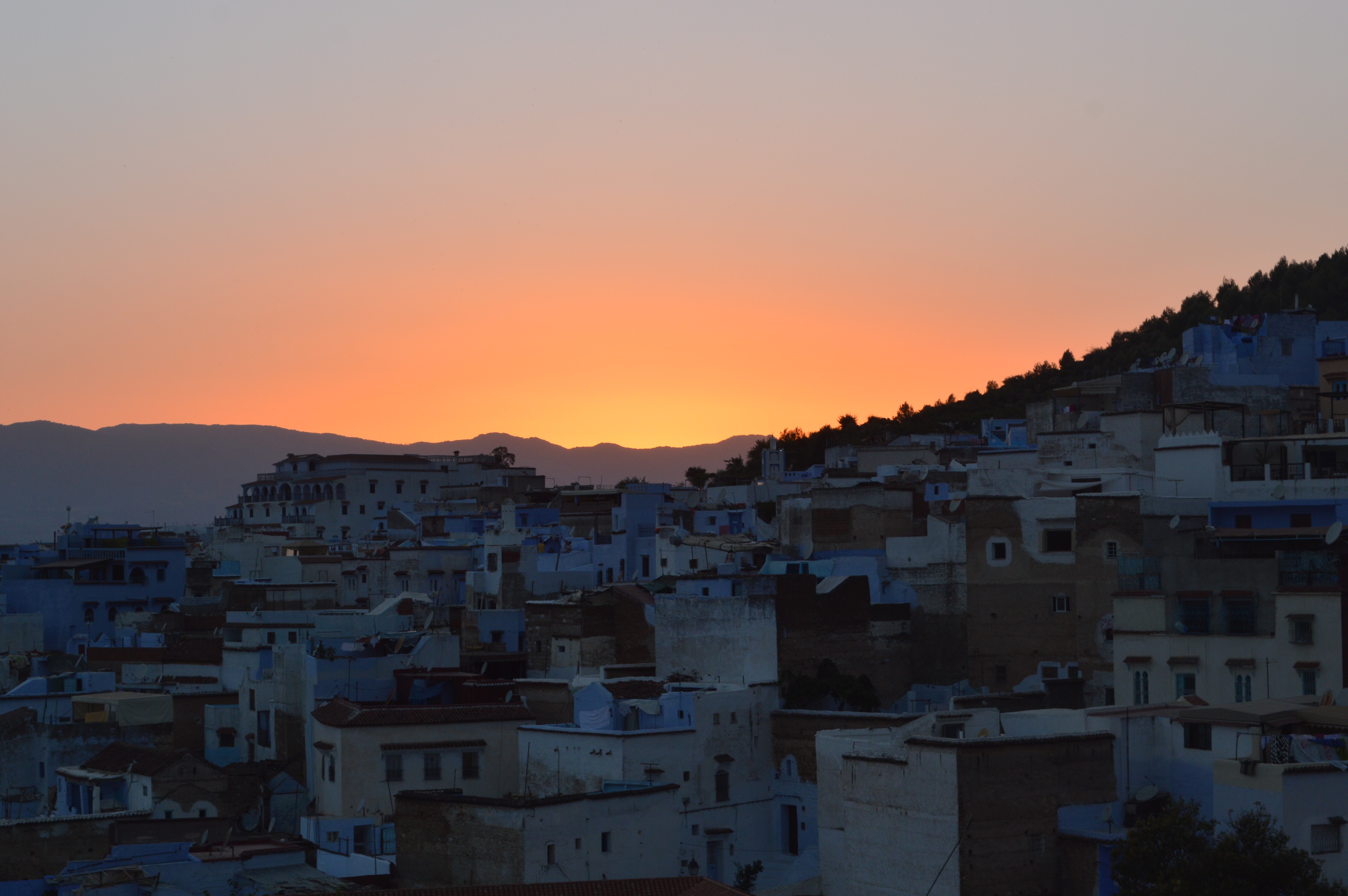
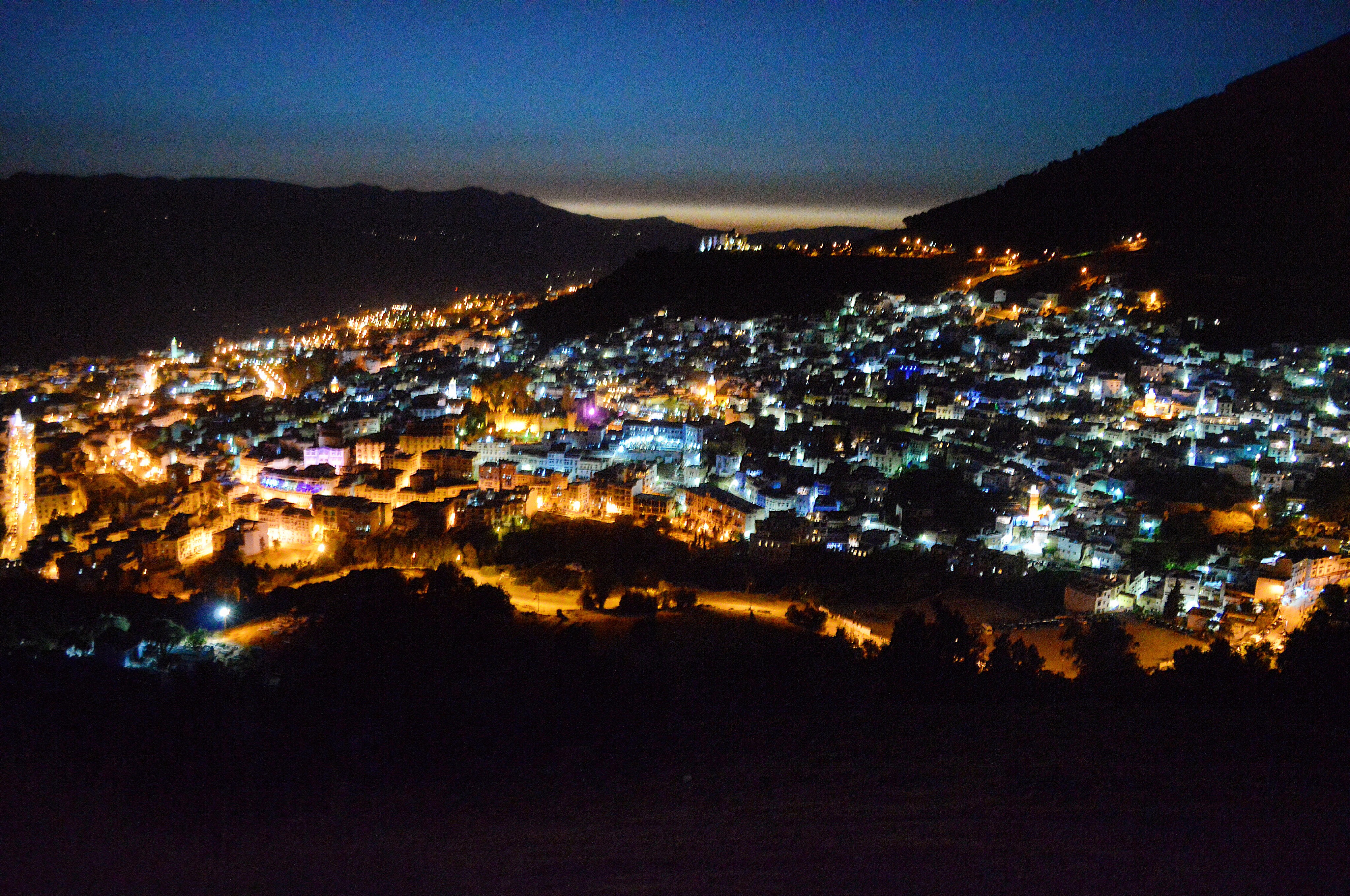
After dinner Max and Rosh went back to the hotel and the rest of the group and I decided to walk up to the old Spanish mosque to see the very last part of the sunset, and a view of the city at night! The walk was about 20-30 minutes mostly uphill, and the view was definitely worth the small climb. It was beautiful! We managed to see the sun just as it was dipping below the mountains and the town was a terrific sight all lit up! We sat up there for a while, chatting about our day, wondering if it was a little bit strange that the group of Moroccan boys sitting next to us were smoking pot in front of a mosque…. (Mohamed later told us this was quite a normal – if not odd – thing for the “youth” to do). On our walk back to the hostel we saw Sideshow Bob again! He was taking his tour group on a little stroll (minus the dehydrated chap). 

So many sights, so little time

~ Casablanca to Meknes ~
After breakfast this morning we were back on the road and drove the 1 h 20 min (86.7 km) straight to Rabat, Morocco’s political and administrative capital since independence in 1956. While the scenery along the way was similar to day one, once we arrived in Rabat it was much more provincial than Casablanca. The colonial architecture was stunning, the palm-lined boulevards were well kept and relatively free of traffic, the atmosphere was cosmopolitan and far less grimy and frantic. We stopped off outside the gaits of the Royal palace and exchanged Mohamed for a local guide who was going to take us around throughout the morning. 
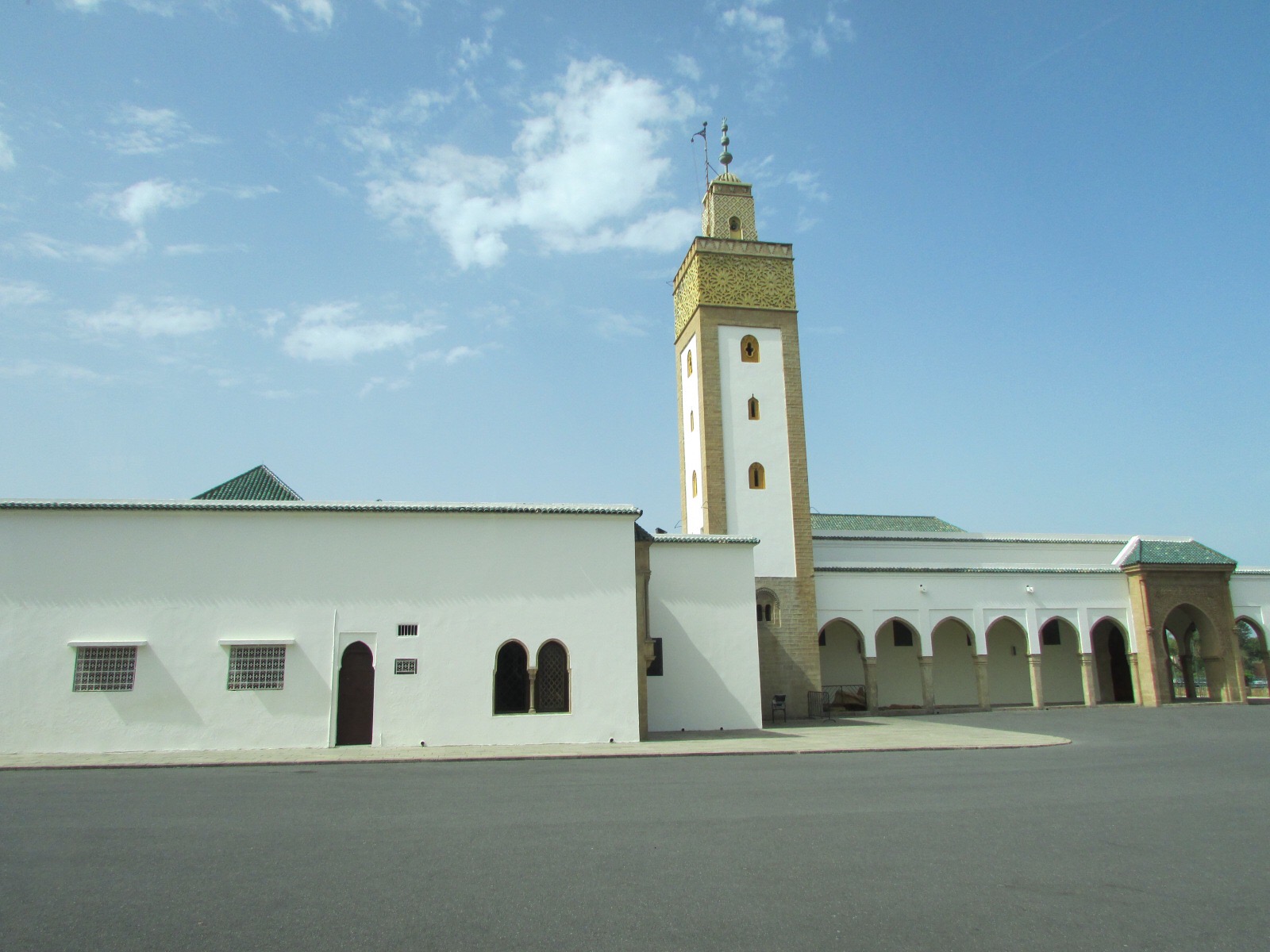
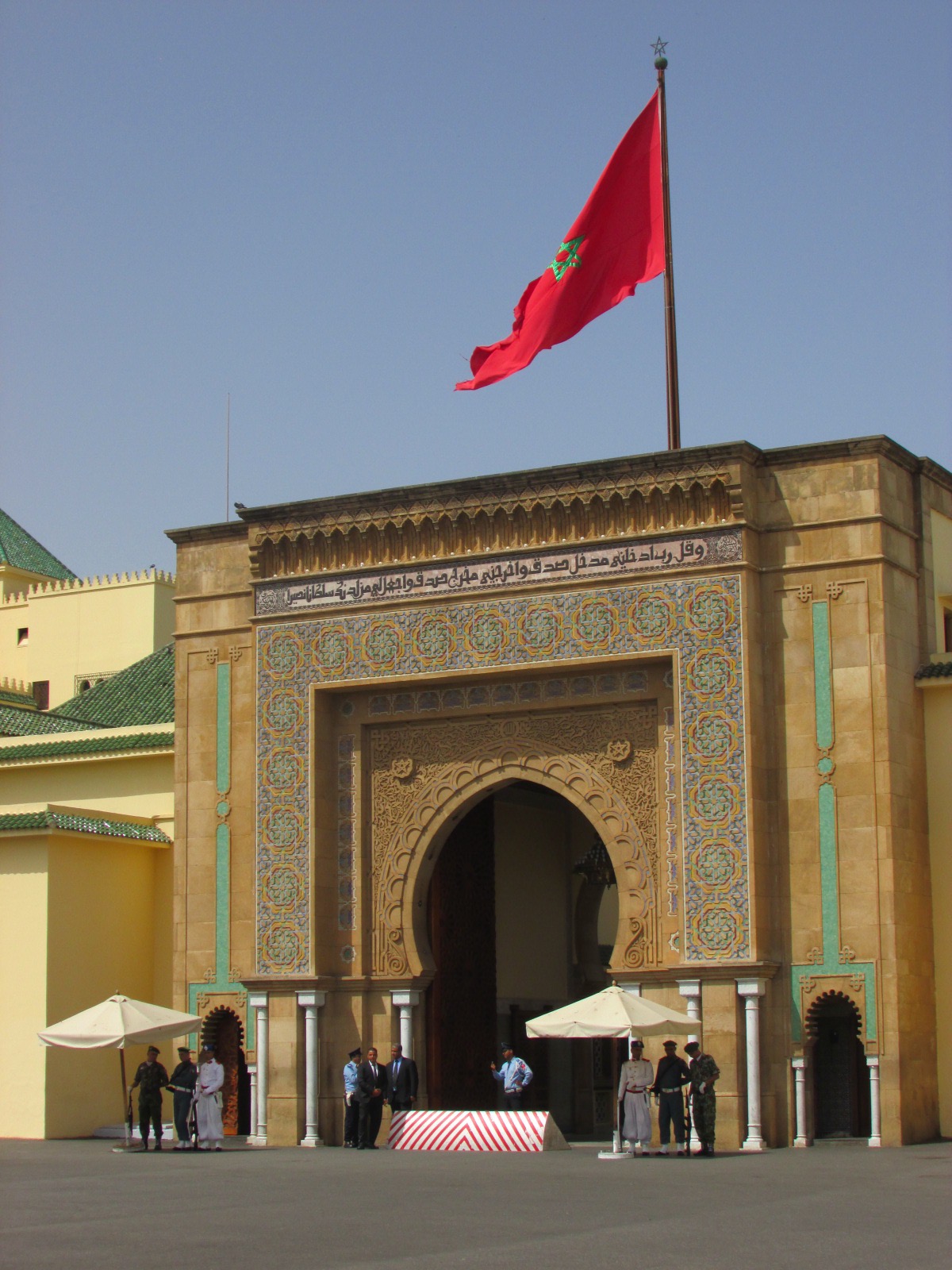
Our first destination was in fact, the Royal palace. We drove through the gaits and even the entrance was impressive. A long avenue with trees lead us to small mosque, Ahl-Fas, and then to the large parade ground infront of the royal palace. Your proximity to the palace is restricted by a few hundred meters and multiple guards from different areas of the military (as well as private guards) stationed outside the entrances. Our guide explained this was because it is the primary and official residence of the King of Morocco. As such, you cannot see the real beauty behind the walls or many other areas of the grounds. However, our guide told us a little bit about the different areas, including the College Royal, public assemblies, extensive gardens, houses and grounds for the staff. He also told us some of the changes that have been made since the current King Mohammed VI came to power in 1999 including giving women the vote, women having the right to ask to get divorced (and can now receive benefits from the divorce), polygamy is now only legal with the first wife’s consent, giving more benefits to create own businesses and encouraged the development of the cooperatives to support women workers and quality products. As we left the Royal grounds our guide seemed to trade cigarettes with the palace guards – this was when we had our first inclination that our guide was a little bit crazy. 


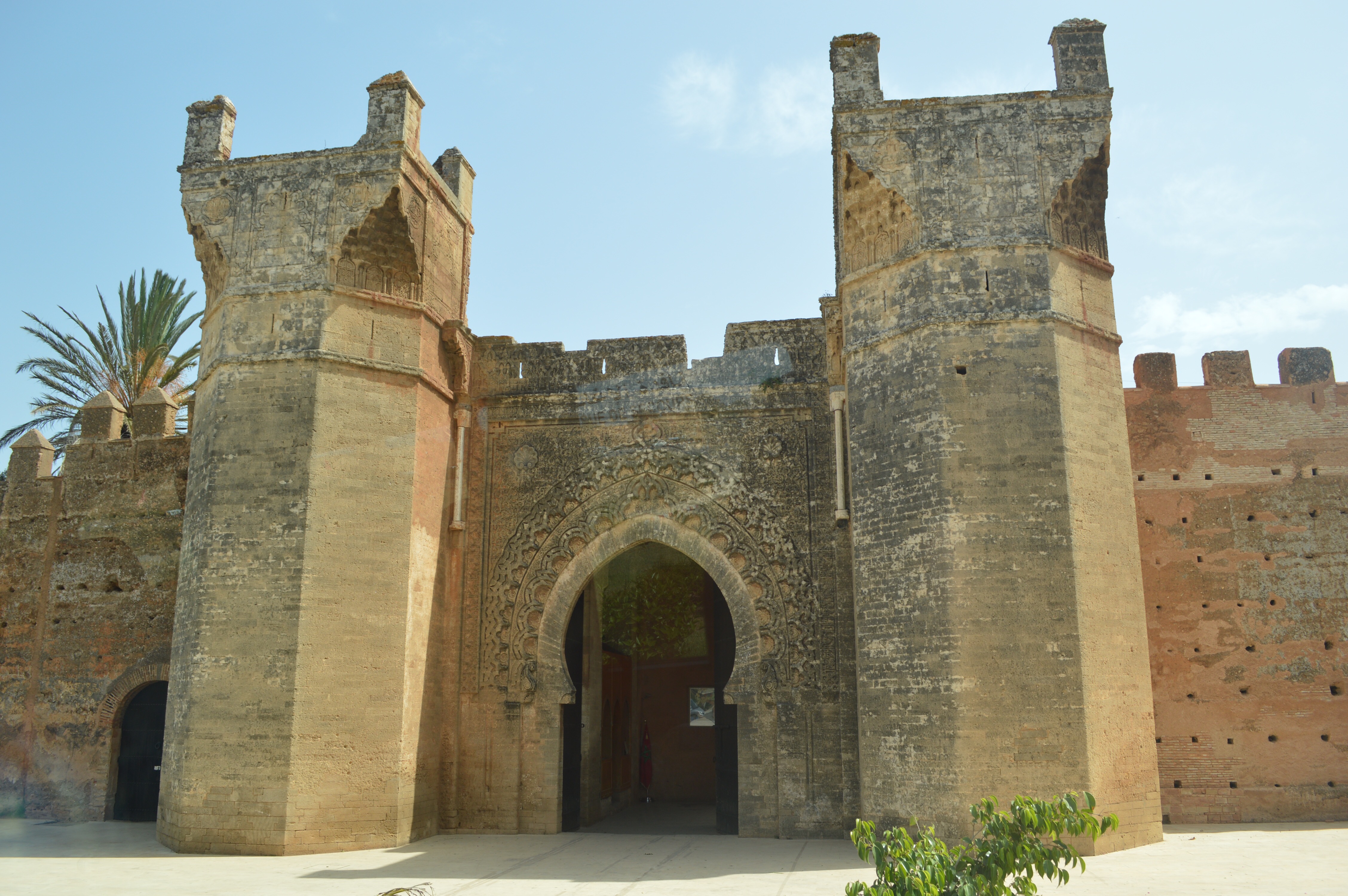
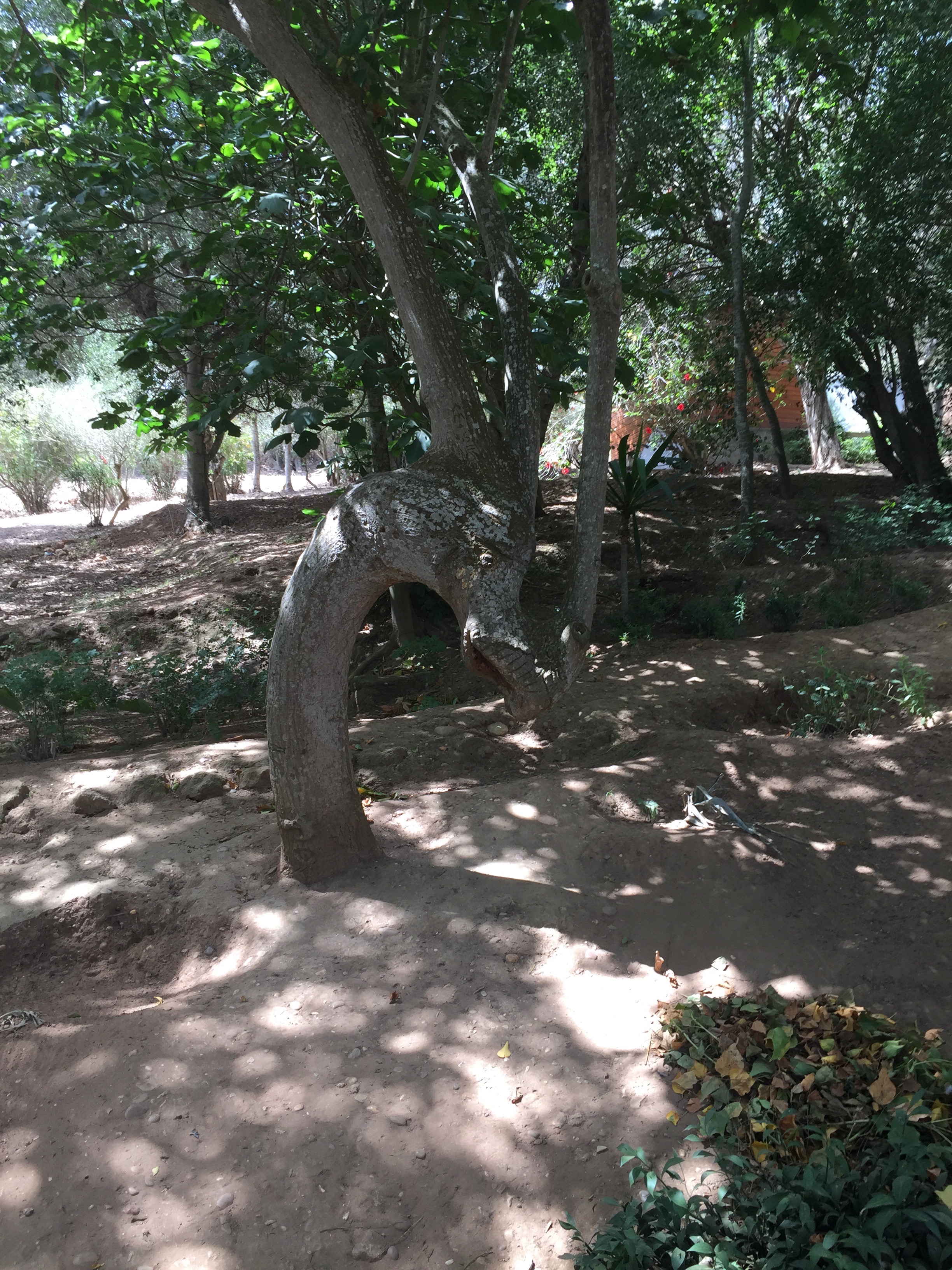
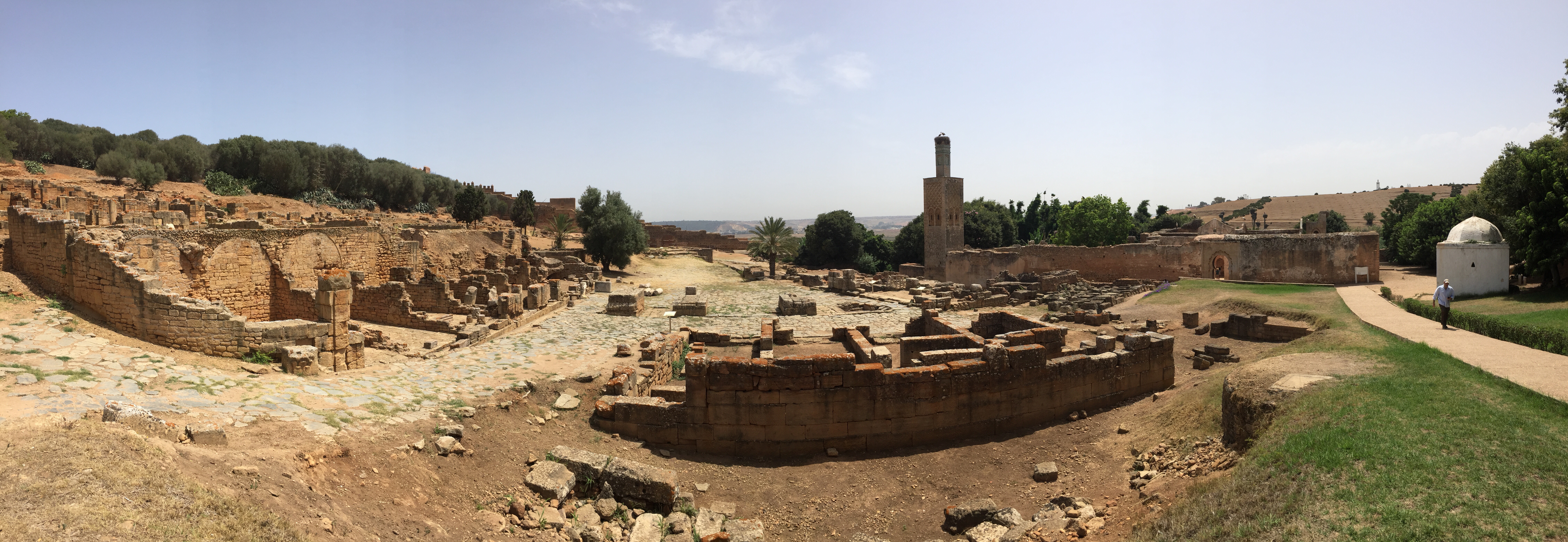
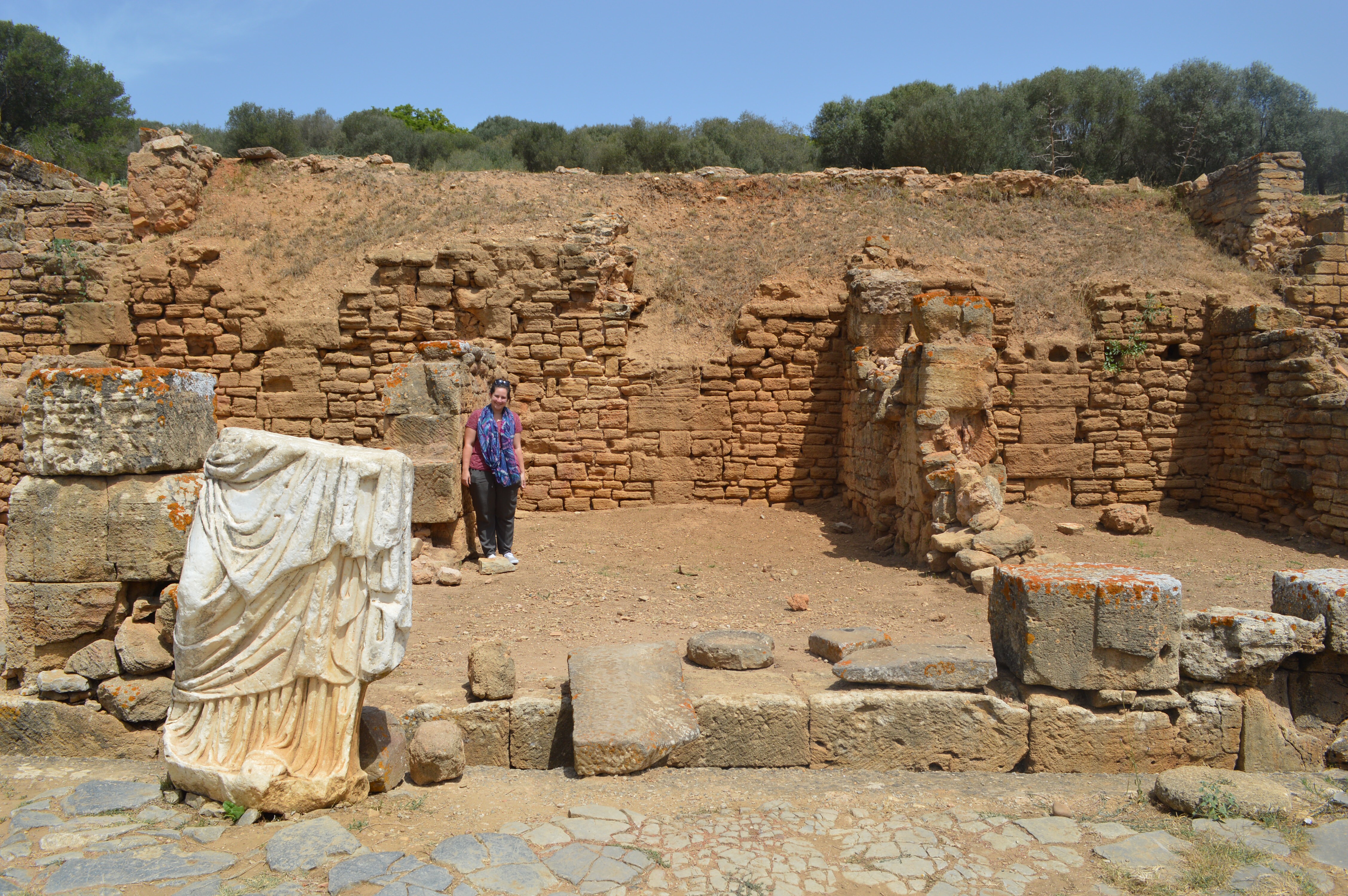
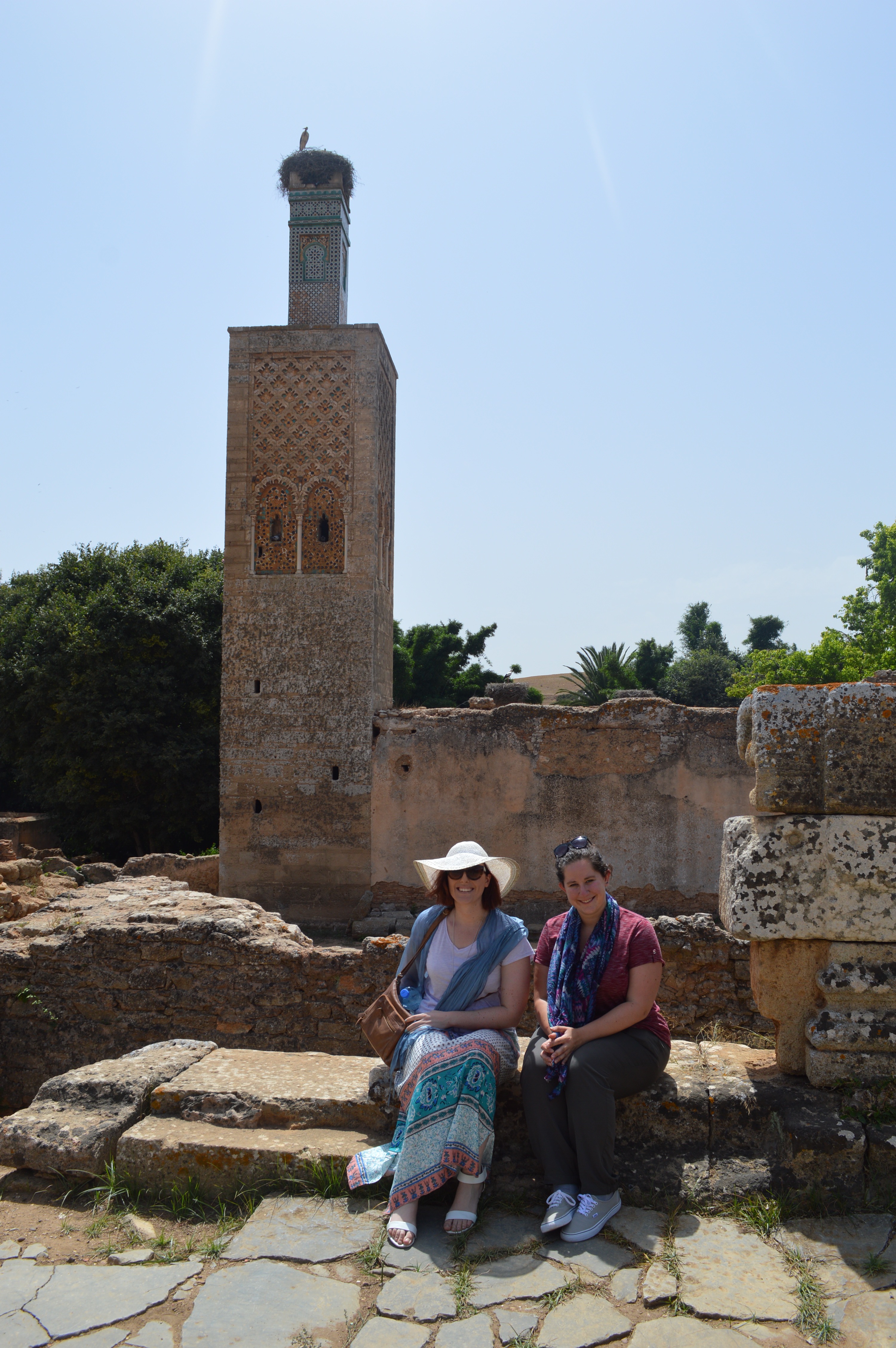
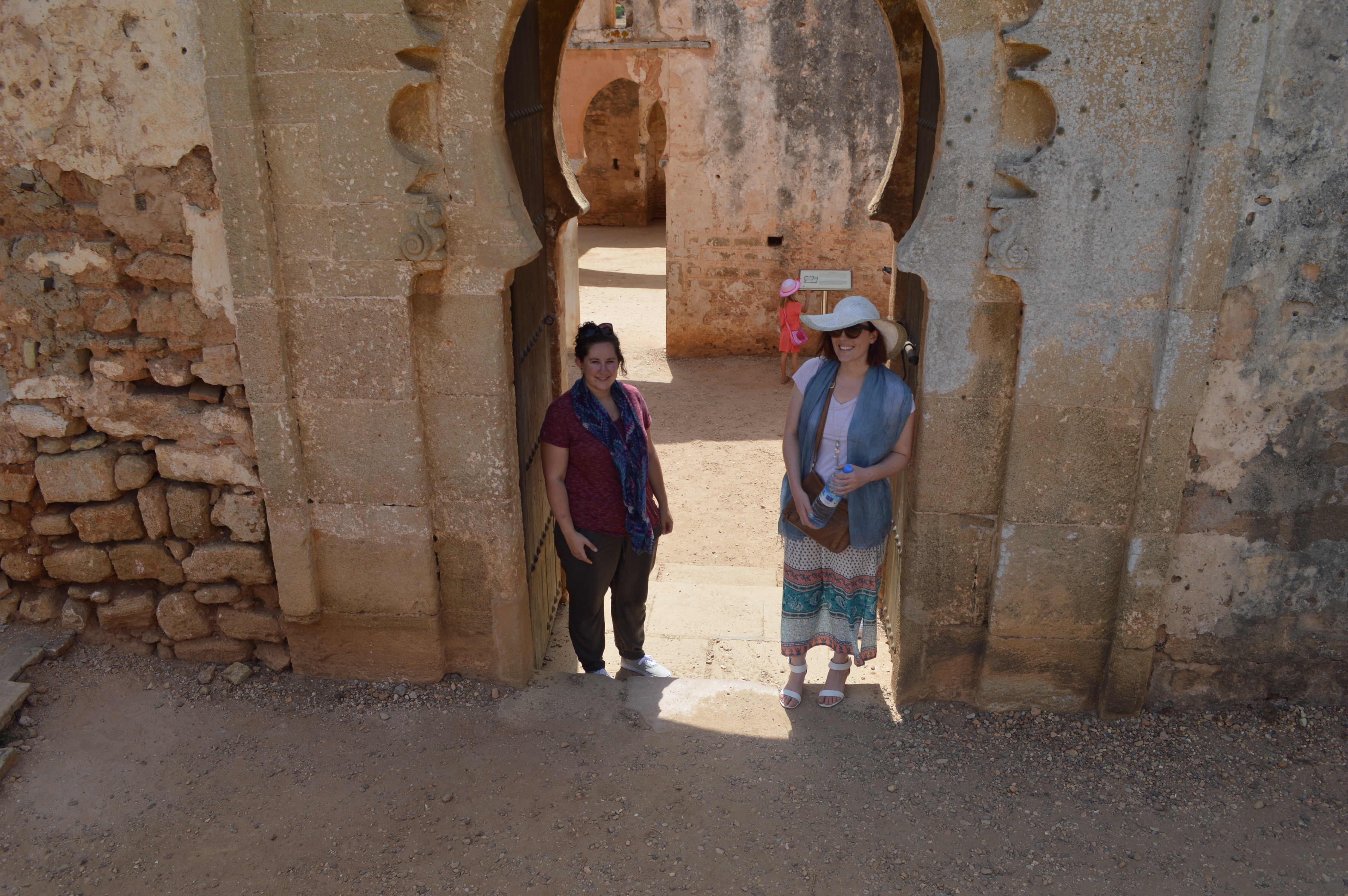
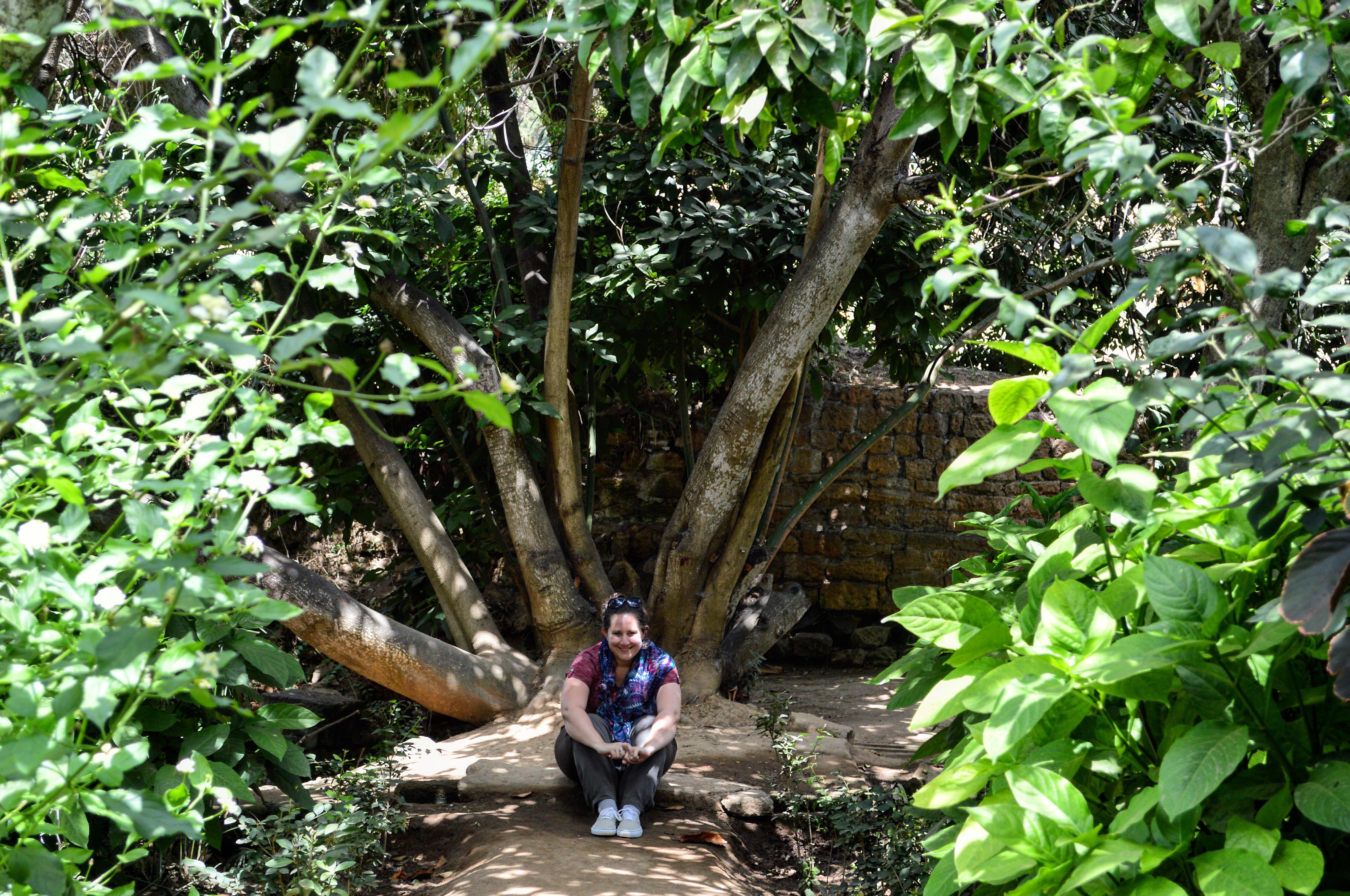
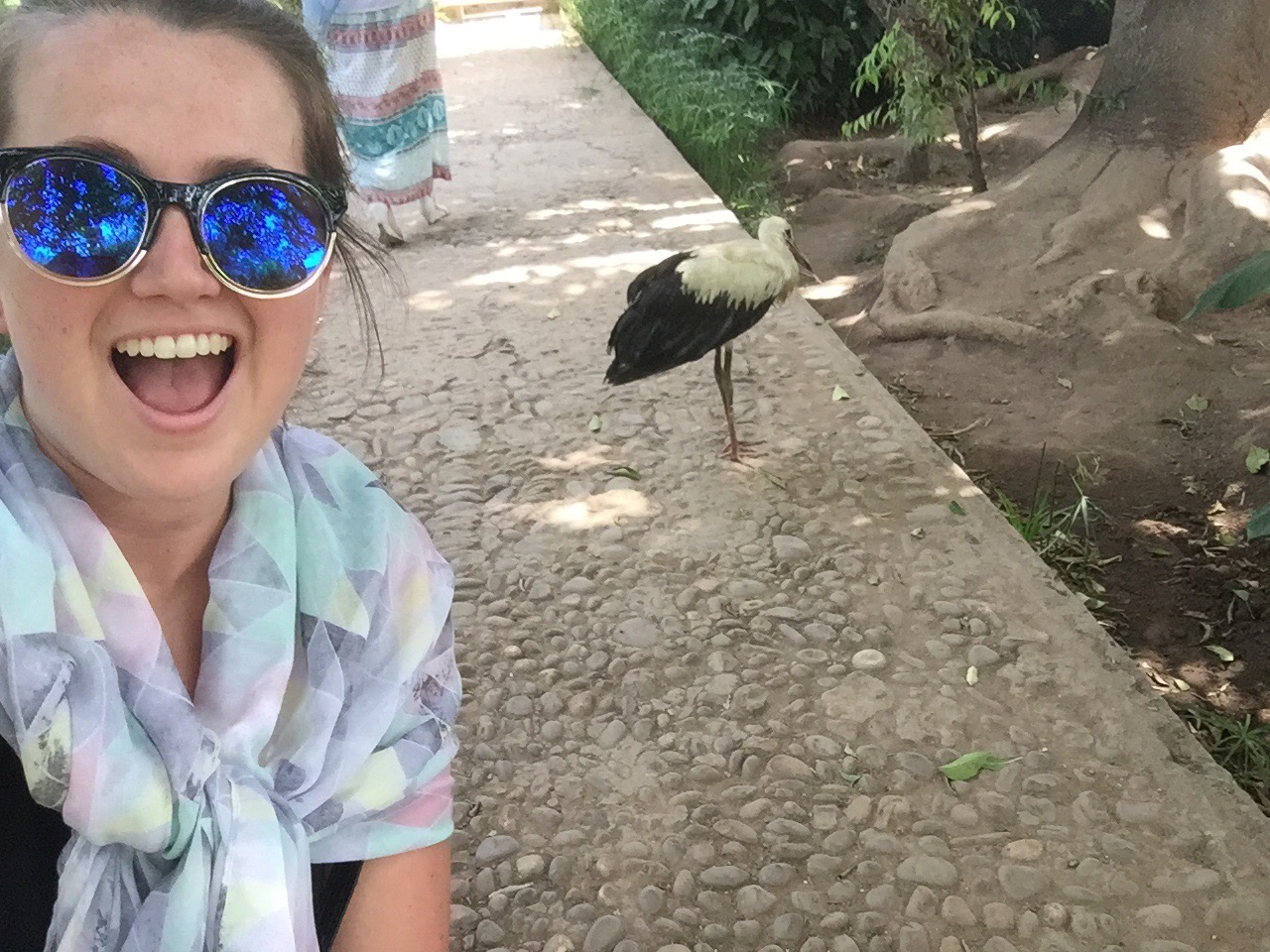
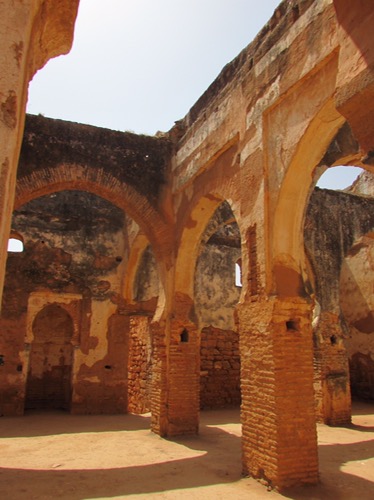
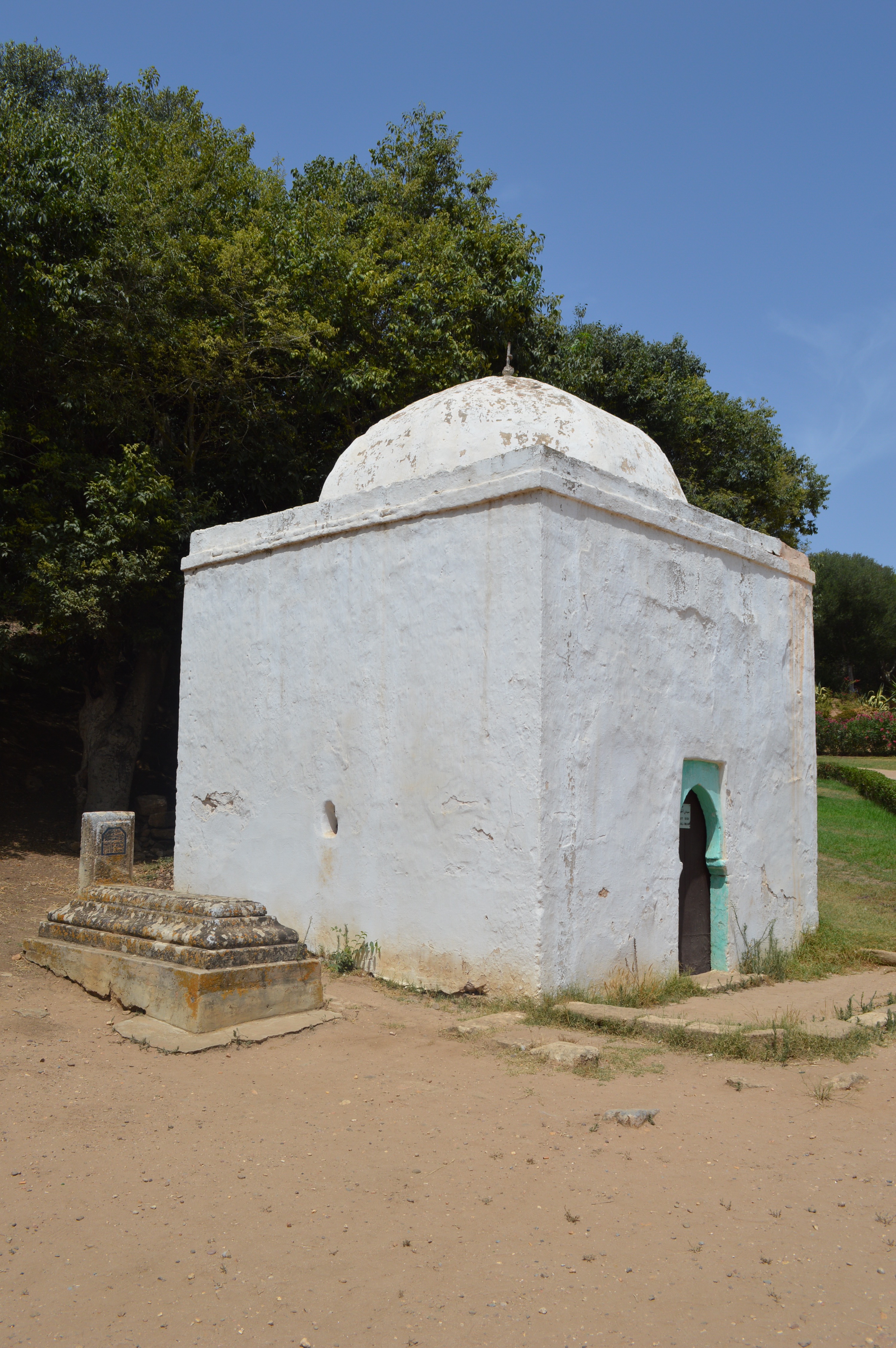
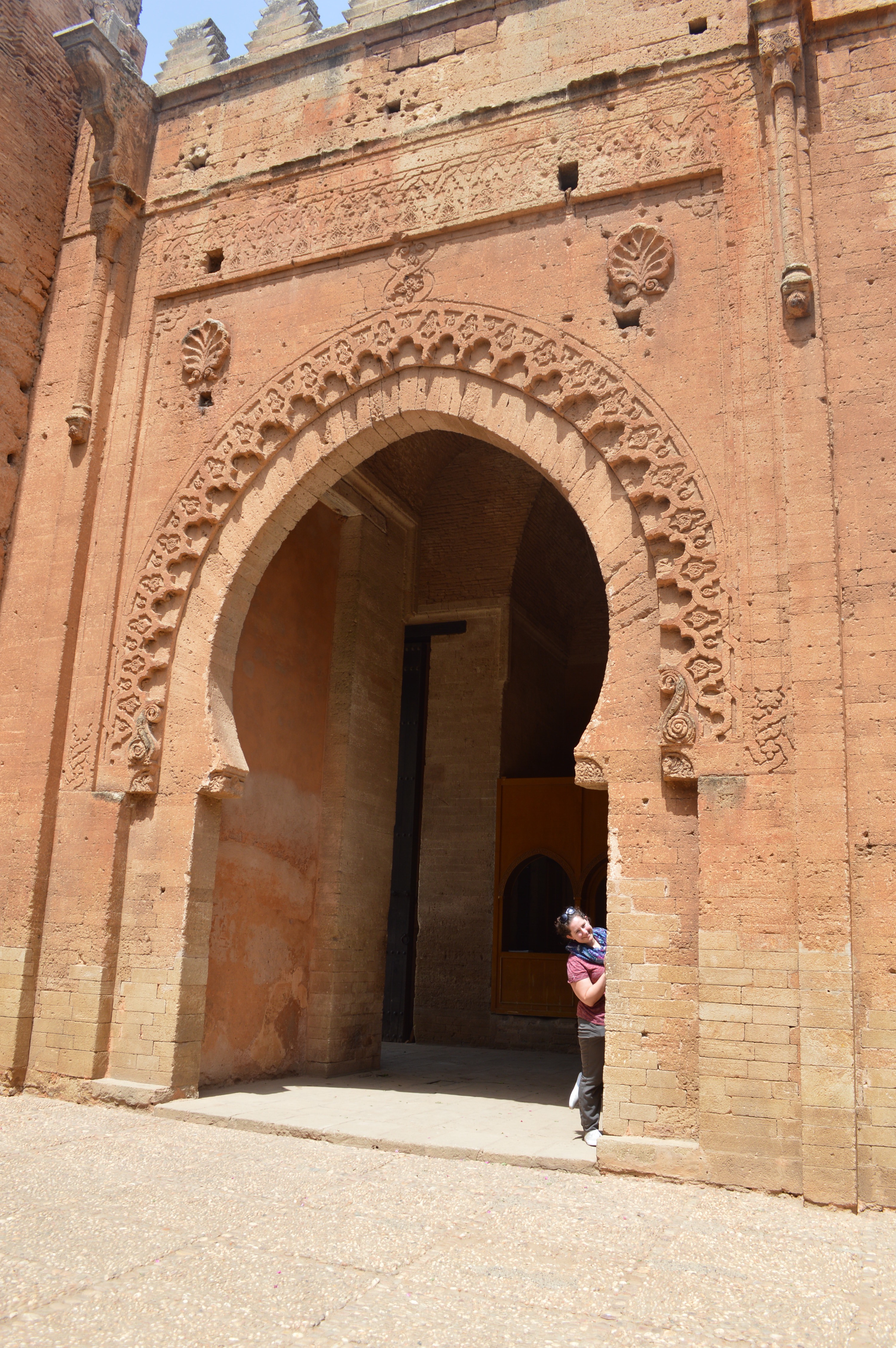
Our next stop was the Merenid necropolis of Chellah – the abandoned, crumbling and overgrown, old Roman city of Sala Colonia. You cannot see much of it at all of from the outside – just an old wall. But as soon as we were inside there was just lush green plants as far as the eye could see. We couldn’t help but stand around in awe as our guide described the history of the area we had just entered. To summarise from what I remember – the Phoenicians were the first to settle on the grassy slopes above the river, but the town really grew when the Romans took control in about AD 40. The city was abandoned in 1154, but in the 14th century the Merenid sultan Abou al-Hassan Ali built a necropolis on top of the Roman site and surrounded it with the towers and defensive wall that stand today. We then started to walk down a path overgrown with wild flowers, through fragrant fig, olive and orange trees (there was a particularly cool tree that looked like a dragon) to a viewing platform that overlooks the ruins of the Roman city. From here our guide let us roam around. Exactly what some of the Roman structures were was difficult to discern, but we could identify more of the Islamic remains with an elegant minaret topped by a stork’s nest! As we continued to wander, we found more of the incredible colony of storks that have taken over the ruins. Potential the most unique feature was the murky waters of a walled pool (marked ‘bassin aux anguilles’ ) where you can feed boiled eggs to the eels that live inside to bring yourself fertility and easy childbirth. Or you can throw in a coin and wish for whatever you like – the Trevi Fountain of Morocco! 


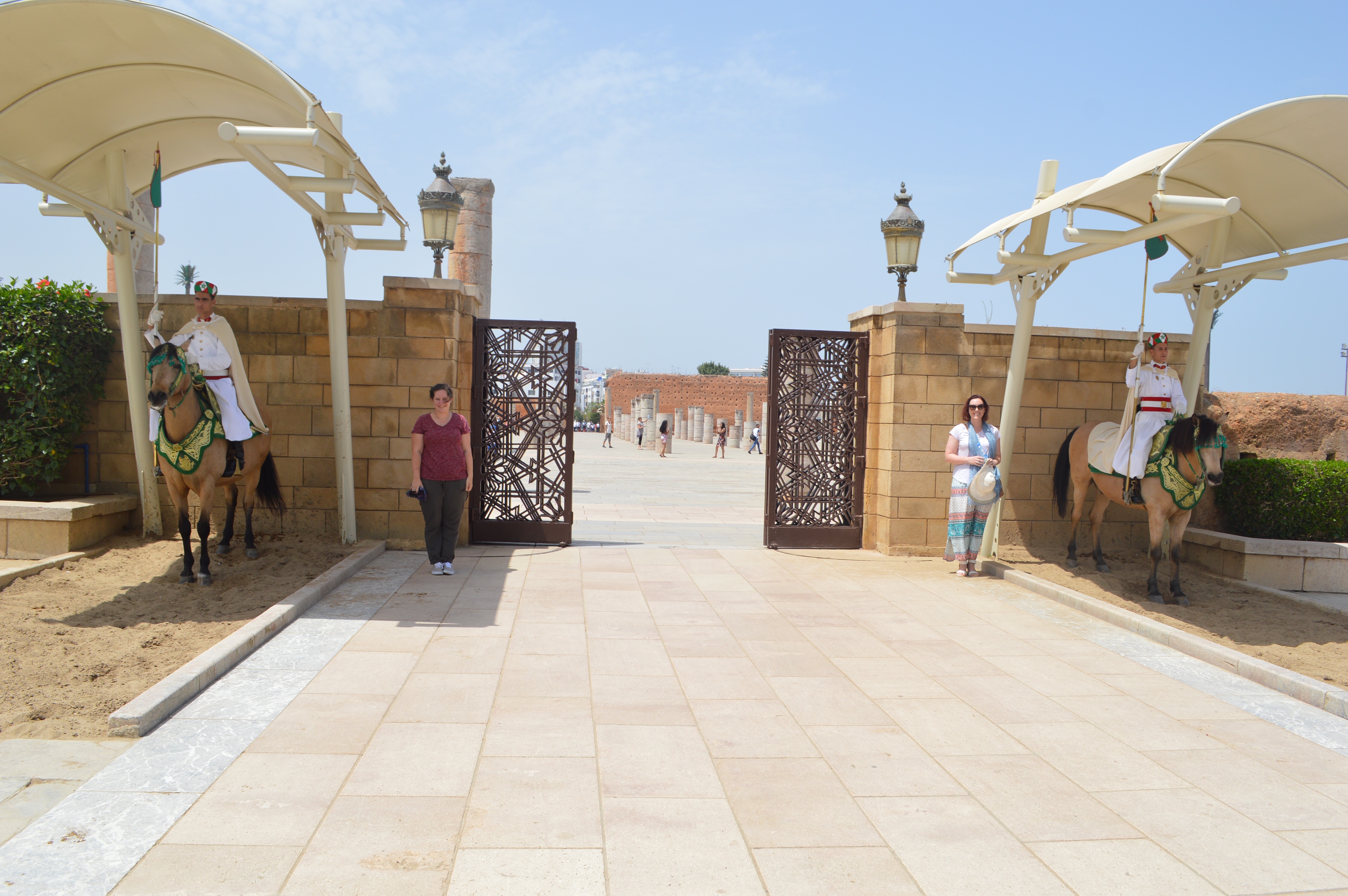
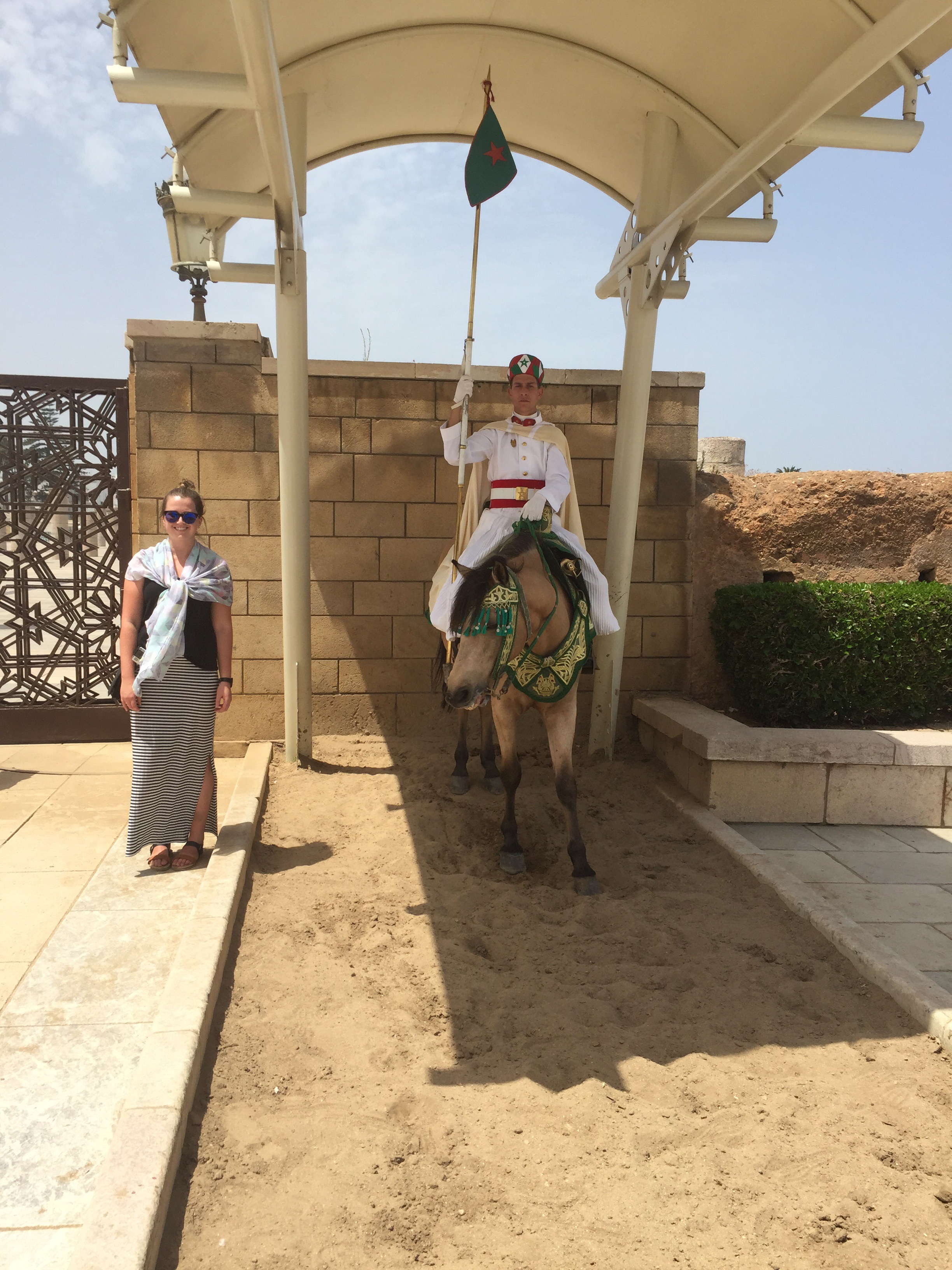
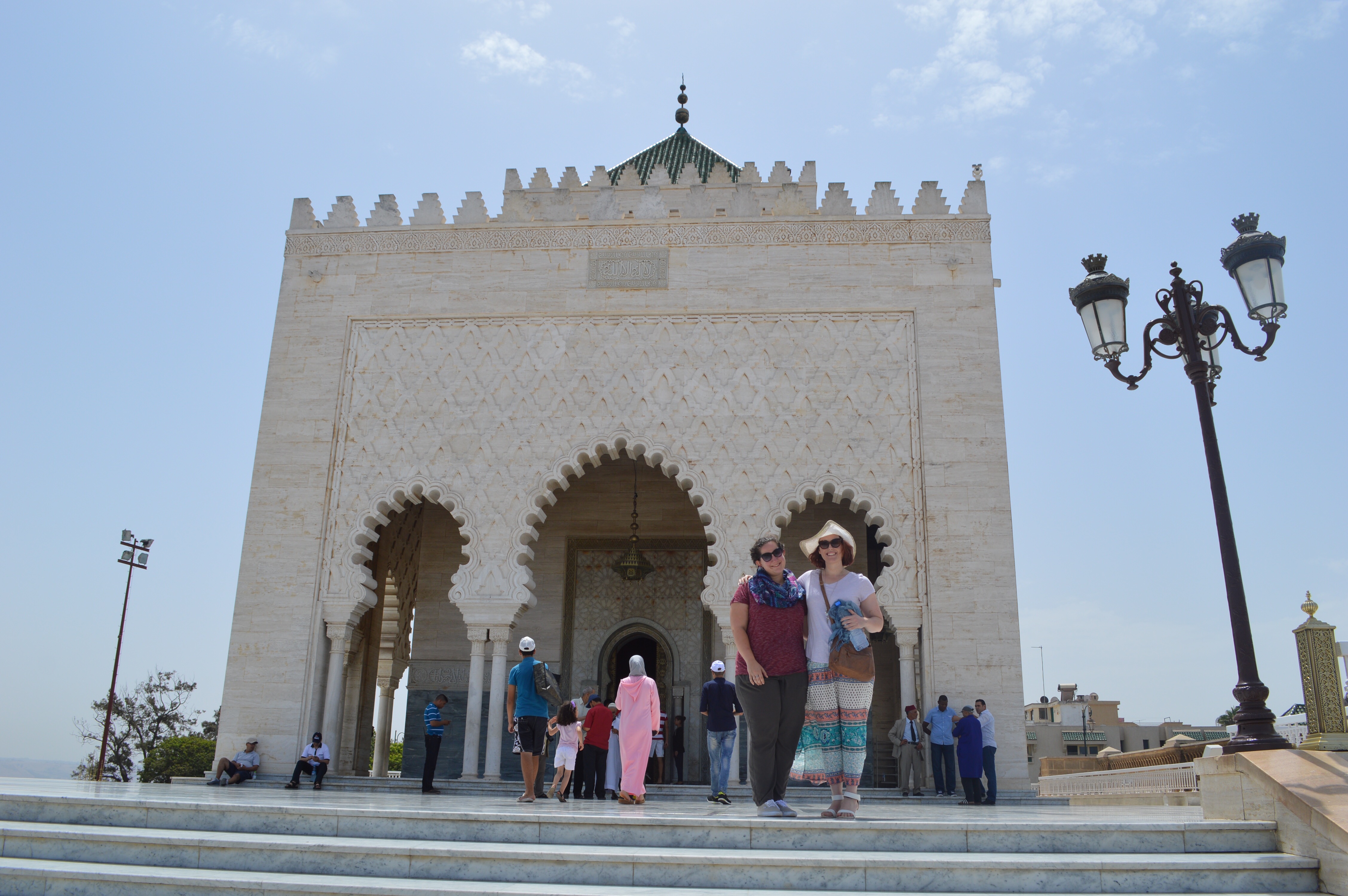
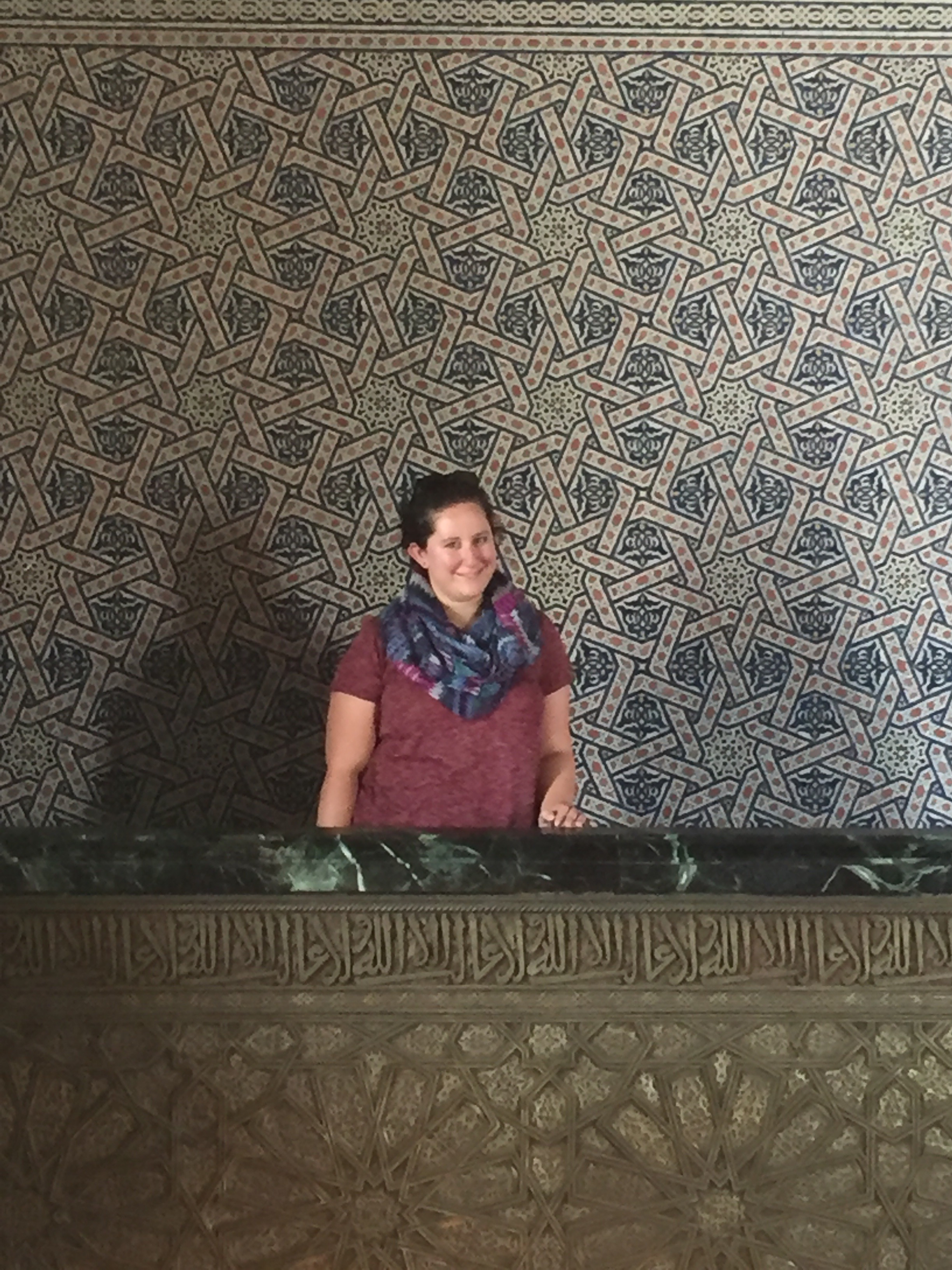
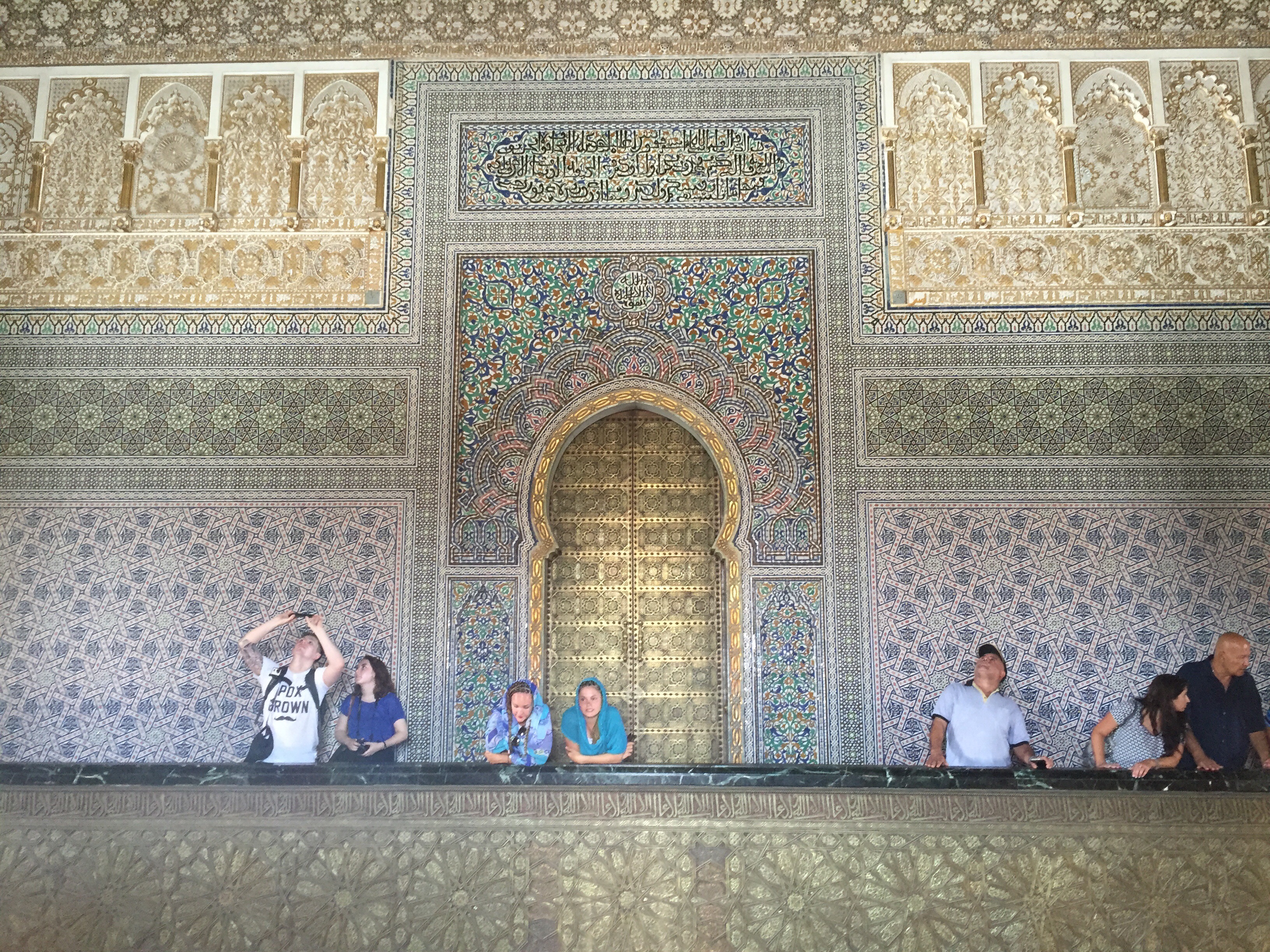
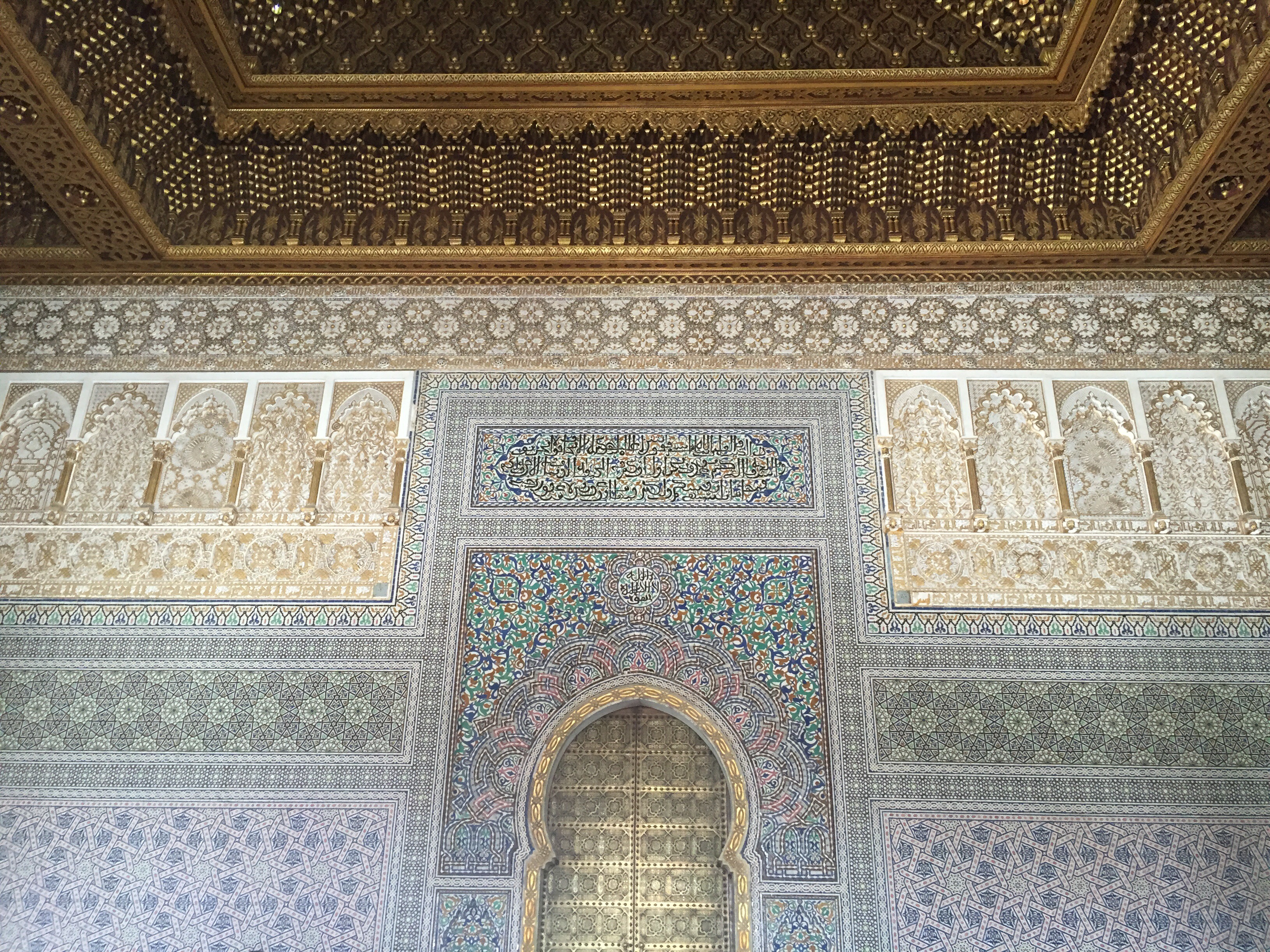
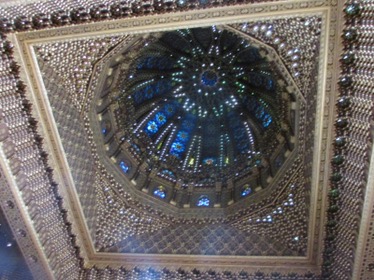
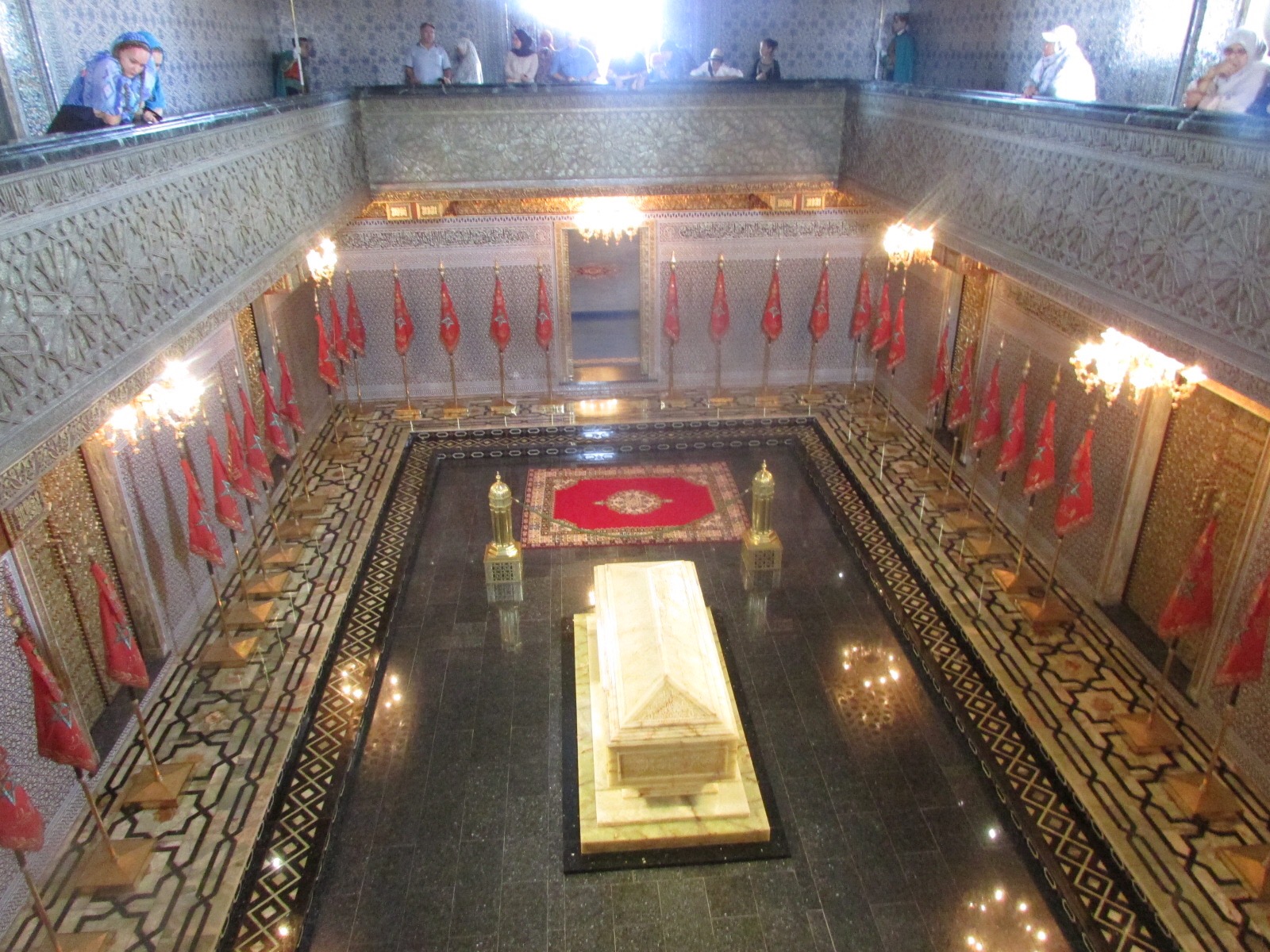
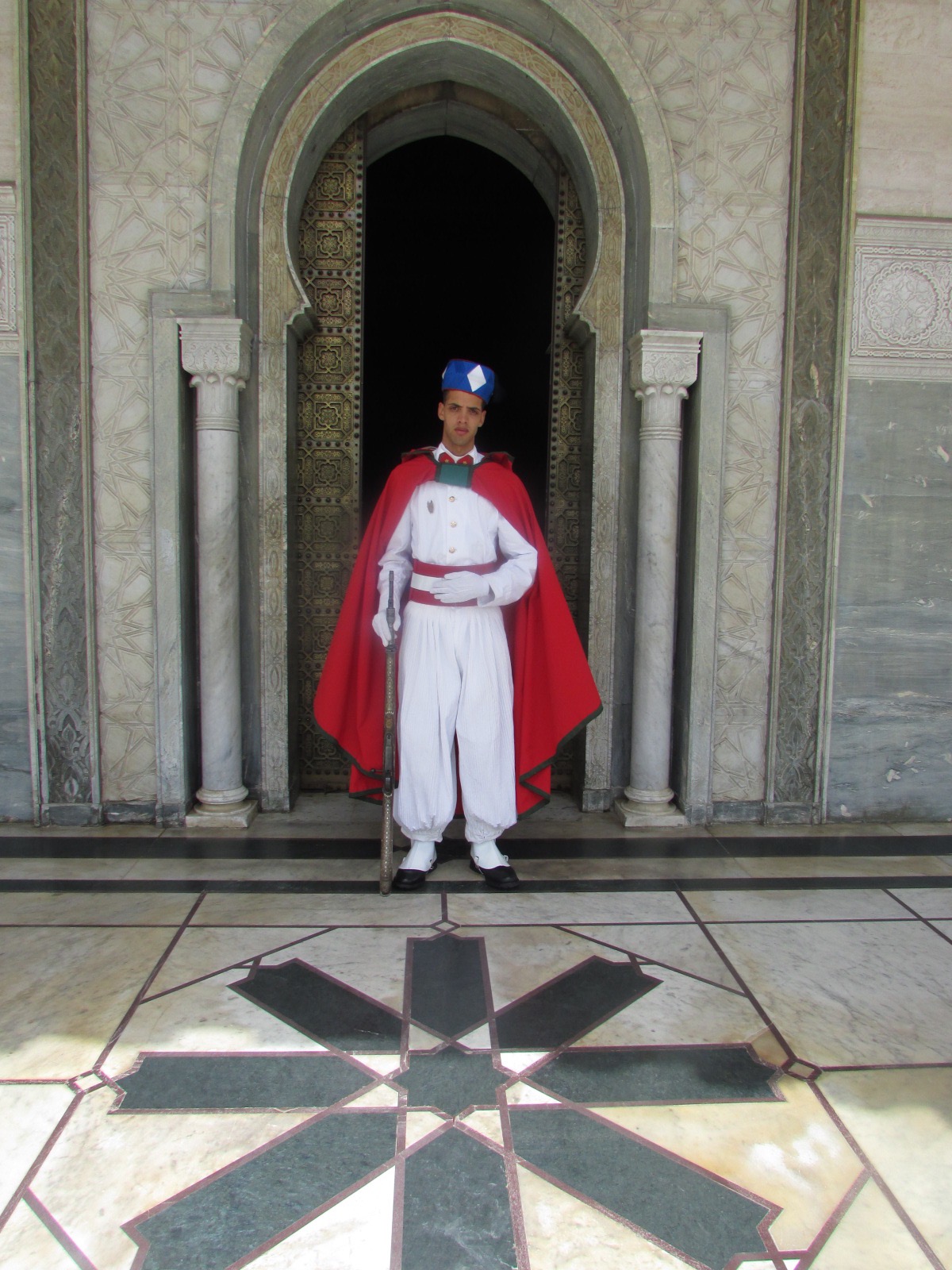
Next we headed to a square where there was the marble Mausoleum of Mohammed V and Hassan Tower. Before going inside the square we had to stop to take one of the most iconic photos you can take while traveling – a photo with guards! Apparently we were allowed to touch their horses but we decided it was probably best to keep some distance from the men with weapons (though to be honest I did think our guide had said hoses and I didn’t really understand…..). We were told to head straight to the Mausoleum to avoid some of the crowds. At each of the four entrances to the Mausoleum, as well as each of the four corners inside, there were stationed guards. They all wore slightly different coloured uniforms representing different things. Inside there are two men, at all times, reading quietly from the Koran as this is where the present king’s father (the late Hassan II) and grandfather have been laid to rest. We could look down on the tomb from a gallery which is a very tranquil place, despite the copious amounts of detailed decoration.

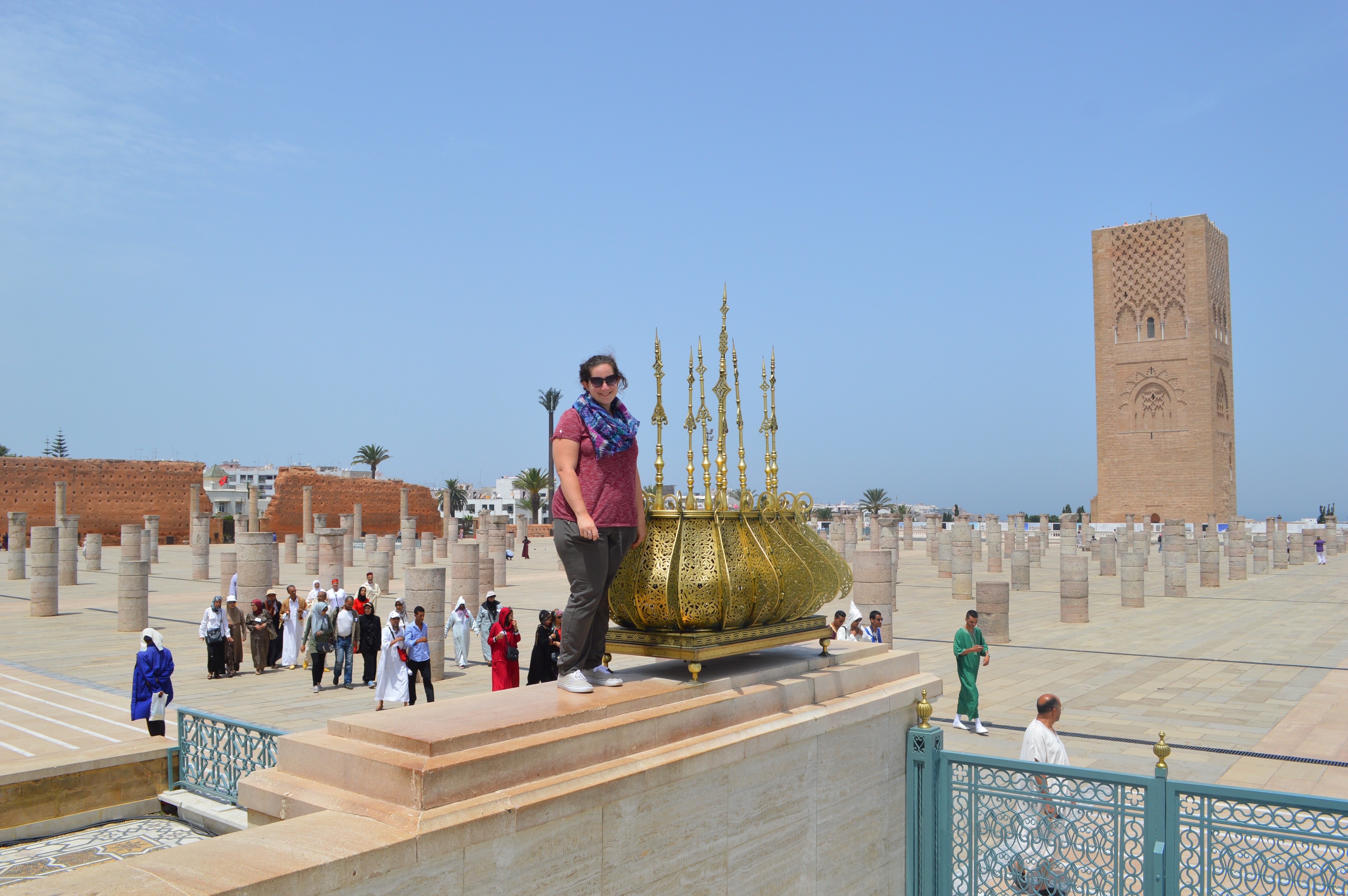
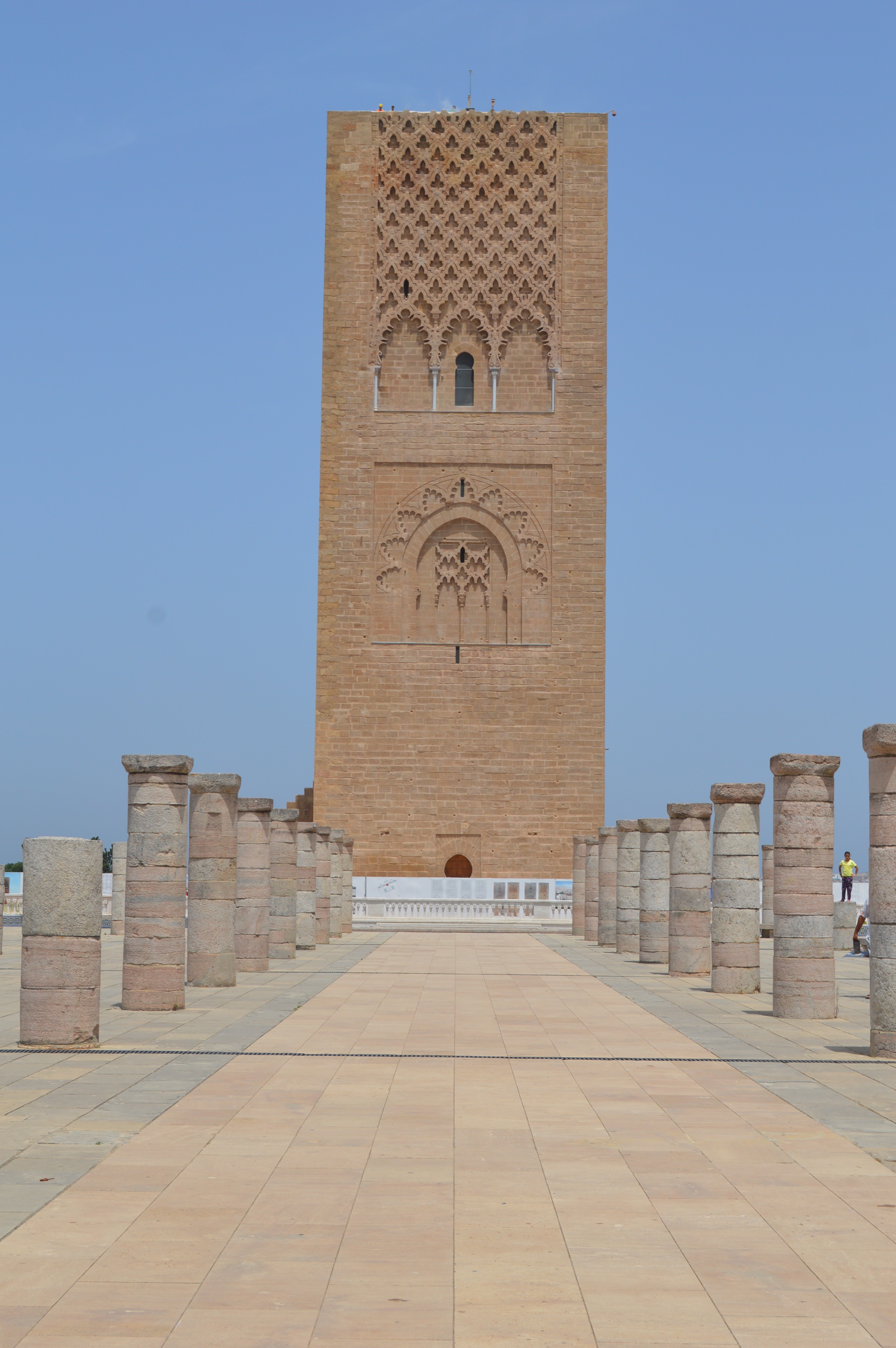
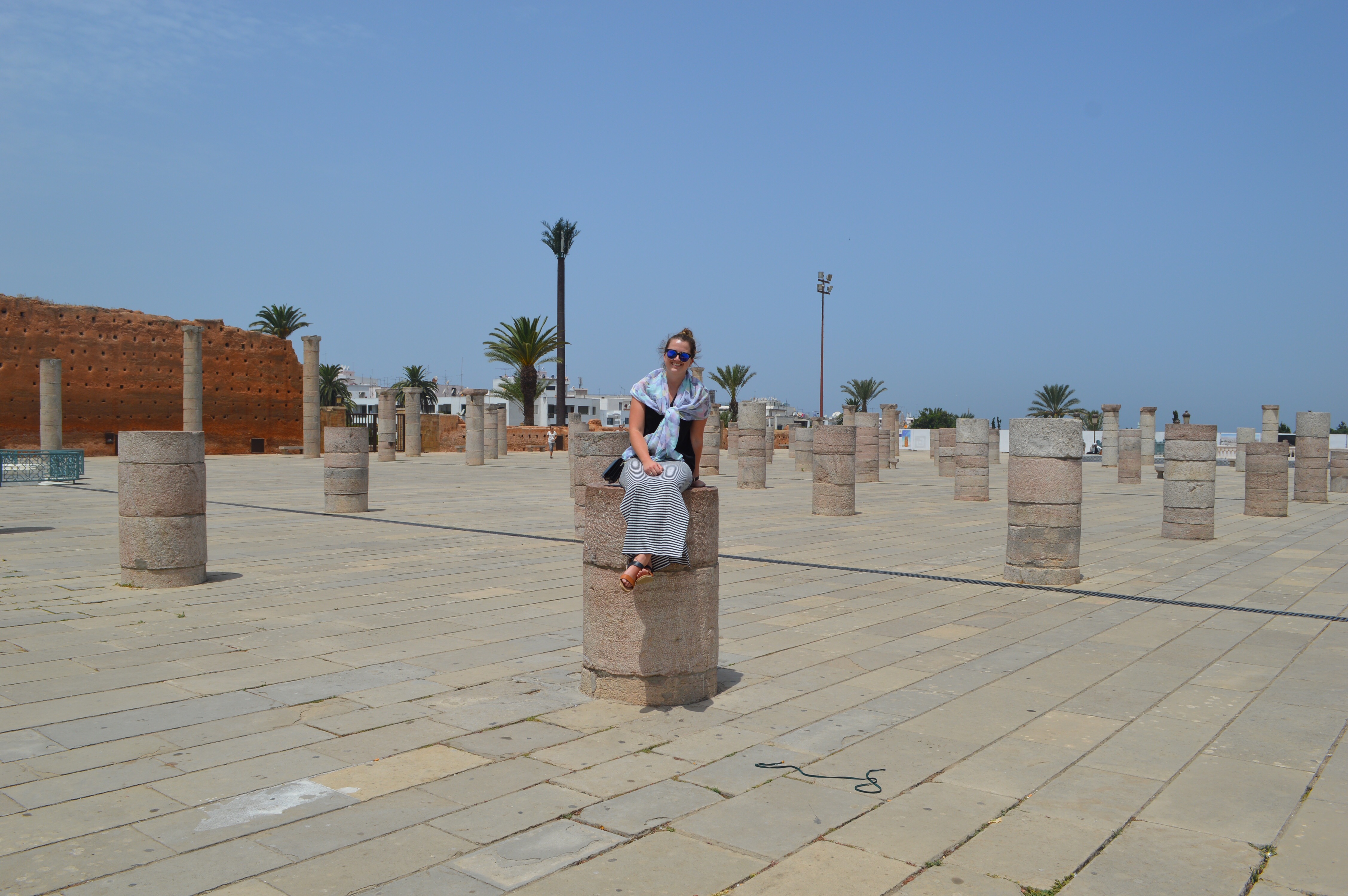
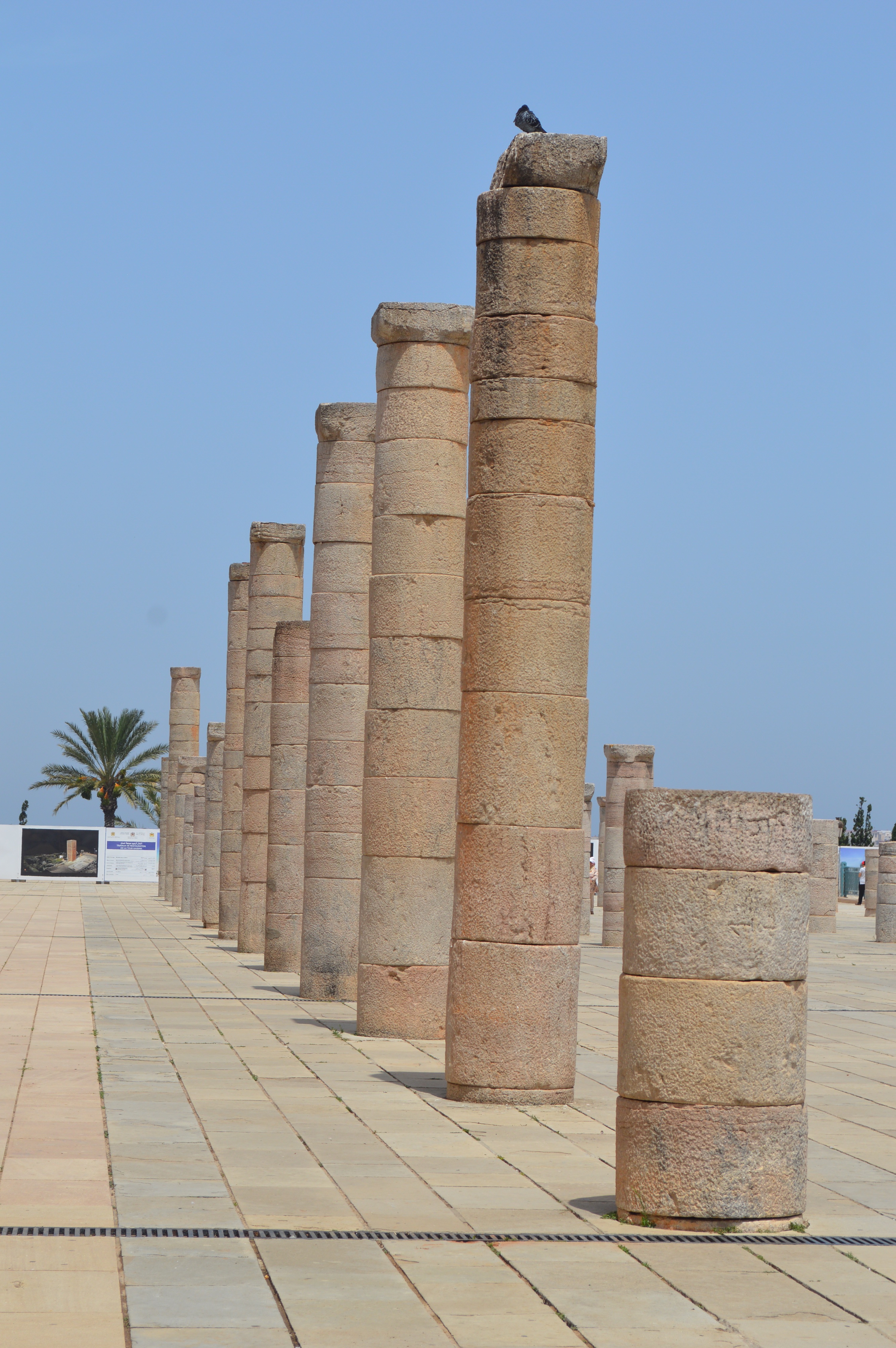
In the square in front of the Mausoleum is the Hassan Tower and the remains of a mosque which would have been the second-largest mosque of its time. The minaret was intended to be 60m-tall, but the tower was abandoned at 44m after the death of the Al-Mansour, who commissioned the build. The mosque was destroyed by an earthquake in 1755, and only a forest of shattered pillars remain.

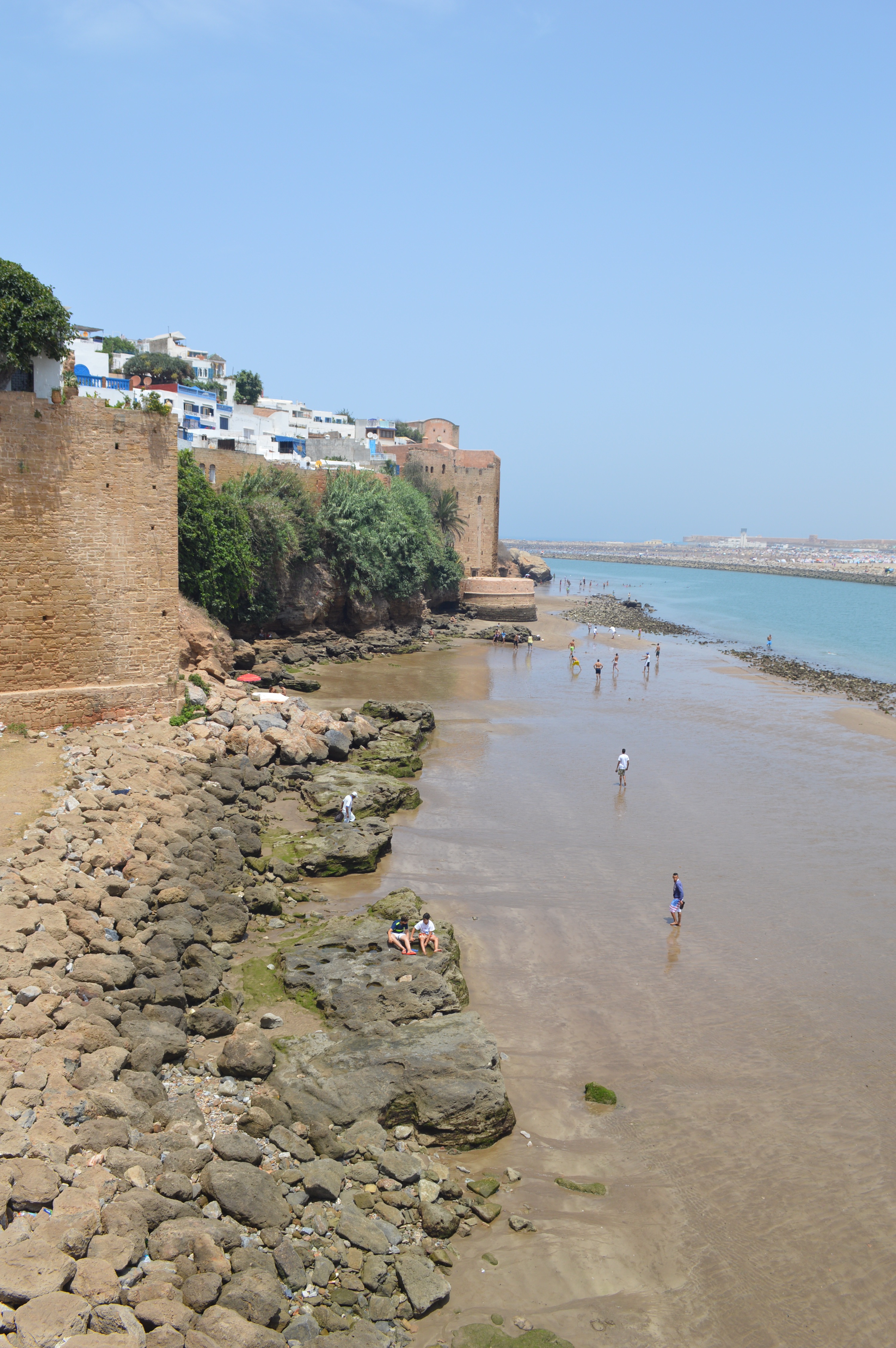
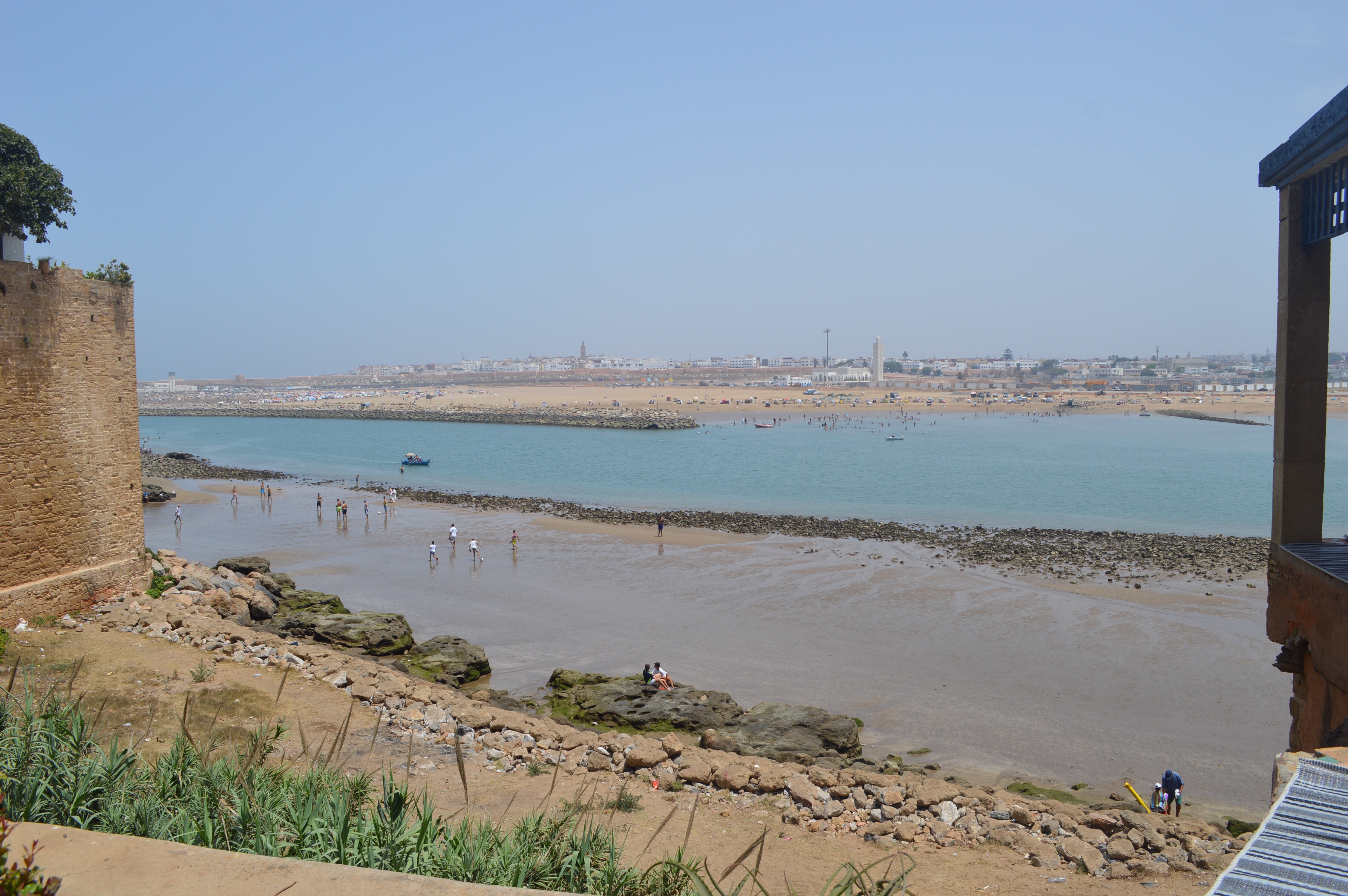
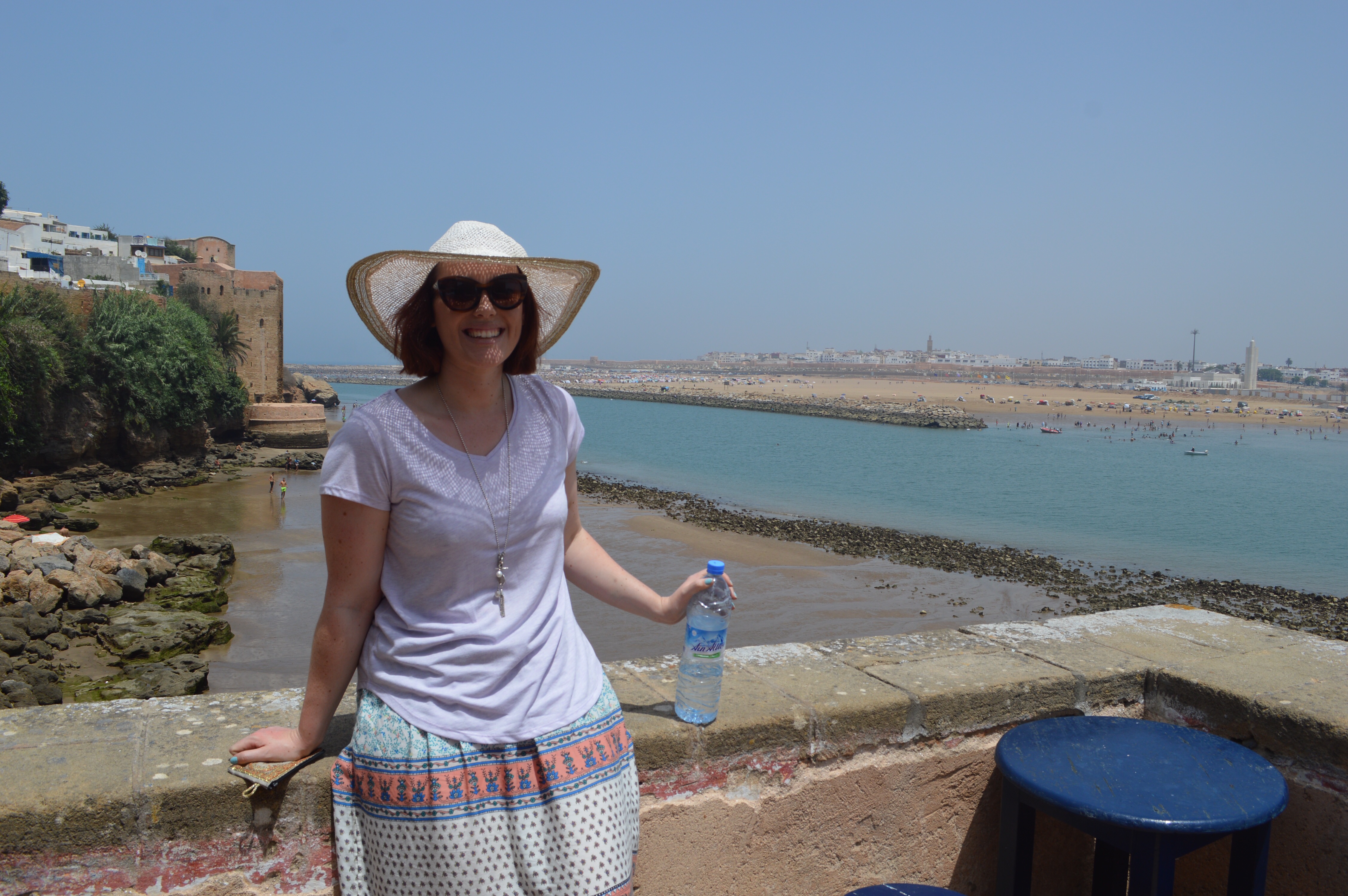
Our final stop before lunch was the Oudaia Kasbah. This is the oldest part of the city, the site of the original ribat, and commands powerful views over the river and ocean from its cliff-top perch. They really were incredible.


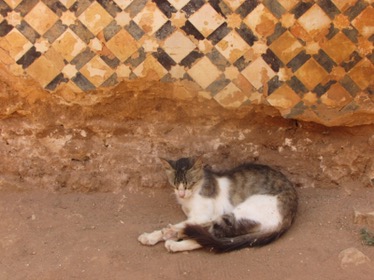
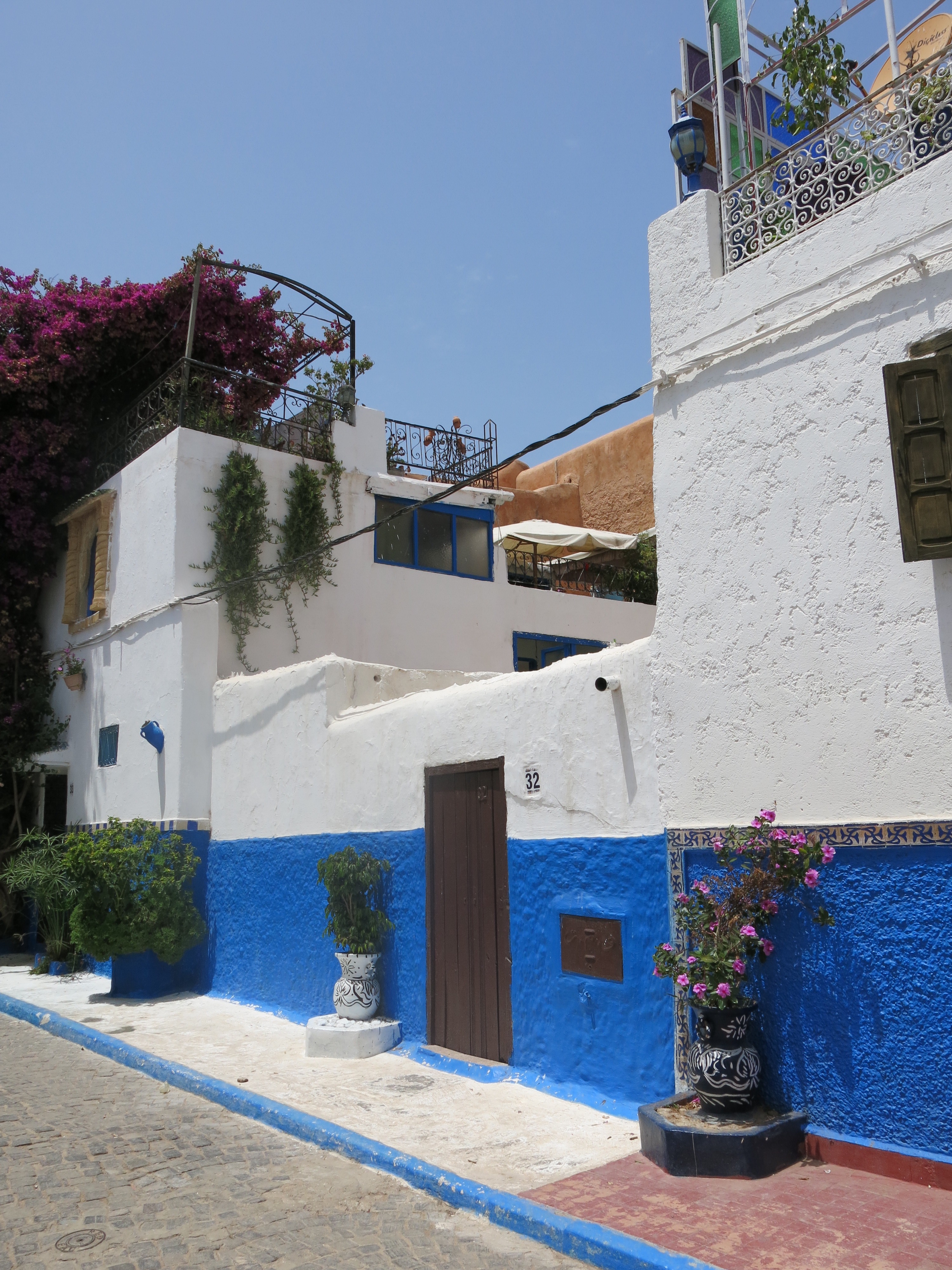
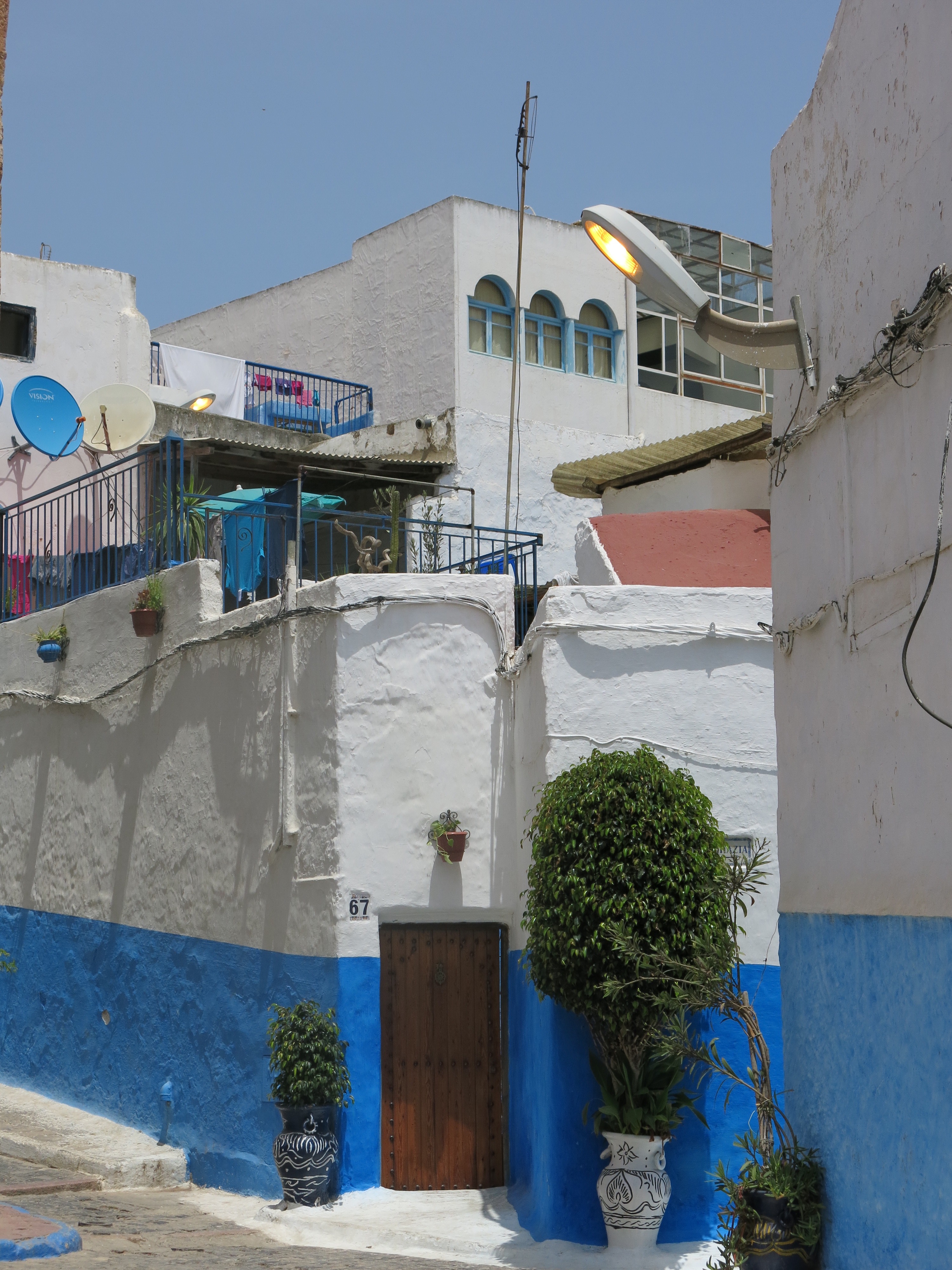
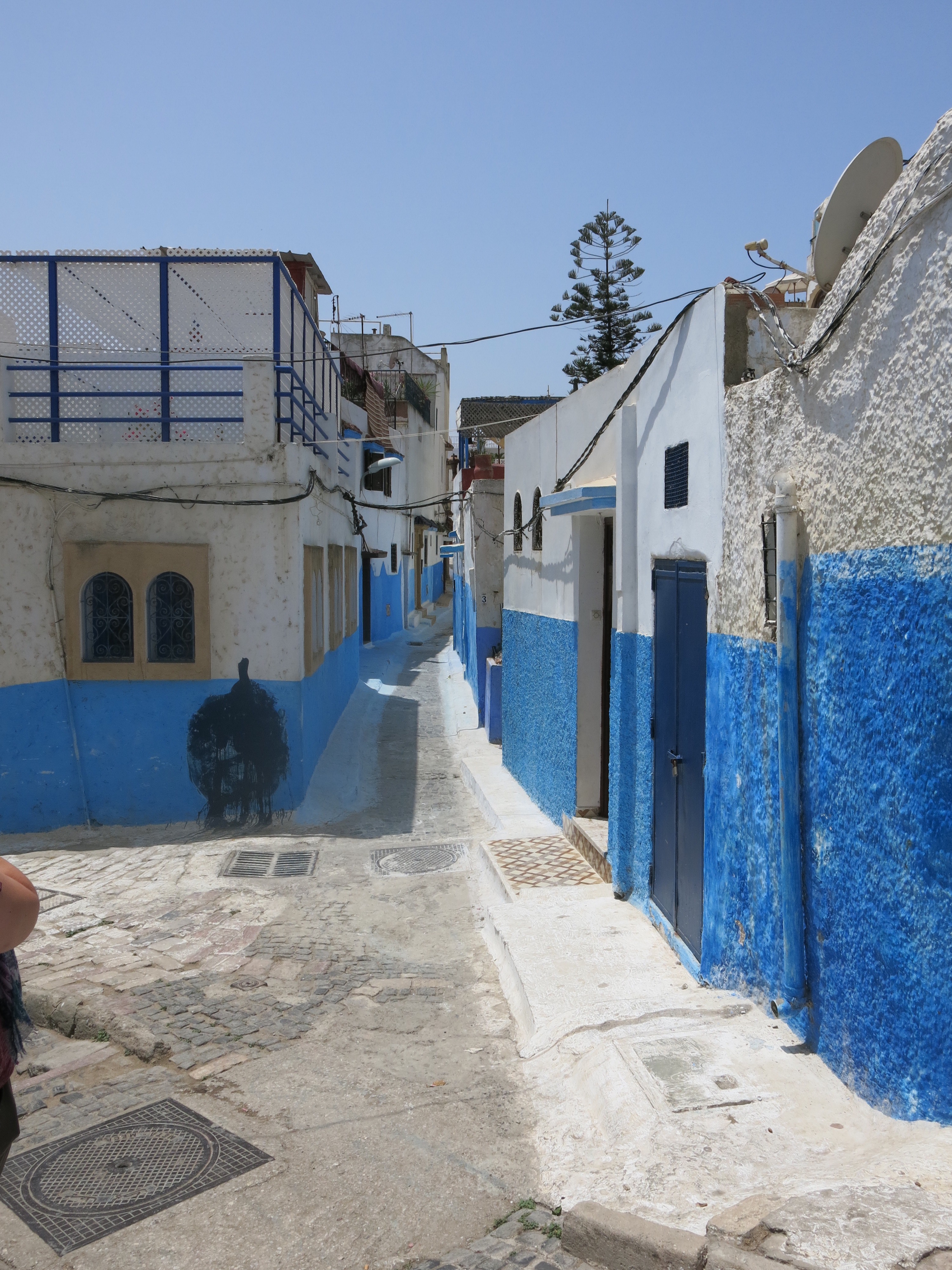
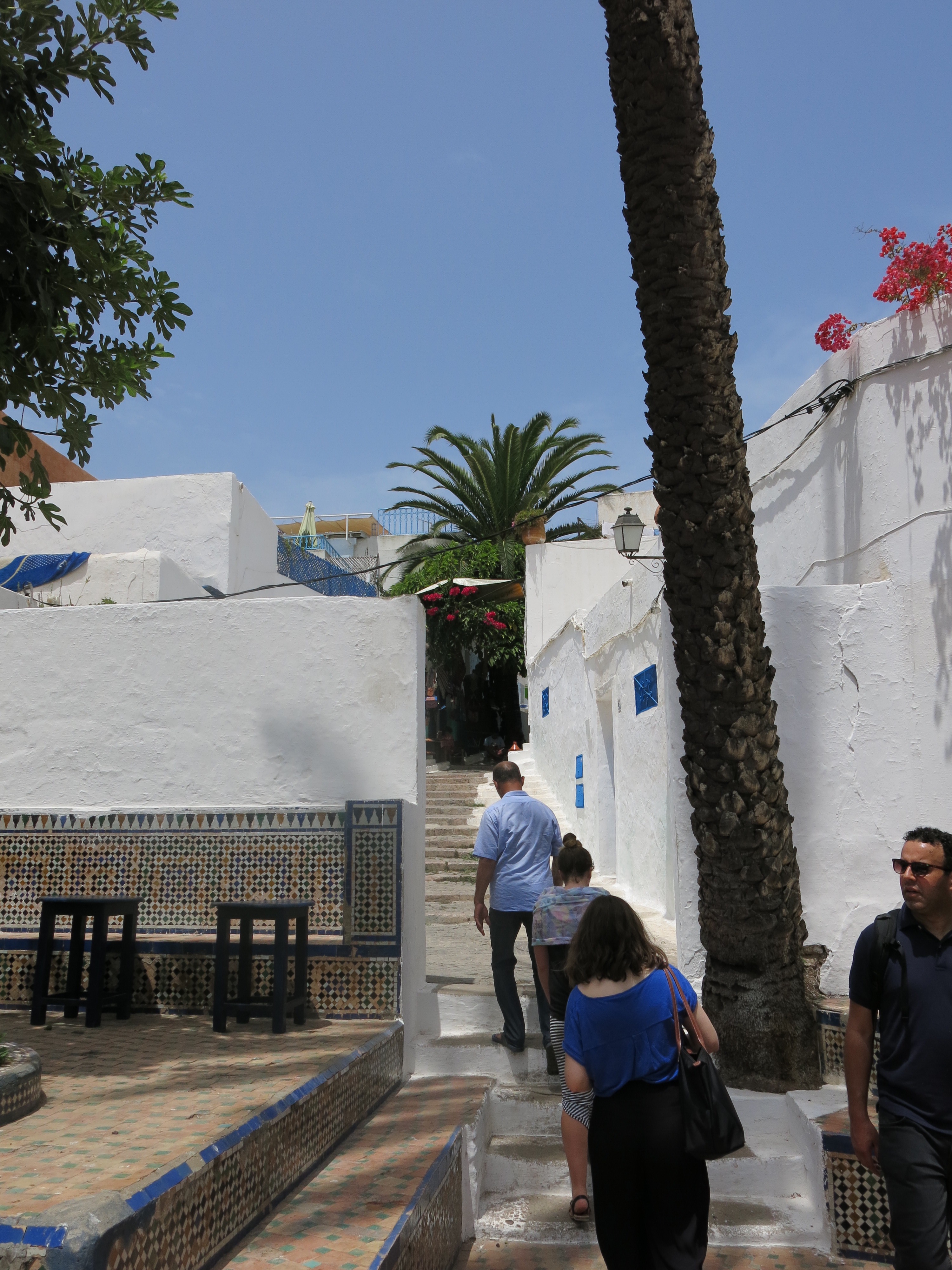
The kasbah is now predominately residential and our guide took us around some of the narrow and picturesque streets, lined with whitewashed houses – most of which were built by Muslim refugees from Spain. As well as about 1,000,000 cats, we also passed the oldest mosque in Rabat, built in the 12th century and restored in the 18th. We stopped multiple times for our guide to say hello to people he knew (which seemed to be everyone) and he took us inside a bakery, waking up the sleeping employees on their tea break as we went. They didn’t seem to mind being woken up though, and happily took us in to show us where they made the bread. 


After what felt like a whole day of adventuring (and dying in the heat), but had actually only been the first part of our day, we headed to the marina for lunch. We were surprised to find guards at the marina. Apparently one of the restaurants is owned by the Kings family and all such businesses have increased security associated with them! No one was sure exactly what to have for lunch – the pizza and pasta looked delicious, but we were in Morocco! We decided to ask Mohamed. He said, without any hesitation, “pizza or pasta, by halfway through the trip you will be eating nothing but Moroccan food”. Everyone except Mohamed got pasta and it was amazing! We had a great time, telling Mohamed about our day and some of our guides funny moments. He looked at as all rather knowingly and nodding his head saying “oh yes, he is a crazy boy”. With full tummies and smiles on our faces we headed back to the van for our next destination – the quieter, smaller and more laid-back of the four imperial cities, Meknès! 


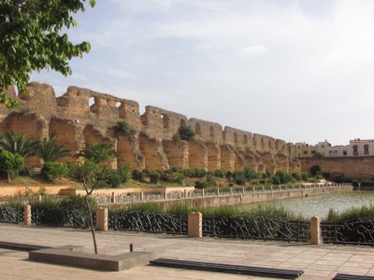
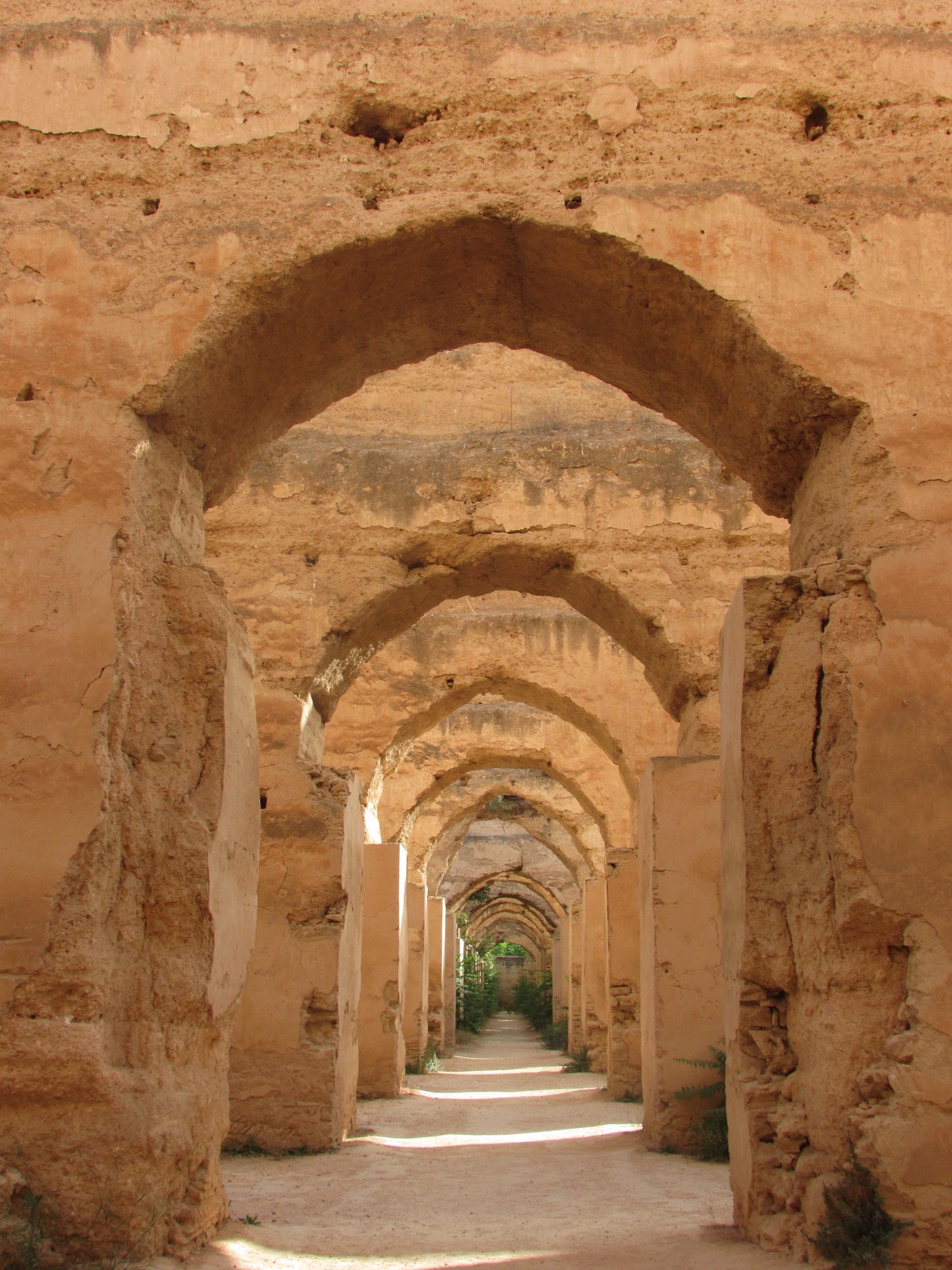
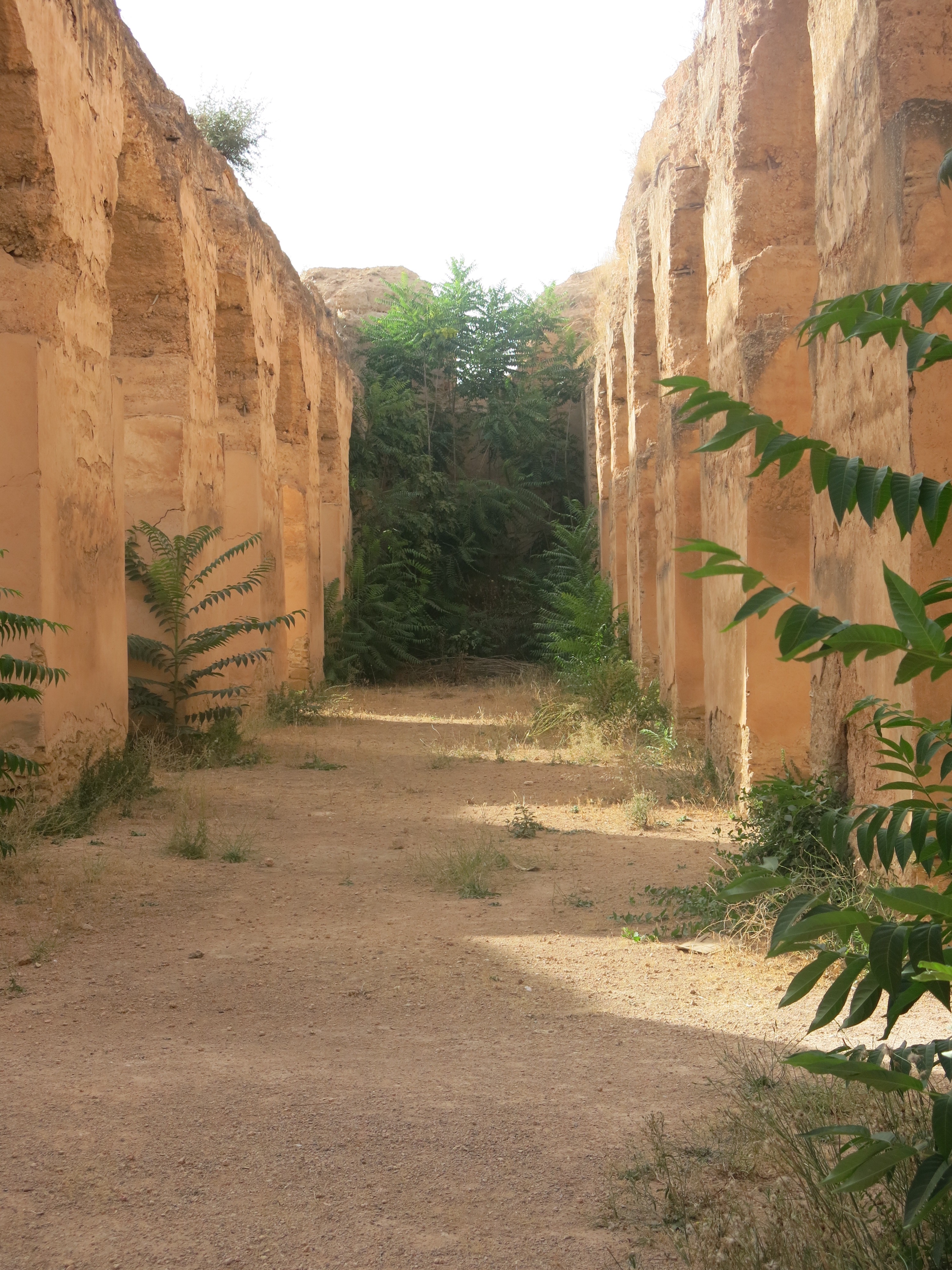
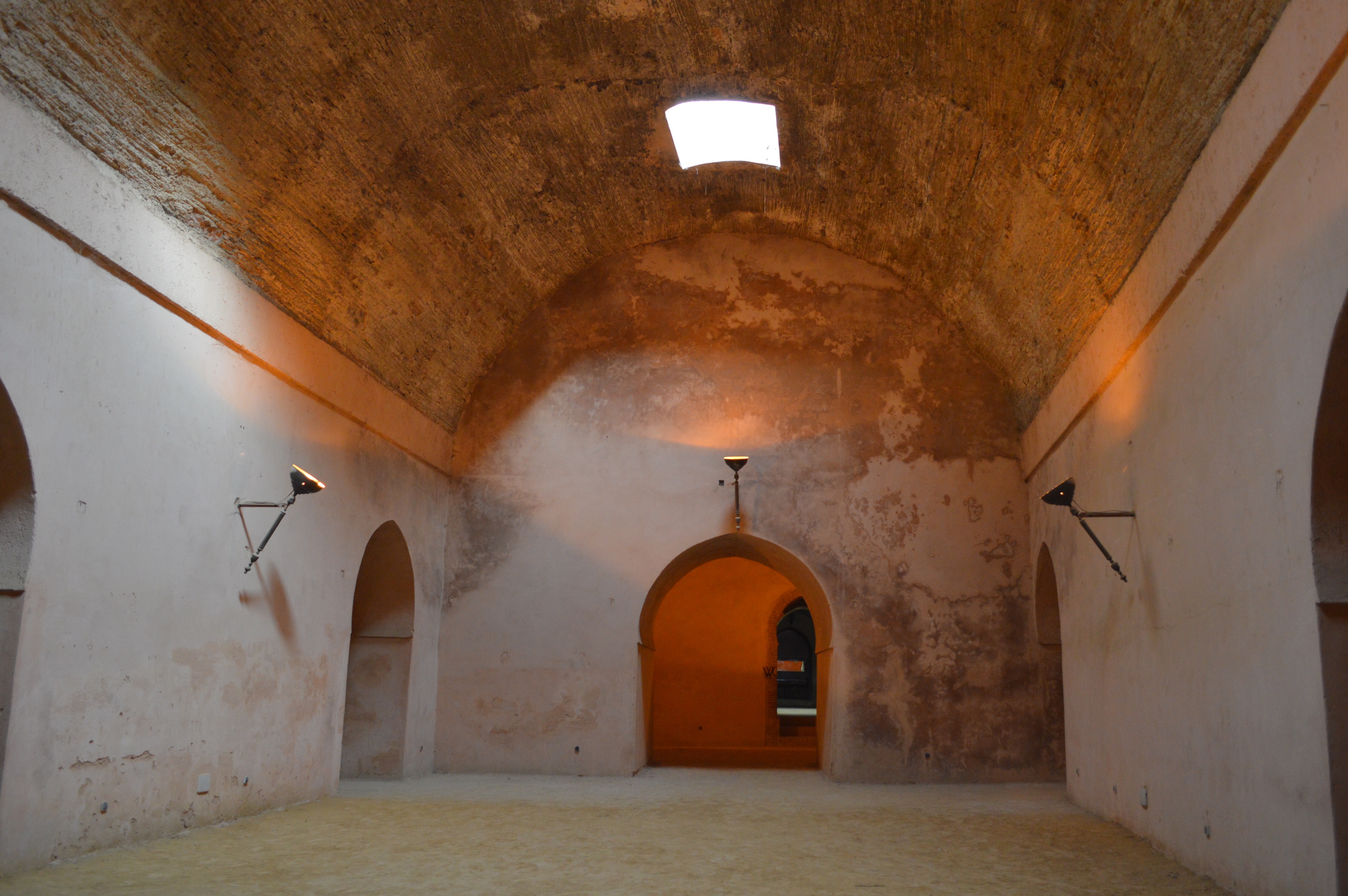
The scenery started to change as we drove the 1h 48 min (150.2 km) towards Meknès. Mohamed informed us we were coming into more of an agricultural region with abundant production of cereals, olives, grapes, citrus fruit and more. On our drive into town we drove past the Royal Palace (no visitors allowed in this one) and it was striking how the vegetation on that side of the street was so green and lush, and the opposite side to the Palace was brown. We met our next tour guide a few kilometers outside Heri es-Souani – an area of immense granaries and stables built for 12,000 horses! The roof, as well as other parts of the building was destroyed a long time ago by the Lisbon earthquake, but they have restored a bit of it. The vaults are very impressive – row upon row across a huge area. Probably the most impressive part of the building was the cooling system. Tiny windows, massive walls and underfloor water channels kept the temperatures cool and air circulating. You could certainly tell the difference when you moved from inside to outside the building! It has also been used many times as a film location. Perhaps the more famous ones being The Last Temptation of Christ from 1988 and The Mummy.


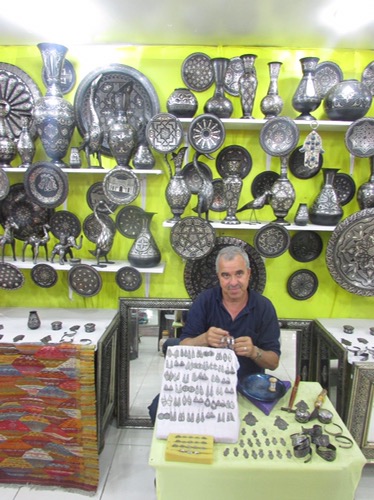
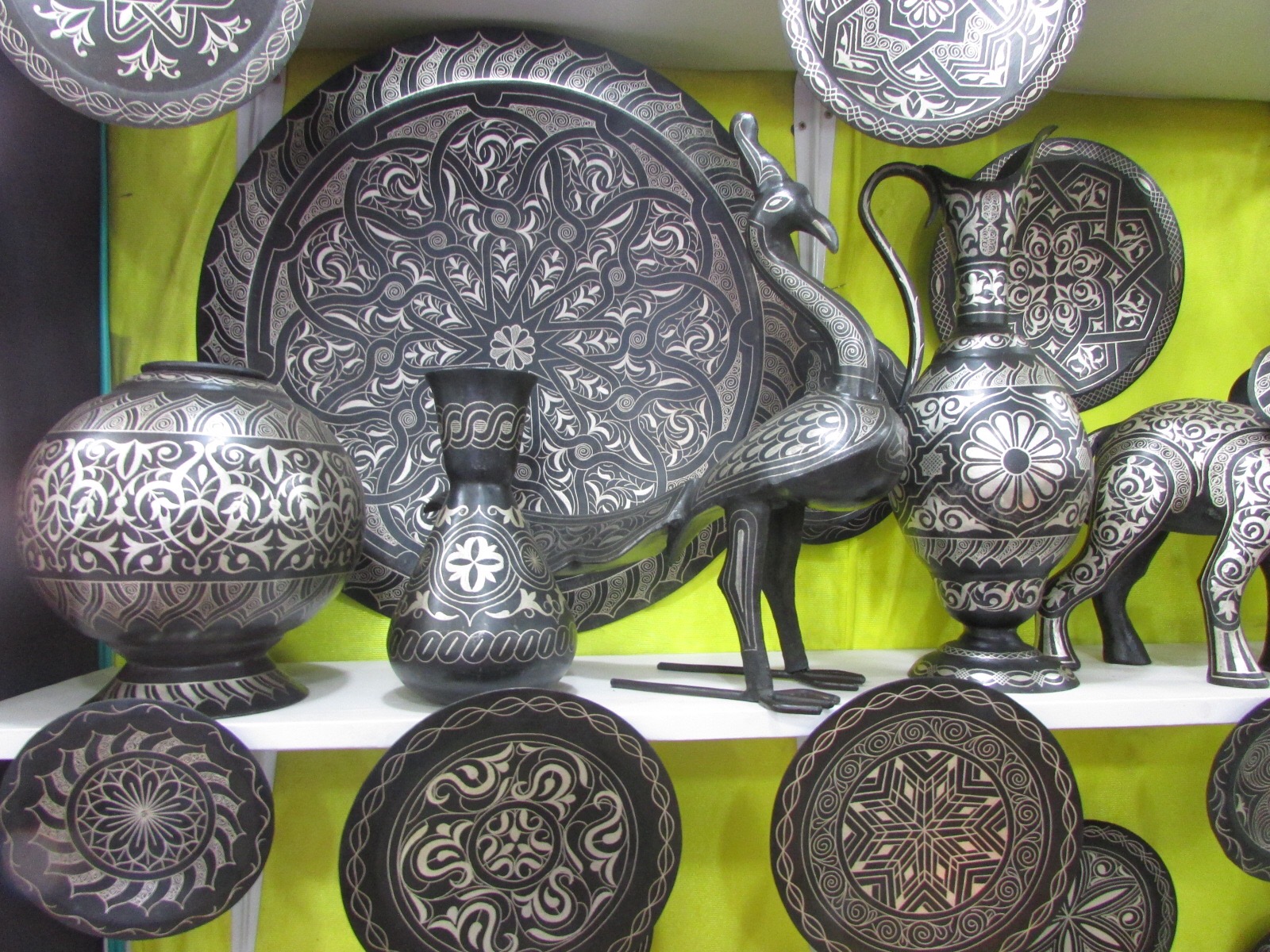
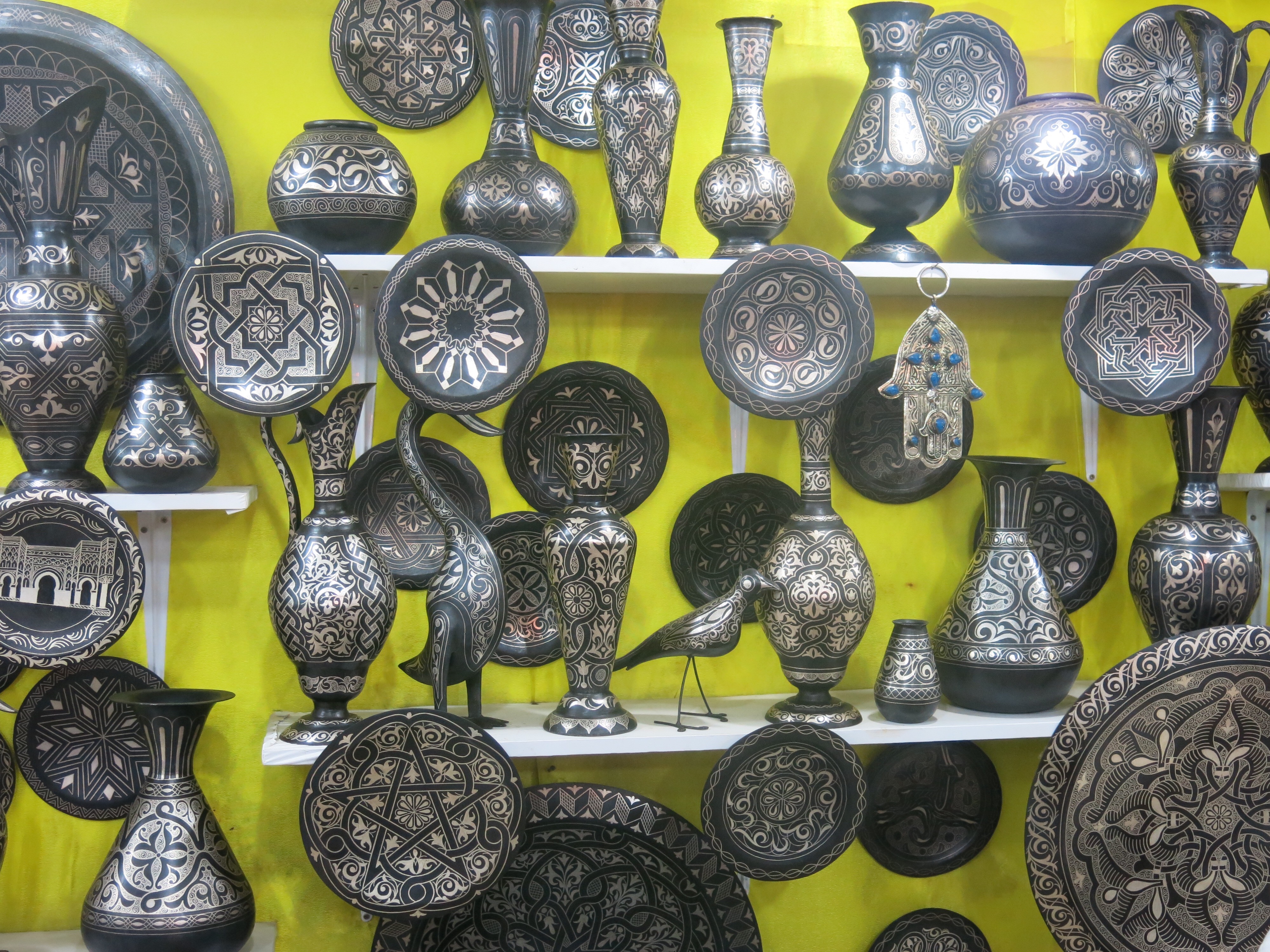
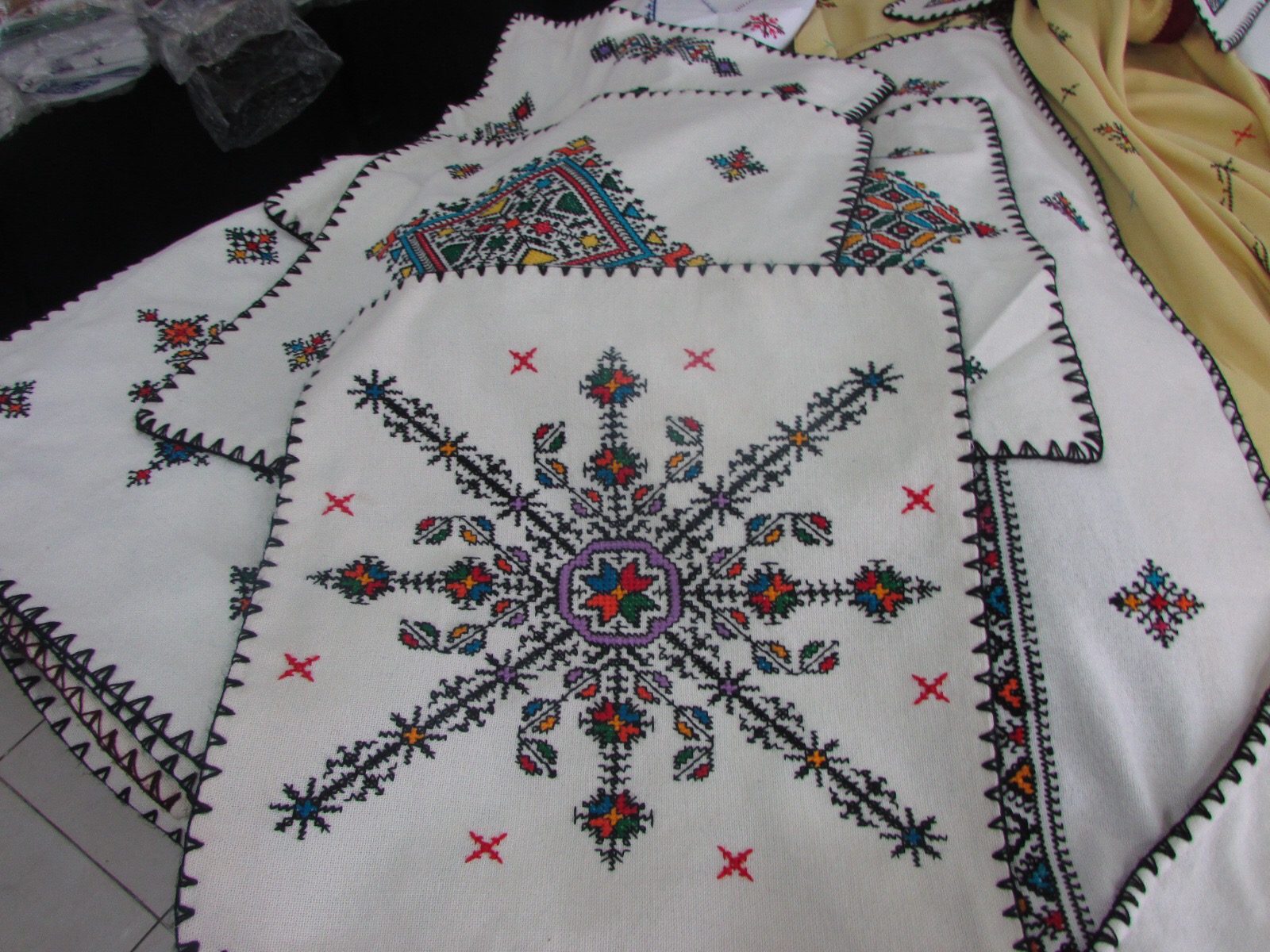
Next our guide took us into the city of Meknès – surrounded by high walls with great doors, the style was described to us as a Spanish-Moorish blend. Even though it is smaller than the other imperial cities, it still had all the winding narrow medina streets and grand buildings! First we stopped over at a small store where we saw some metal work and had a demonstration/explanation of how it is all made as well as seeing some beautiful embroidery completed by the local nuns and orphan girls – it was incredible. 


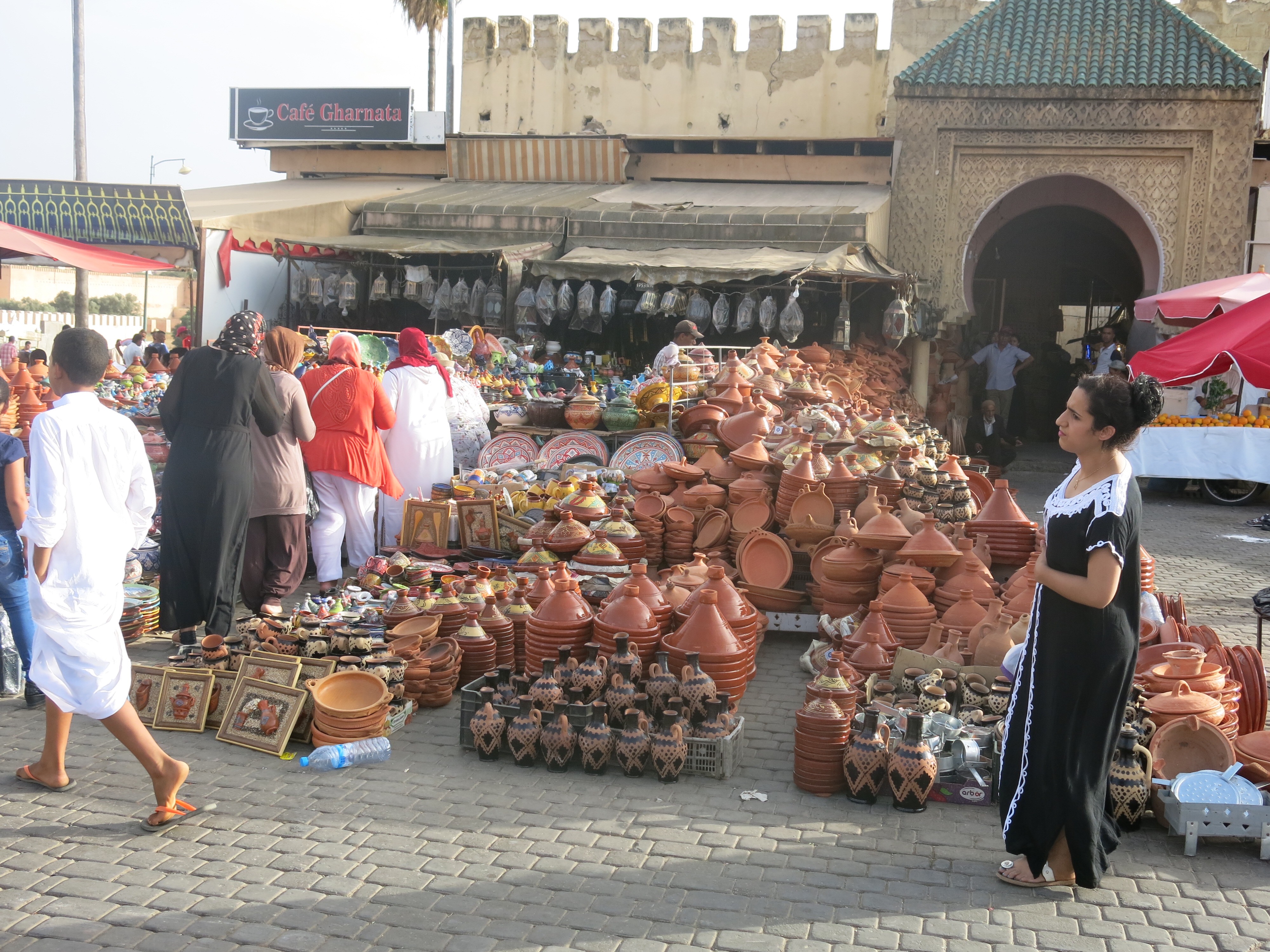
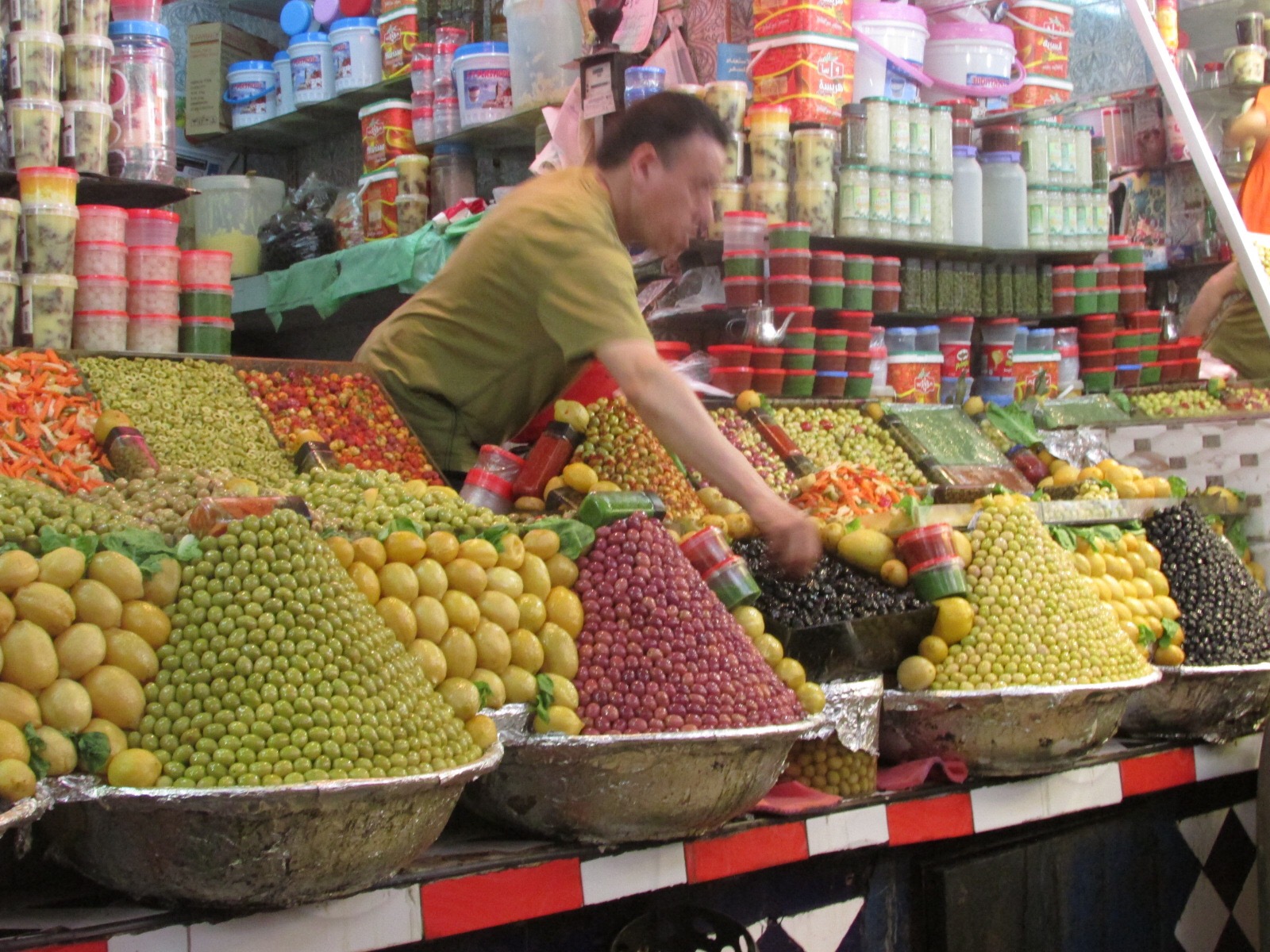
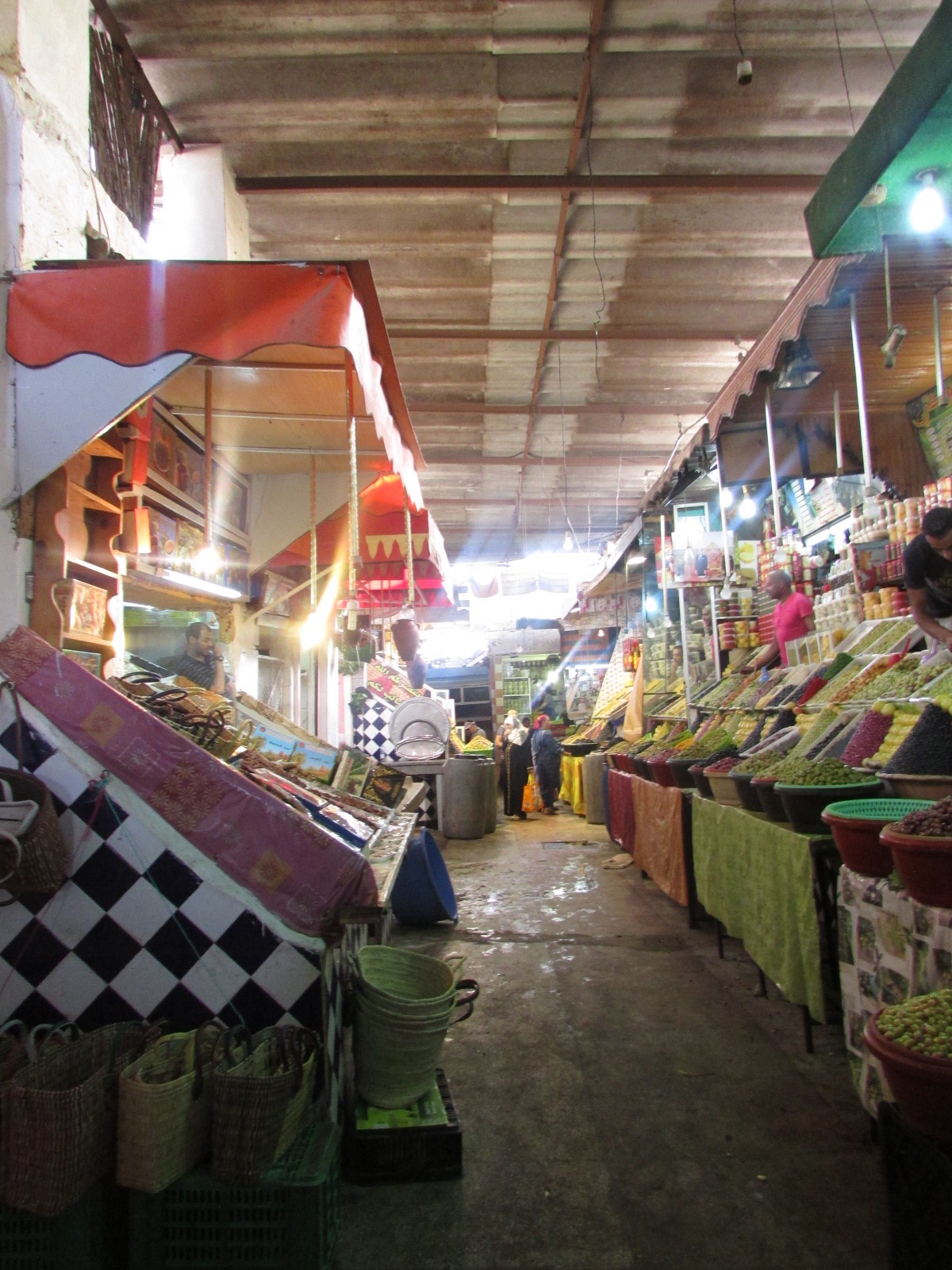
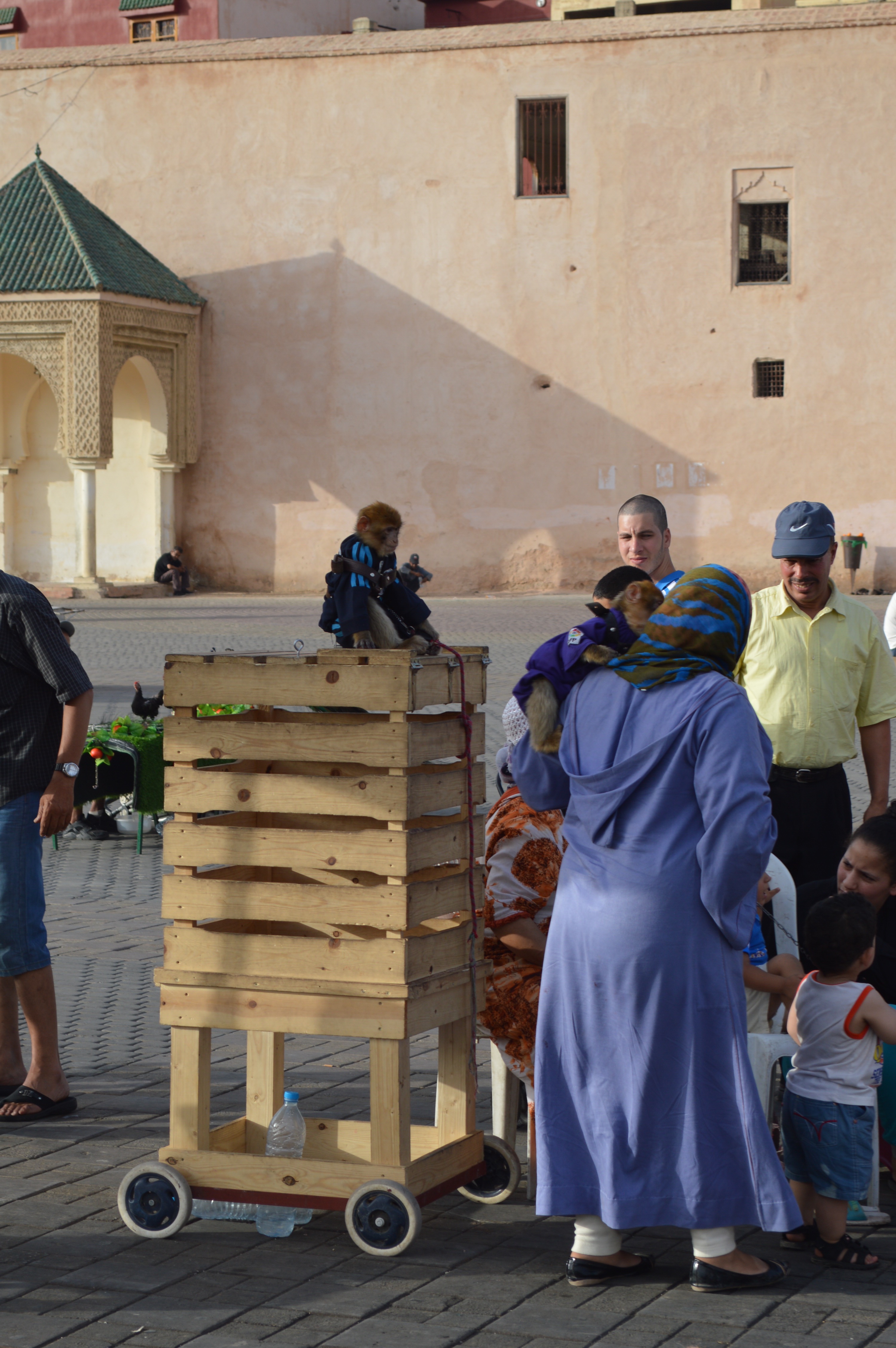
Lastly we headed into the market. All the sights, smells and sounds mingled together in the tiny streets in a way that is quite difficult to describe in words. To start with, the square there were dressed up monkeys, Shetland ponies and peacocks. Once I’m the market there were swarms of bees all over the piles and pile of food, all kinds meat (also covered with bugs) hanging from hooks/lying around as well as chickens and rabbits just…waiting to be killed. Can’t say I loved the experience, but it was interesting. After that we went back on the van and headed to our hotel for the night. Fairly exhausted from our whirlwind, sight-seeing day, we decided to have a supermarket dinner back at the hotel and turn in for the night to rest up for our adventures tomorrow! 

Here’s looking at you, kid.

~ Marrakech to Casablanca ~
After a luxurious sleep in an air conditioned room (we slept under the doona – yay!) and a delicious buffet breakfast it was time to hit the road! We were introduced briefly (throwing our names at each other as we made our way to the 17 seater bus – also air conditioned thank goodness) to our two new tour mates who had arrived overnight and our bus driver and we were on our way. 

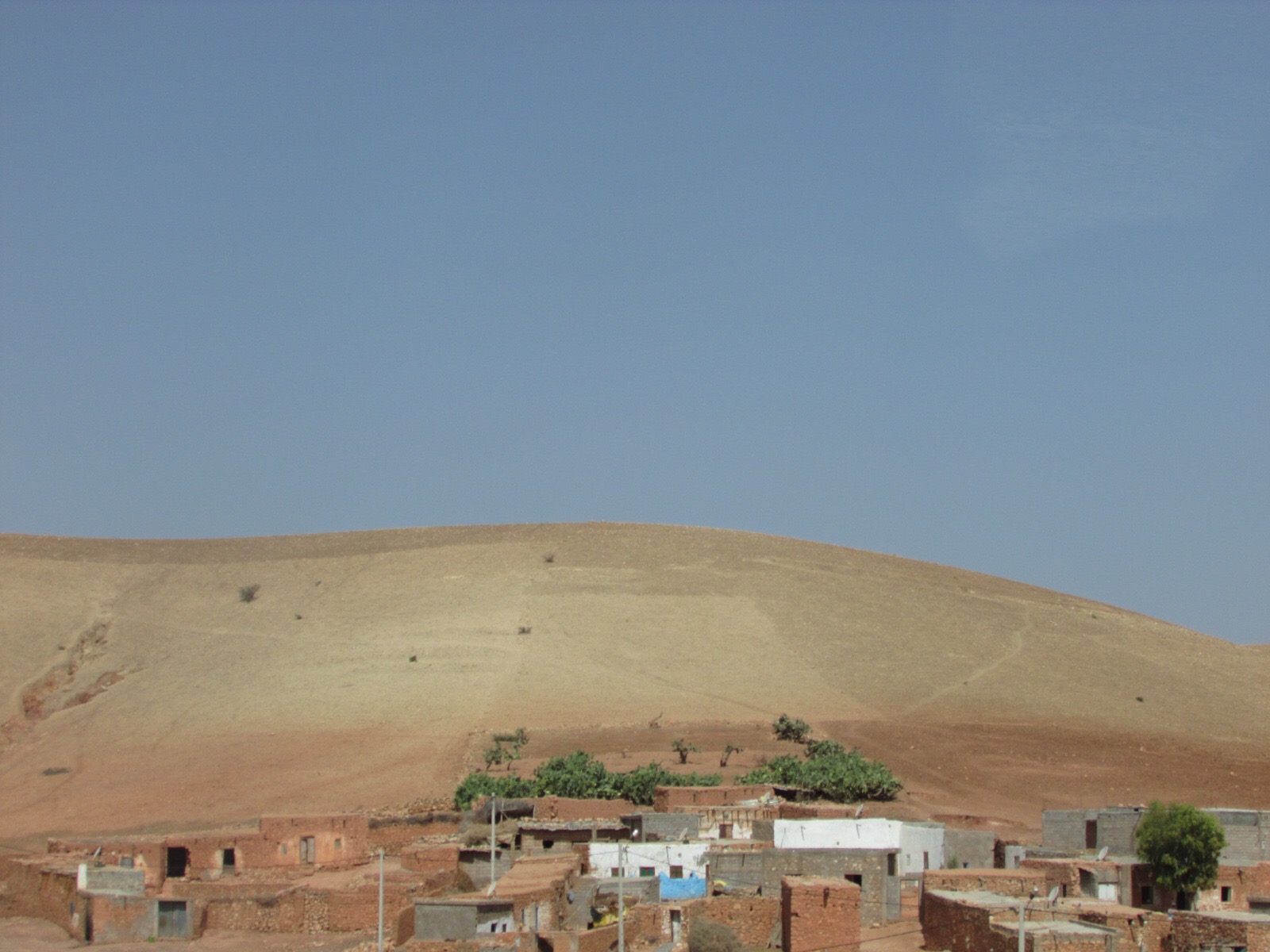
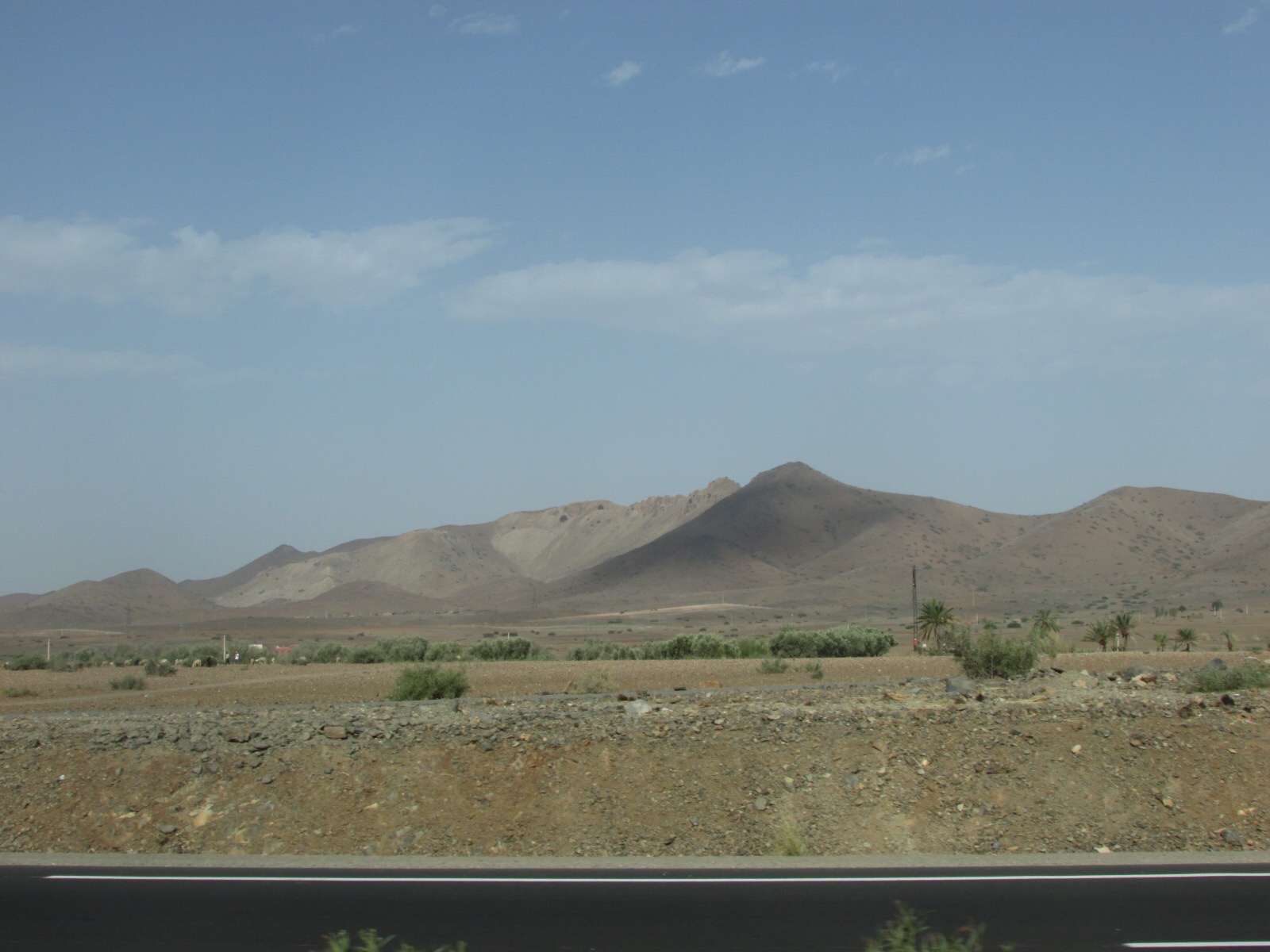
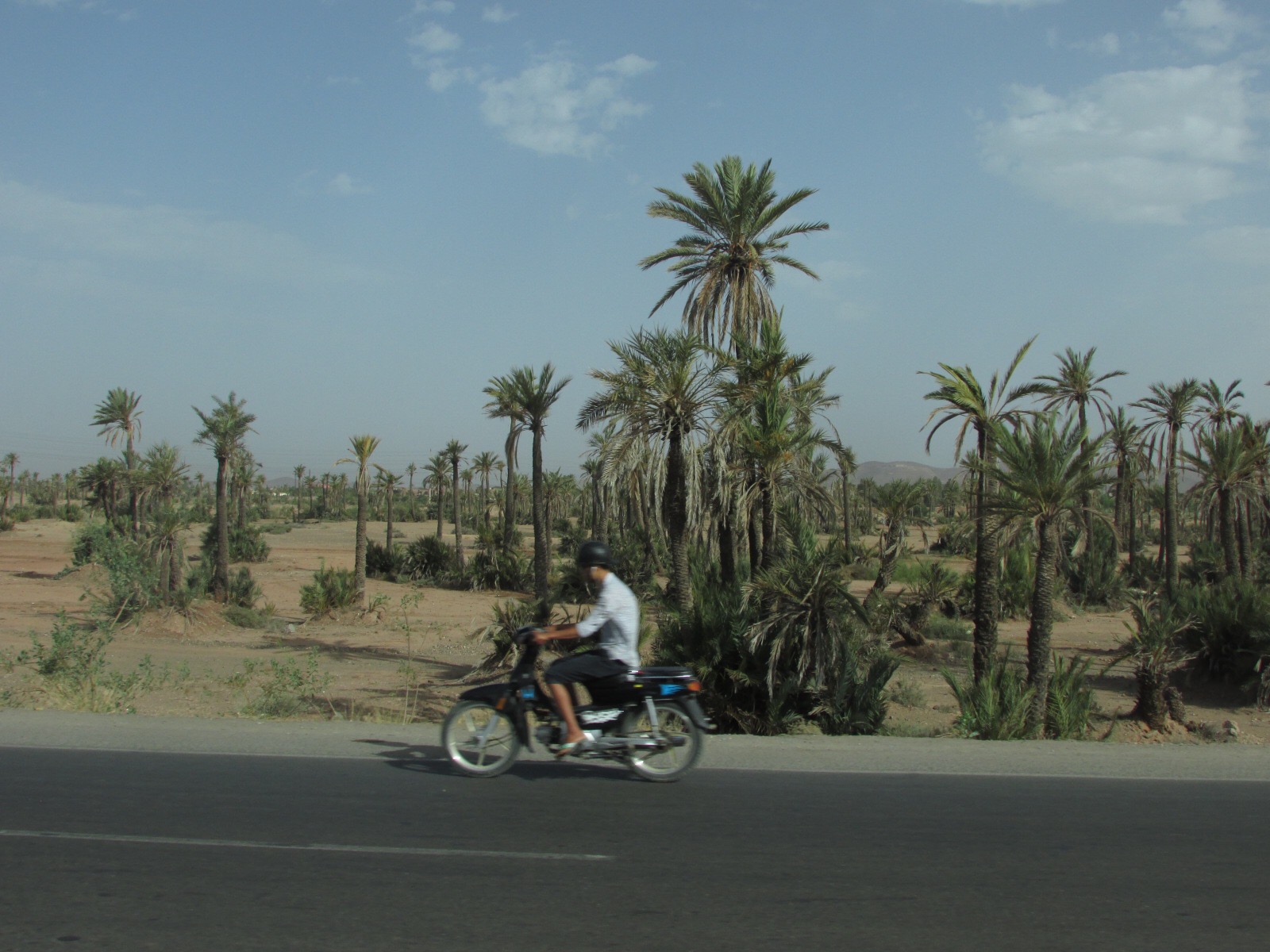
The 2h40min (241.5km) journey to Casablanca seemed to wiz by as we chatted – starting to get to know each other (we were certainly the least prepared for this experience). We all went quiet after a while as we sat and watched the interesting and changing scenery we were passing (including some of the people). The first thing we all noted was how clean the country was compared to how we thought it may be as well as how good the roads were. The landscape was relatively flat and dry with minimal vegetation. Along the way we were given the days briefing, some background information and history on both Morocco in general and the city of Casablanca.

On the Road to Casablanca

On the Road to Casablanca

On the Road to Casablanca

On the Road to Casablanca


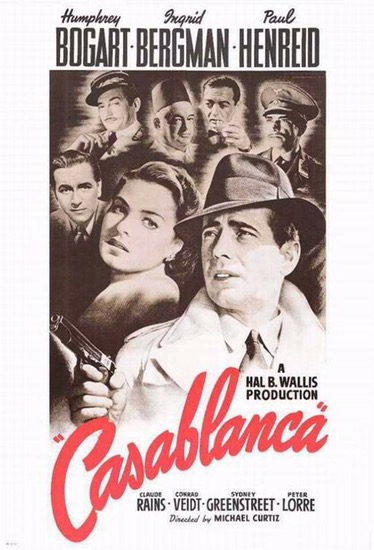
Casablanca, made famous by Humphrey Bogart in the film “Casablanca”, is a port city and commercial hub in western Morocco, fronting the Atlantic Ocean. The city is a blend of Moorish style and European art deco. As the country’s economic capital, one can find lots of art galleries, fashion designers, industry and money. However, it seems to be a city full of contradictions. Home to wide boulevards, well-kept public parks, fountains and striking colonial architecture, but is also fringed by large shanty towns and simmering social problems. We certainly passed all of these different features on a drive to the waterfront for a bit of a stroll and some lunch. 


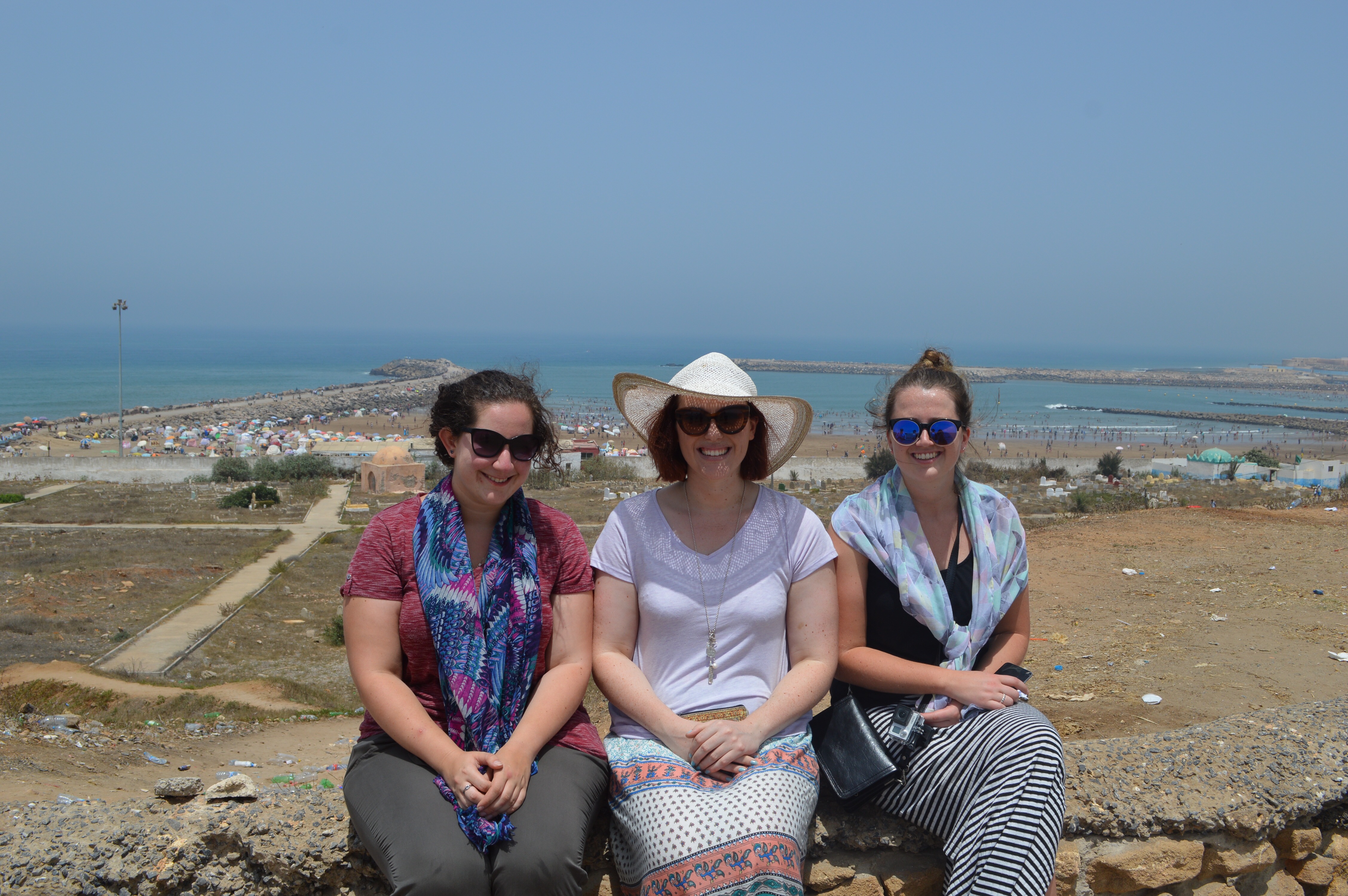
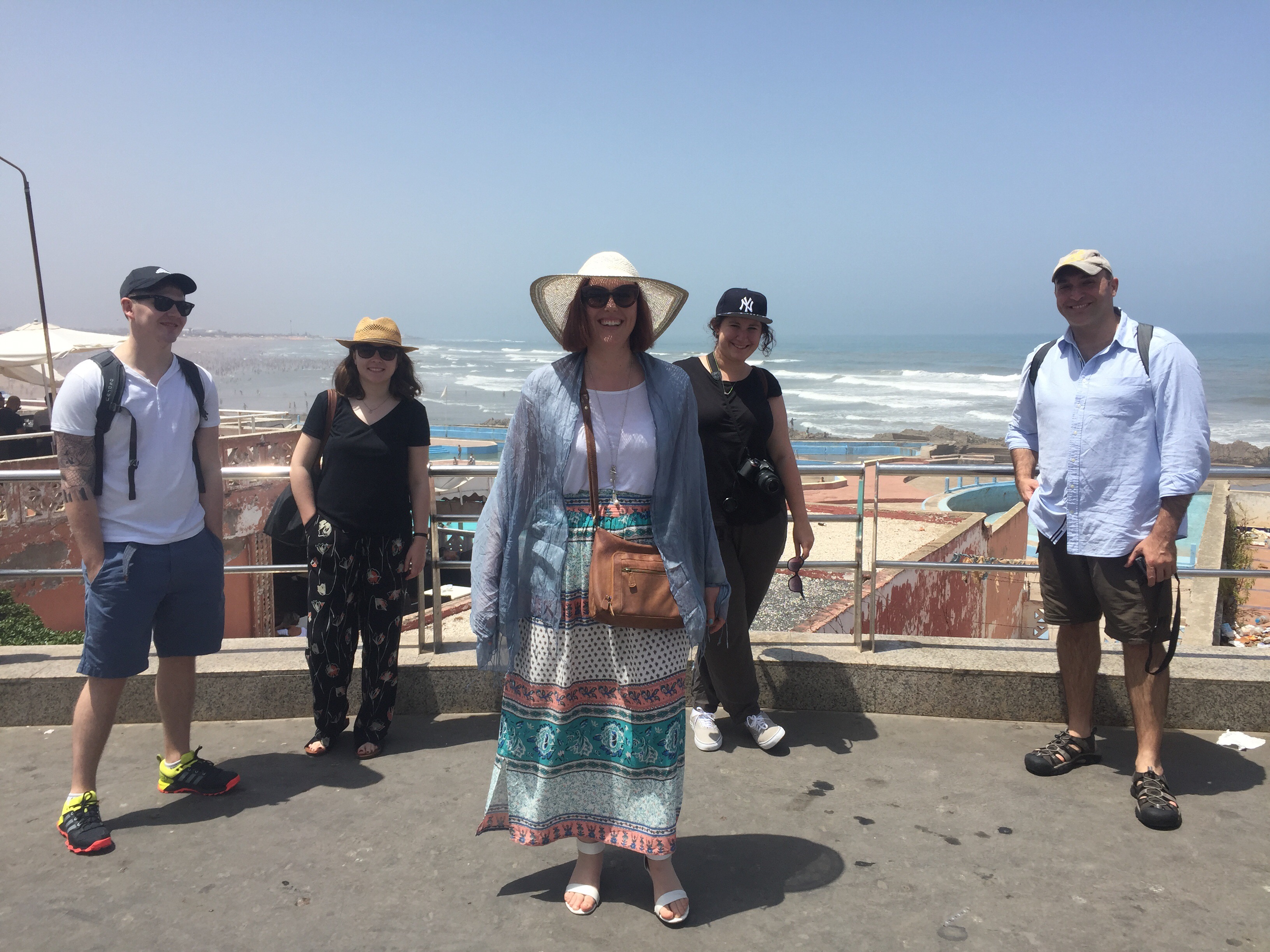
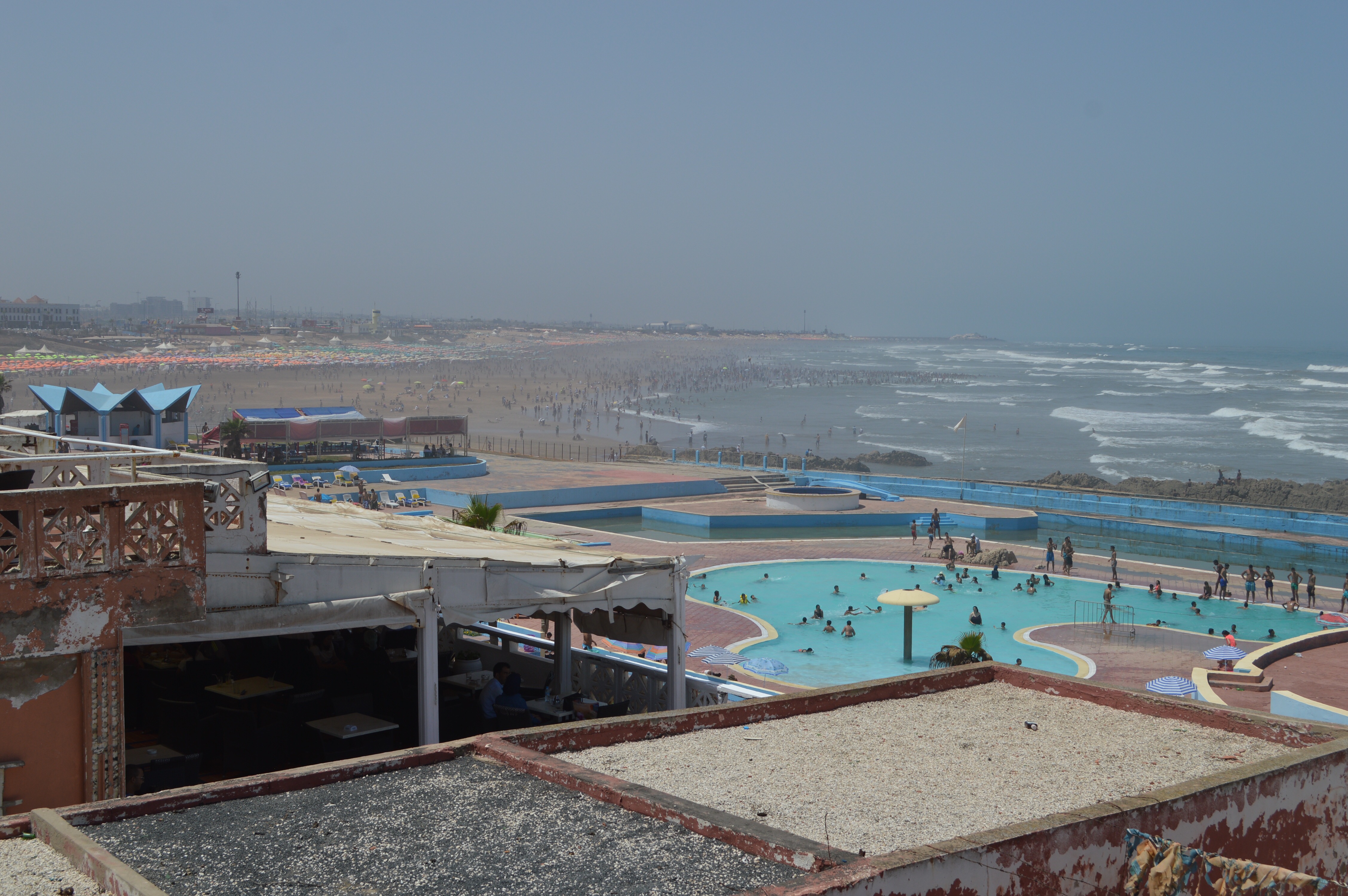
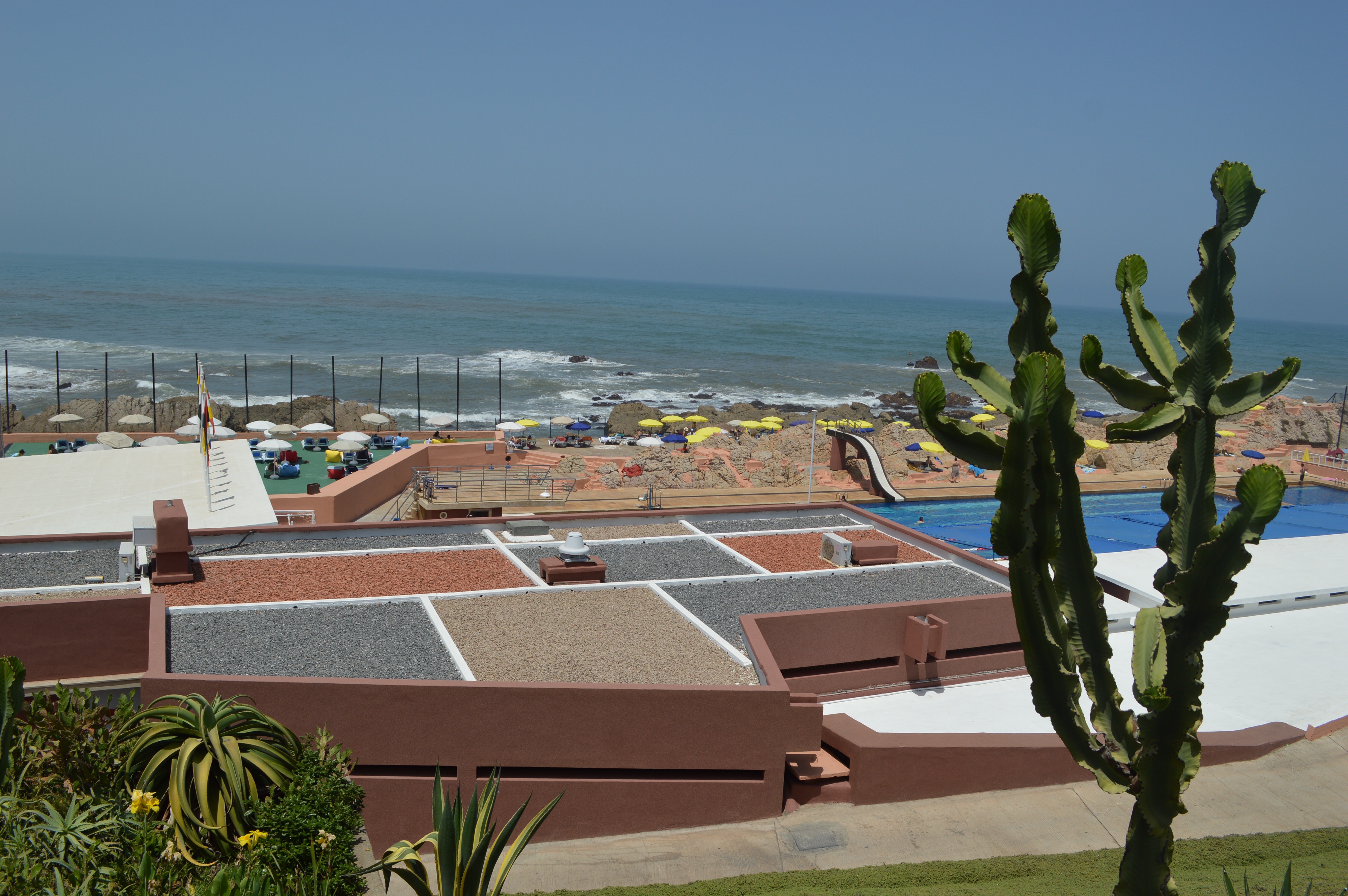
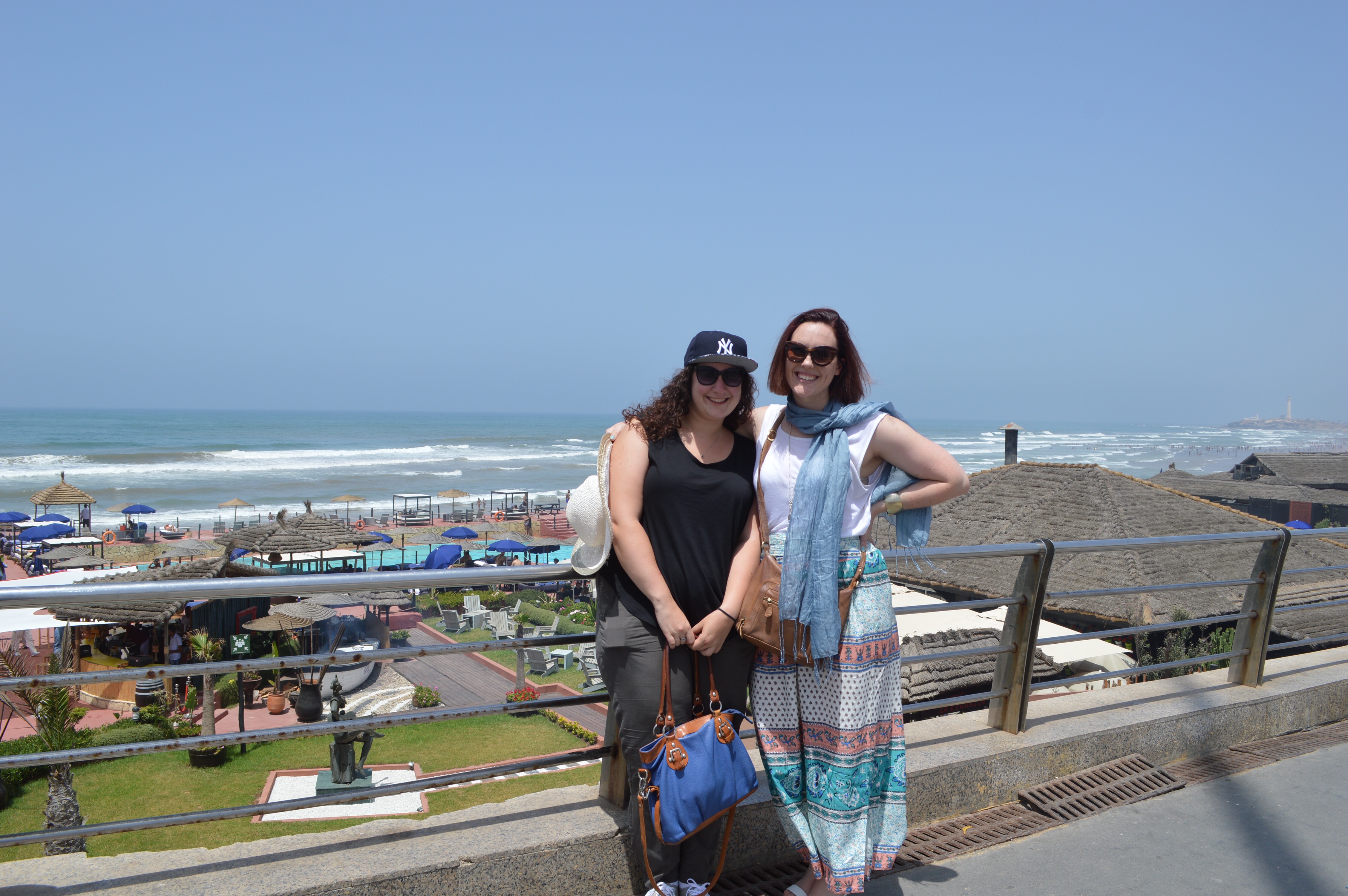
Where we walked was almost like a cliff high above the beach which was stretches of sand with swarms of people. At first we were not sure that all of the figures were people, we thought we must be seeing things due to the sheer volume. But no, everyone it seemed was soaking up the boiling sun at the beach! Walking around we were offered a variety of different things to purchase. The hardest people to say no to are always the children. Once we were about to melt from the heat we tried to find food. Mohamed recommended a restaurant and we enjoyed our meals and good conversation as we talked about why we decided to come to Morocco and what we were most excited about. Next we headed to the Hassan II Mosque.

Travel team on the Casablanca waterfront

Casablanca Waterfront

Casablanca Waterfront

Casablanca Waterfront


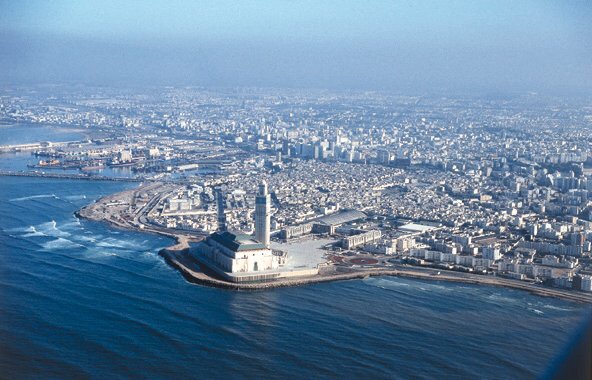
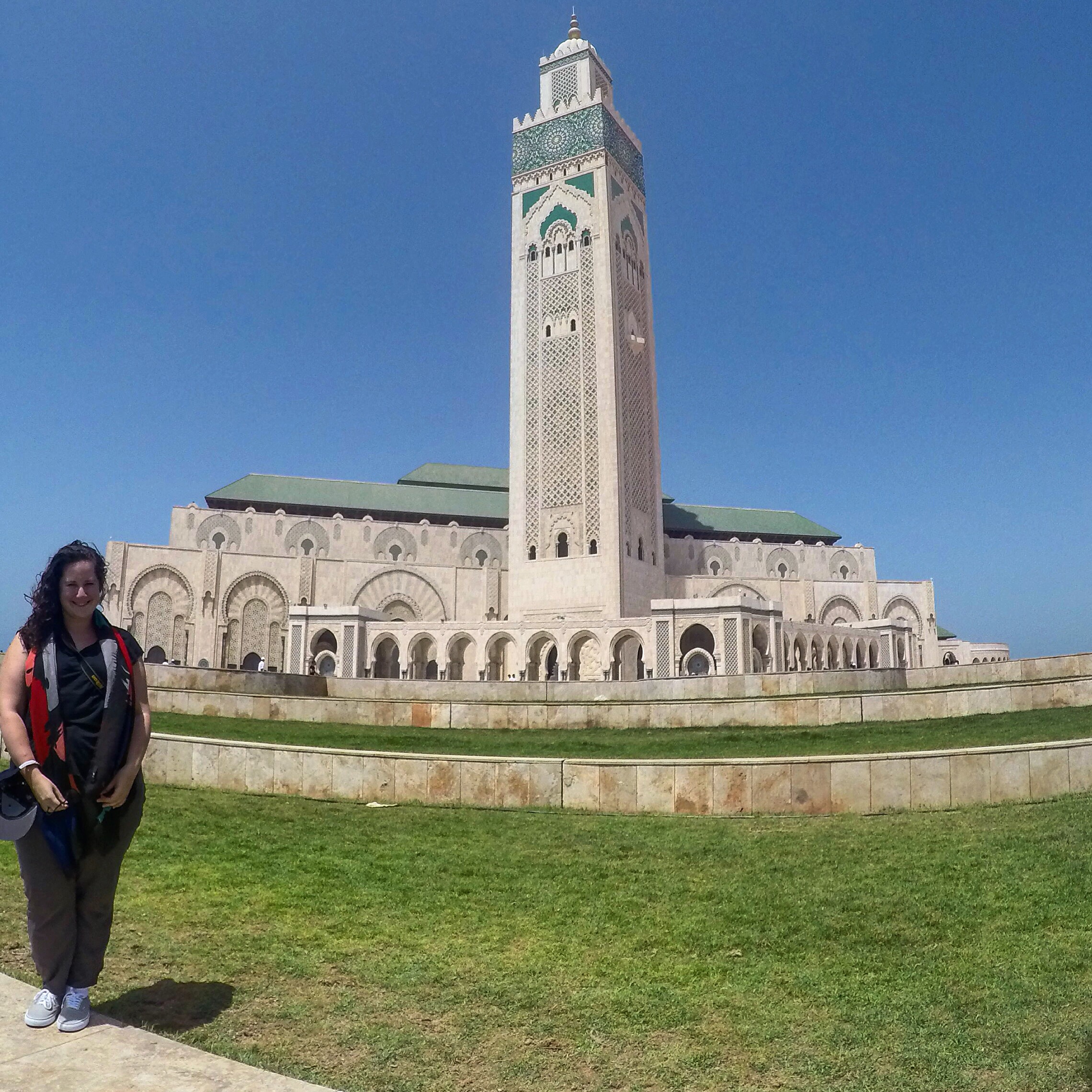
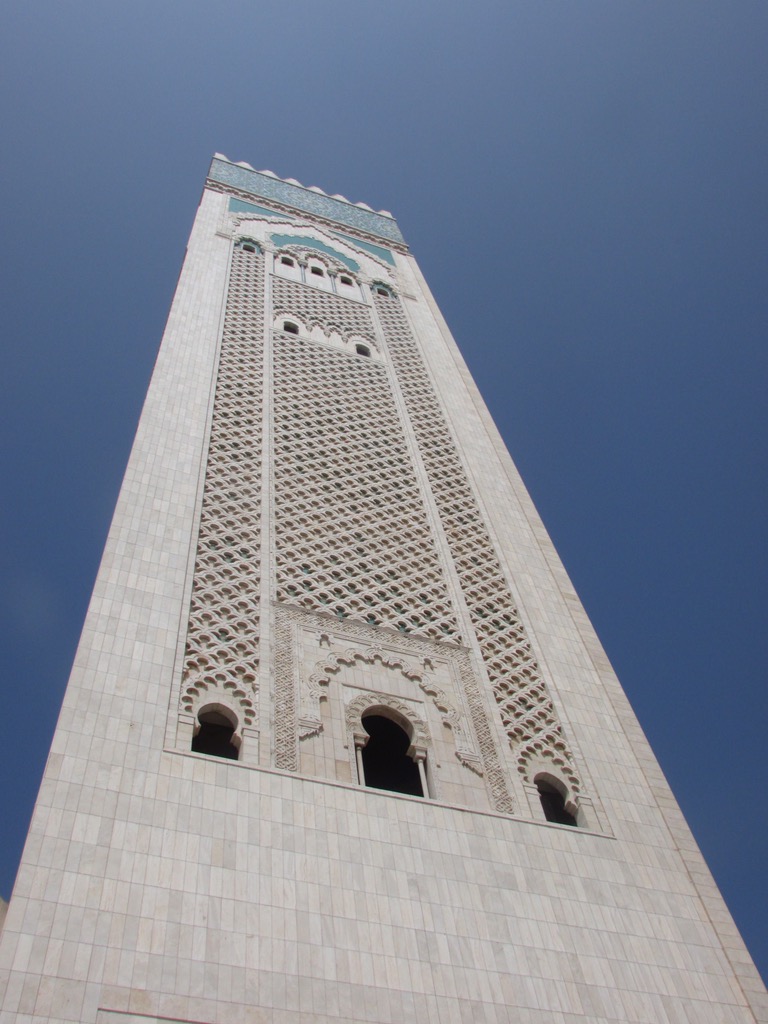
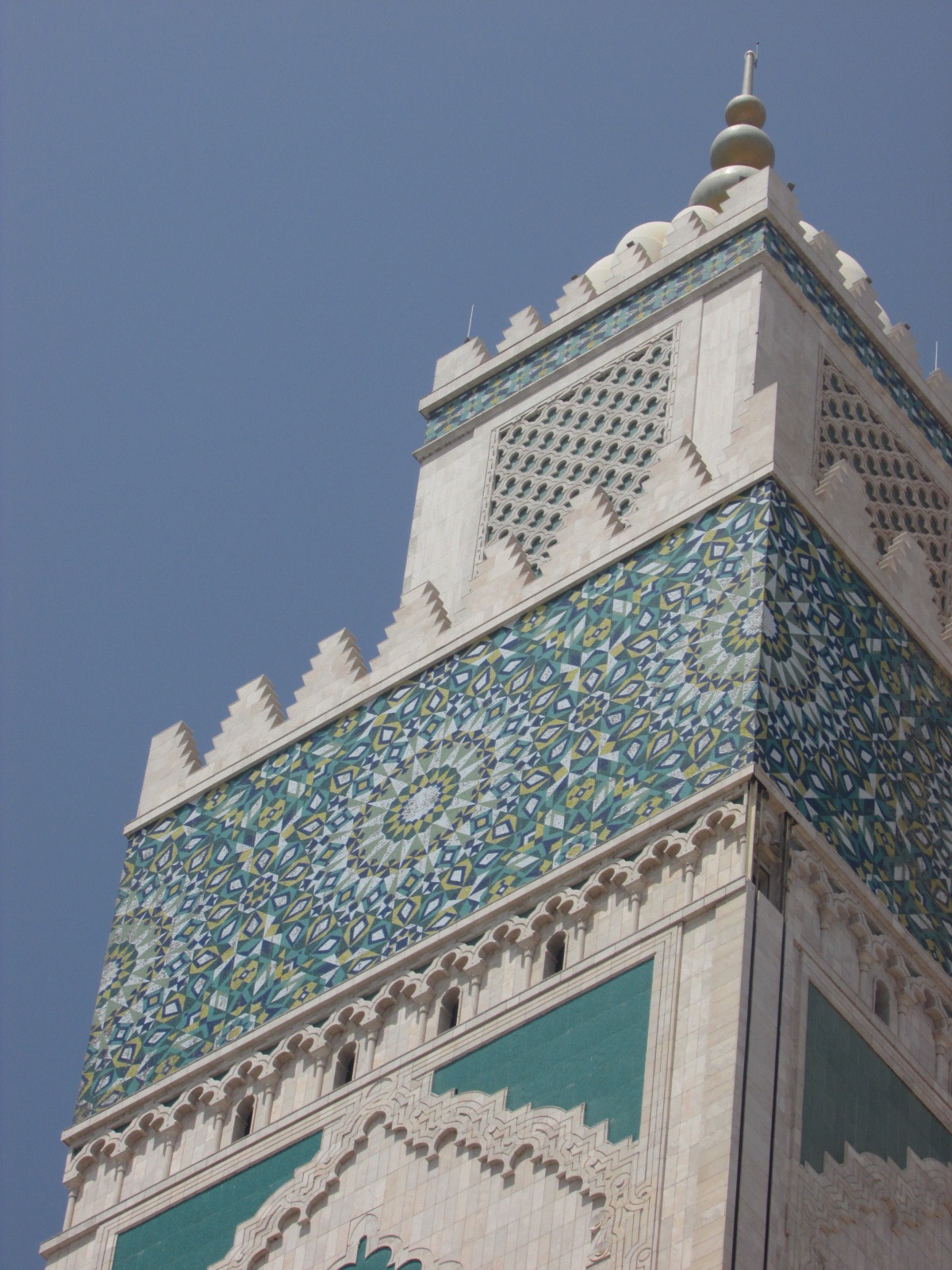
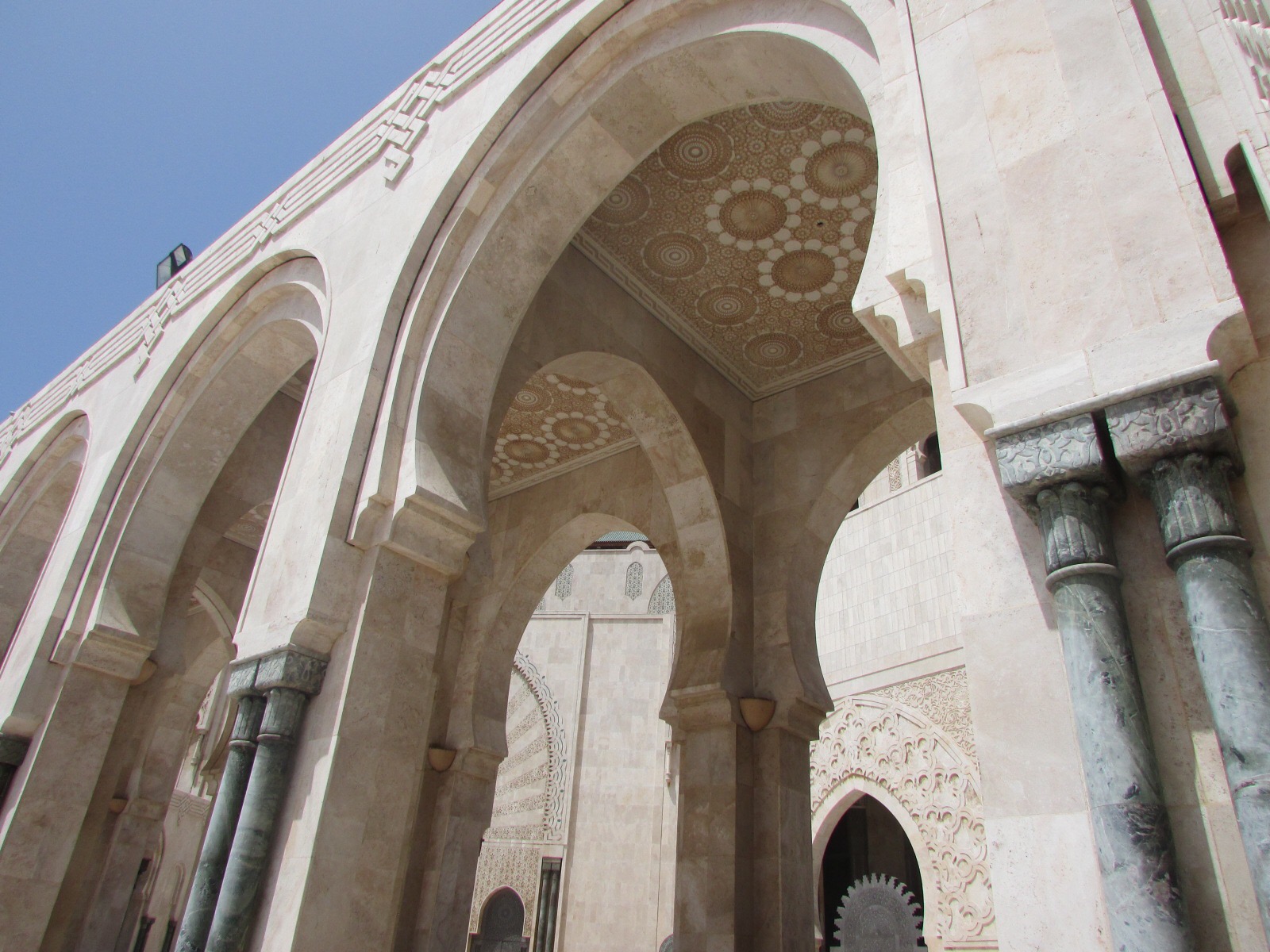
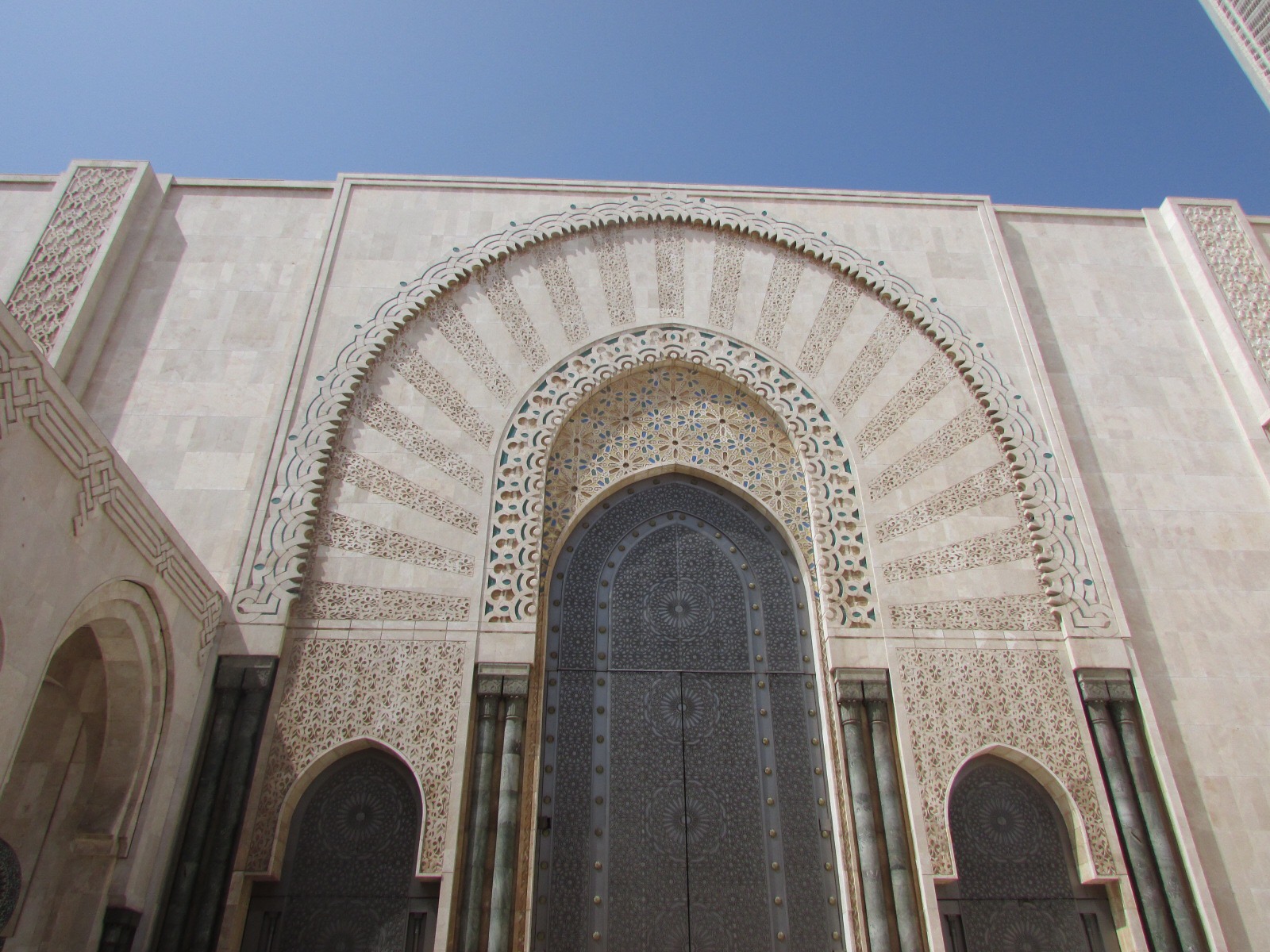
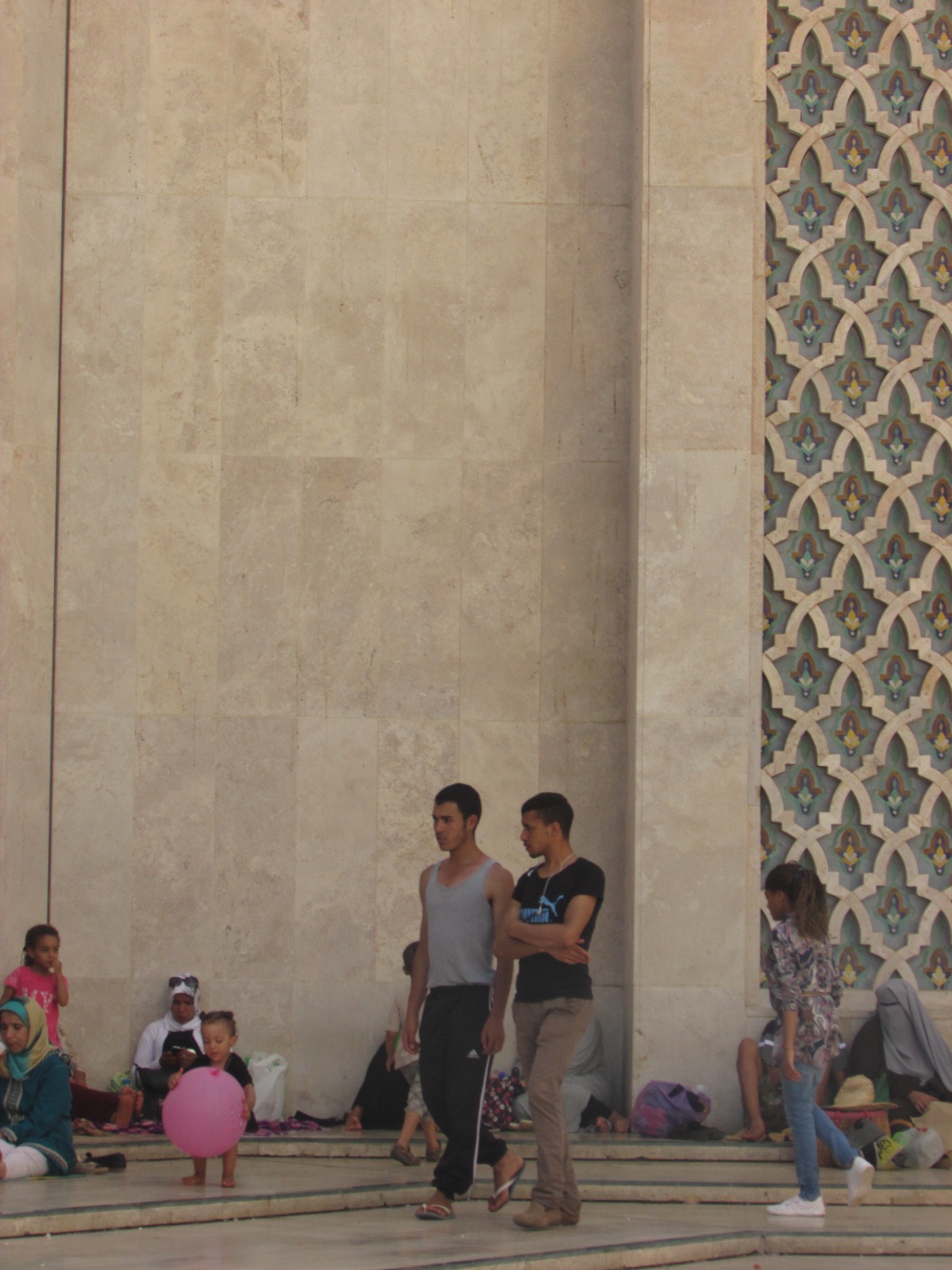
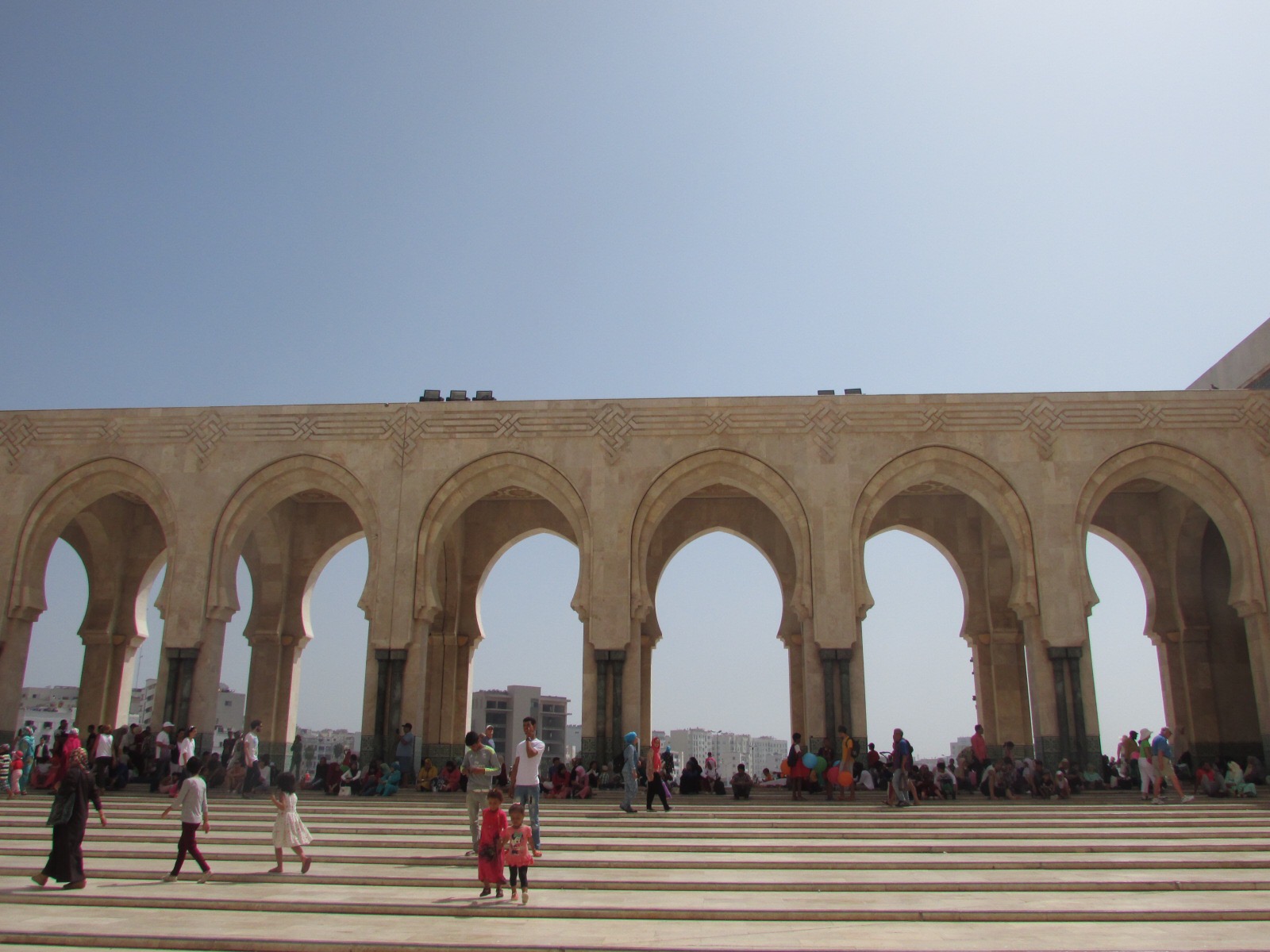
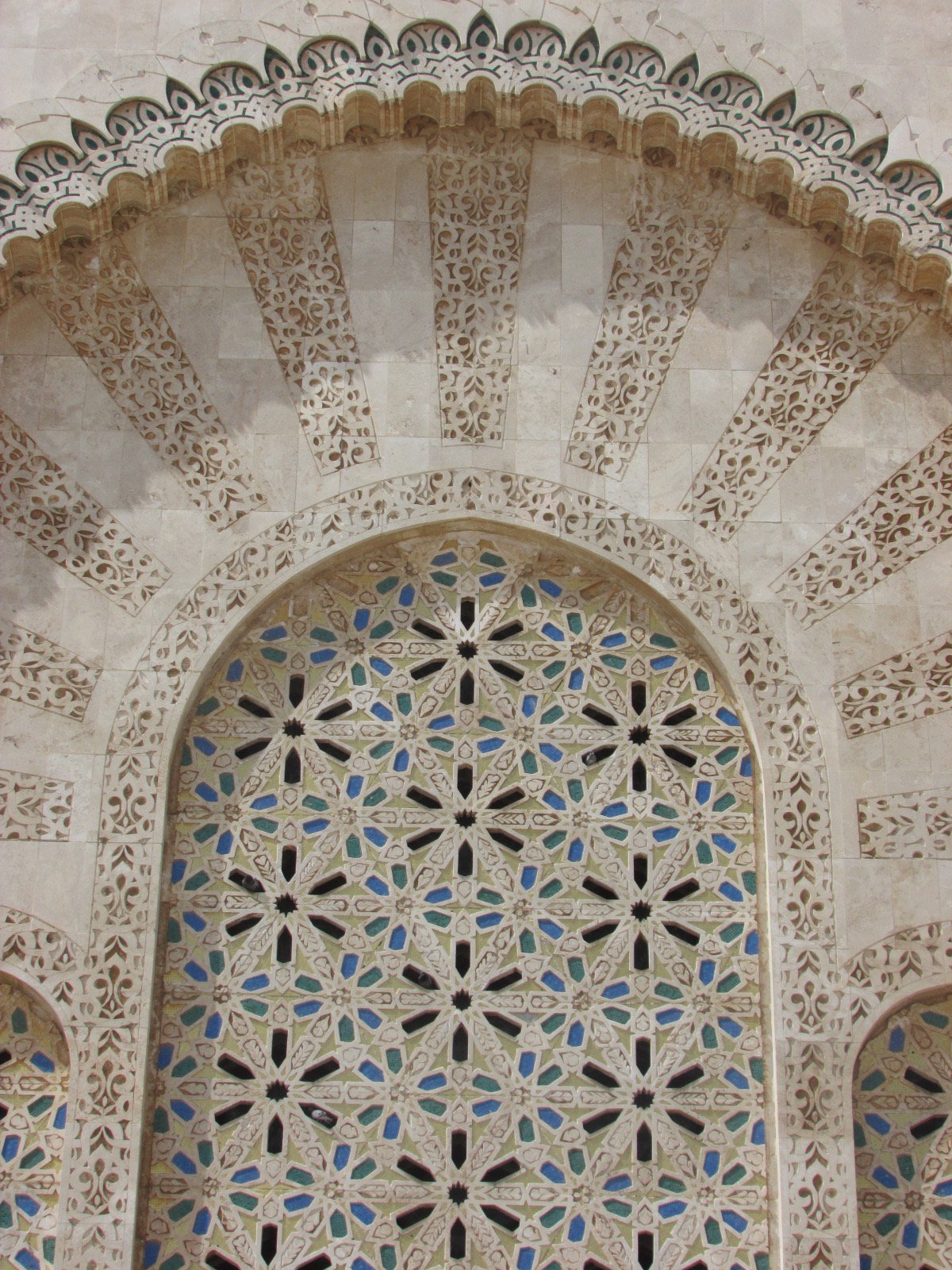
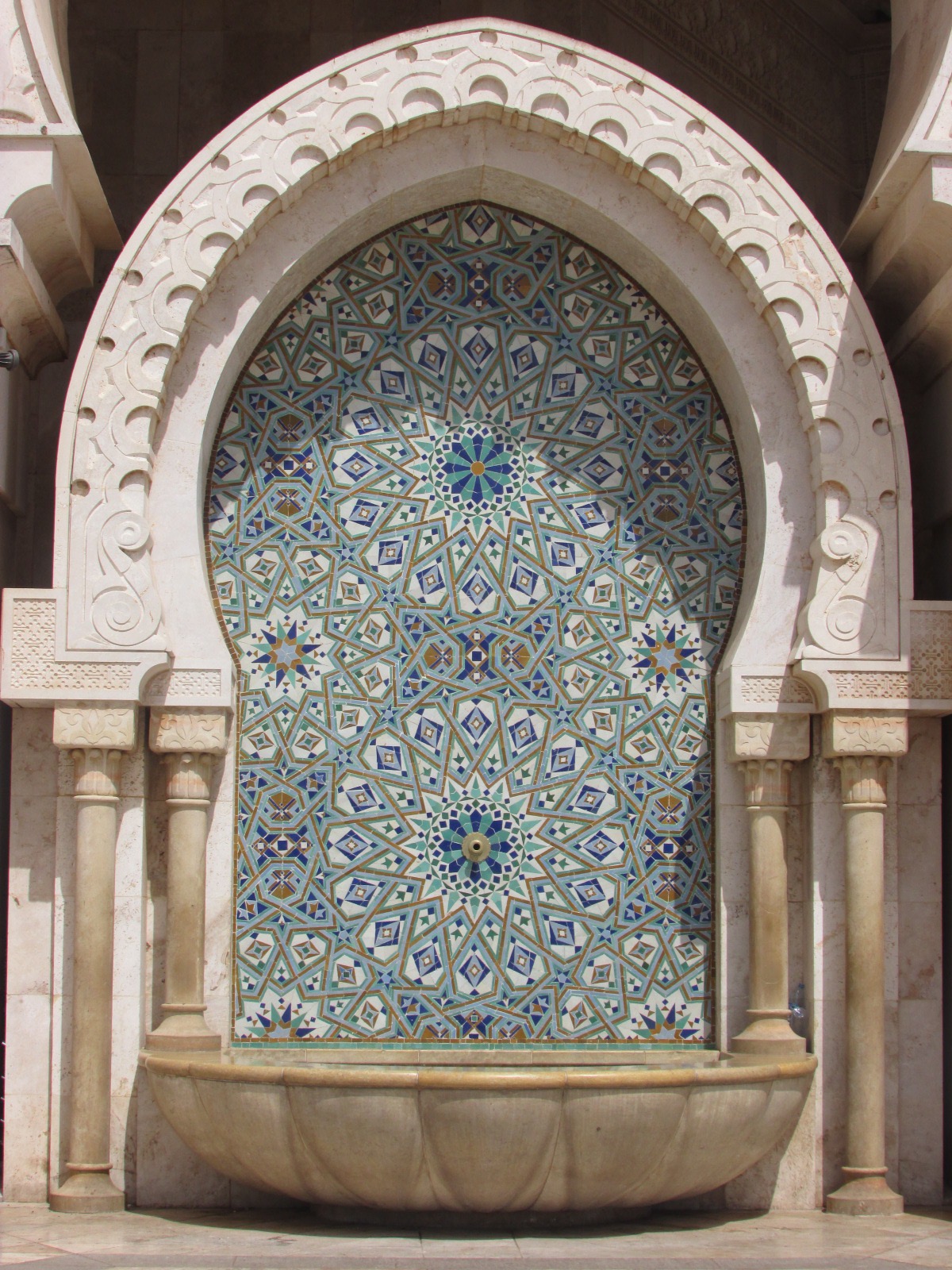
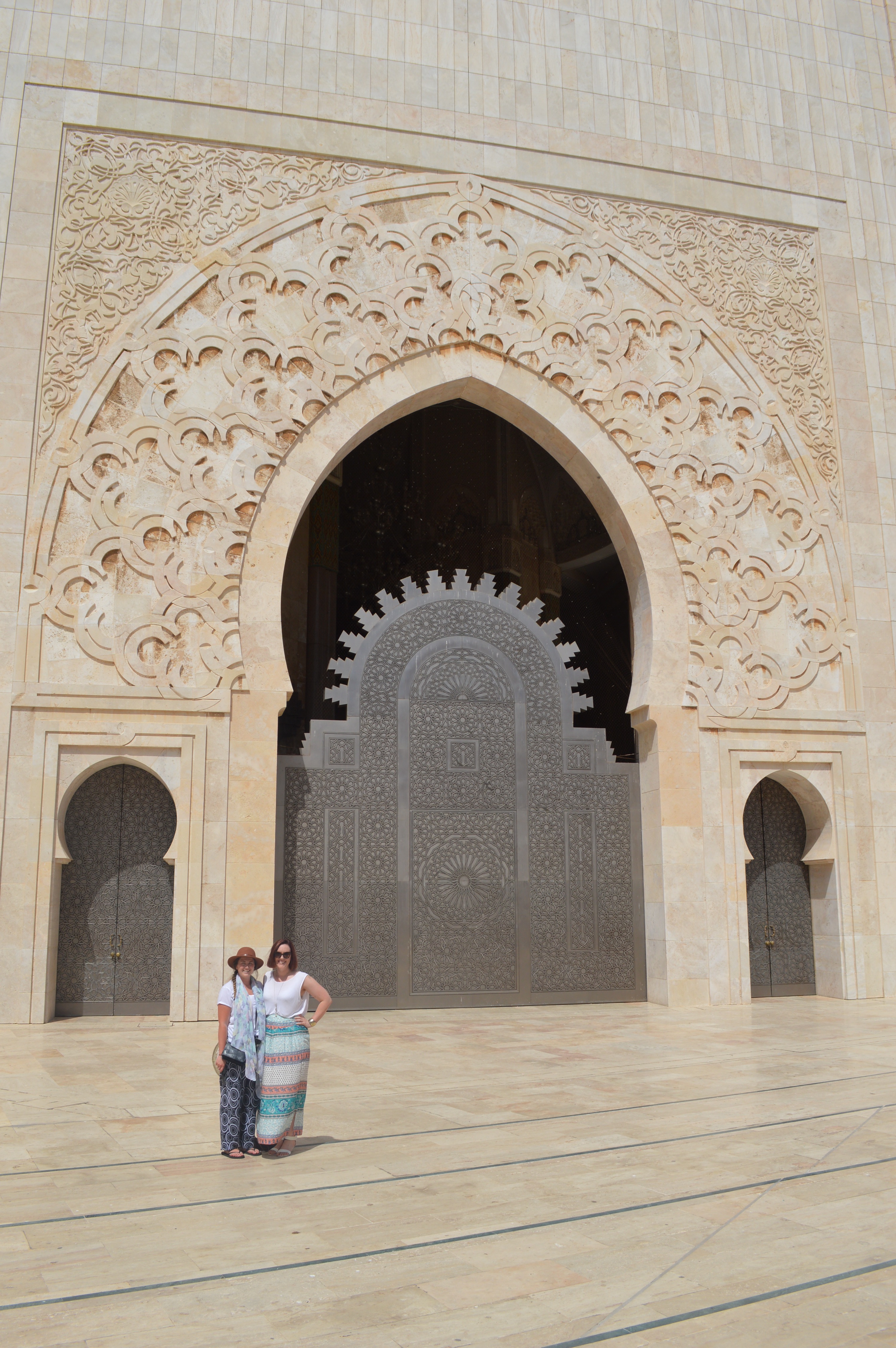
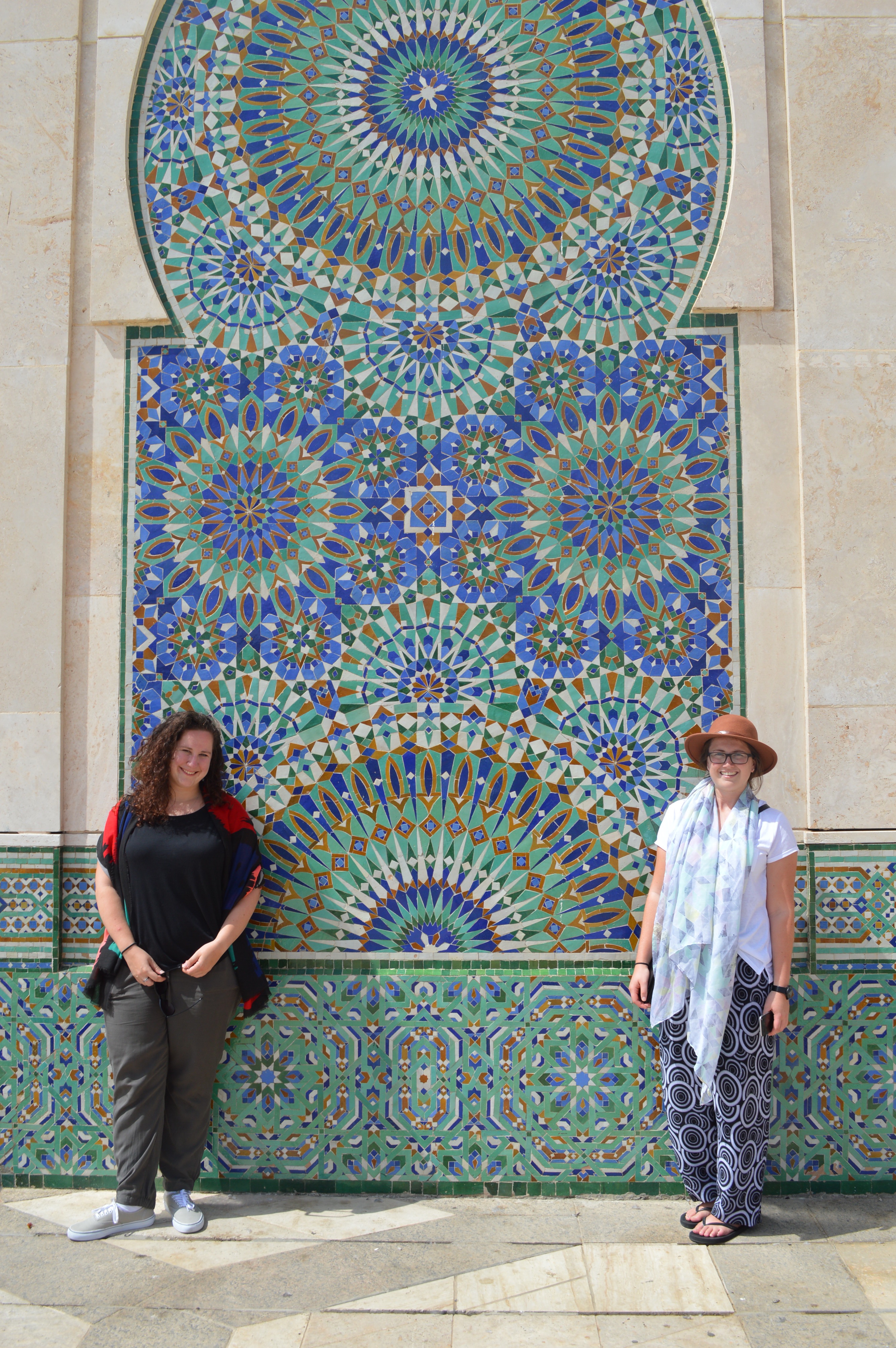
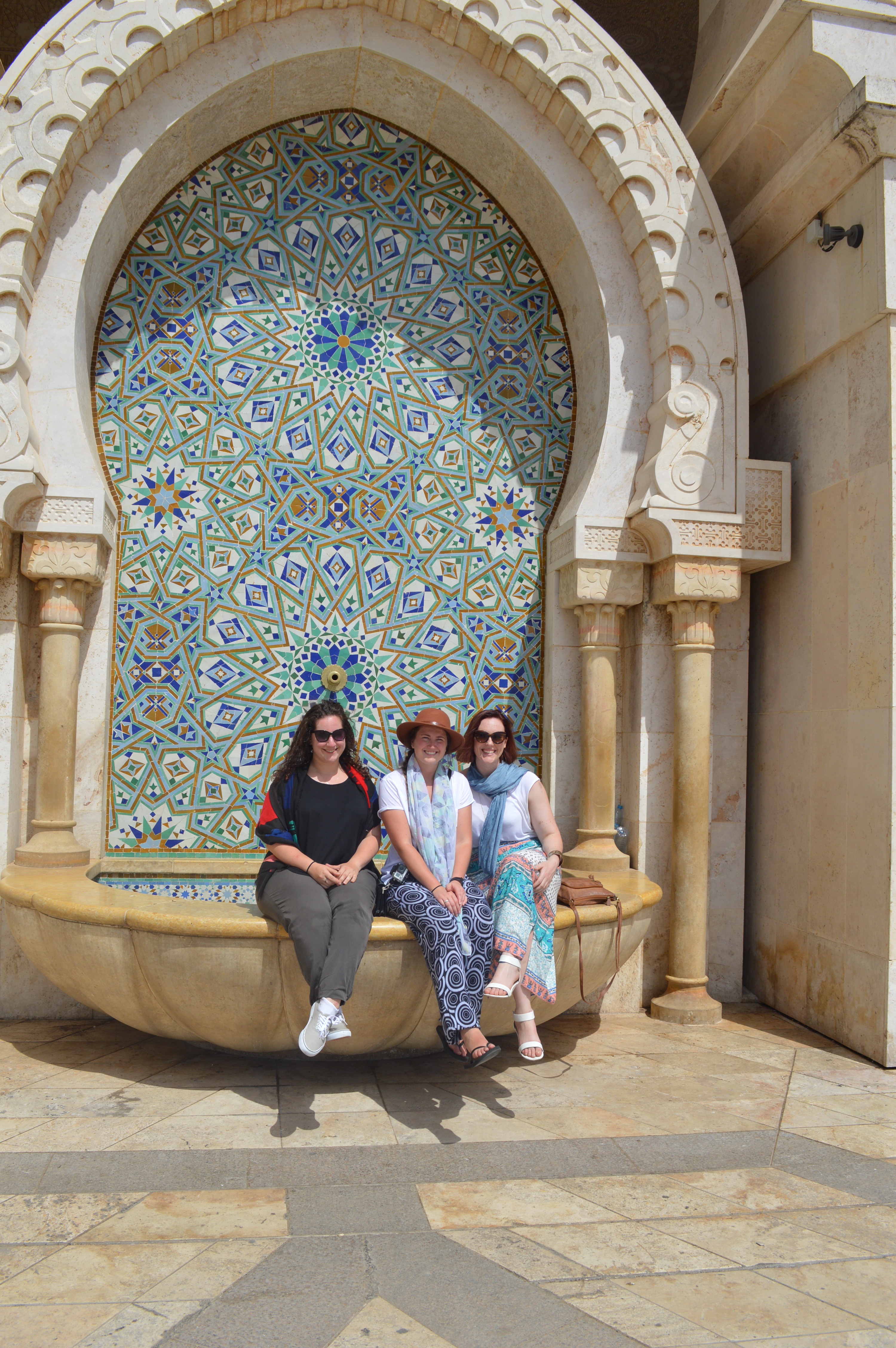
The Hassan II Mosque is the world’s third-largest mosque, the largest inMorocco, built to commemorate the former king’s 60th birthday. The mosque (and its 210m minaret) rises above the ocean on an outcrop northwest of the medina, and holds 25,000 worshippers and a further 80,000 in the squares around it. It is truly an impressive sight, such a large and decorated building with the ocean as a backdrop. We ran around trying to take it all in and snapping some beautiful photos long the way. To be able to see the stunning inside of the mosque you must go on a guided tour, so we headed in to meet our group. 

The Hassan II Mosque

The Hassan II Mosque

The Hassan II Mosque

The Hassan II Mosque

The Hassan II Mosque

The Hassan II Mosque

The Hassan II Mosque

The Hassan II Mosque

The Hassan II Mosque

The Hassan II Mosque

The Hassan II Mosque

The Hassan II Mosque

The Hassan II Mosque

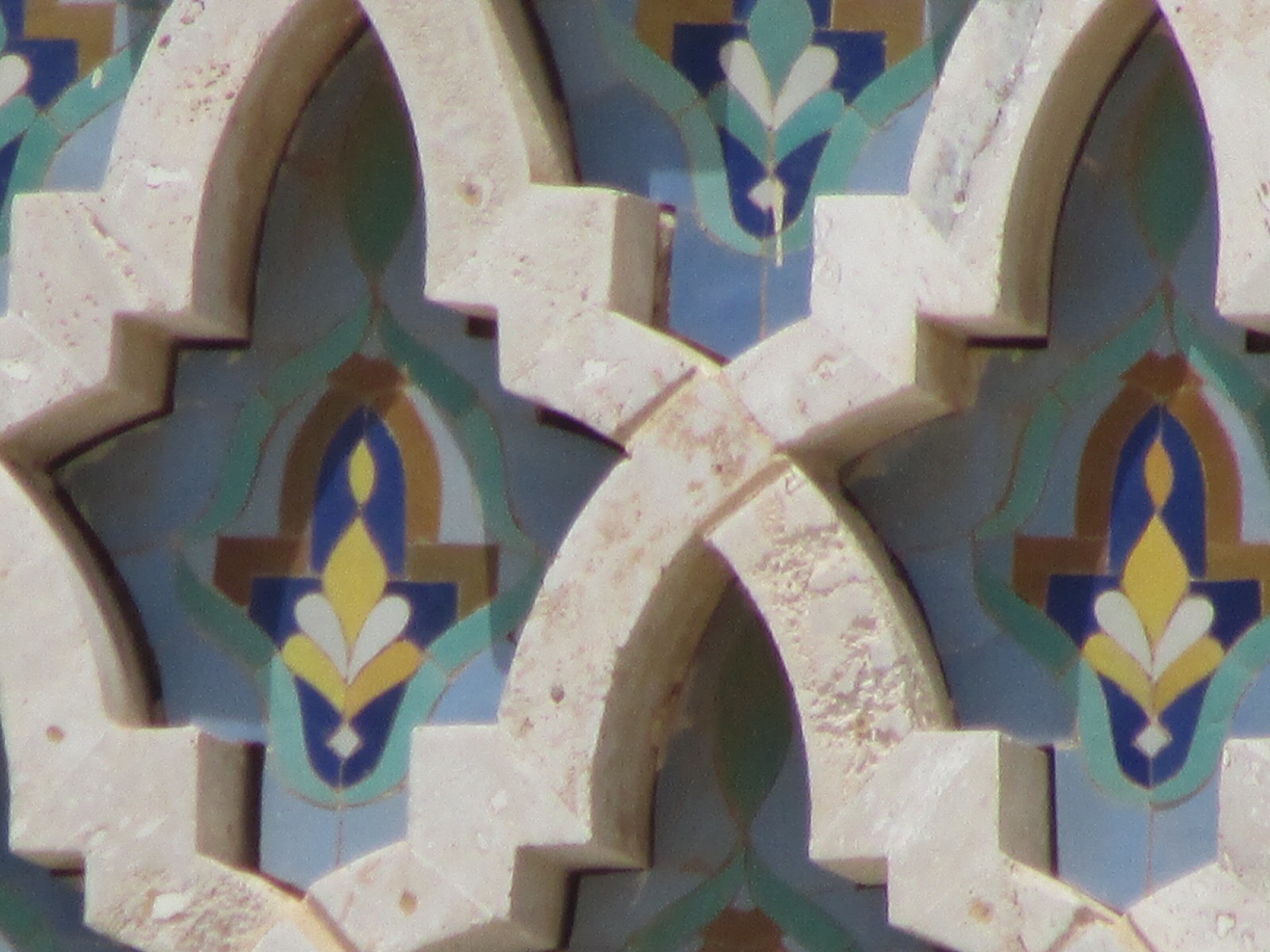
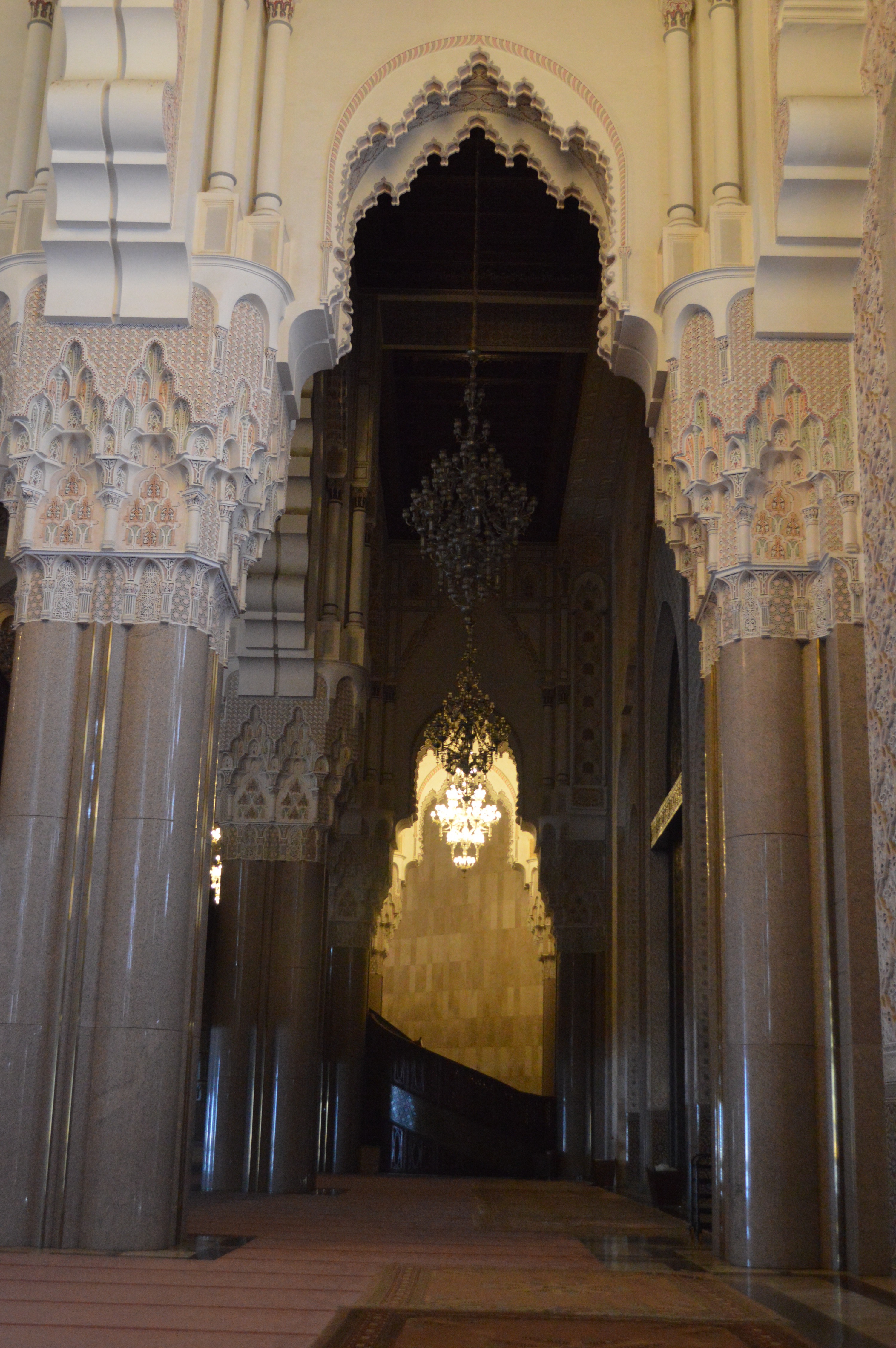
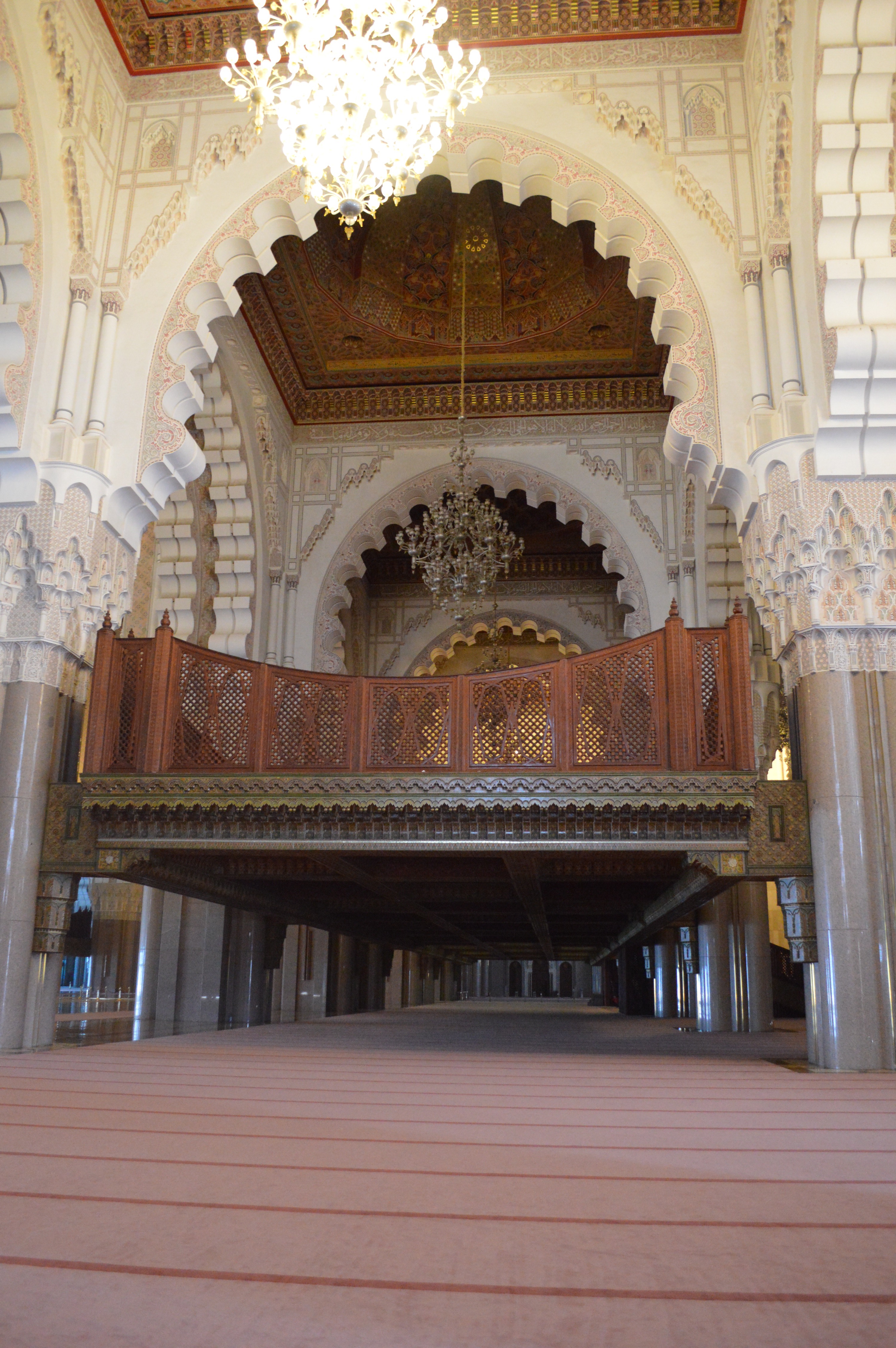
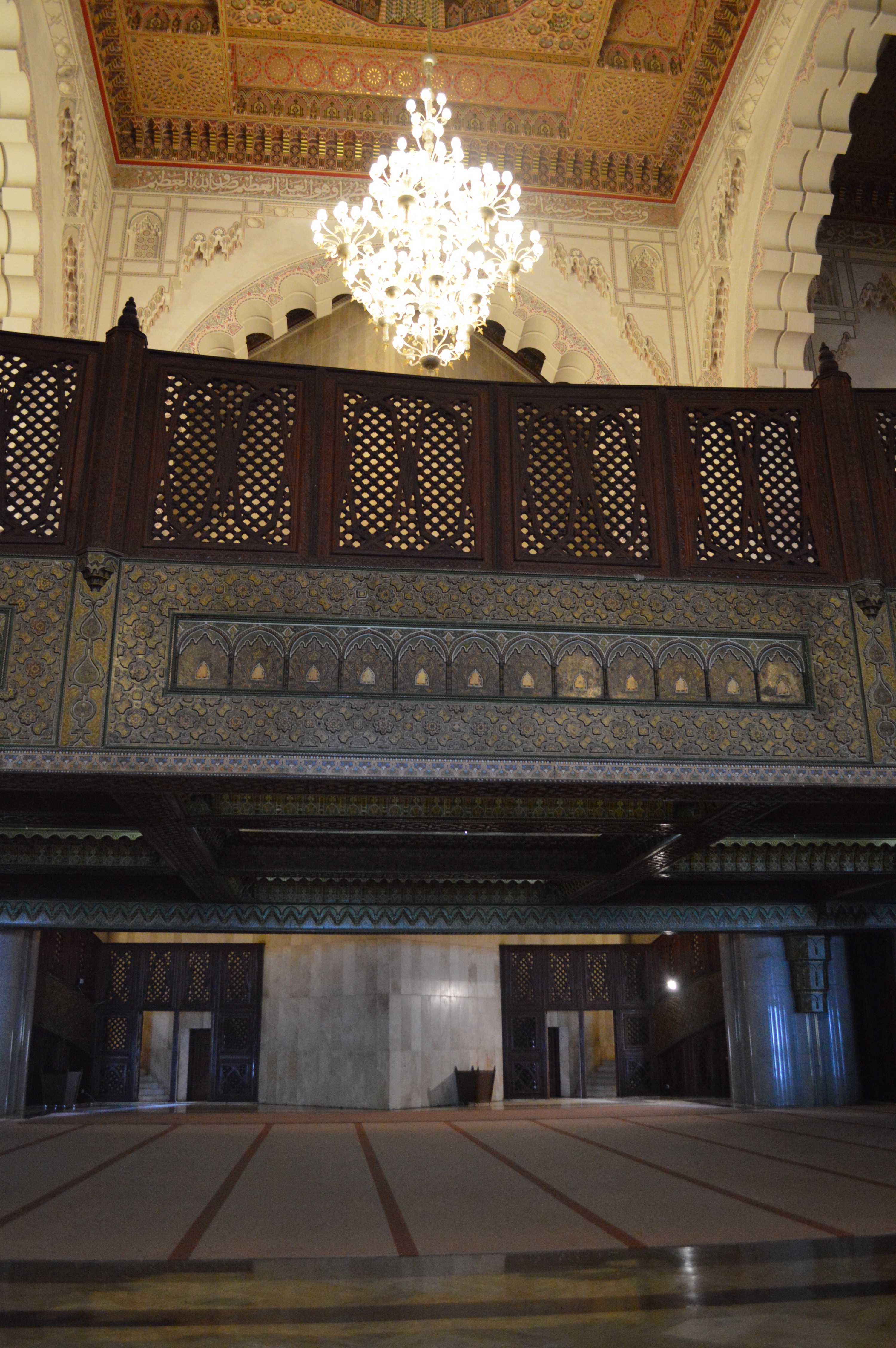
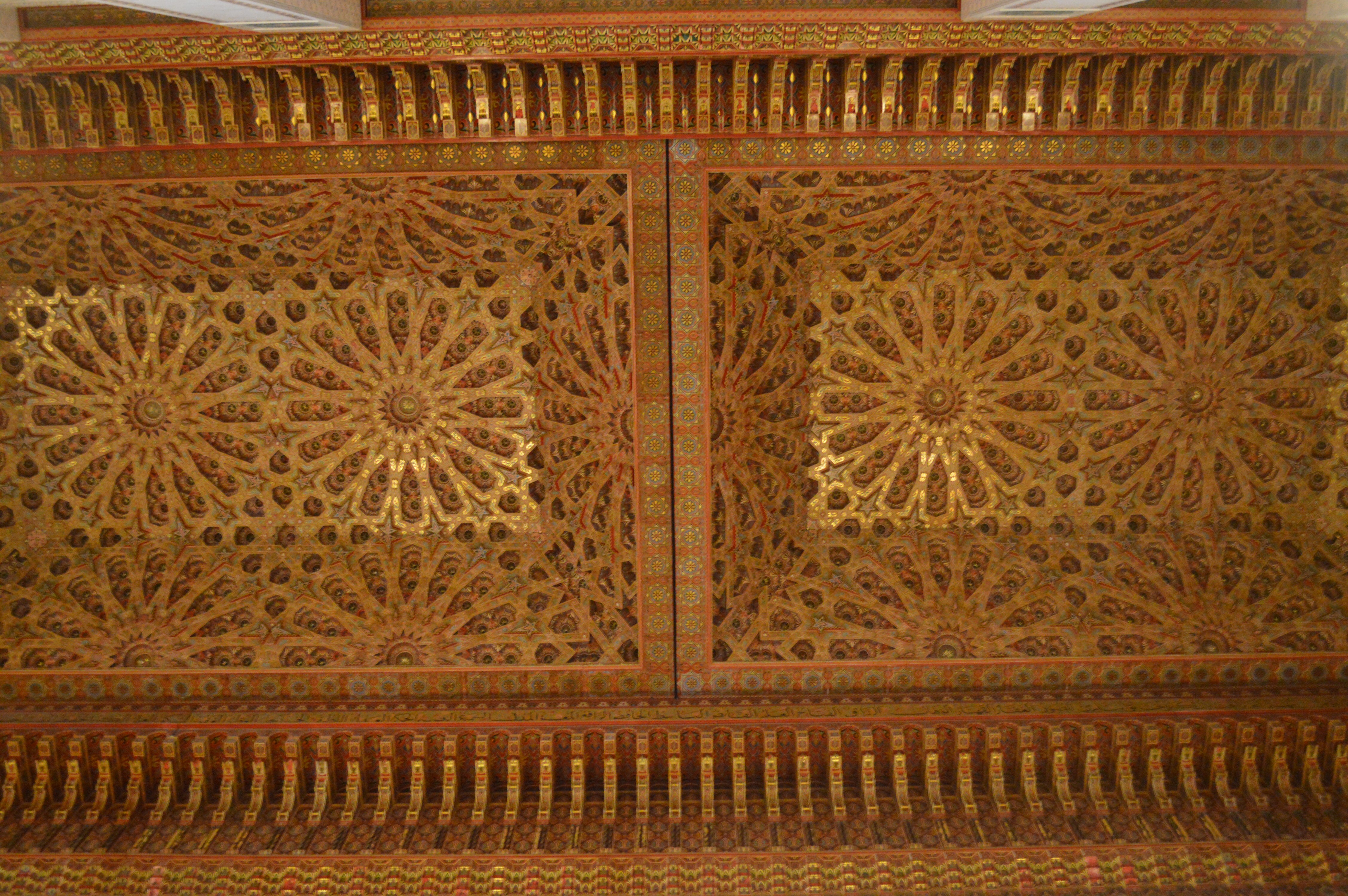
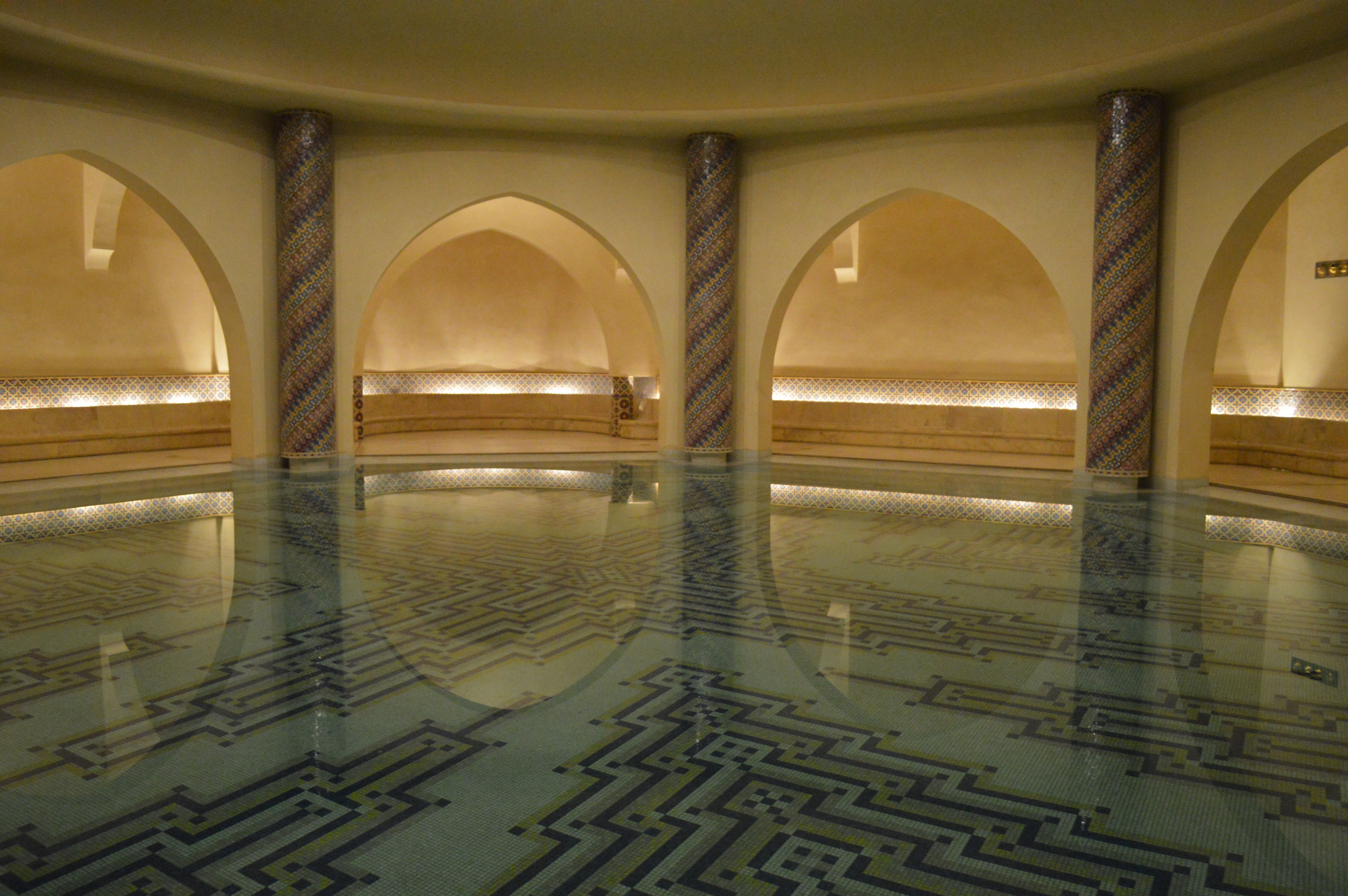
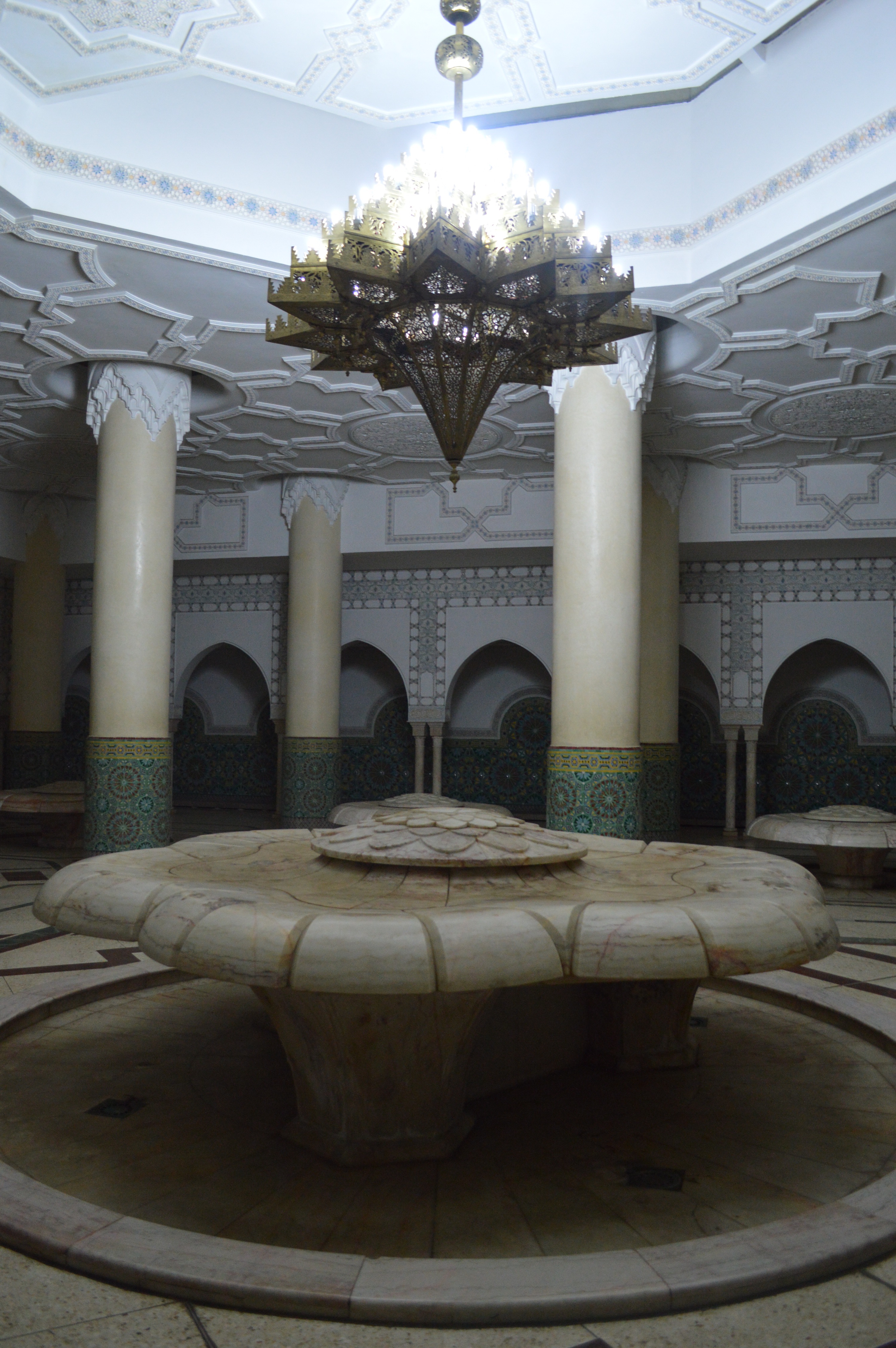
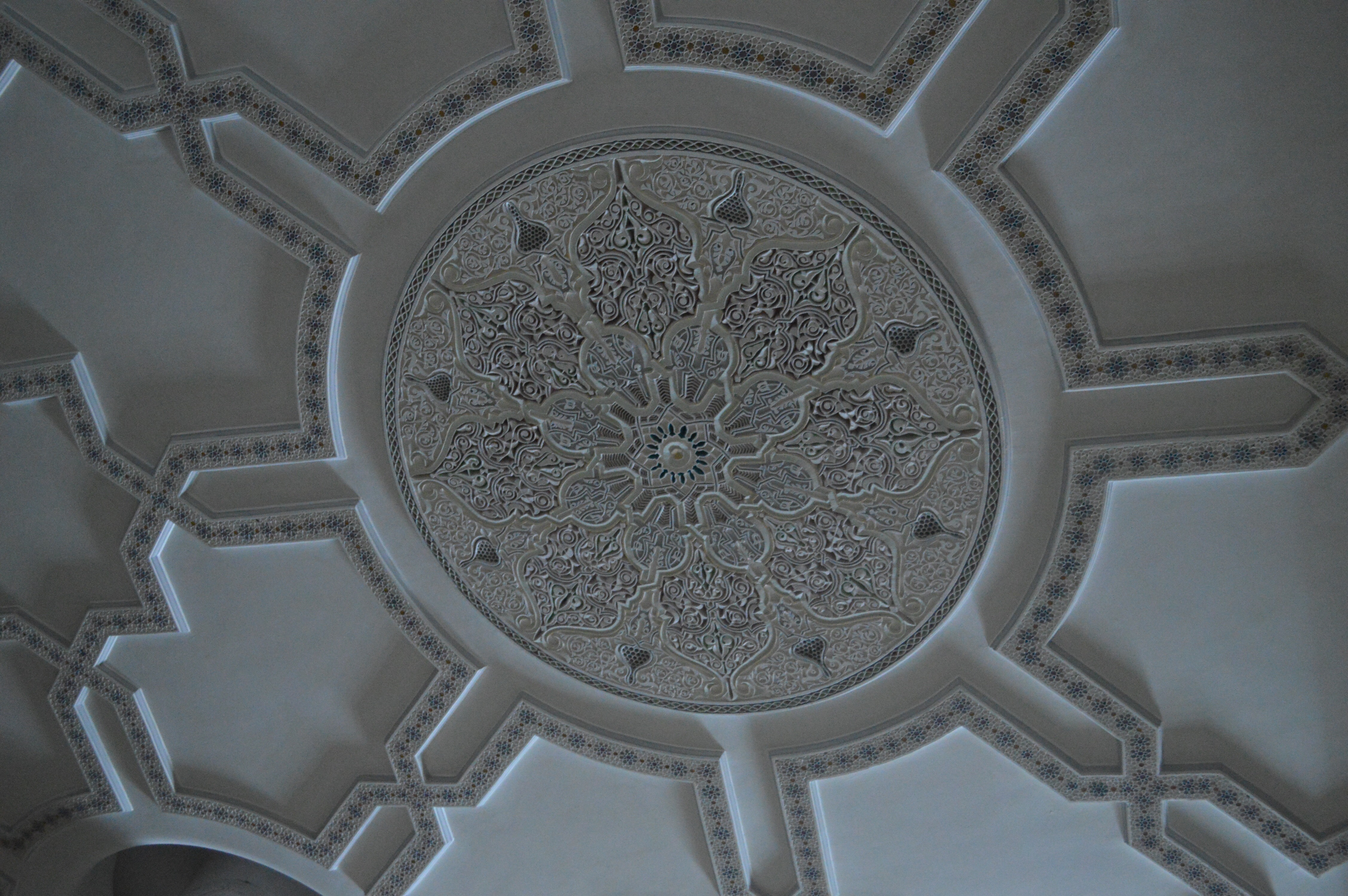
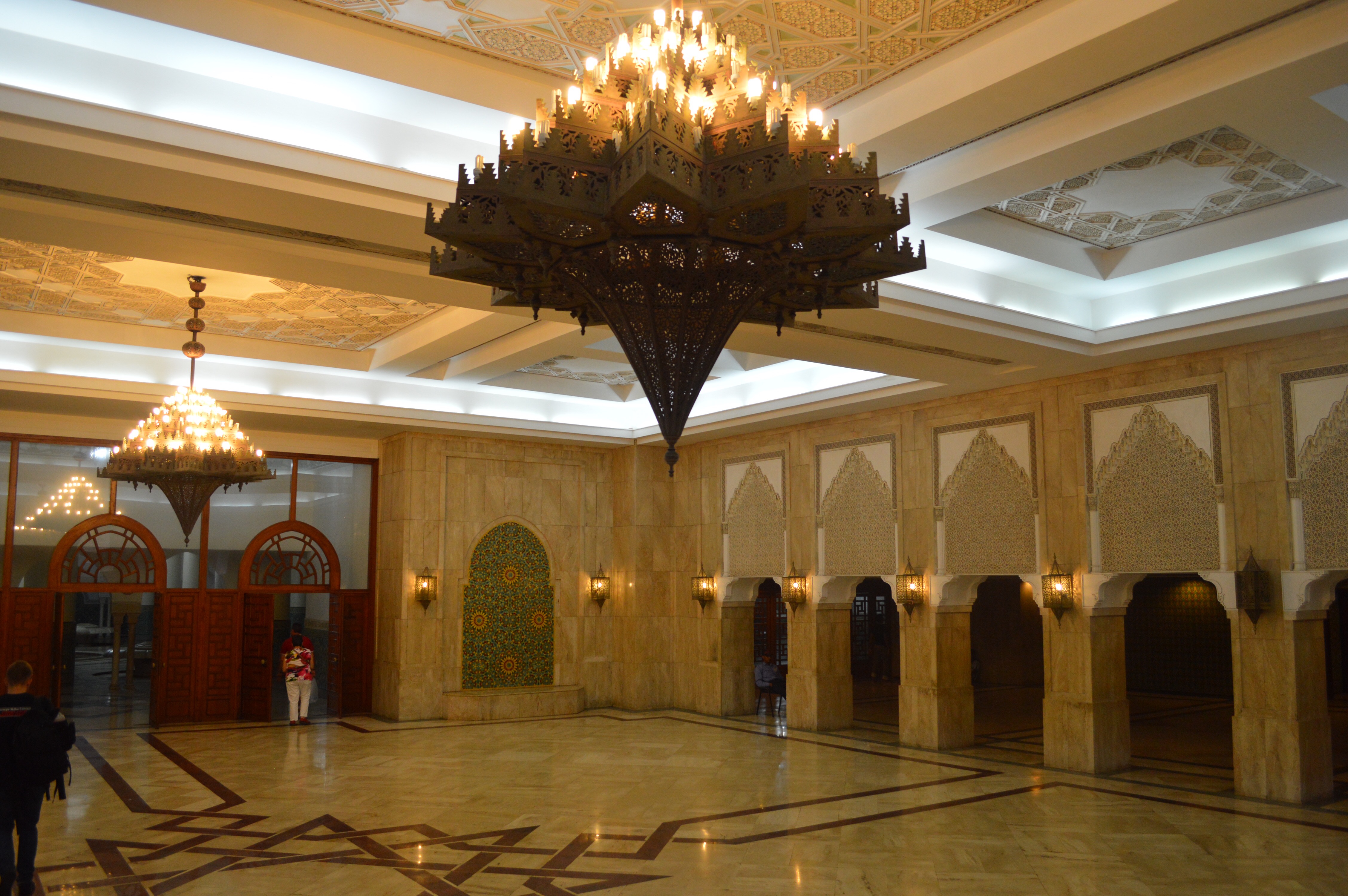
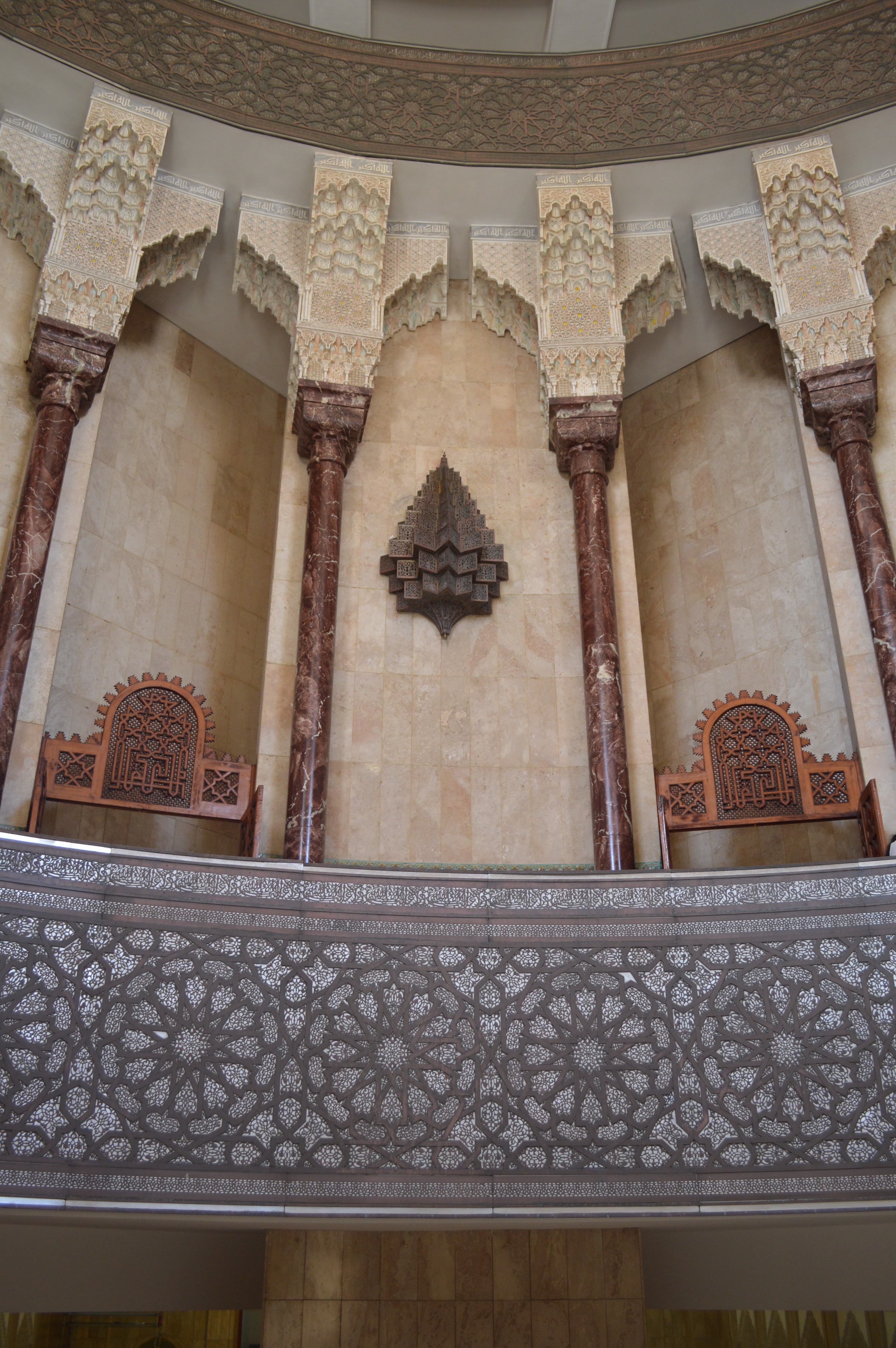
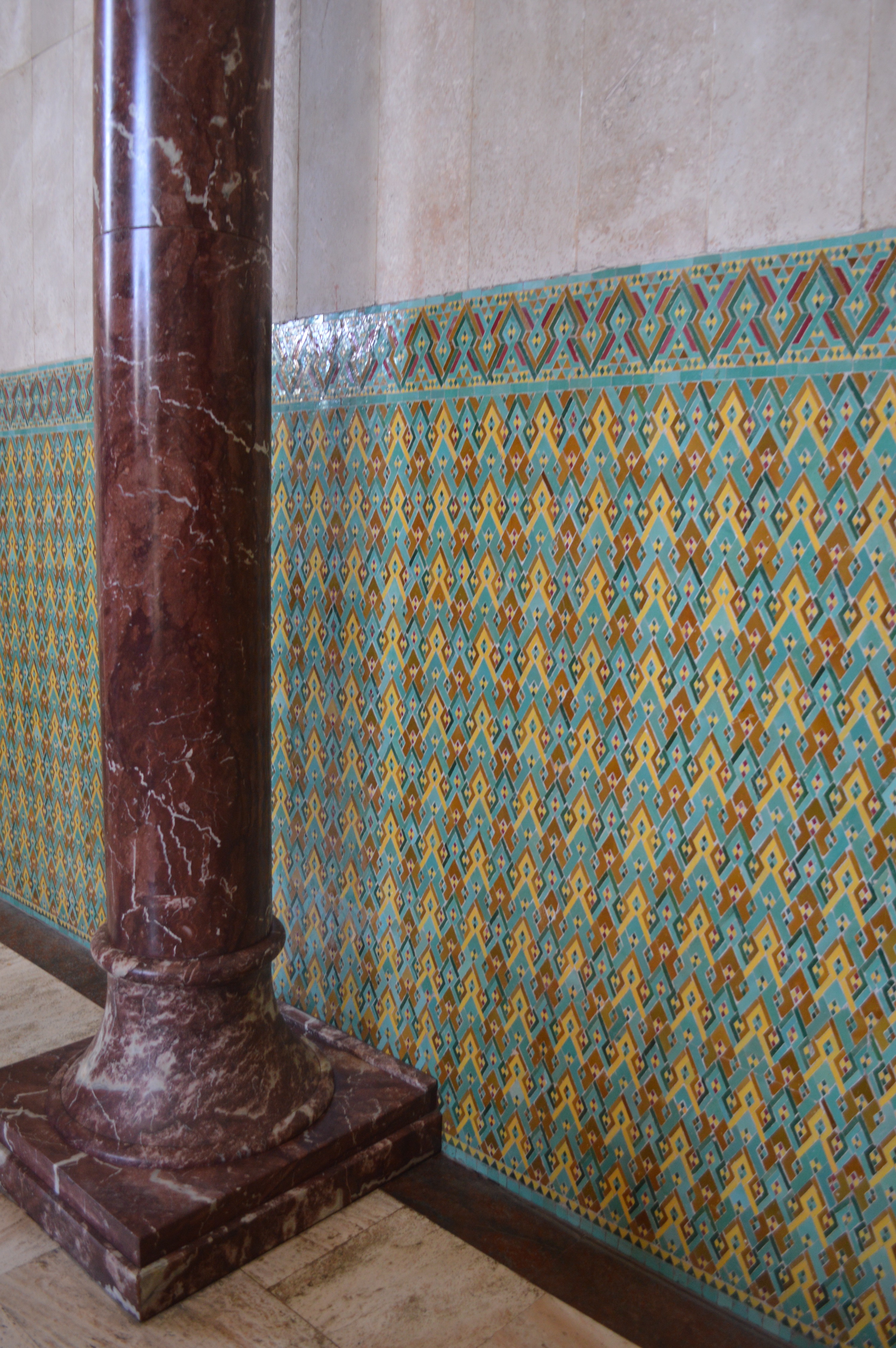
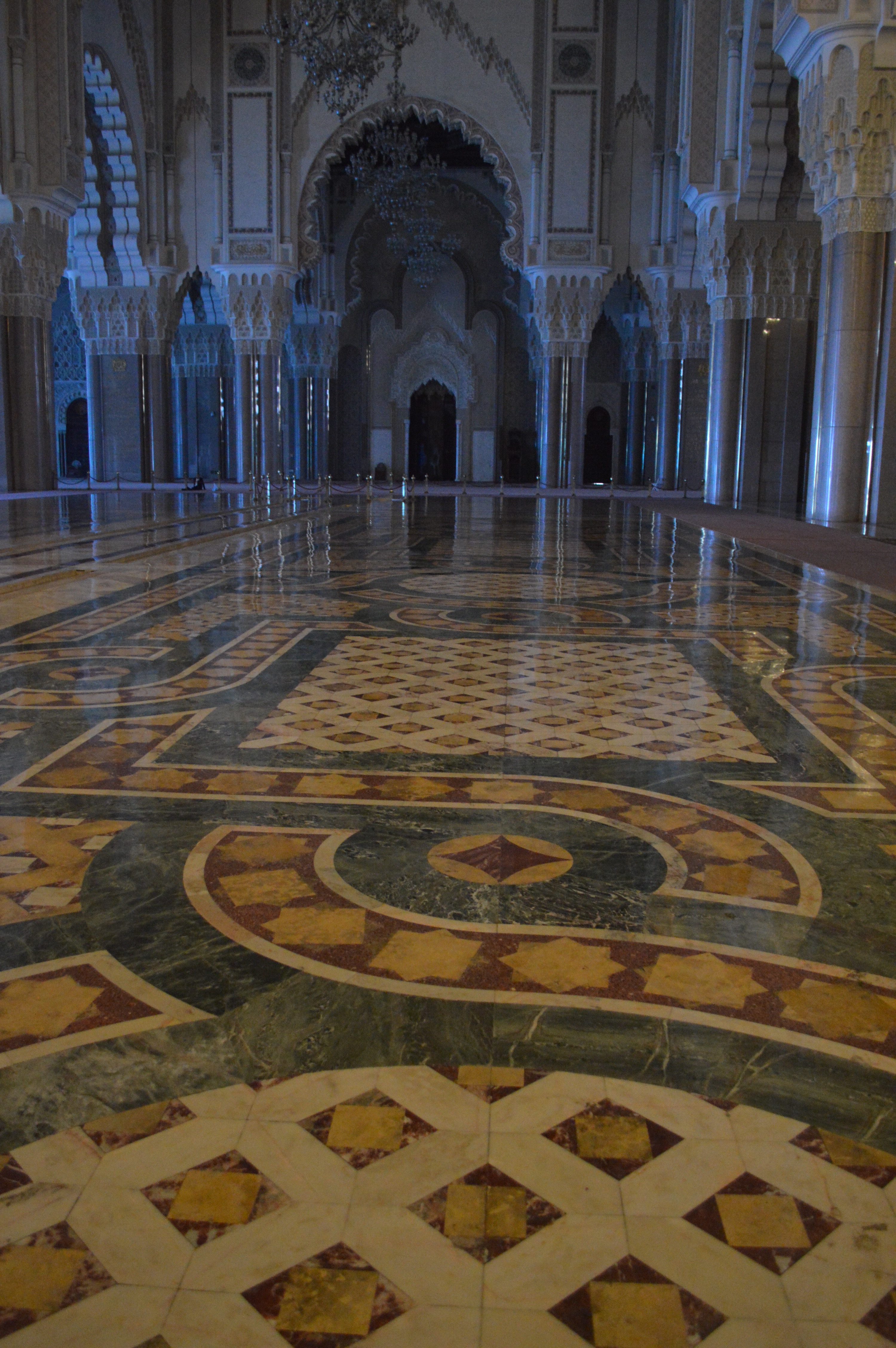
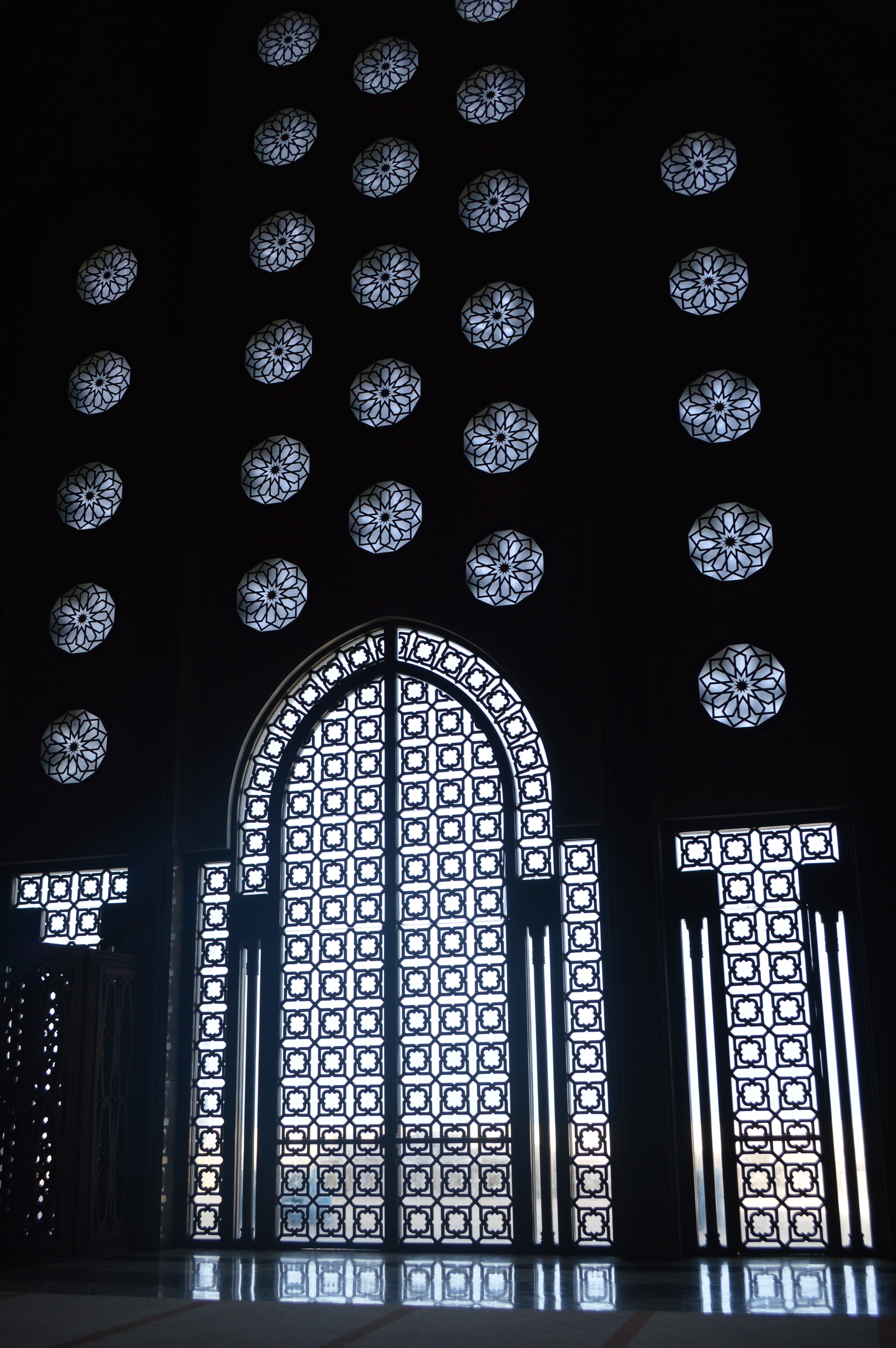
Awe-inspiring is the only was to describe it. There is so much detail everywhere that you look, it is hard to take it all in at once. As we walked around gawking at all the hand-made work and vast space, our guide told us details about the mosque and its operations. It was made in approximately 7 years,  is estimated to have cost as much as $800 million, and around 1,400 men worked by day and 1,000 worked by night to bring the vast project to completion. There is an automated sliding roof opens (on special occasions) to the heavens (and the weather). Nearly all the materials of the Hassan II Mosque are from Morocco, with the sole exceptions of the imported white granite columns and glass chandeliers (from Murano, near Venice). The marble is from Agandir, the cedar wood is from the Middle Atlas and the granite comes from Tafraoute. Over 6,000 Moroccan master craftsmen and artisans were employed to work these local materials into the intricate decorations that embellish the entire structure. 

Inside the Hassan II Mosque

Inside the Hassan II Mosque

Inside the Hassan II Mosque

Inside the Hassan II Mosque


Inside the Hassan II Mosque

Inside the Hassan II Mosque

Inside the Hassan II Mosque

Inside the Hassan II Mosque

Inside the Hassan II Mosque

Inside the Hassan II Mosque


Inside the Hassan II Mosque

Inside the Hassan II Mosque

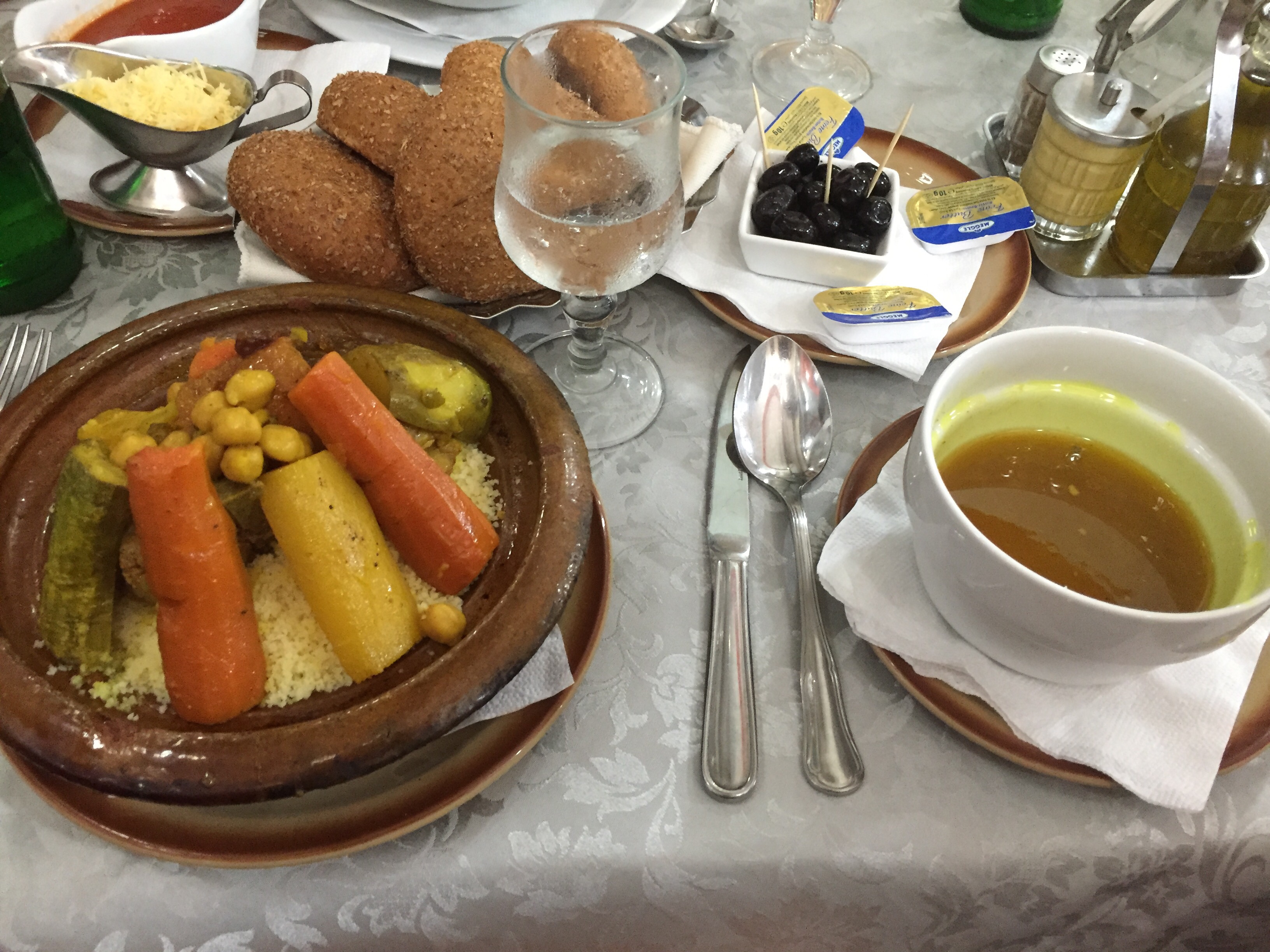
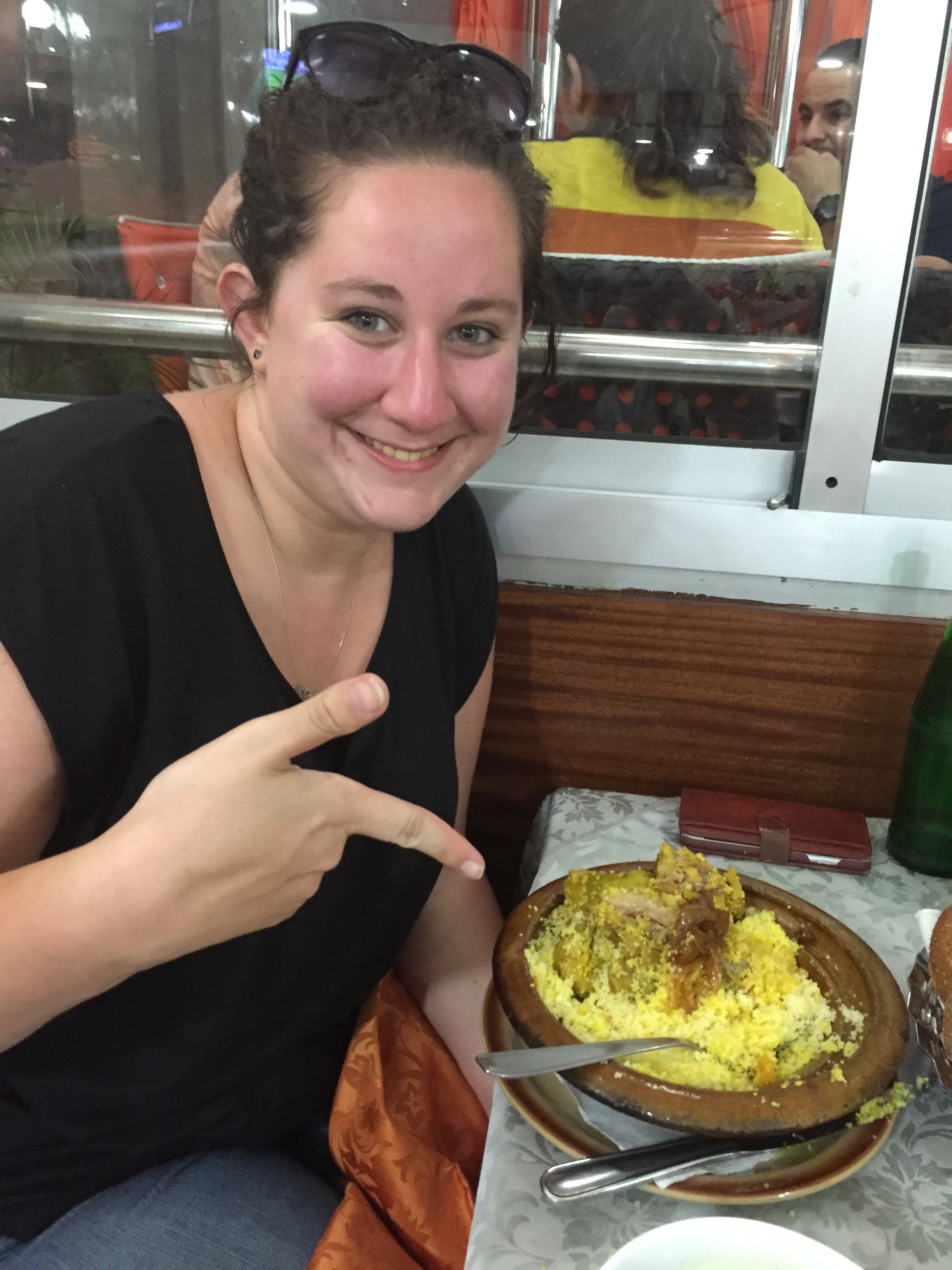
Once our tour of the mosque was finished, we headed to our hotel. The decorations were outstanding! Colour everywhere, all sorts of different patterns and styles that you didn’t think would/should match or go together at all but the Moroccan people sort of made this style work! My room was quite green and the girls had leopard print bedspreads! Madness. After relaxing for a bit we needed to refill our water supply and went off to find a supermarket. The funny bellhop (who had escorted us to our rooms and proceeded to explain how everything in our room worked in Arabic…) was downstairs and practically walked us down the street to the supermarket (how sweet! And a little odd). We saw a glimpse of the famous Casablanca tram (apparently the 4th best thing to do in Casablanca according to trip-advisor) and then went for a wander into town to find some dinner. This part of Casablanca seemed to be more of the run-down part. The suburb was quite bleak, either lots of the pavements and buildings unfinished/broken and a lots seemingly abandoned. We found a nice place for diner that Mohamed had again recommended and I enjoyed my first taste of “real” Moroccan food – couscous! It was delicious! We headed back to the hotel to settle in for the night as we had a big day of touring tomorrow. We didn’t really love Casablanca and would probably suggest to others – go for the mosque, then go somewhere else. 

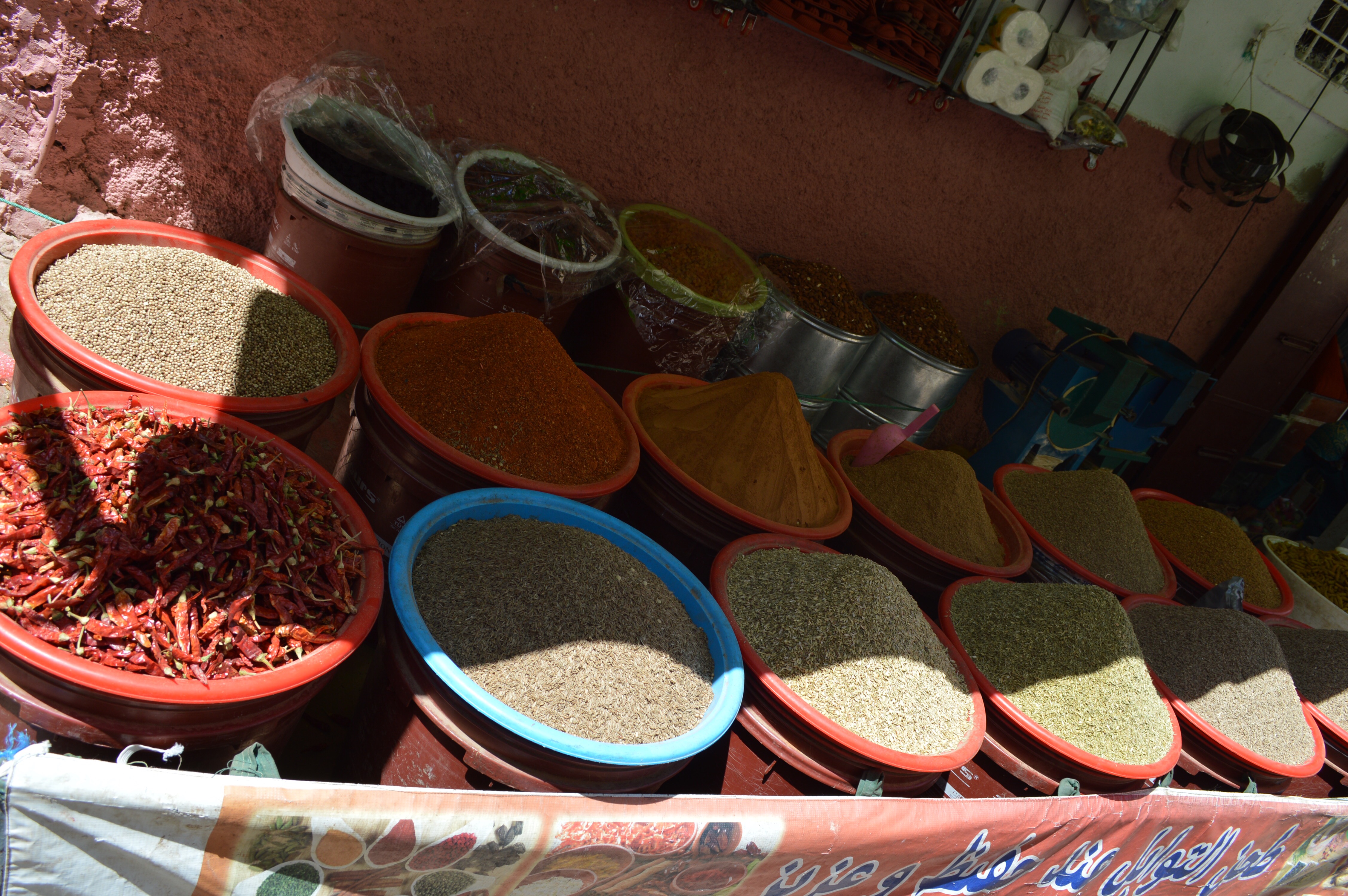
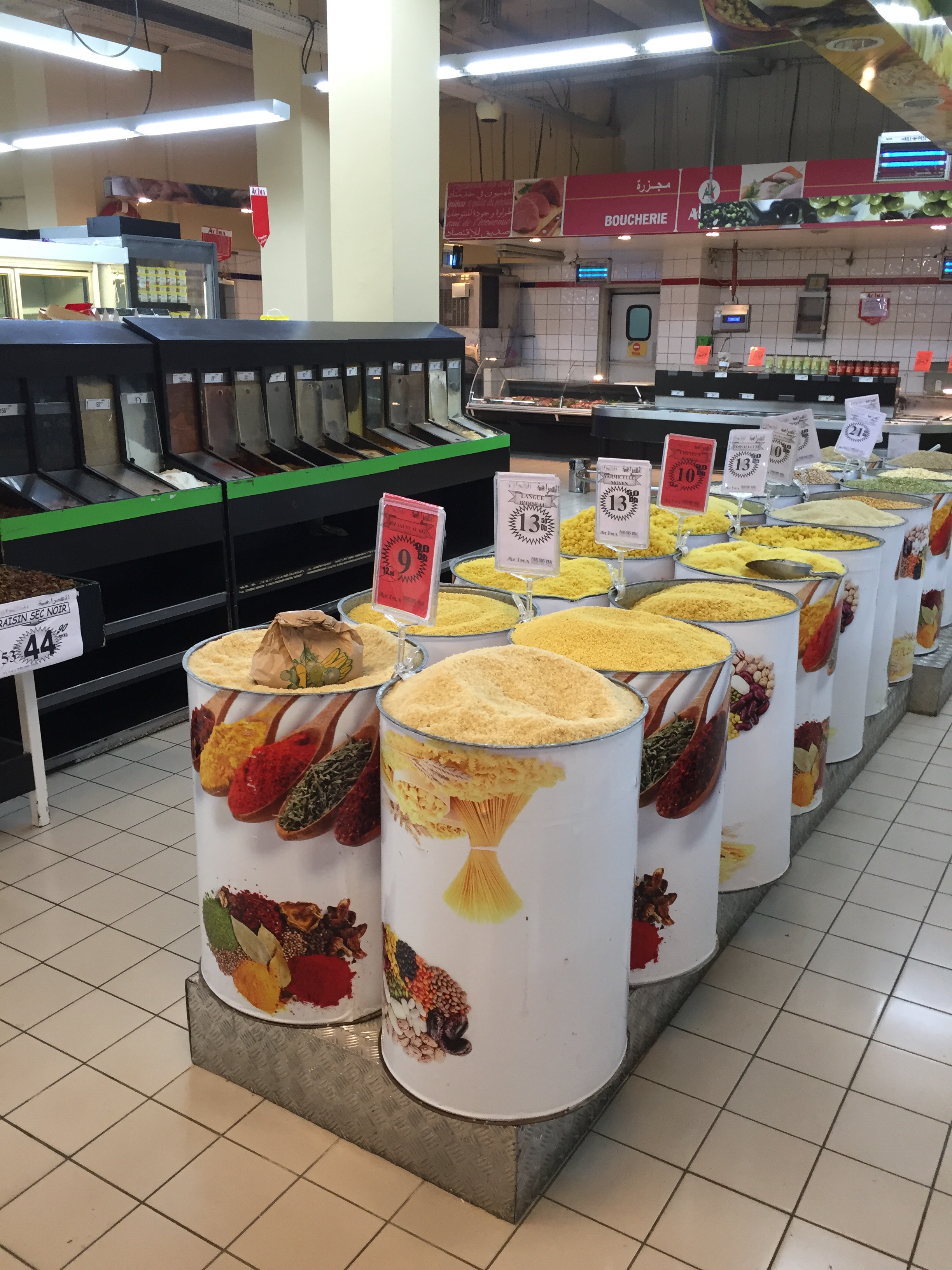
Spices in the supermarket

Nous sommes en Afrique (and they speak French!)!

Yay! We made it to Morocco! Which in itself was partially a surprise. Getting to the plane and the airport had been quite an ordeal. We could not find aaaannnyyywhere for breakfast – apparently the only flaw in the Spanish lifestyle is that if you want to get up early and start your day it does not serve you well… We finally found a Starbucks but by then we were a smidge behind schedule. The airport bus stop was not the easiest to find – our hostel staff were not super descriptive, they just told us to go back to where we got off the bus, seemed easy enough. However, when we got there (which is a huge round about) there are bus stops on every corner and the one we needed was not where we had disembarked upon arrival. Once we had deciphered the map and were making our way to the correct stop, we saw the bus heading off without us! Thankfully with some pleading waves and rushing movements the bus driver was kind enough to pull over for us! Phew! Feeling like we were now well behind schedule (but excited that we didn’t have to wait another 15/20 minutes for the next bus) we were disheartened when we arrived at the airport, came up the escalators and saw the gigantic lines at all the check in counters (and no staff to speak of to assist anyone in where to go). While we waited in line with fingers crossed Max and I took turns running around trying to see if there was a faster/easier option (come one Madrid, where are your signs???). Finally we found the self-checkin counters and we were off and away! The only thing standing in the way of us and the gate was the hour long stop at the currency exchange counter..I honest do not know why they were so slow. It was mind-numbing.

Take us back to relaxing El Retiro Park…

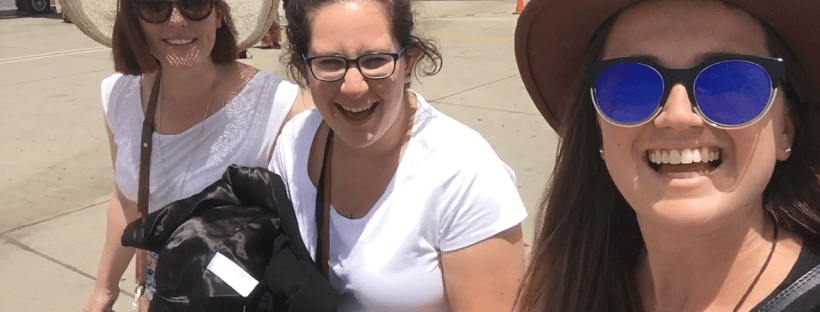
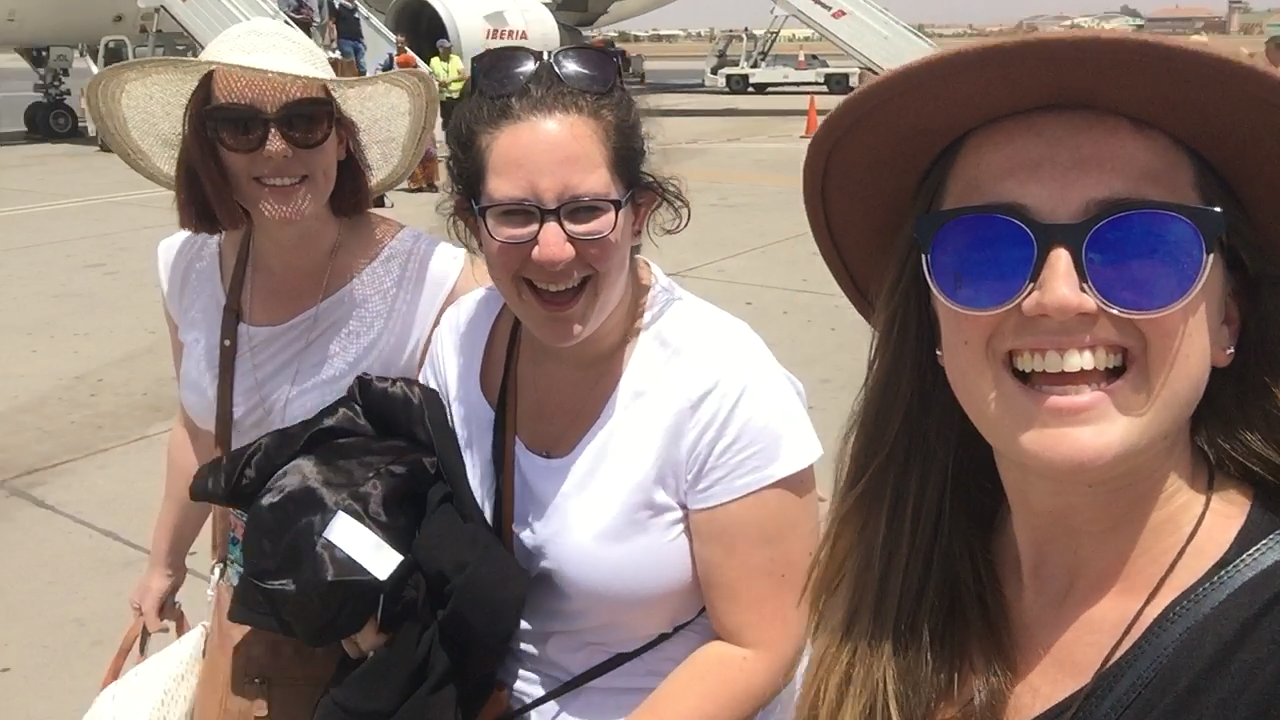
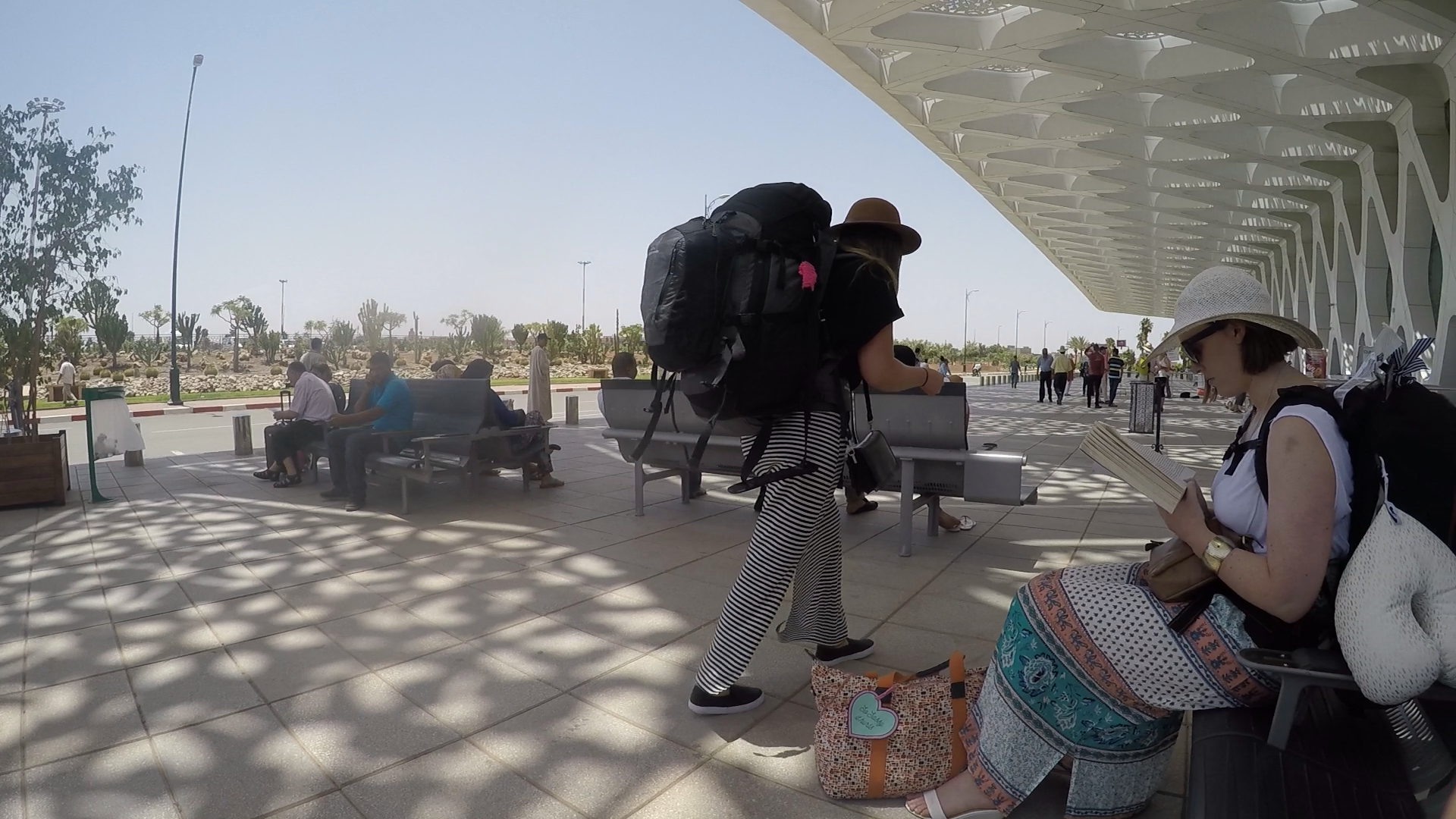
Landing safely in Morocco (although there was no clapping this time) we were thrilled! Coasting through security and getting our bags with a breeze, we skipped out the door. But where was out ride? Fear struck instantly and though it was probably only a few moments, before we saw him (not very enthusiastically holding a Bus About sign up in the back row of drivers) it was long enough for a small panic attack each. Told we had two more people to wait for, we took a seat in the outdoor waiting room type area. 45 minutes elapsed during which we started trying to guess which two people were for us and trying telepathically to convince each pair we saw to walk over to the driver (clearly becoming more delirious with the heat). Partially doing this to kill the time and partially because our driver did not seem enthused at all and was not holding his sign very visibly. Convinced it was the boy/girl pair on our tour we started judging everyone we came across, would they be fun, would we want them on our tour, could we convince them to be on our tour so we could just get to the hotel already? You know, logical thoughts. Eventually we got a ride to the hotel with 3 lovely girls who were doing the 8 day tour but for some reason were not on any list. No idea what happened to the pair we were waiting on…the guy with the sign stayed behind for them…

Arriving at Marrakesh Airport

Waiting for “the other two”


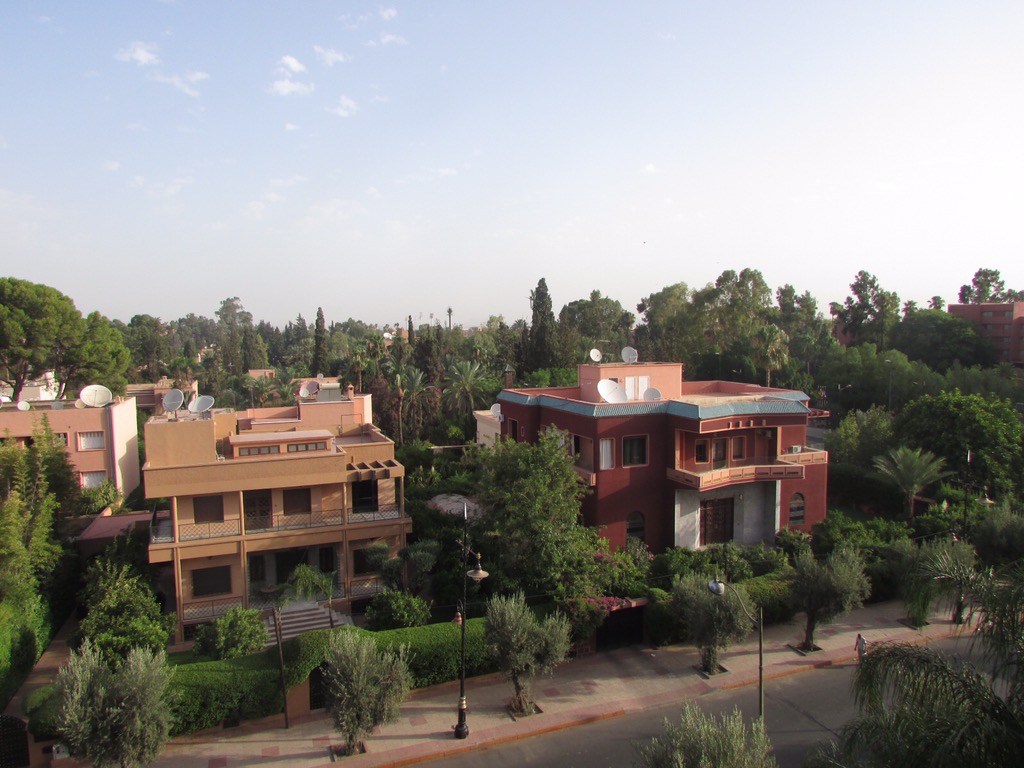
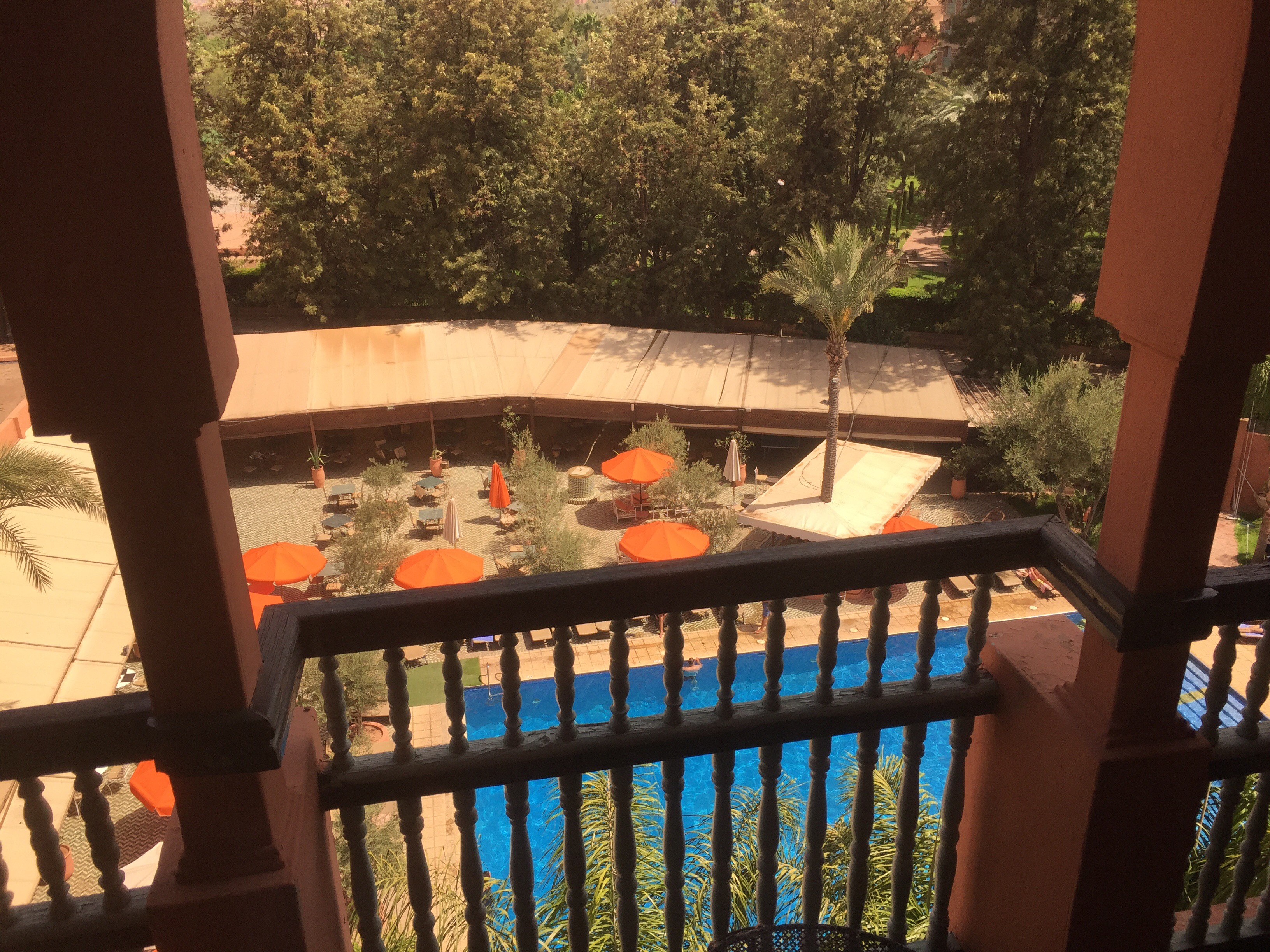
Hôtel El Andalous was heaven. So much fancier than we anticipated. Lush double beds each, terrific air conditioning, a terrific looking pool, 3 different dining areas and more. Once we settle in the room we needed some food and went downstairs to ask the concierge. She directed us to this lounge that felt like a huge study. Abundant leather couches, wooden tables and Moroccan tiles and we had it all to ourselves! After chowing down on some food (nomnomnom) we had a swim in the pool which was almost too warm. Not quite yet the Morocco we had expected. 

View from our room

​​​​
​​
​At 6pm we met our tour guide and one of the members of our tour. We wouldn’t meet the last two until tomorrow as they were on a late flight. The pre-departure meeting consisted mainly of an introduction session of each other, our guide Mohamed and the tour, where we would go each day, how it would run, tipping, option extras and a huge talk about water. During his last tour Mohamed had to take someone to hospital for dehydration despite his constant reminders of “drink, drink, drink” and, understandably, was not going to have it happen again. There would be multiple stops each day to purchase water. We were thrilled to have such a caring guide by our side. We had a bit of down-time before our traditional Moroccan meal so we went on a mini adventure, walking to the local shopping center/mall to buy some water. Surprisingly the streets were super clean and we were only asked about 7 times if we wanted a lift! If it wasn’t for the traffic which seemingly had no rules, this place would be easy to navigate! 

Our “traditional Moroccan meal” was not quite what we expected. A hotel buffet with everything from pasta, pizza, meats and veg. Not sure what to think, Mohamed promised us that in the last part of the tour we would become sick of Moroccan food, so we should just enjoy whatever we wanted now. After eating our fill and feeling more acquainted with each other, we trotted off to bed, excited for the tour to official start in the morning! 

Laundry, lounging and lessons 

Eager for a sleep-in this morning and needed to do some laundry before we head of to Morocco (yay) we decided to make good use of our morning and do just that. We found a delicious little Spanish breakfast spot (no idea what it was called) near the laundromat and we took turns having breaky and watching the washing. After that we had to treat ourselves with a churro!! Max didn’t fancy the lack of icing sugar, but otherwise they were scrumptious!!


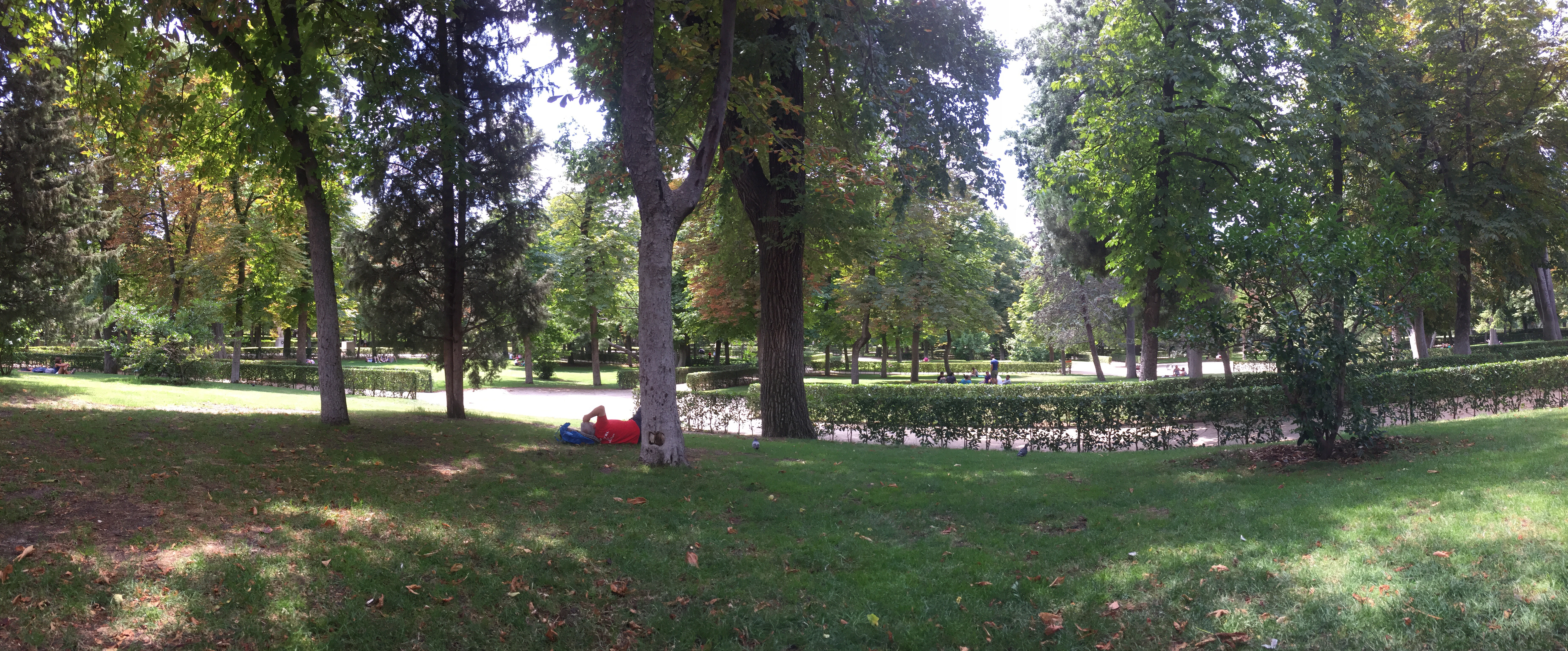
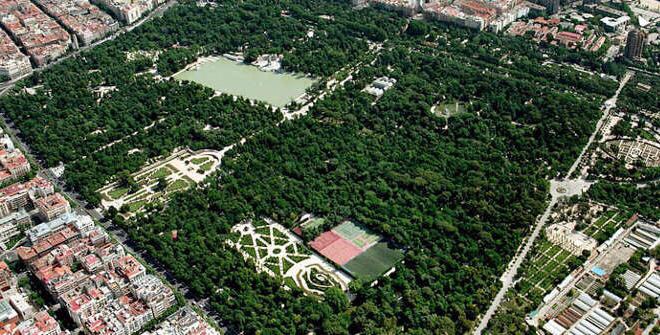
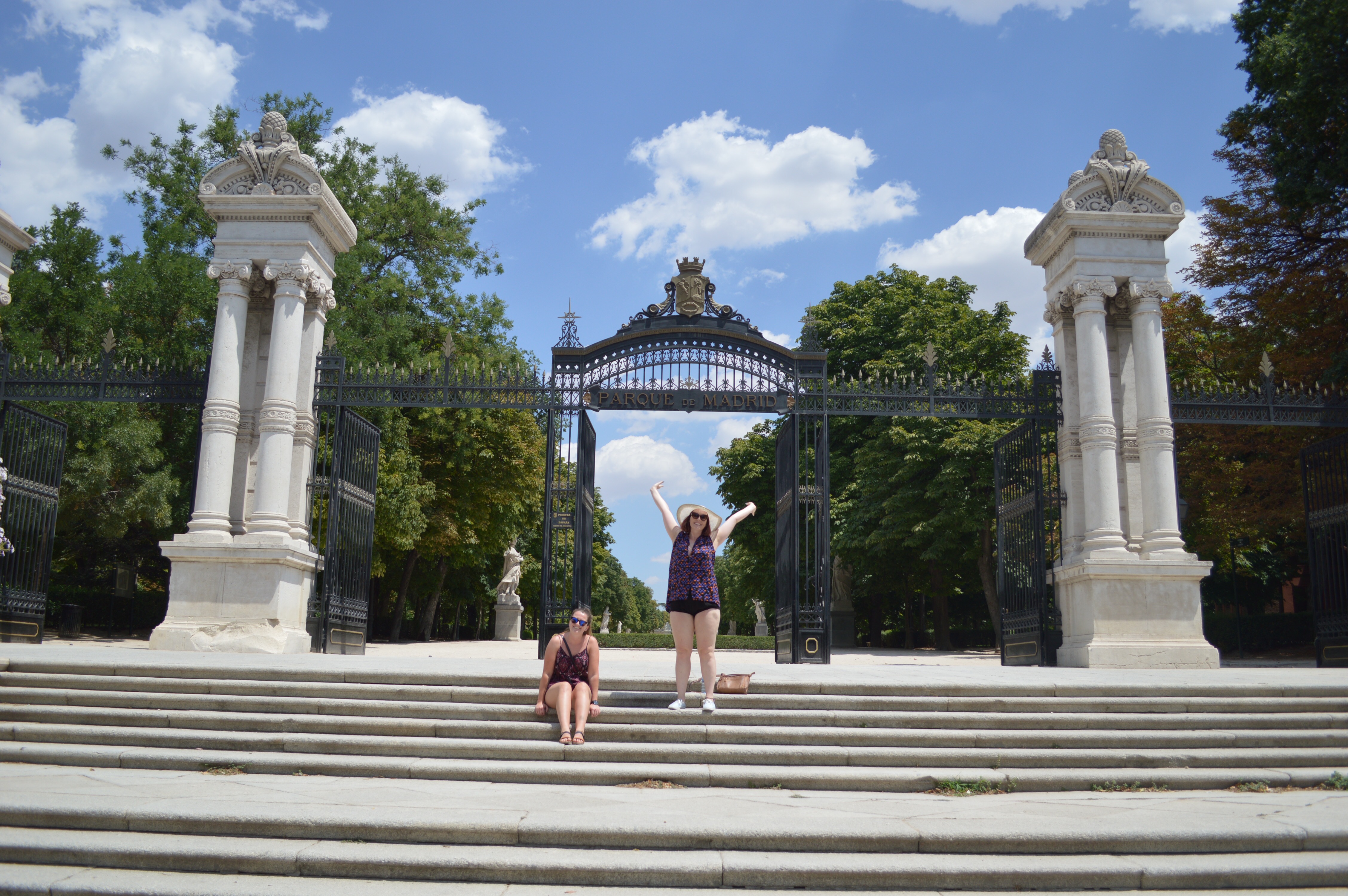
Once the errands were out of the way, our main itinerary item for today was exploring and relaxing in the Buen Retiro Park.


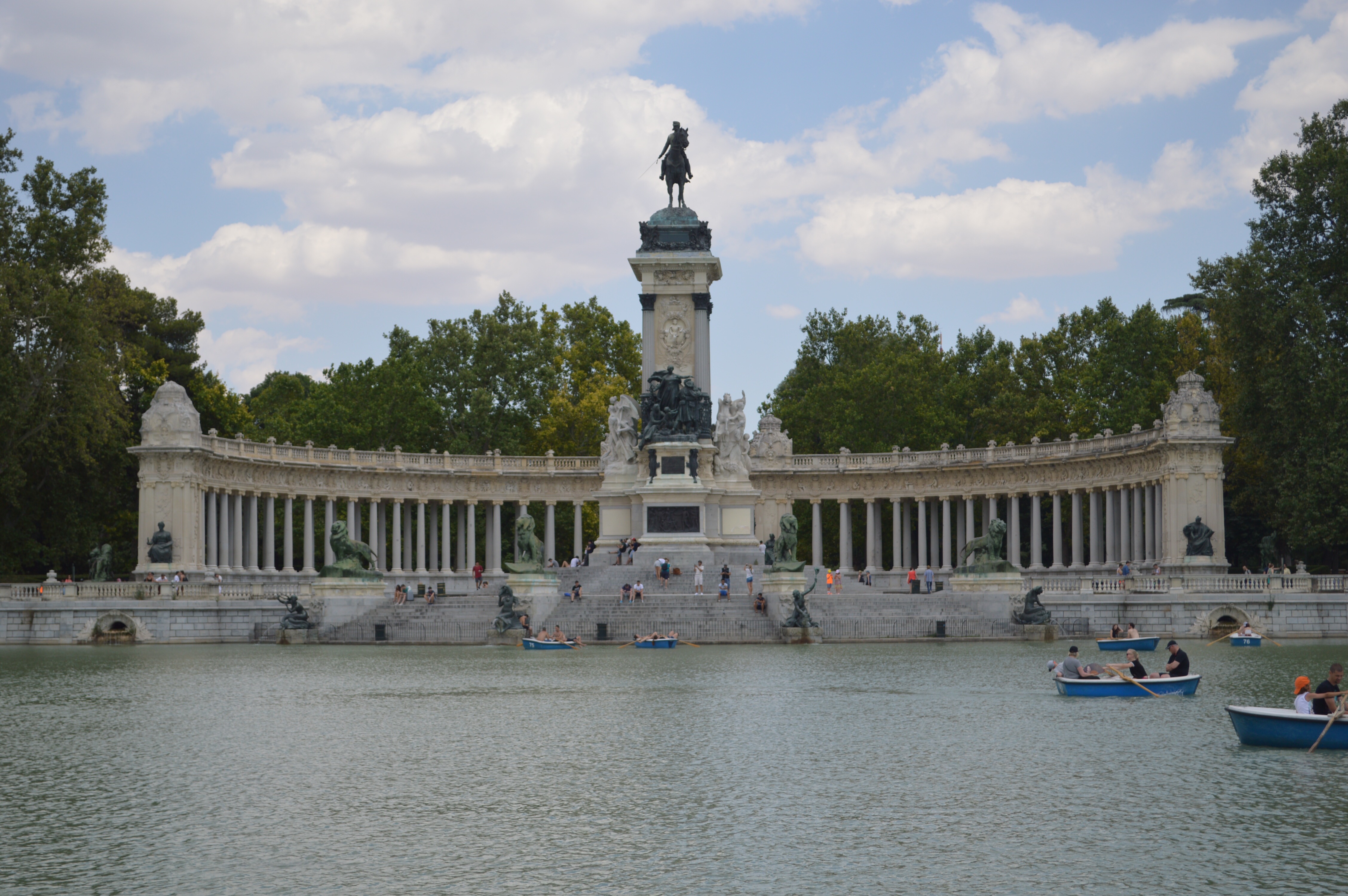
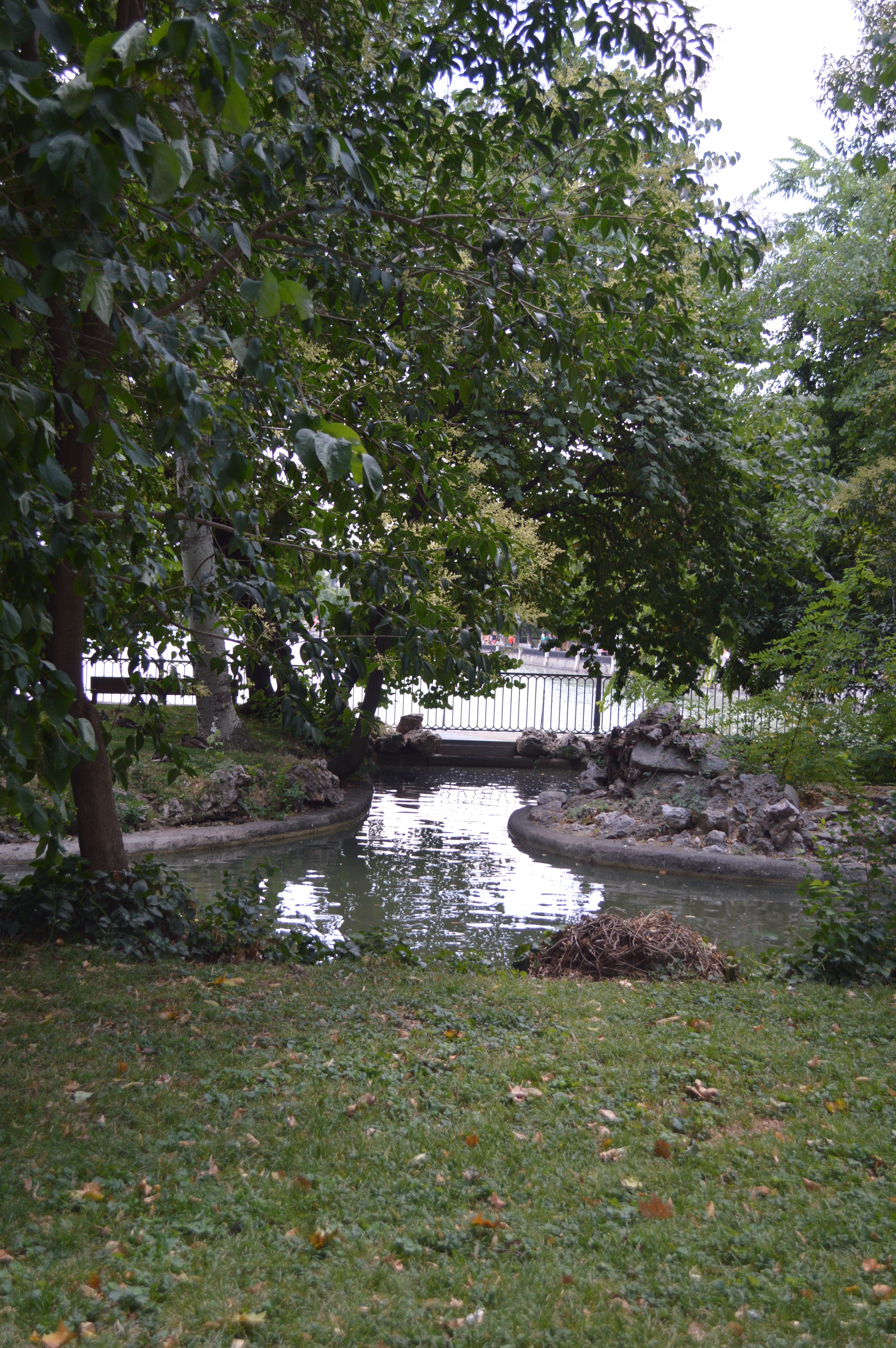
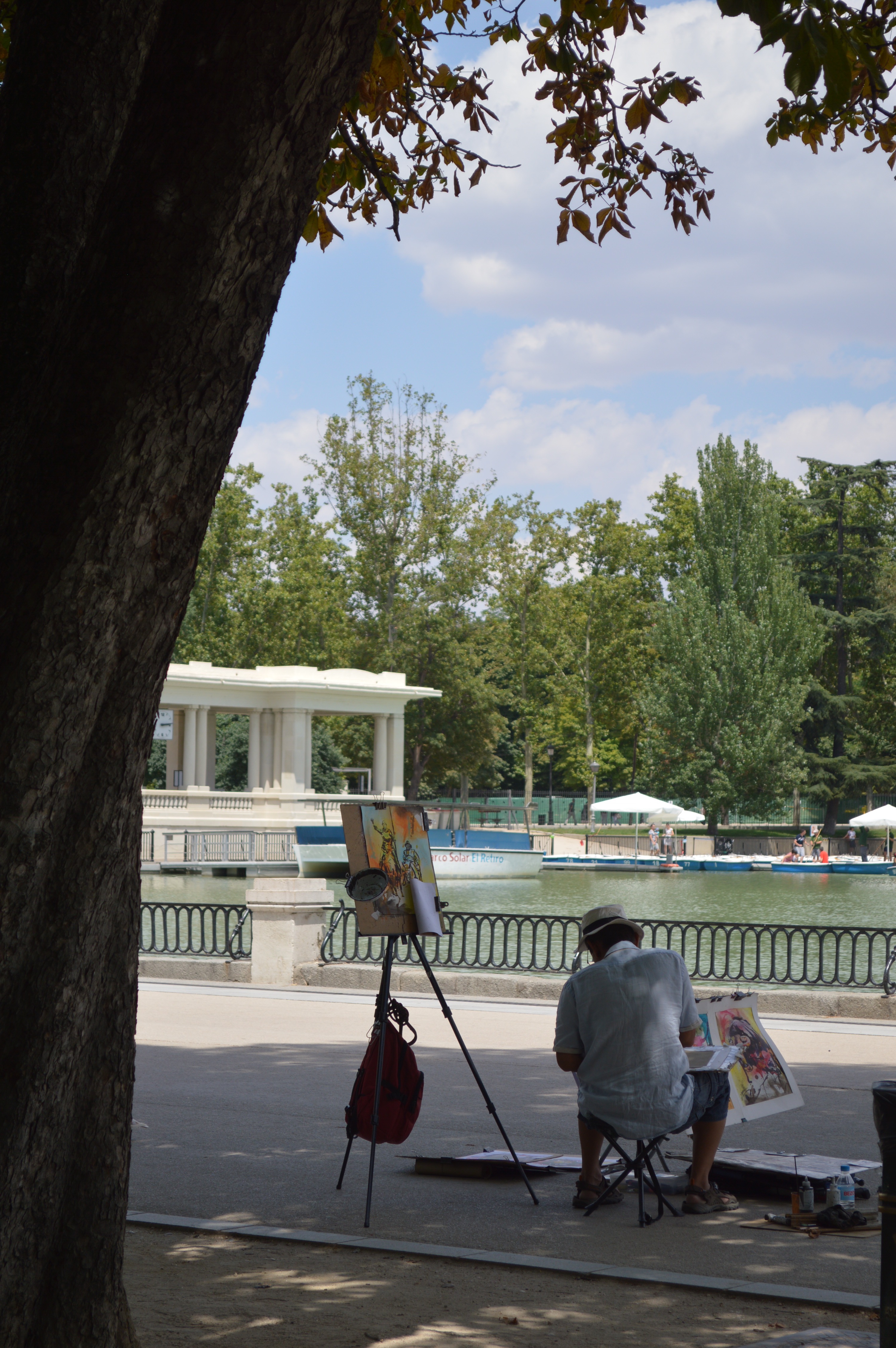
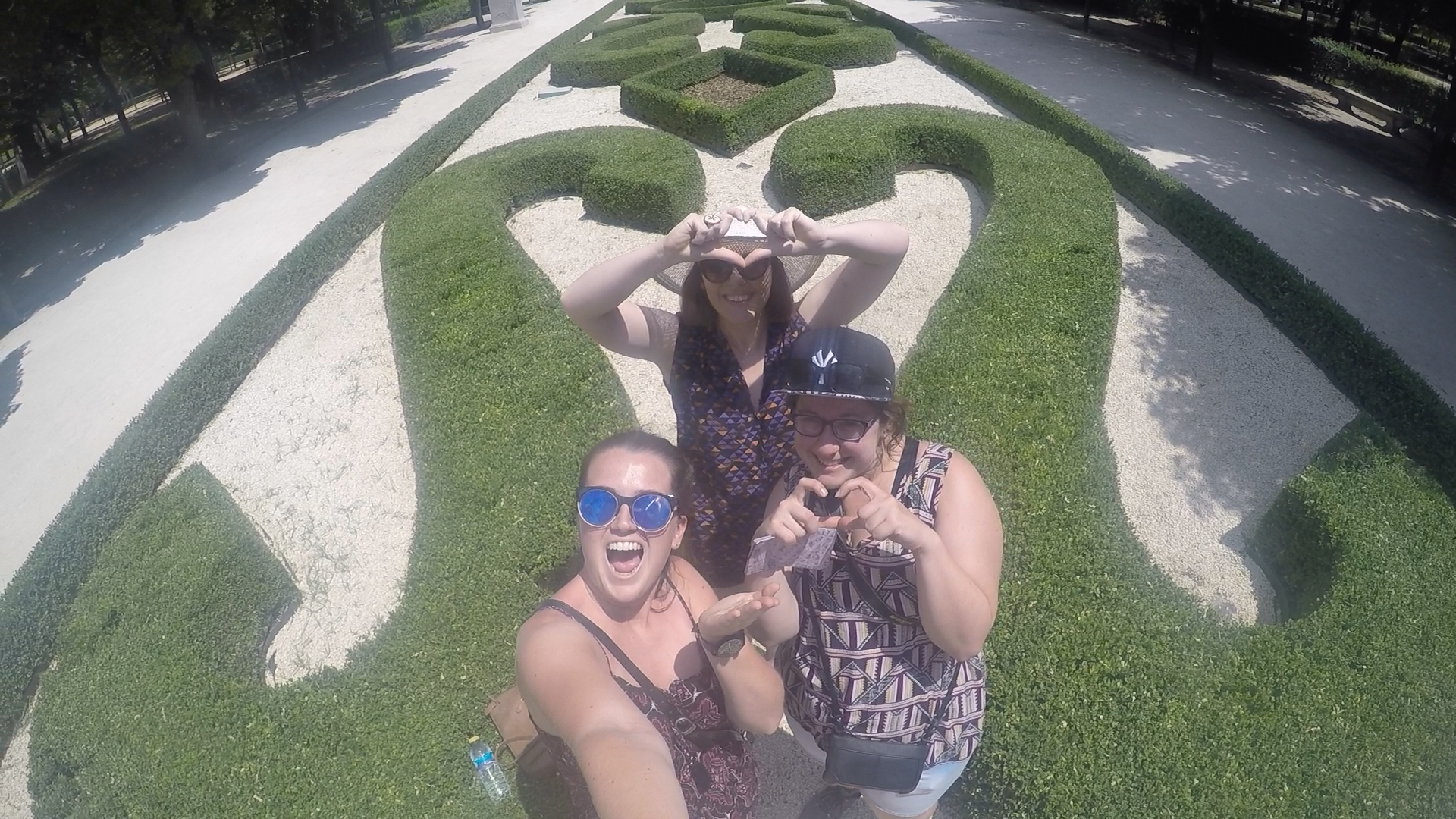
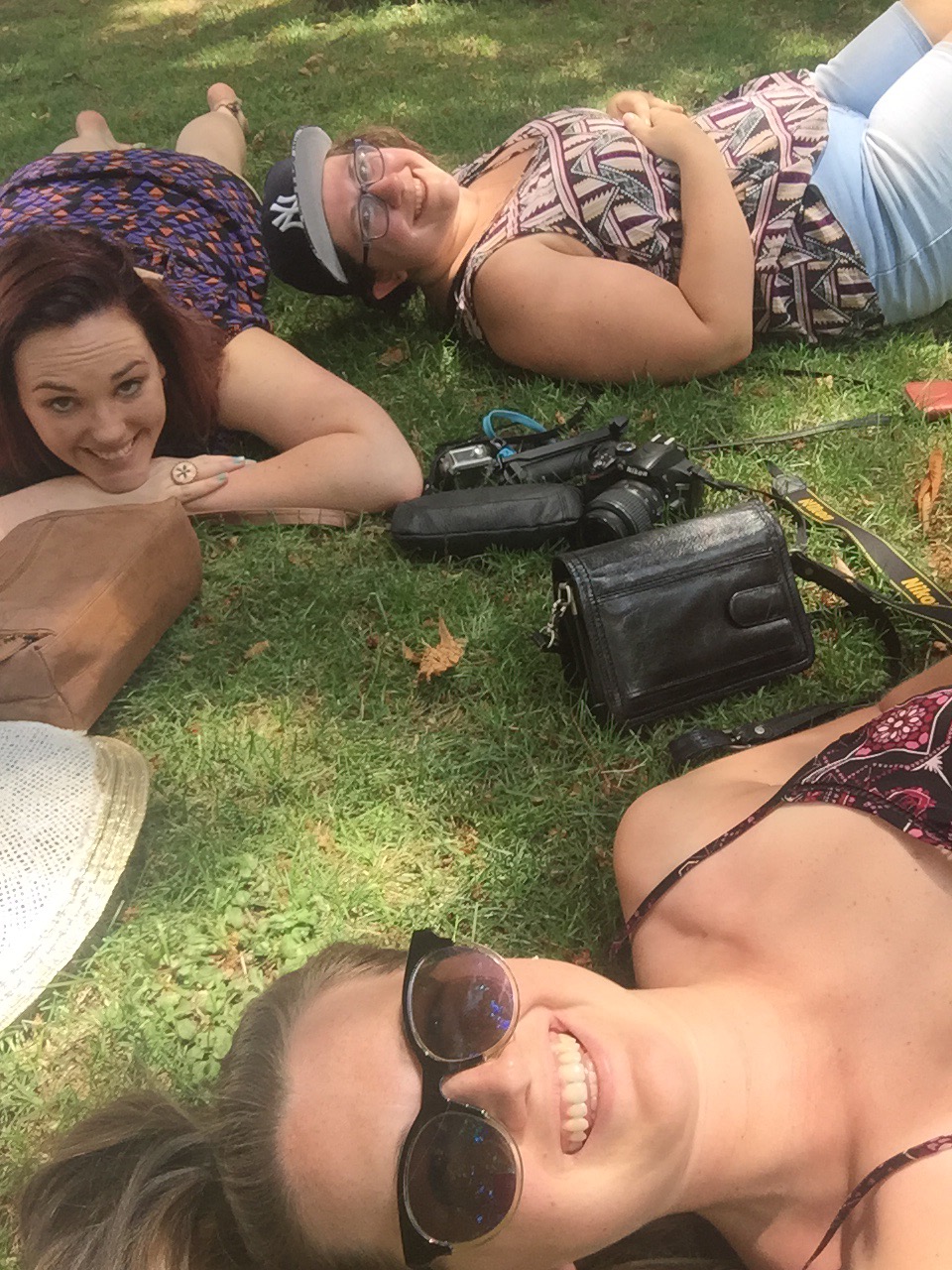
Literally translating to “Park of the Pleasant Retreat”, Burn Retiro Park is one of the largest parks of the city of Madrid. The park belonged to the Spanish Monarchy until the late 19th century, when it became a public park. It truly is a magnificent park, we spent a few hours exploring, finding some of the beautiful sculpture and monuments, galleries and lakes is has to offer. Choosing a green patch of grass near the large artificial lake, the Retiro Pond, we sat and enjoyed the sounds of children playing, music from a busker (even playing “when the saints go marching in”) and watched people row boats across the lake. It was relaxation to a T. We even witnessed a lady set up her own oasis by stinging up her portable hammock between two trees, jumping up into it and using her backpack as a pillow. It was a unanimous decision to look into portable hammocks for ourselves…

Buen Retiro Park

Retiro Pond

Retiro Pond

Buen Retiro Park

Buen Retiro Park

Buen Retiro Park


Once we found some motivation to leave our beautiful spot, we headed towards Mercado de San Fernando. We had been told this was a terrific market, where all the locals go for great food and wine and that you could almost do your own winery tour here. Now true to our usual form we may have become more than a little bit lost along the way, however when an elderly man stopped to help us (we must have looked very confused startling at our map trying to escape the heat) we discovered we were standing right in front of it! We walked inside the building and were a little disappointed as pretty much all of it was shut up. Must not have been a very active hour of the day for the market stalls, and there were certainly next to no patrons. Feeling a little dejected (we could not come back later as we had a tour to attend) we found a cozy little place that had sprinklers to cool you down (thank goodness!!) right near where our tour started. We sat and enjoyed our tapas and sangria and a reprieve from the sun for the next hour (can you tell that we may have adapted to the Spanish lifestyle? There’s no going back now!). 
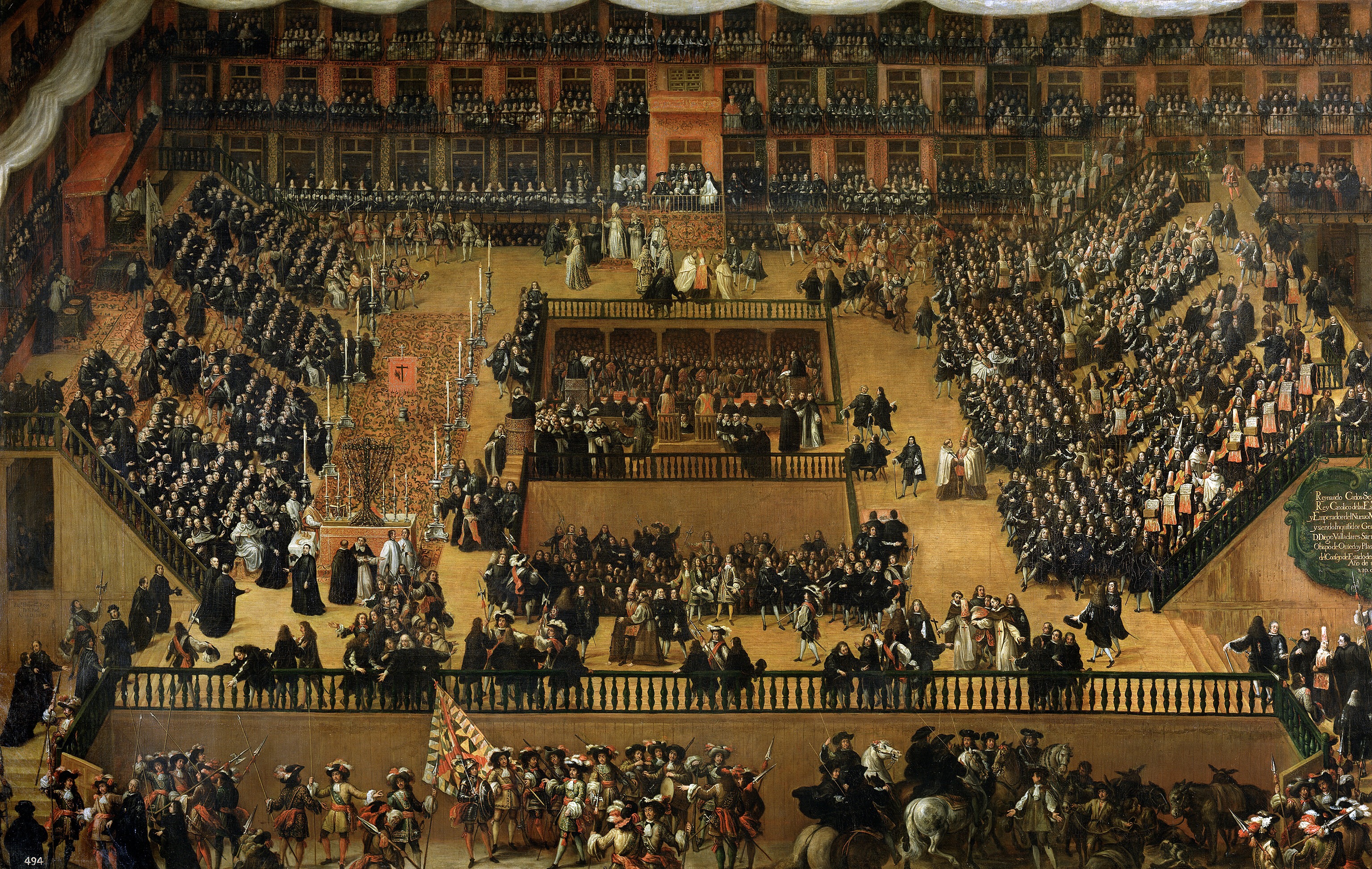
I think we may be slowly becoming Sandeman’s tour groupies. We love them! Our tour this evening was run by Enrique and was all about the Spanish Inquisition. Prior to going on the tour we had learnt on our own that it was different to the Spanish Armada (good call to find this out so we didn’t look so silly once on the tour…), but otherwise we didn’t really know that many details and were interested to add more history notches to our belt. Let me summarise some of what we saw and talked about on our tour. The Spanish Inquisition: one of the most mysterious and bloody institutions of Spanish, is not European, history. In the name of religious orthodoxy (but also potentially for money, to absolve the dept owed to the Jewish at the time), the ruthless founders of the Inquisition oversaw the torture, repression and banishment of hundreds of innocent and terrified people. It left a dark shadow on the landscape of Spain’s history. We explored the mysteries, true stories and legacies including the gruesome and cruel torture methods they employed, and the people who became their victims. Crimes included blasphemy, blasphemy while drunk, practicing a religion other than Catholicism (which could have been something as small as lighting a candle in your house) or homosexuality. You had the ability to defend yourself, but that involved being able to name anyone who may have accused you. We visited key areas of the city which were the setting for the Inquisition including the old, now haunting jail of the Inquisition, and the site of one particularly dramatic mass trial (only one building involved in the Inquisition still stands today – and it is a huge space left empty). It ended with one certainty, the Spanish Inquisition is much-referenced but little understood.

Spanish Inquisition Trials in Plaza Mayor


Feeling somber post tour we grabbed an ice cream and discussed what we had heard while heading back to our hostel. 

How to summarise Madrid – proud, dramatic, stylish, noisy and exciting (and hot!)! We think we got a pretty good idea of what makes Madrid tick in our short time 🙂 

Spain – we have loved you, we have missed you and we will be back for more exploring! Thank you for a splendid start to the adventure.

Next stop – Africa!!

Madrid. The capital, the village.

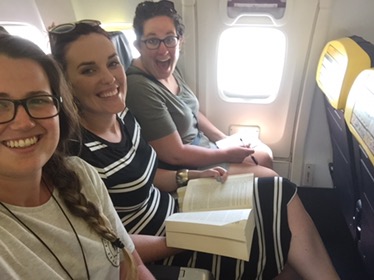
Madrid – Spain’s central capital – a city of elegant boulevards and expansive, manicured parks. Yet locals still commonly and lovingly refer to Madrid as the village. We are so excited to be here, but also a little bit nervous, we loved Barcelona so much and we wanted our love of Spain to continue and grow! Perhaps to ease our nerves, we were very spoilt on the flight over to Madrid. We ended up wit the emergency exit seats!! You can see by the photos below the joy on our faces once we realized we could stretch out (and once we were less confused as to why the flight attendant wouldn’t let us keep our bags under the seats in front of us …)

Madrid Bound

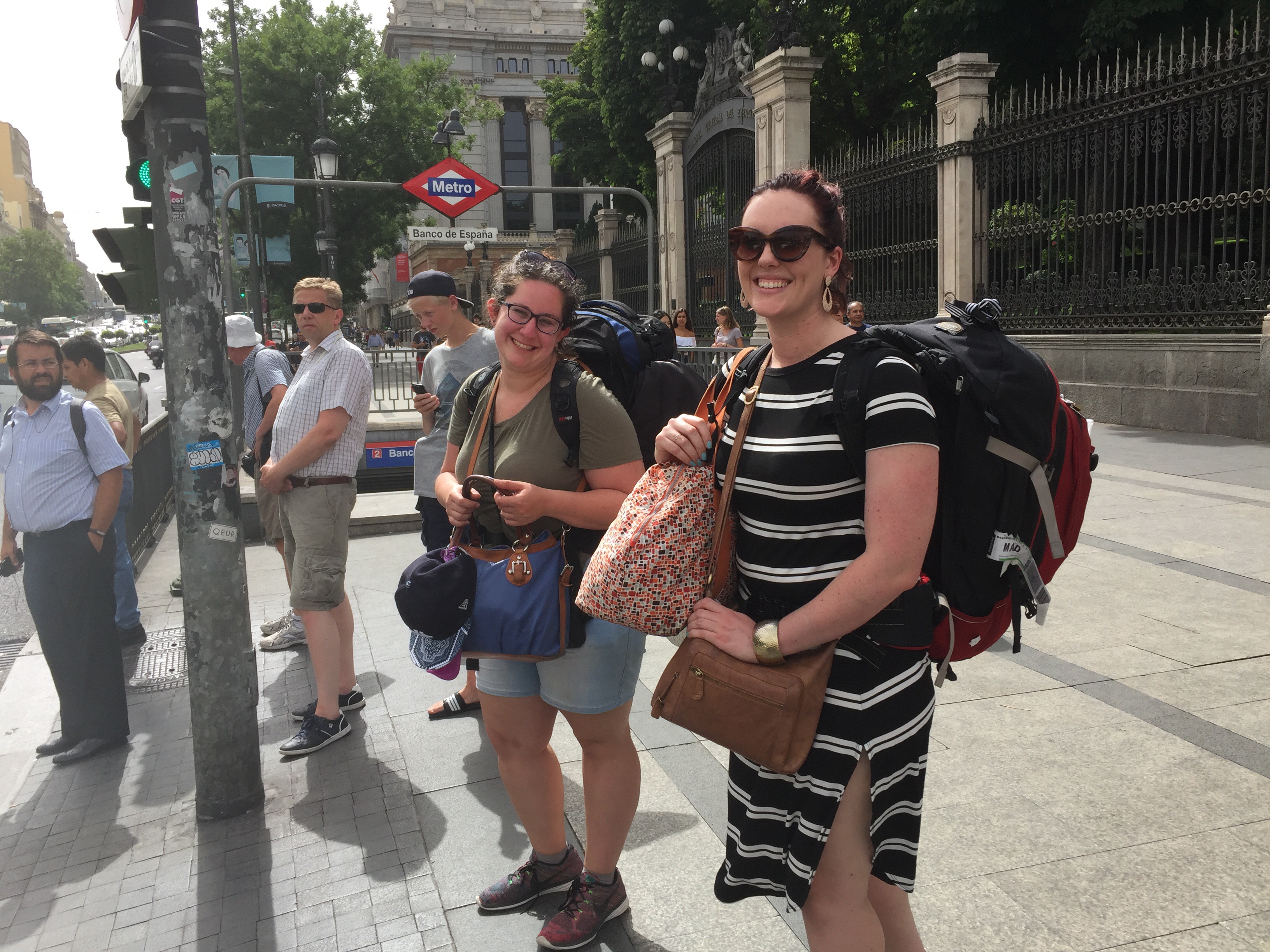
Trying To Find Our Madrid Hostel


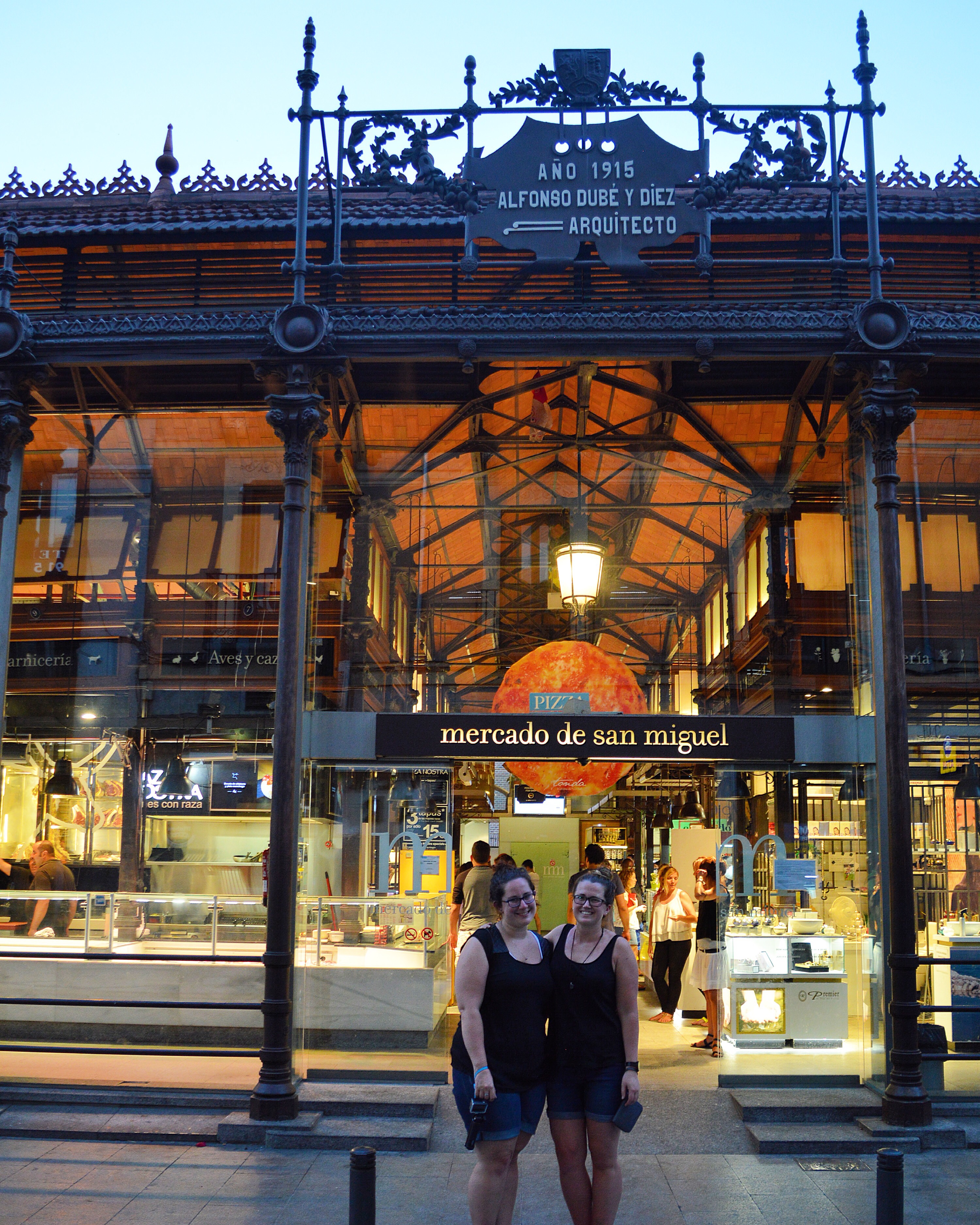
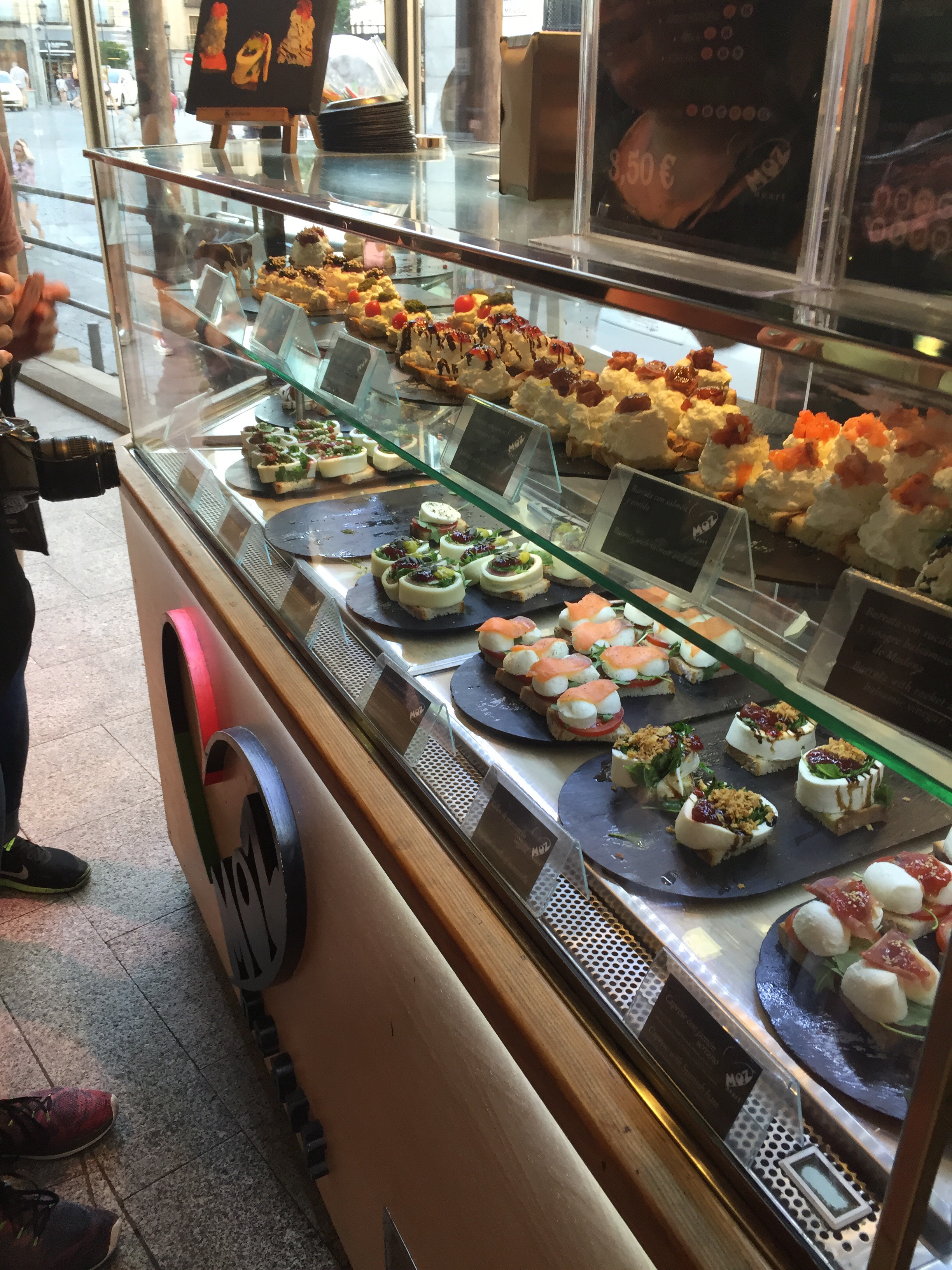
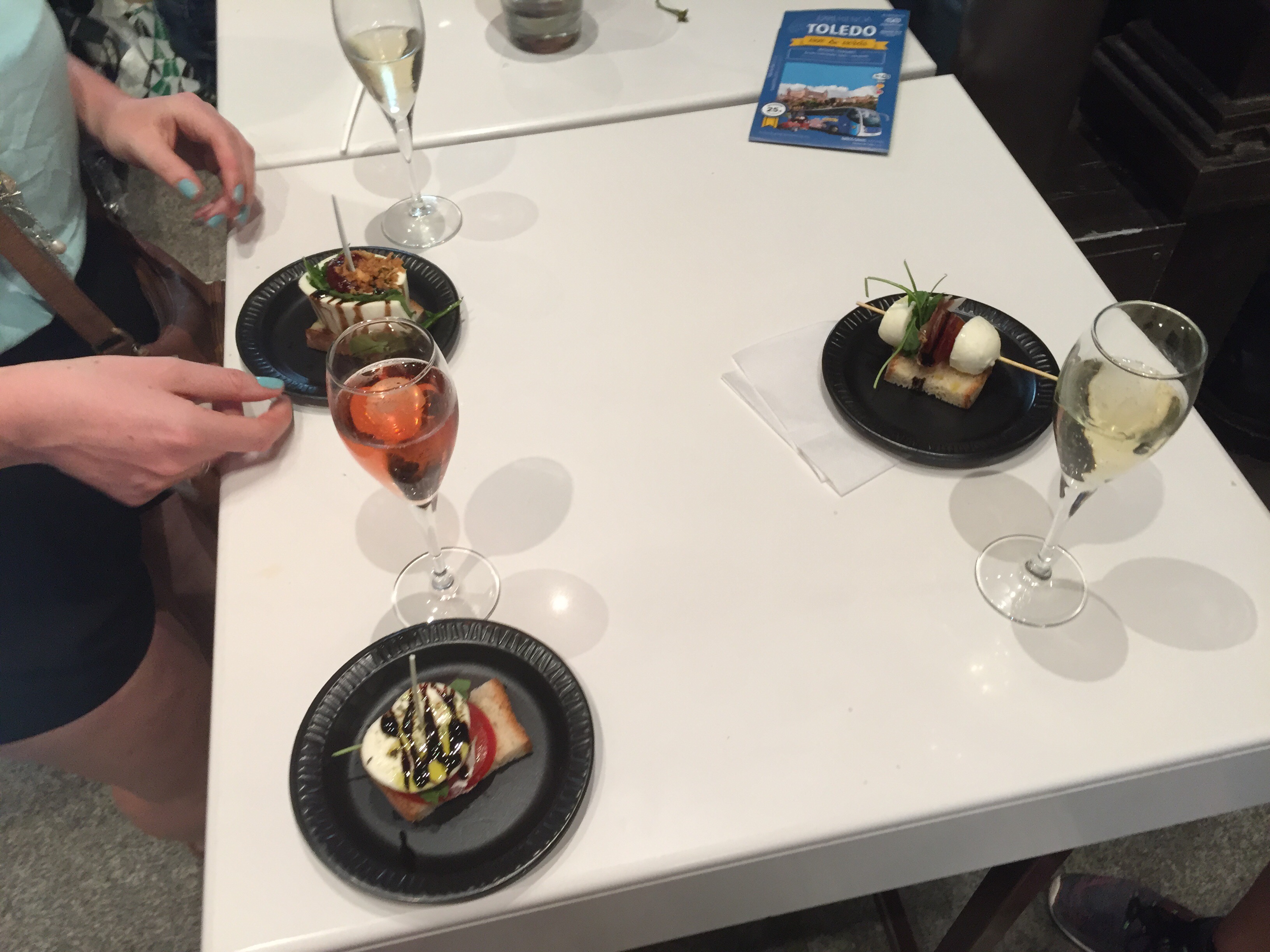
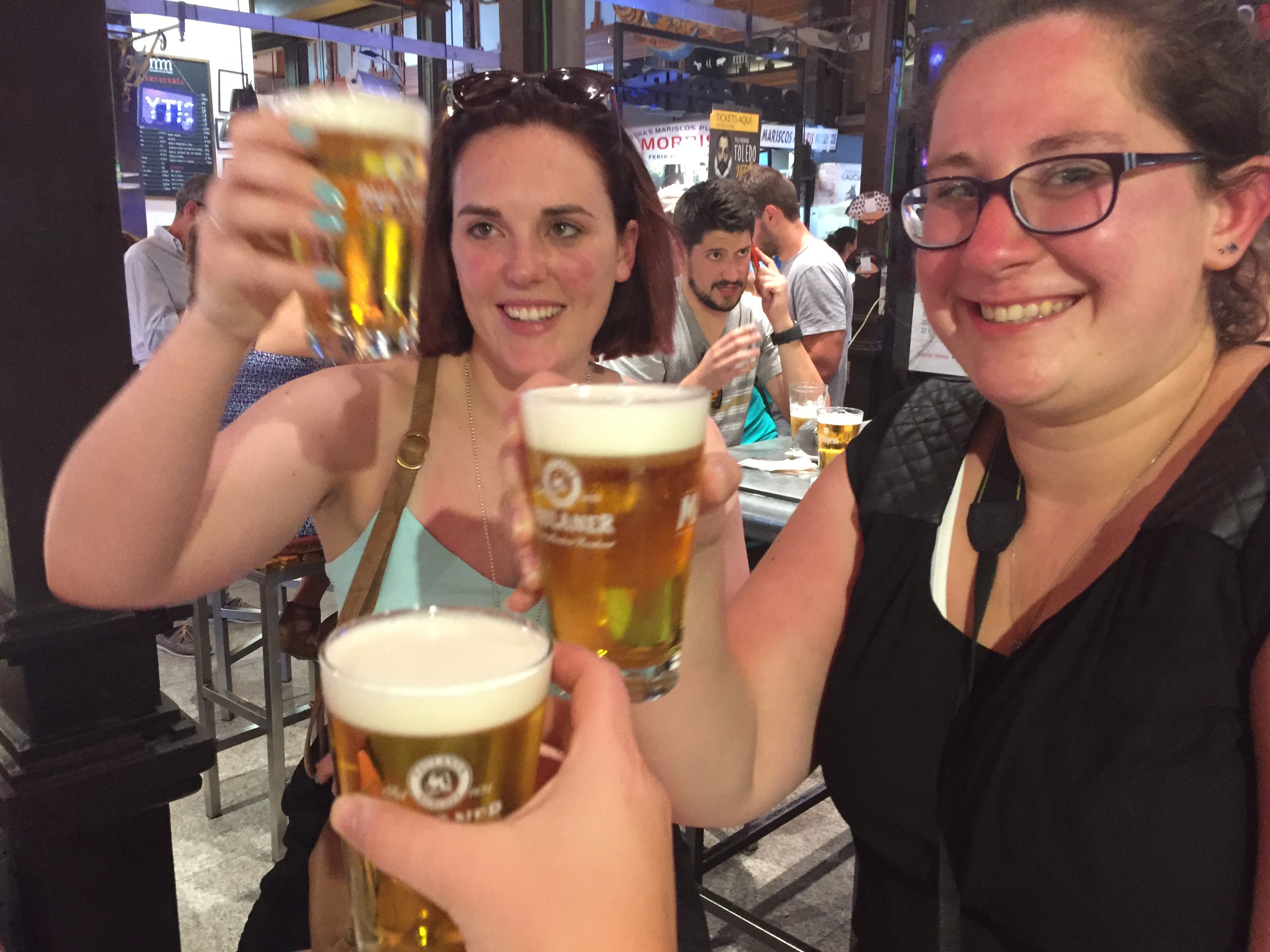
Landing in Madrid during the late afternoon, we decided to kick start our cultural experience with food! We headed straight to the historic wrought-iron-and-glass Mercado de San Miguel and neither the atmosphere nor the foodlet us down. It is such a lively place, bustling with people enjoying the mouth-watering displays of food. We found ourselves in front of a marvelous array of oysters, cava, chocolate, stuffed sea urchins, calamari, paella, mozzarella and tapas. Doing the only logical thing we could think of, we tried little bites of as much as we could! Also enjoying a caña (small beer) from the Beer House and a glass of rioja from one of the wine kiosks. The only thing we were not game enough to try was the gulas (imitation baby eels made from surimi)…maybe next time. 

Mercado de San Miguel

Tasty Treats at Mercado de San Miguel

Treats at Mercado de San Miguel

Enjoying Caña at Mercado de San Miguel


Plaza Mayor at Night


As we loved the orientation and
background information we got on our Sanderman’s tour in Barcelona, we decided it would be a wonderful way to start our first full day in Madrid. After an awful breakfast in the hostel (won’t be doing that again) we made our way to Plaza Mayor where our tour began. Guided this time by Seb, we wandered through really just a small part of Madrid’s medieval streets and majestic squares and learnt a little about a lot of Madrid and Spain’s history. 

Plaza Mayor


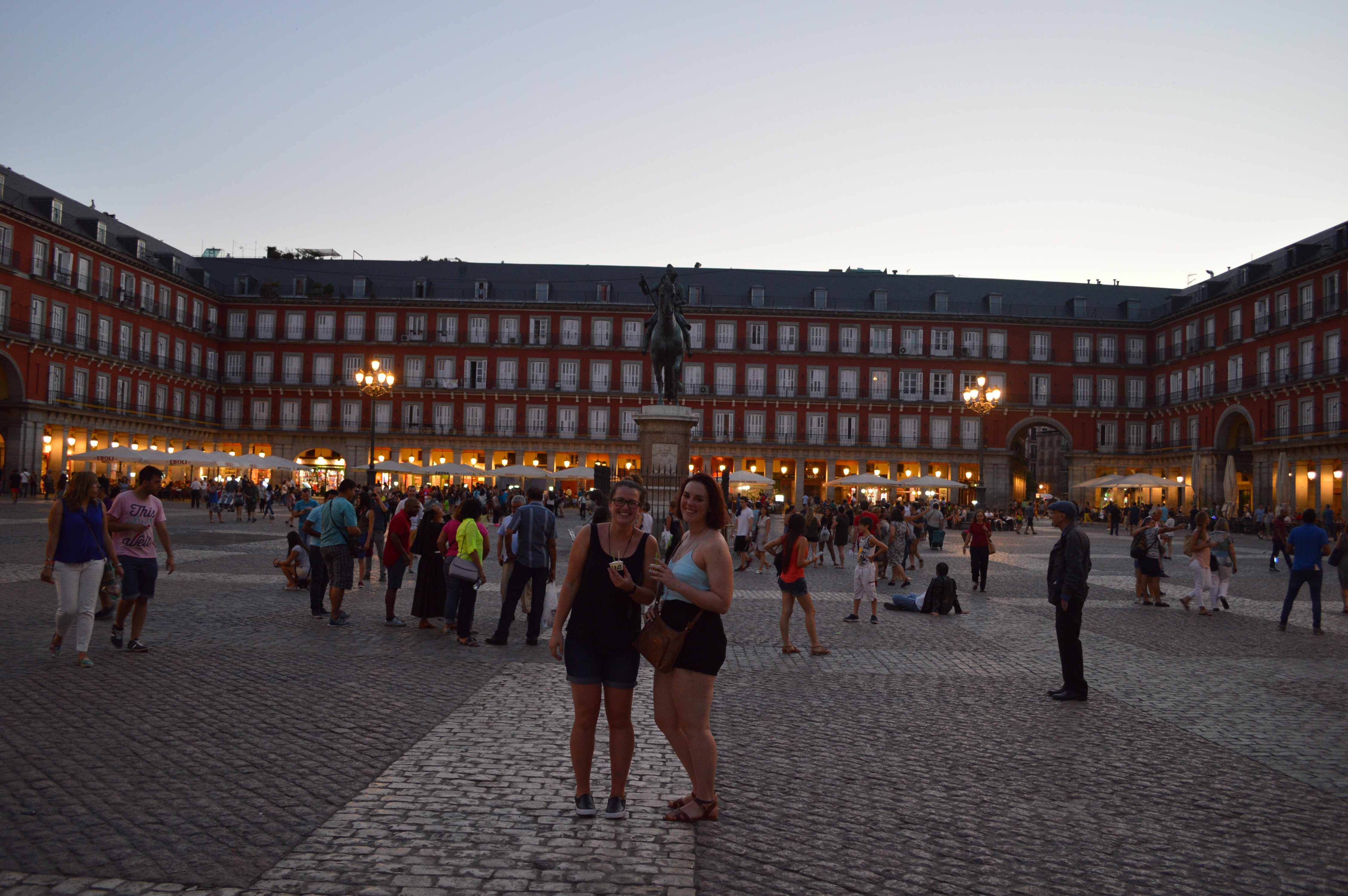
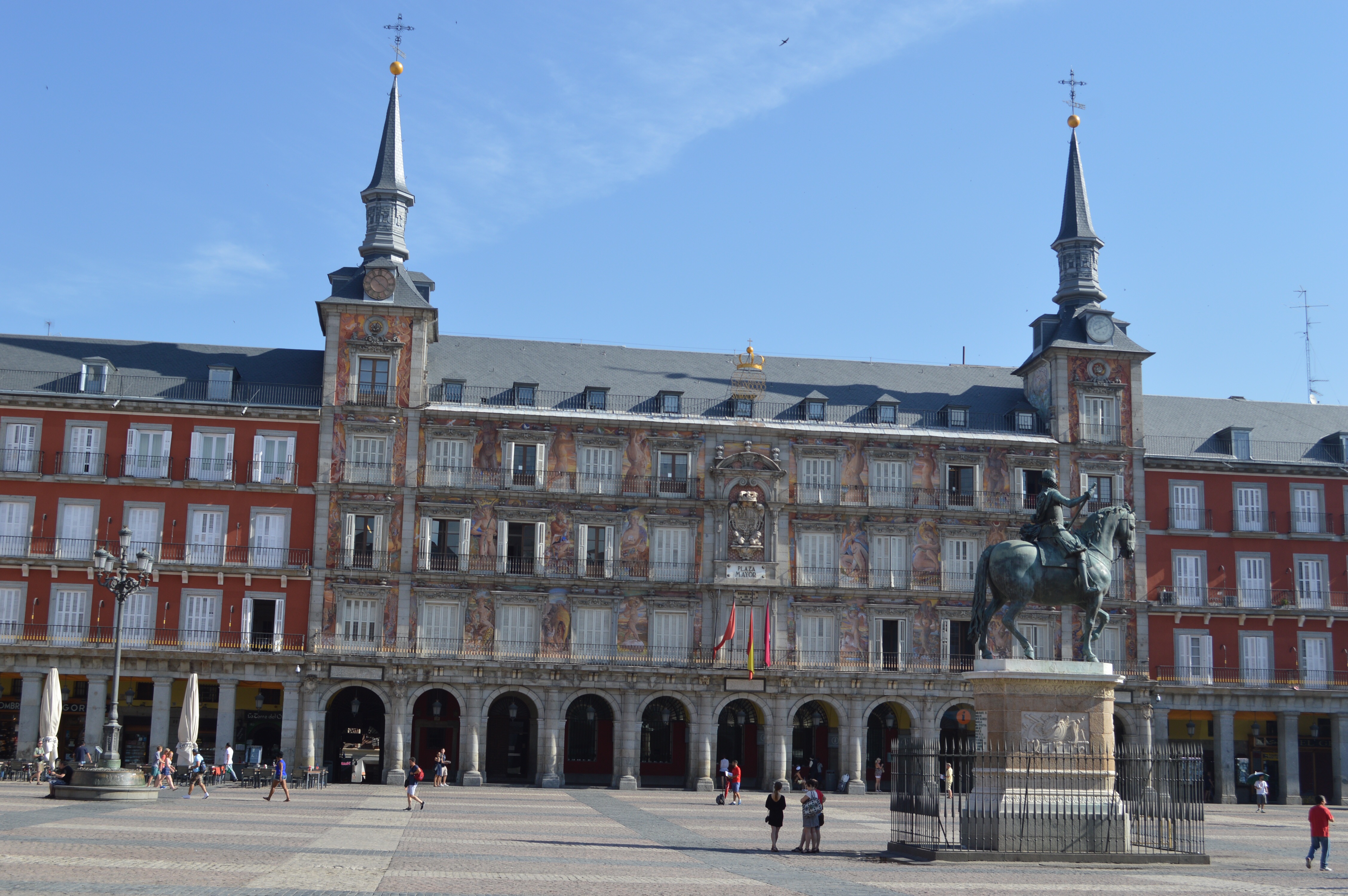
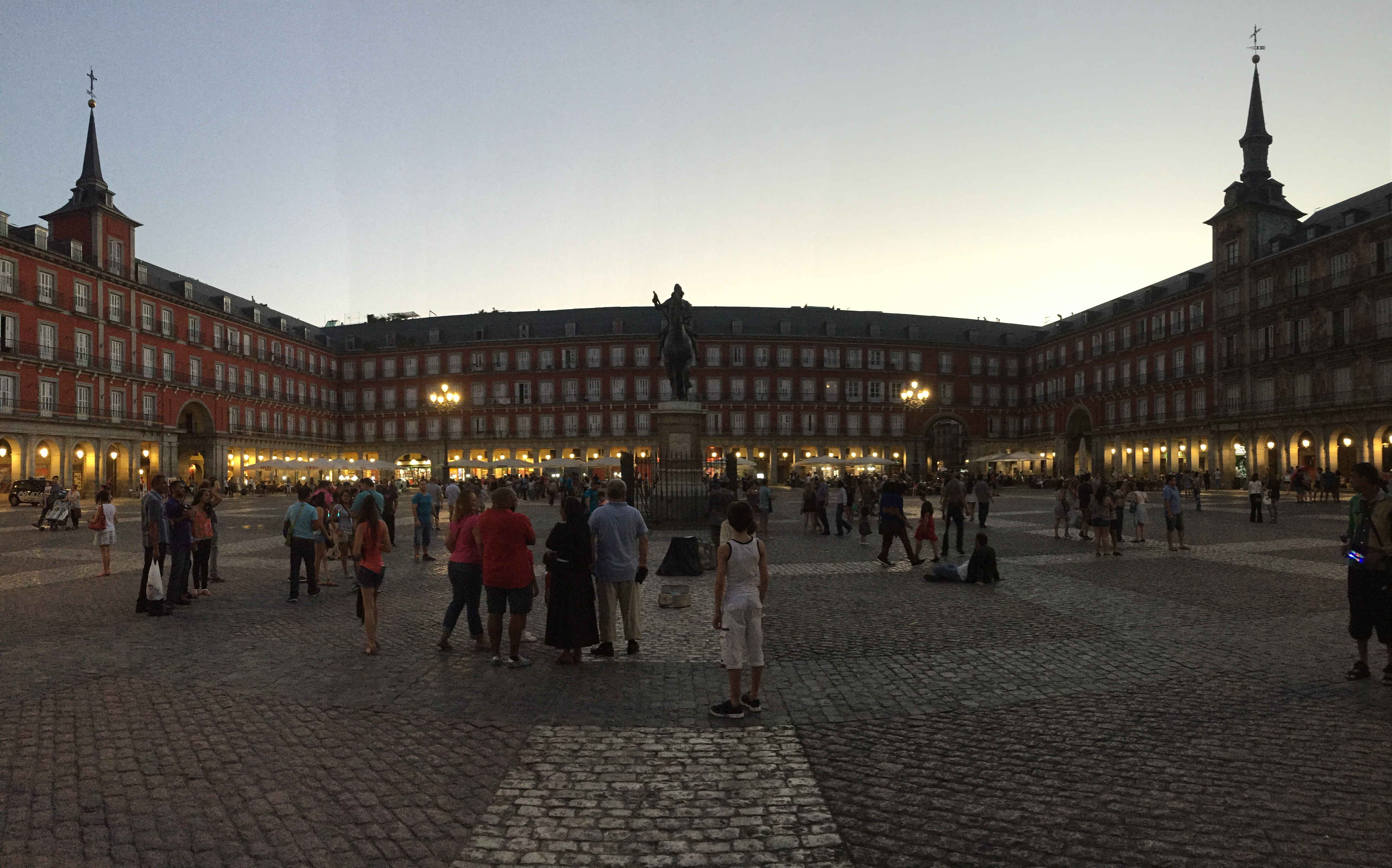
Starting at Plaza Mayor we discovered it is actually the 4th version due to a series of fires and was originally the site of the “Plaza del Arrabal” market where people came to sell their goods. One original building in the square remains – the bakery, as it was the only building that was originally built in stone! These days, the plaza is an epicentre of Madrid life and is a marvellous place to sit, try some good Spanish wine, sample some tasty tapas and watch the passers-by. 

Plaza Mayor


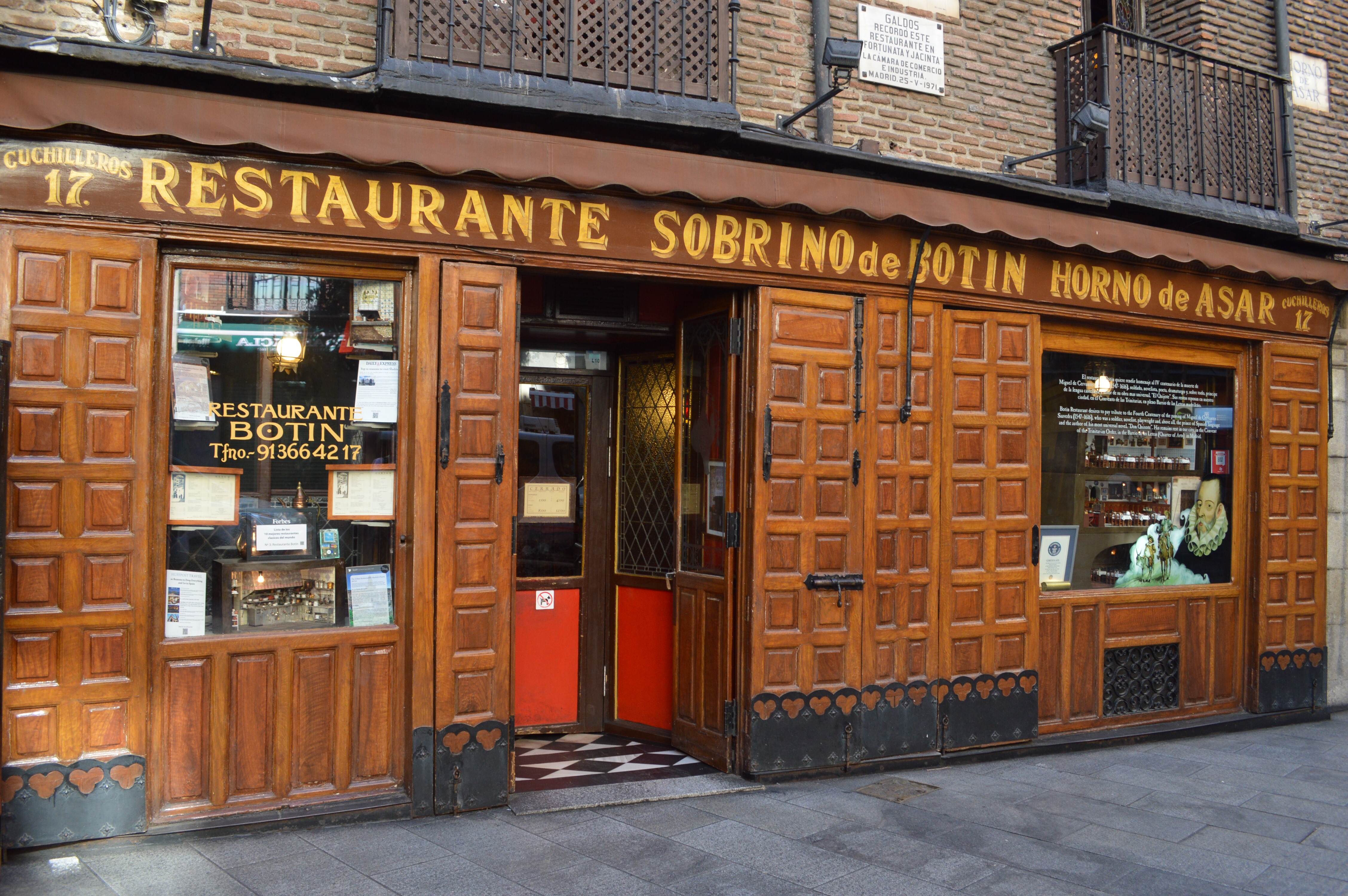
Next was a stop a the world’s oldest restaurant. The Sobrino de Botin restaurant has been going since 1725 and has had its popular dishes mentioned in Ernest Hemingway’s ‘The Sun Also Rises.’

The Sobrino de Botin


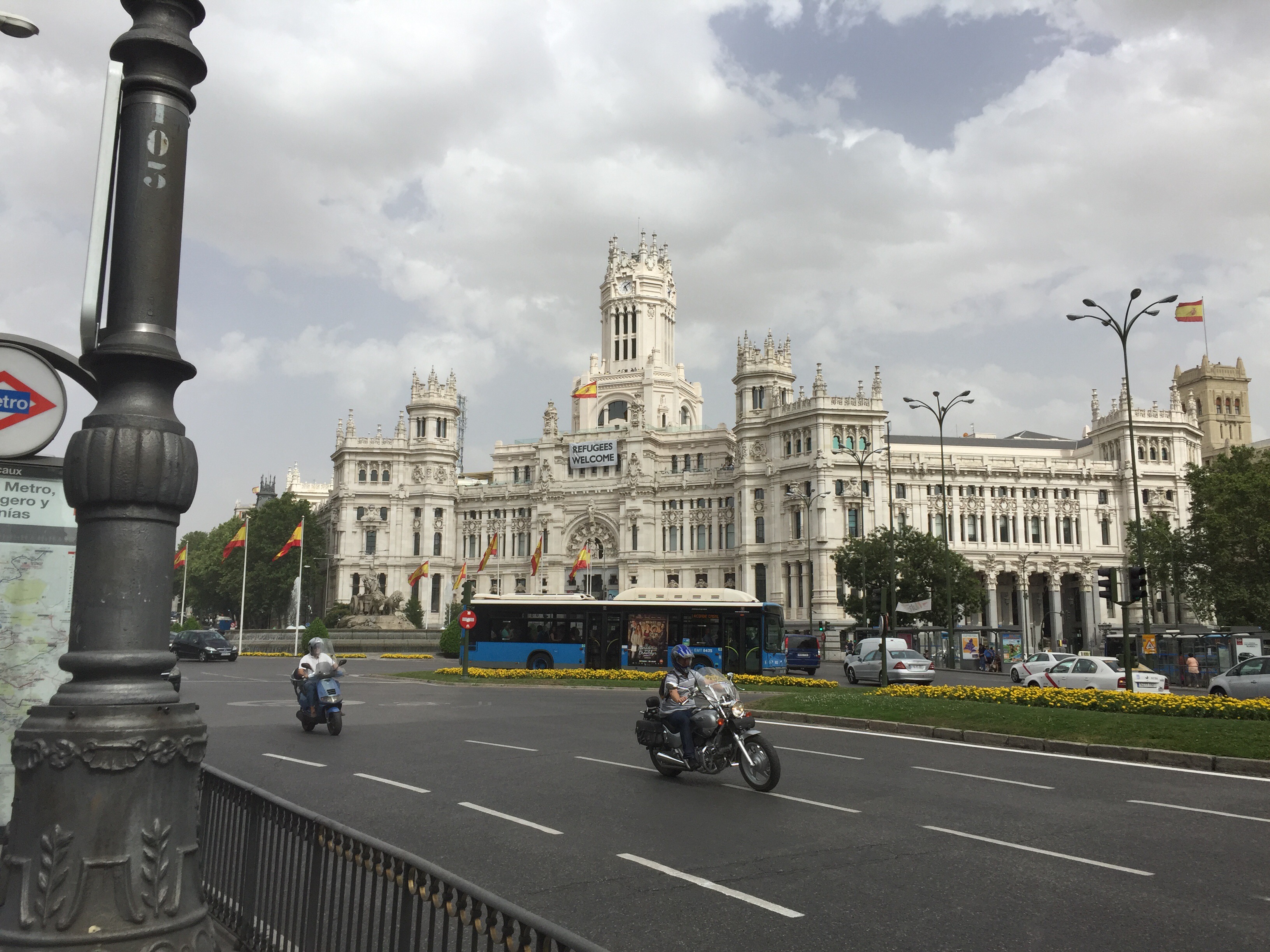
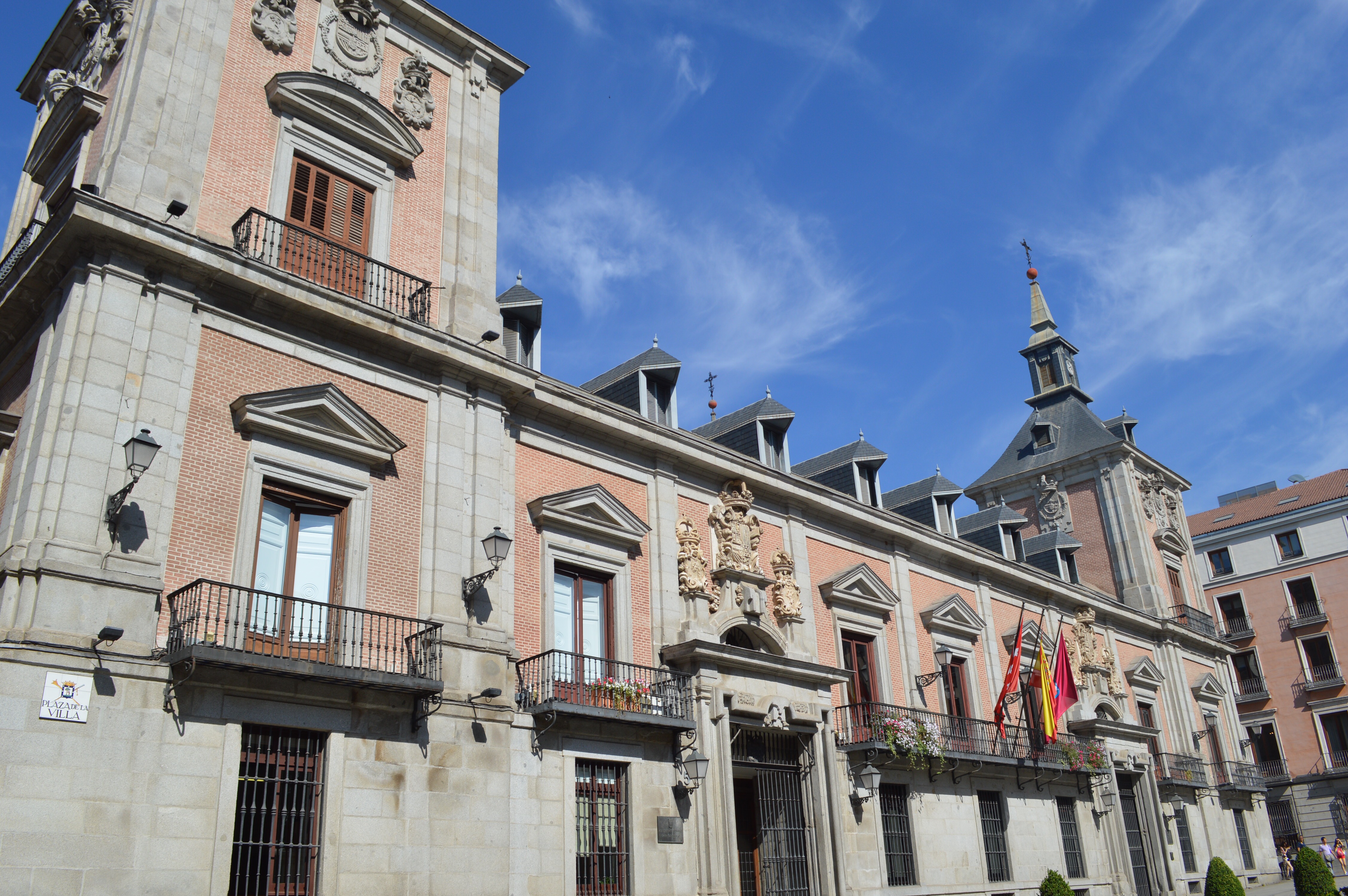
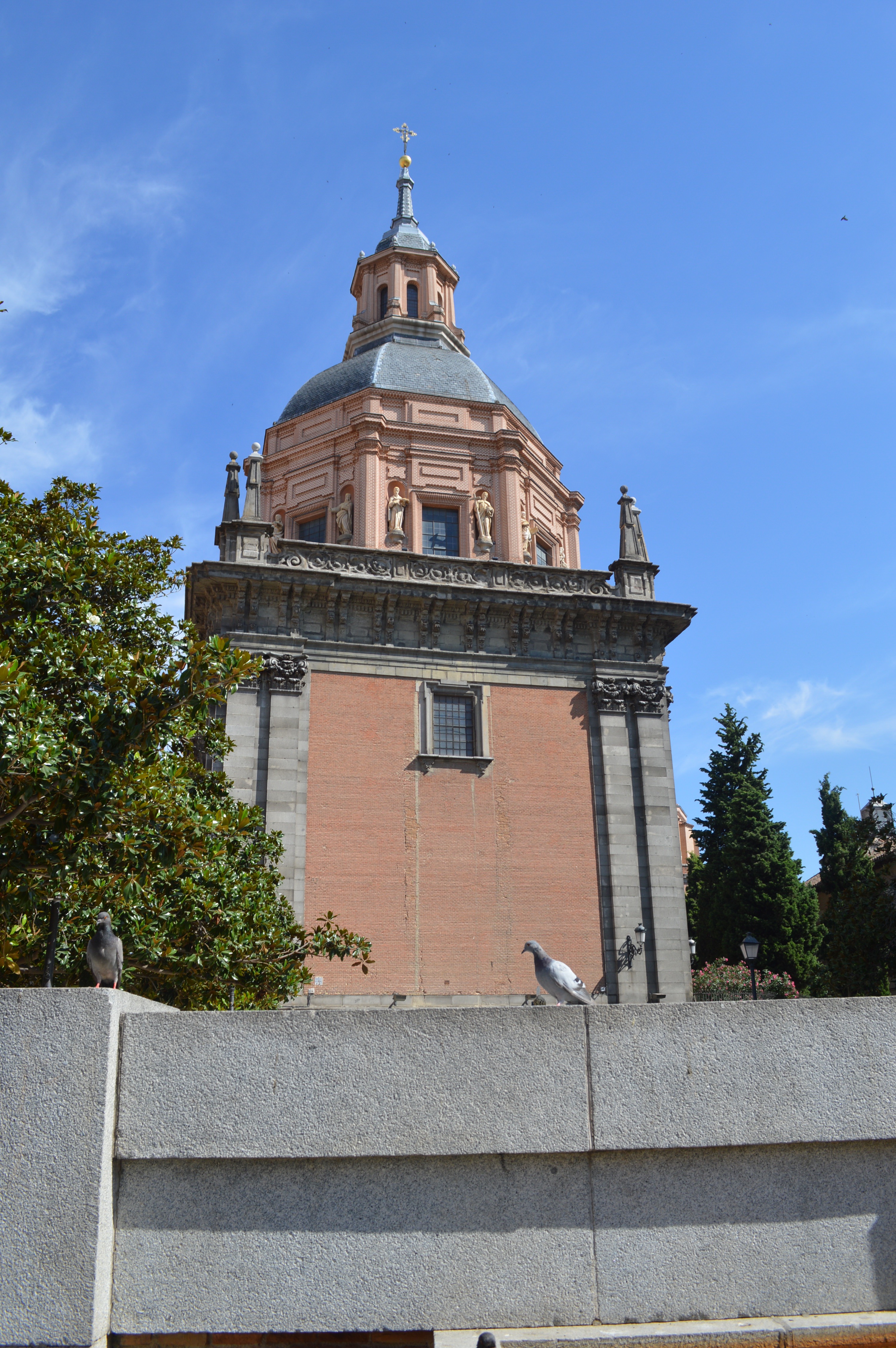
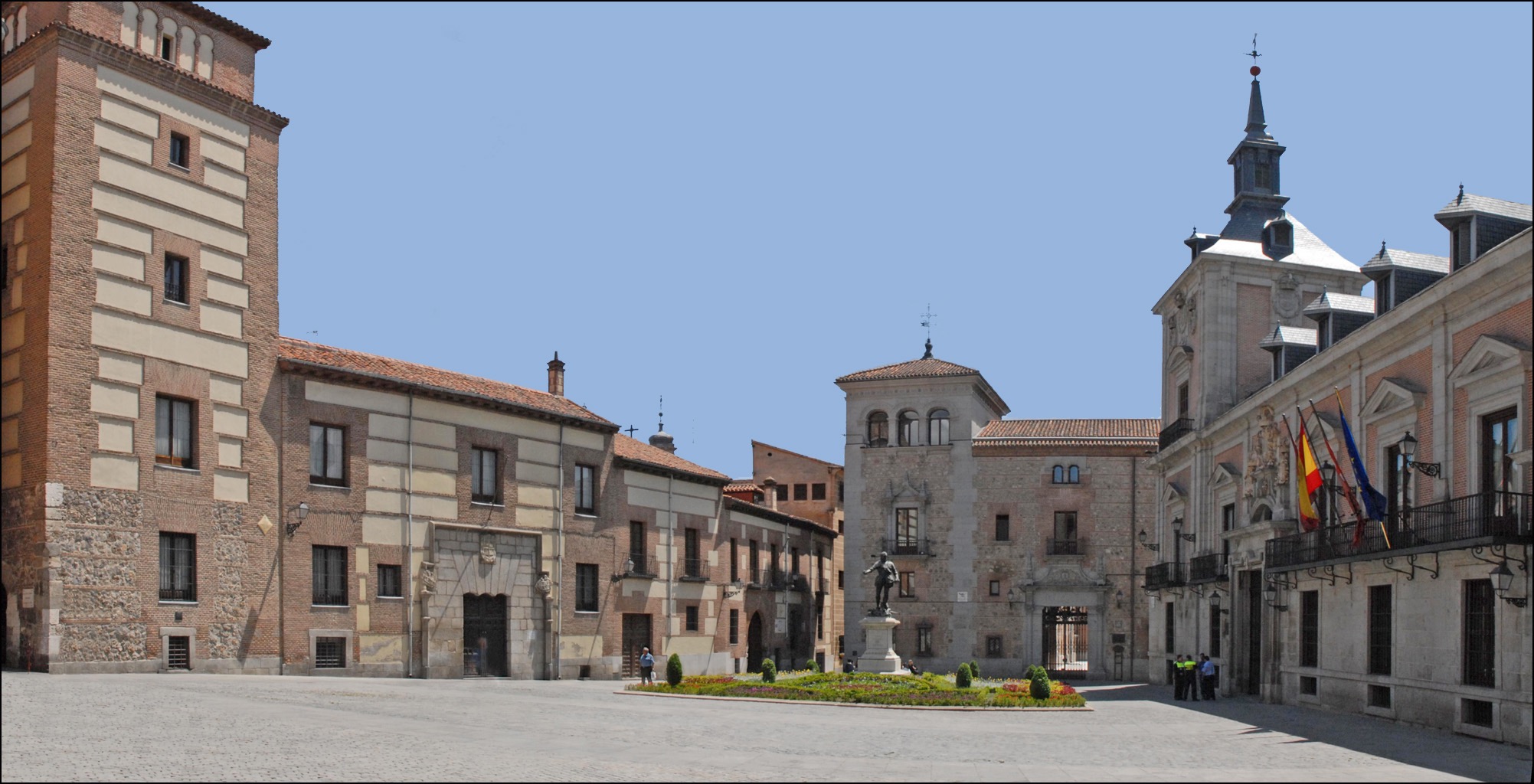
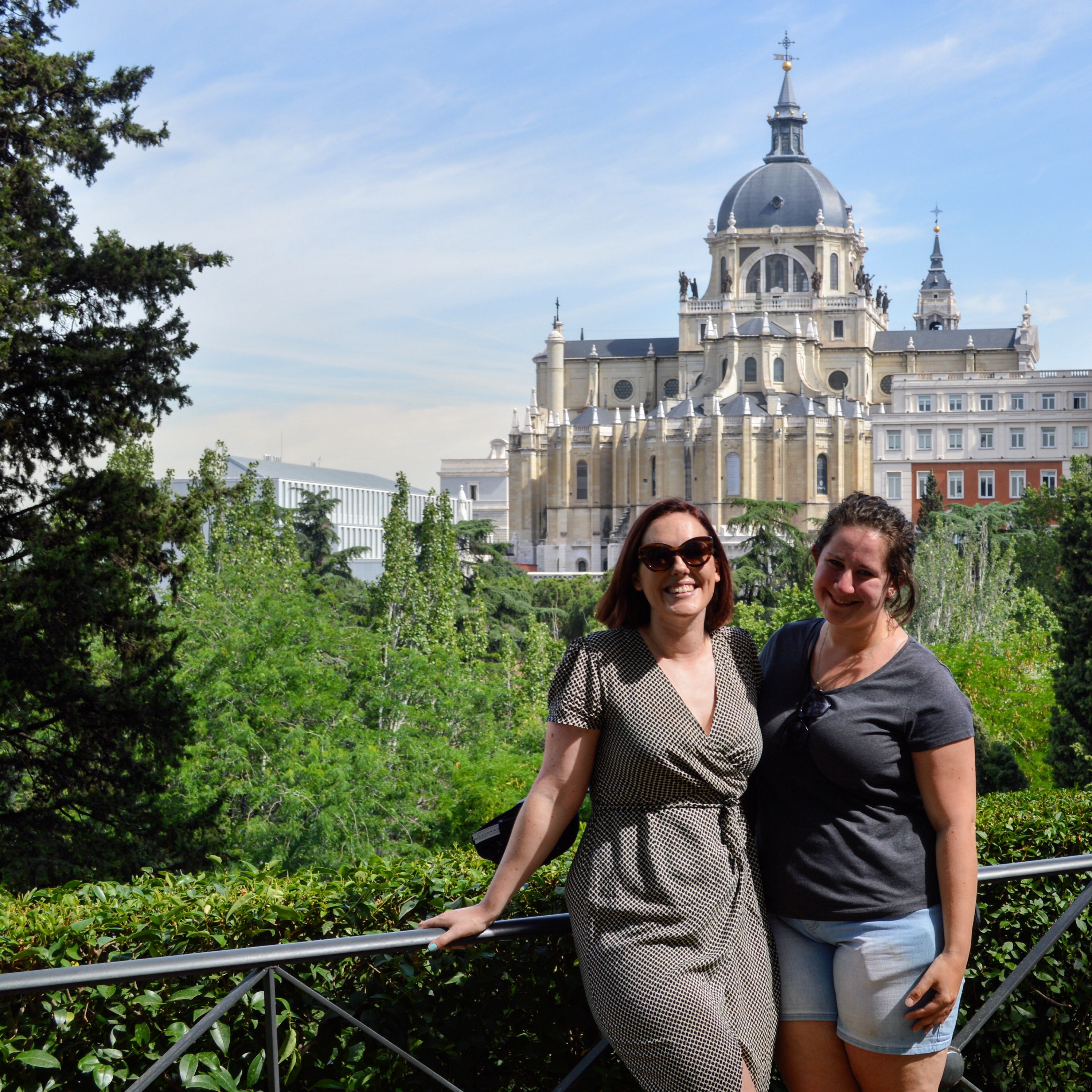
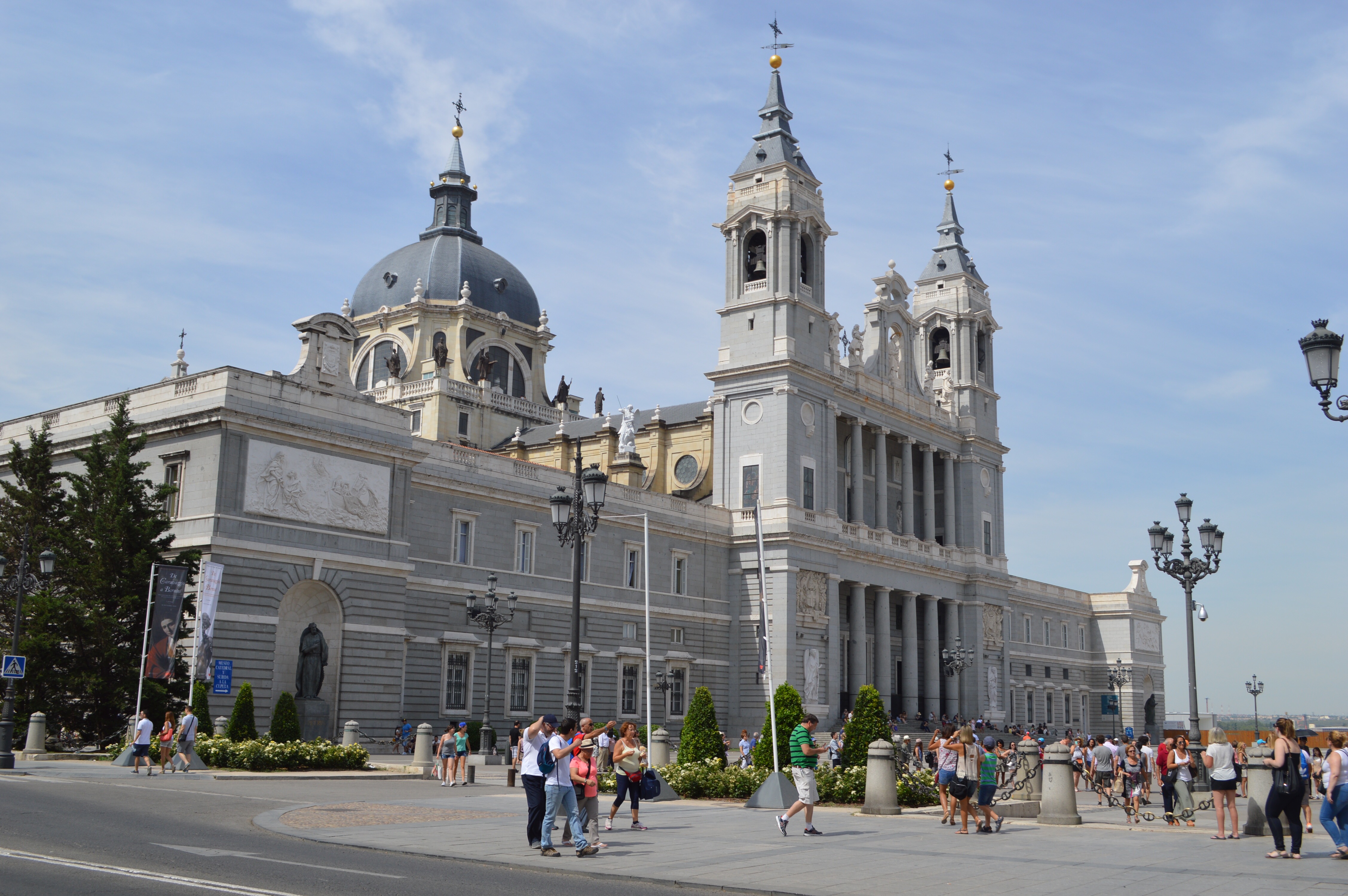
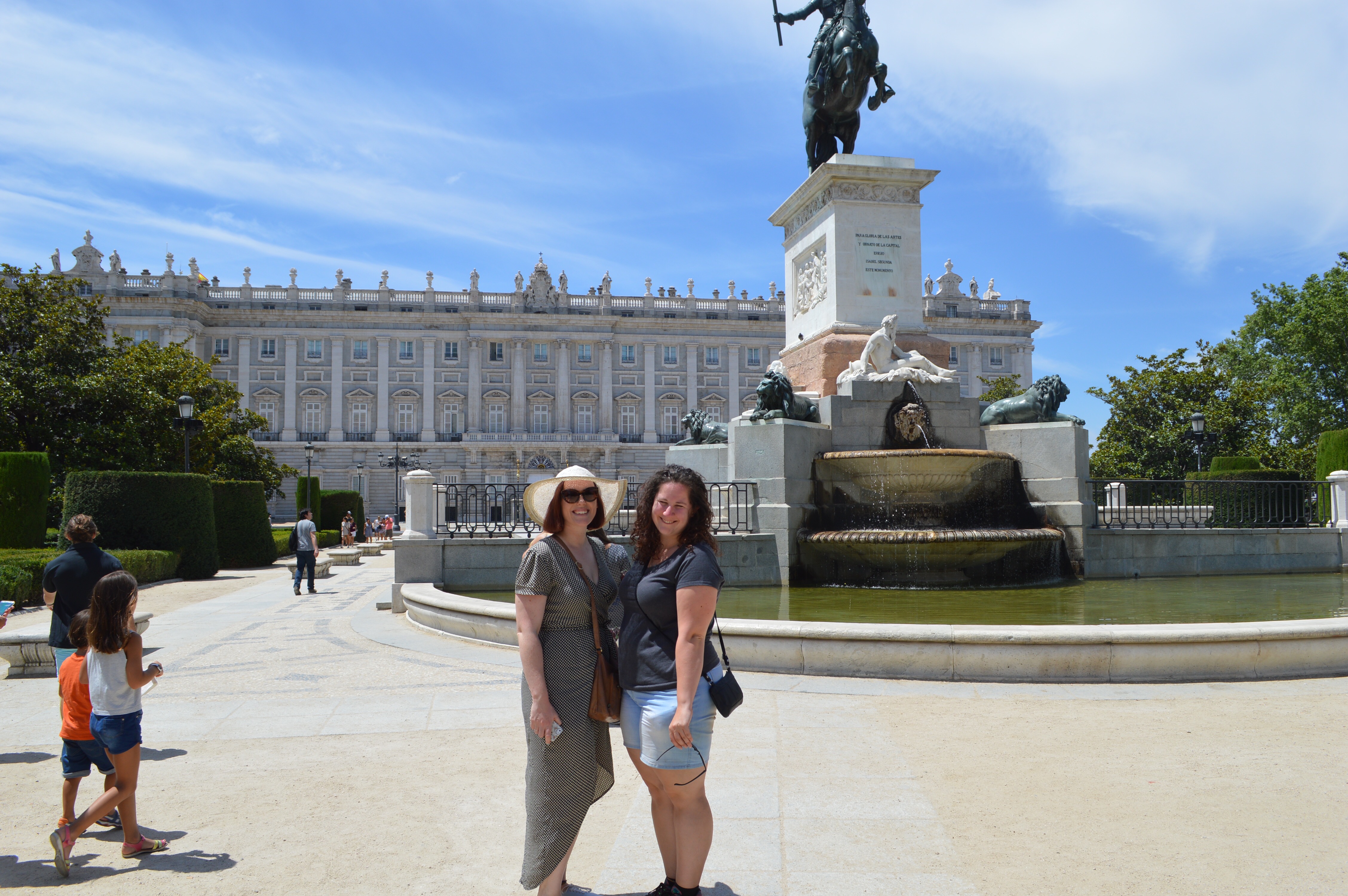
We saw the Catedral de Almudena, the Plaza de Puerta Cerrada, the Oriente Square, the Royal Palace the Plaza de la Villa and more, all the while Seb told us stories about the Spanish Empire, the Spanish Inquisition and the Spanish Civil War. He used us, the tour participants, as characters in the staring roles of these stories. We married each other and betrayed each other – it really made some of the history come to life (although we still feel like we need to look at some sort of a time line to piece everything together!!). One fun tid-bit we learnt a long the way was that it used to be a bad thing to be from Madrid. You were often called “gato” meaning cat as it was said that people from Madrid were always trying to scurry over other city walls. Now if you ask someone from Madrid today if they are “gato gato” most people will say no, but a rare few will proudly answer yes. This is because it now means a rare and valued thing – that you are the third generation in your family from Madrid! 


We finished back in Plaza Mayor where we learnt about the more recent and controversial uses of this square. Bullfights, often in celebration of royal weddings or births, with royalty watching on from the balconies and up to 50,000 people crammed into the plaza, were a recurring theme until 1878. Far more notorious were the autos-da-fé (the ritual condemnations of heretics during the Spanish Inquisition), followed by executions – burnings at the stake, deaths by garrotte and hangings. One might summarise by saying that from a dusty outpost on the edge of the enlightened Moorish kingdom to the glorious capital of the world’s biggest empire and the dark heart of the Spanish Inquisition, Madrid has seen its highs and lows. 


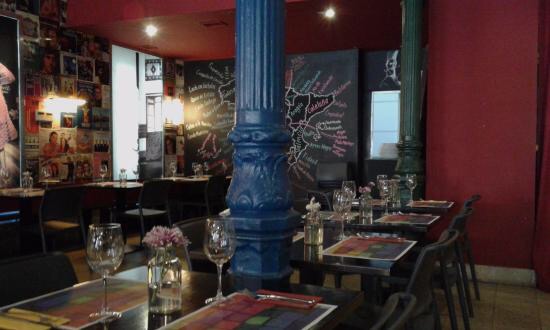
After our tour we headed out for lunch with three new Australian friends (let’s be honest, it seems like half the people traveling are always Australians!). We found ourselves at La Excéntrica, near the royal palace. We managed to get the menu del dia and were treated to a feast for great value! The food, service, atmosphere and company were terrific! Although we may have accidentally ordered some sort of cooked ham the waitress described to us as beef… Otherwise could not fault it! 


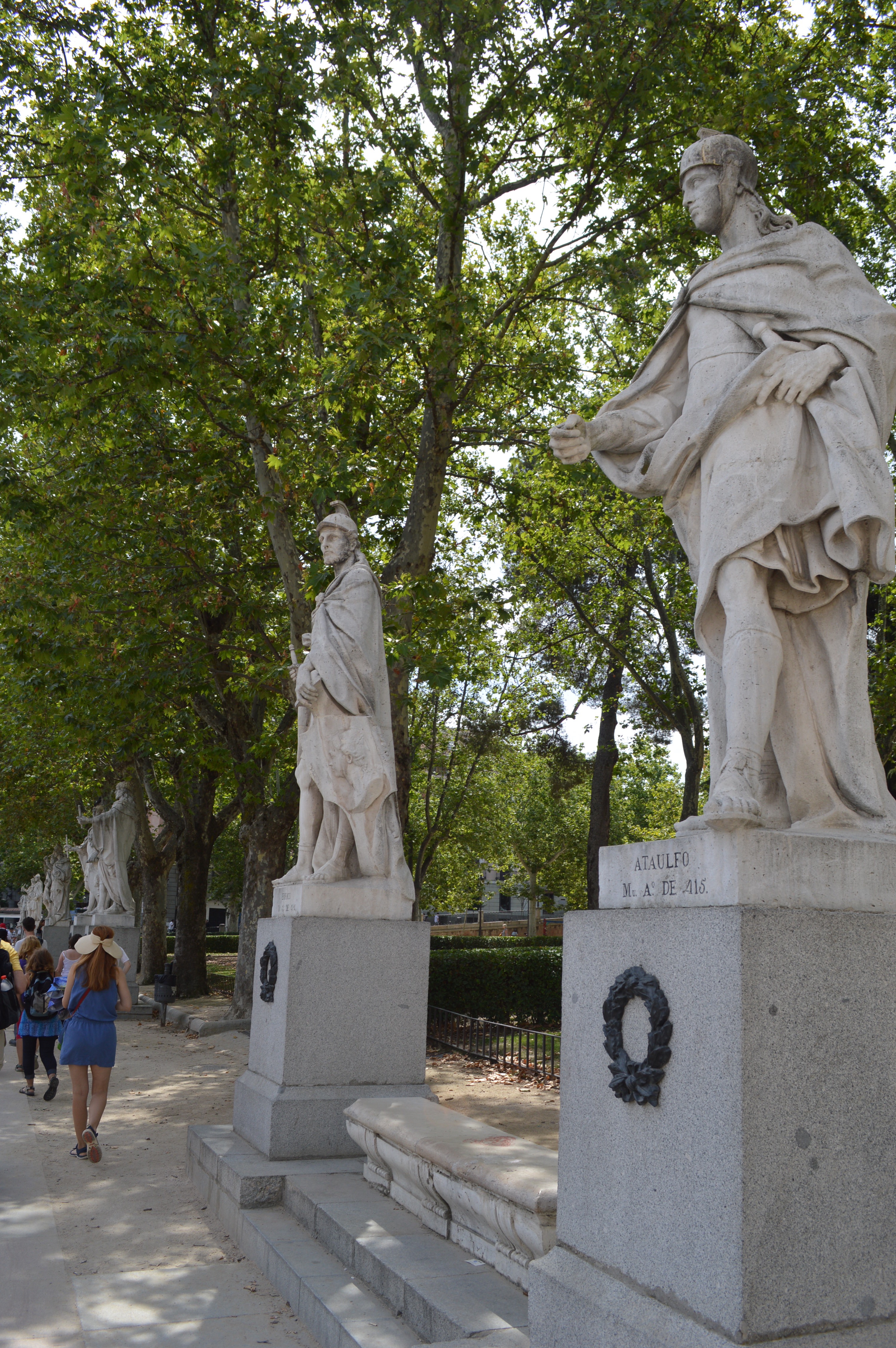
Next stop on our busy agenda was the Royal Palace, we had pre-booked a time slot just in case it was busy and strolled on in. The Royal Palace (Palacio Real) is not the official residence of His Majesty the King of Spain, but rather where state ceremonies, official banquets and other state functions take place. The King lives in Zarzuela Palace, which is just outside of Madrid. A palace has stood in this location in Madrid since the ninth century when the Muslim kingdom of Toledo built a defense that was later used by the kings of Castile, who, during the 16th century, built the former Alcázar castle. The current Royal Palace, was built on the site of the old Alcázar which was destroyed by fire on Christmas Eve 1734 (there are rumors that King Felipe V decided to build a palace for his Borbon dynasty and ordered the palace burnt down). It is increadibly beautiful both outside, with stunning stone and brick work, and inside. For interior decoration, rich materials were used: spanish marble, stucco, mahogany doors and windows and important works of art, particularly frescoes by leading artists of the time. The palace however will always remain unfinished. There are many vacant pedestals atop the palace where the statues of all the past kings of Spain where meant to sit. However when Franco came to power he did not want them placed on top. So instead there are now statues of approximately 40 kings scattered in various parks around Madrid and Spain. They are now fondly known as “the traveling kings”.


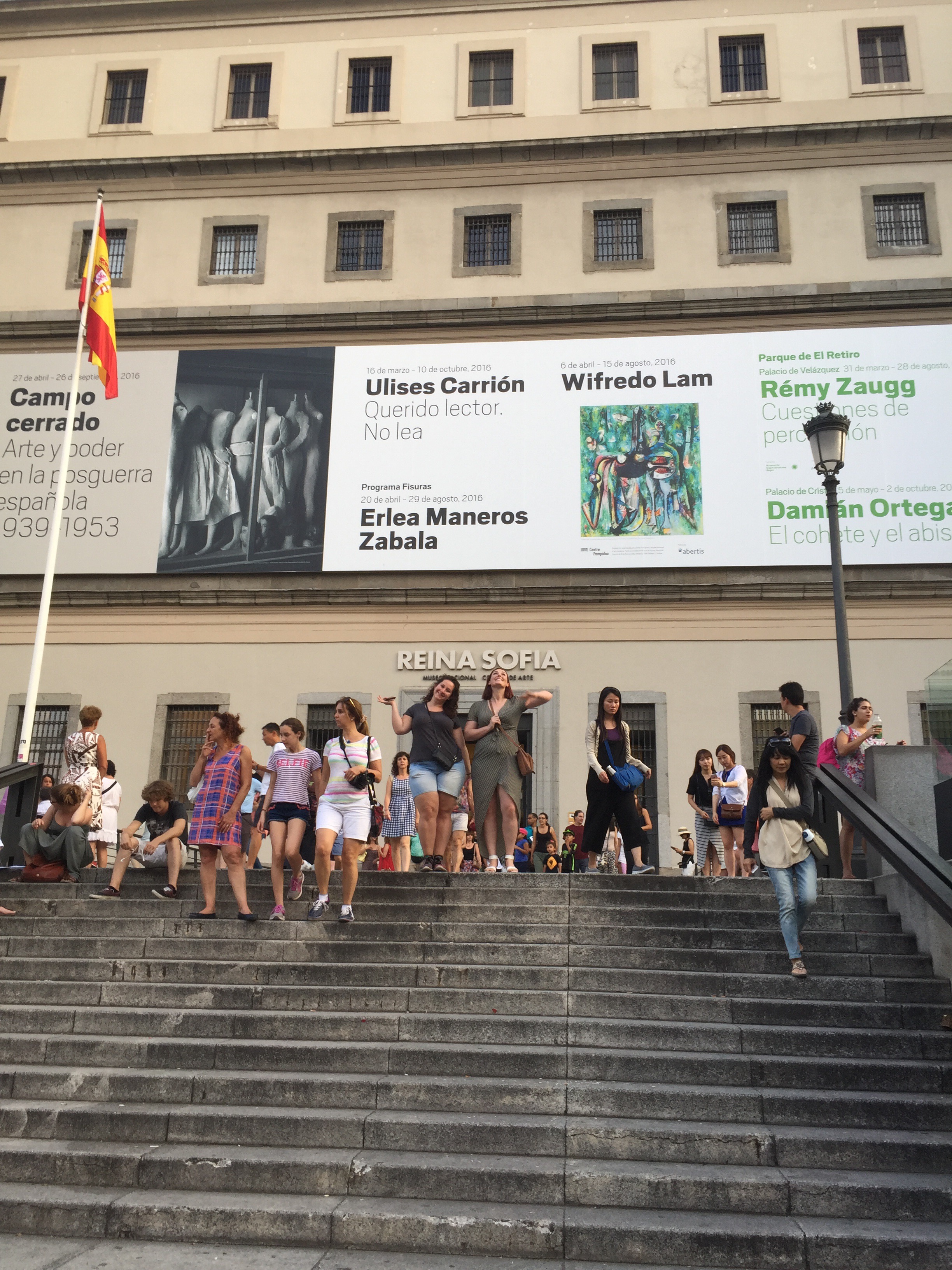
To finish the day (boy we packed a lot into today) we decided we would try and go to one of the famous art galleries in Madrid which are free of an evening to enter. When we got to our first option, the Prado museum, the lines were miles long and the attendants said it would take 45 minutes – 1 hour to enter. We decided to head straight to the second museum, Reina Sofia. We were 40 minutes early (before it became free) so we sat and held our spot in line, it wasn’t long before there was a substantial cue here as well. 


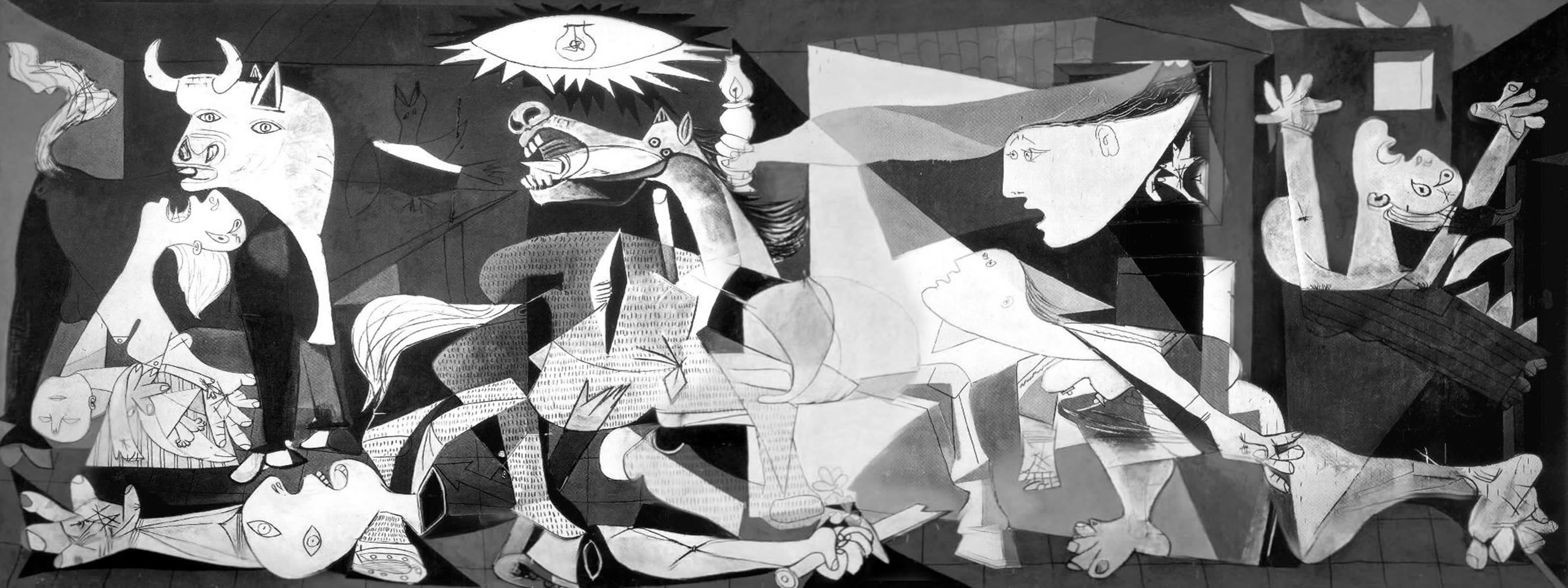
The Museo Nacional Centro de Arte Reina Sofía is Spain’s national museum of 20th-century art. Home to Picasso’s Guernica, arguably Spain’s most famous artwork, we decided to run up to that piece first, before everyone started spilling in! We had the right idea and it is a fascinating piece to see. We spent the next two hours wandering around the different areas of the museum. art. In addition to plenty of paintings by Picasso, other major drawcards were works by Salvador Dalí and Joan Miró. The occasional non-Spaniard artist makes an appearance, but most of the collection is strictly peninsular. We were ushered out 15 minutes before closing time by staff who were clearly ready to go home. This is certainly the first place I have been where the shop was closed before everyone had left the museum. Ah Spain, they have their priorities in order! 

Picasso’s Guernica


We ventured off to a lovely little square for dinner where we had tapas, sangria and pasta to finish off our hustling and busting day!