Madrid – Spain’s central capital – a city of elegant boulevards and expansive, manicured parks. Yet locals still commonly and lovingly refer to Madrid as the village. We are so excited to be here, but also a little bit nervous, we loved Barcelona so much and we wanted our love of Spain to continue and grow! Perhaps to ease our nerves, we were very spoilt on the flight over to Madrid. We ended up wit the emergency exit seats!! You can see by the photos below the joy on our faces once we realized we could stretch out (and once we were less confused as to why the flight attendant wouldn’t let us keep our bags under the seats in front of us …)
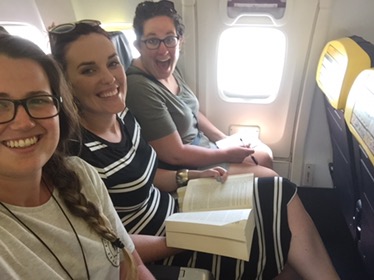
Madrid Bound
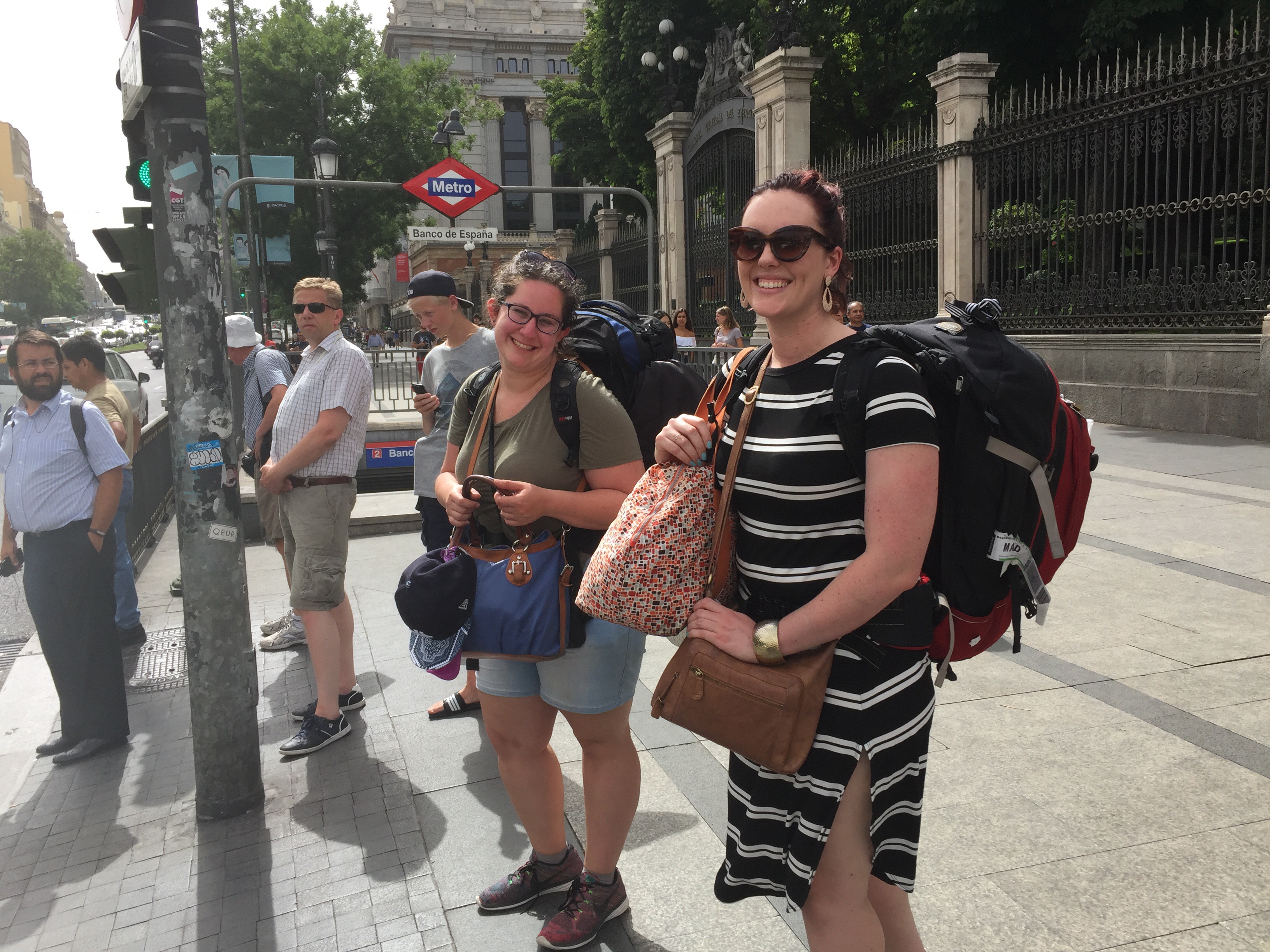
Trying To Find Our Madrid Hostel
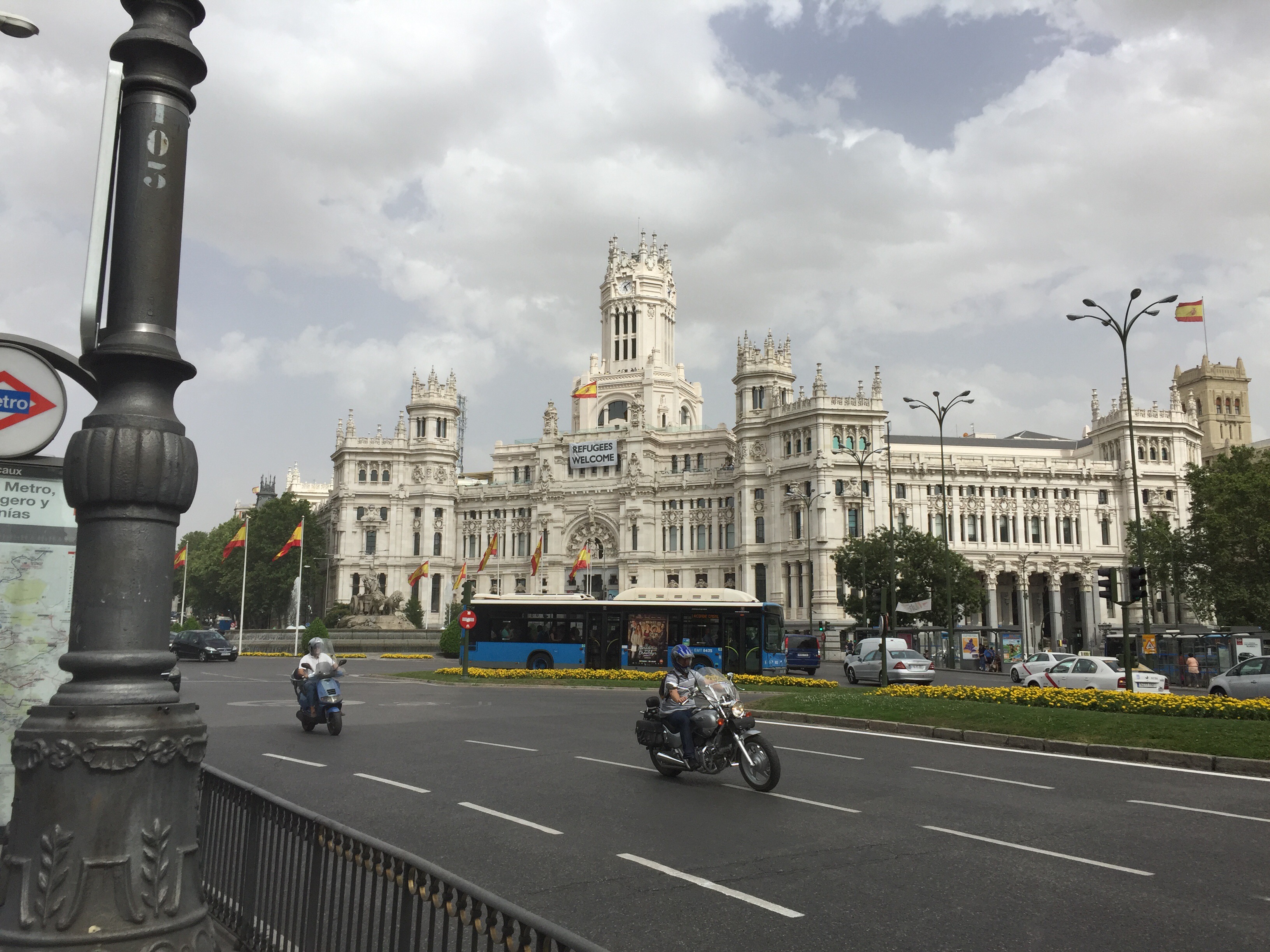
Landing in Madrid during the late afternoon, we decided to kick start our cultural experience with food! We headed straight to the historic wrought-iron-and-glass Mercado de San Miguel and neither the atmosphere nor the foodlet us down. It is such a lively place, bustling with people enjoying the mouth-watering displays of food. We found ourselves in front of a marvelous array of oysters, cava, chocolate, stuffed sea urchins, calamari, paella, mozzarella and tapas. Doing the only logical thing we could think of, we tried little bites of as much as we could! Also enjoying a caña (small beer) from the Beer House and a glass of rioja from one of the wine kiosks. The only thing we were not game enough to try was the gulas (imitation baby eels made from surimi)…maybe next time.
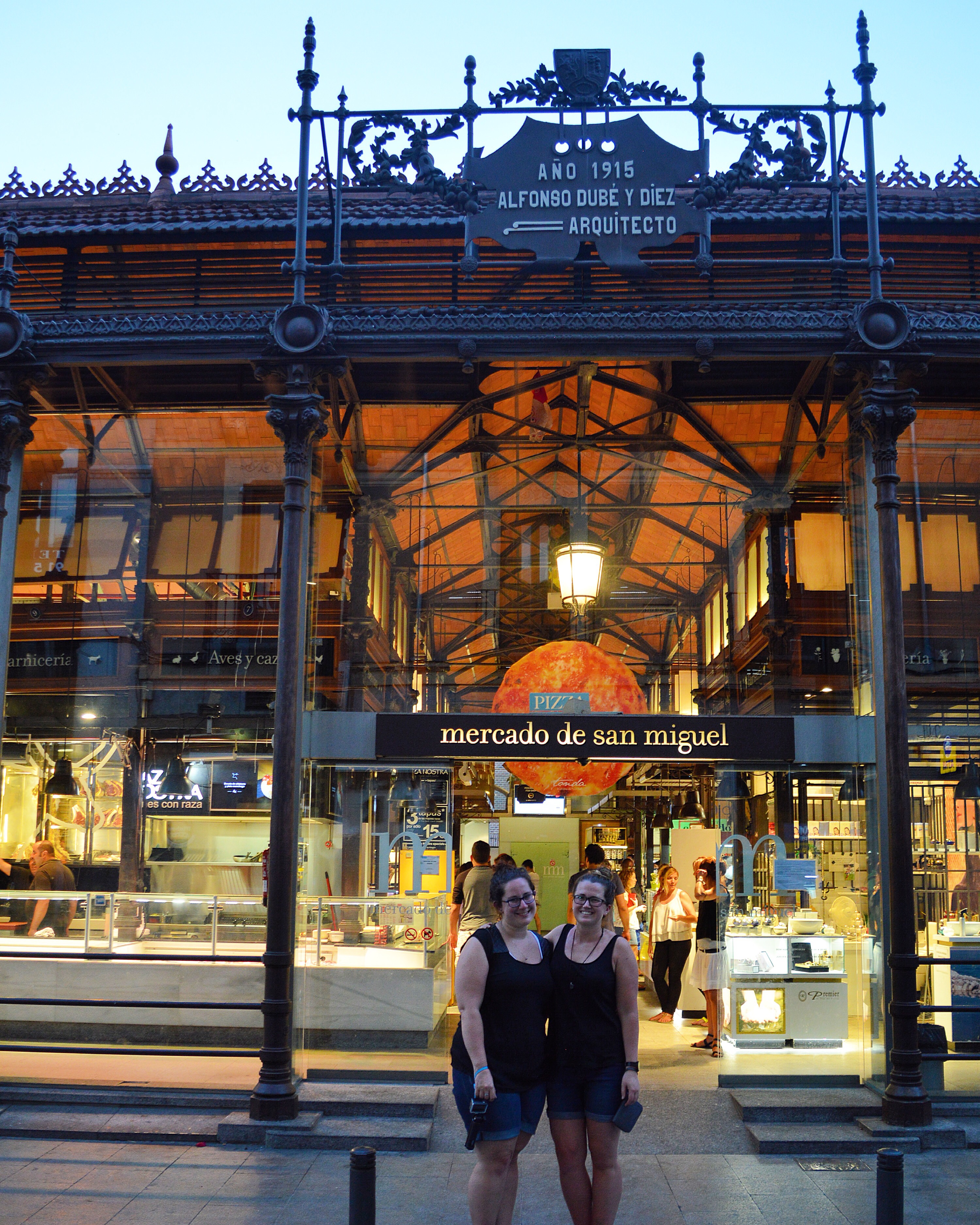
Mercado de San Miguel
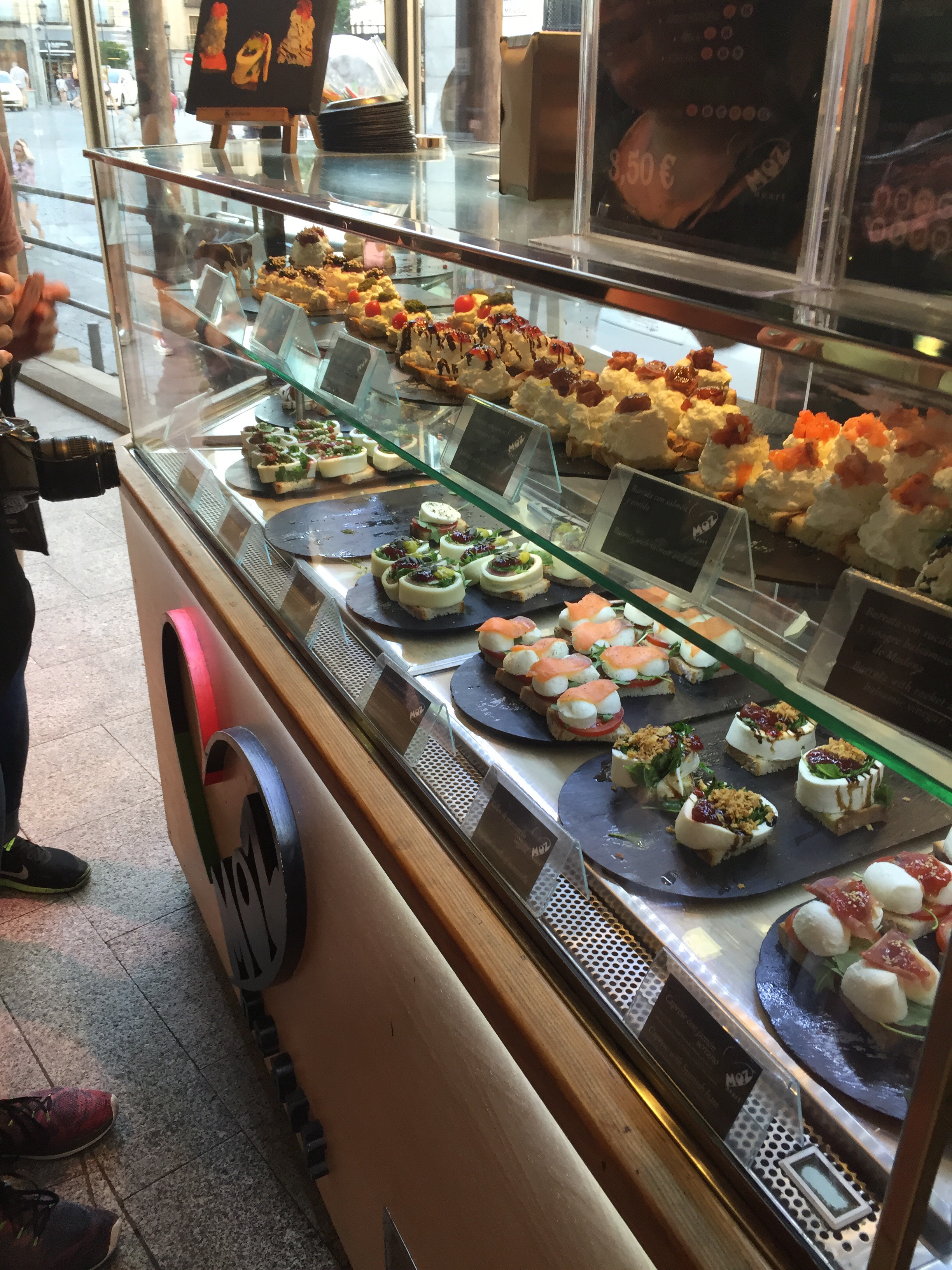
Tasty Treats at Mercado de San Miguel
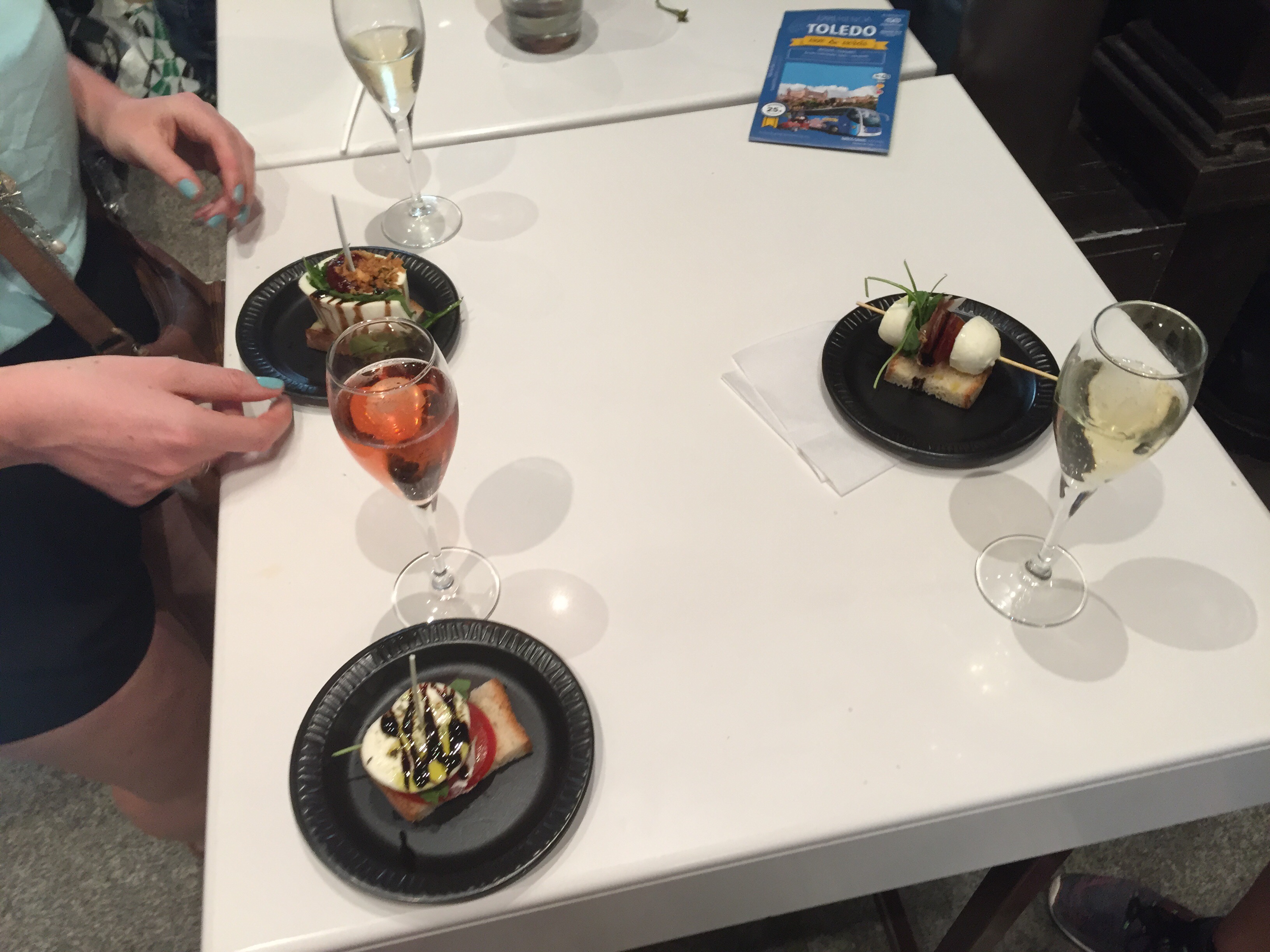
Treats at Mercado de San Miguel
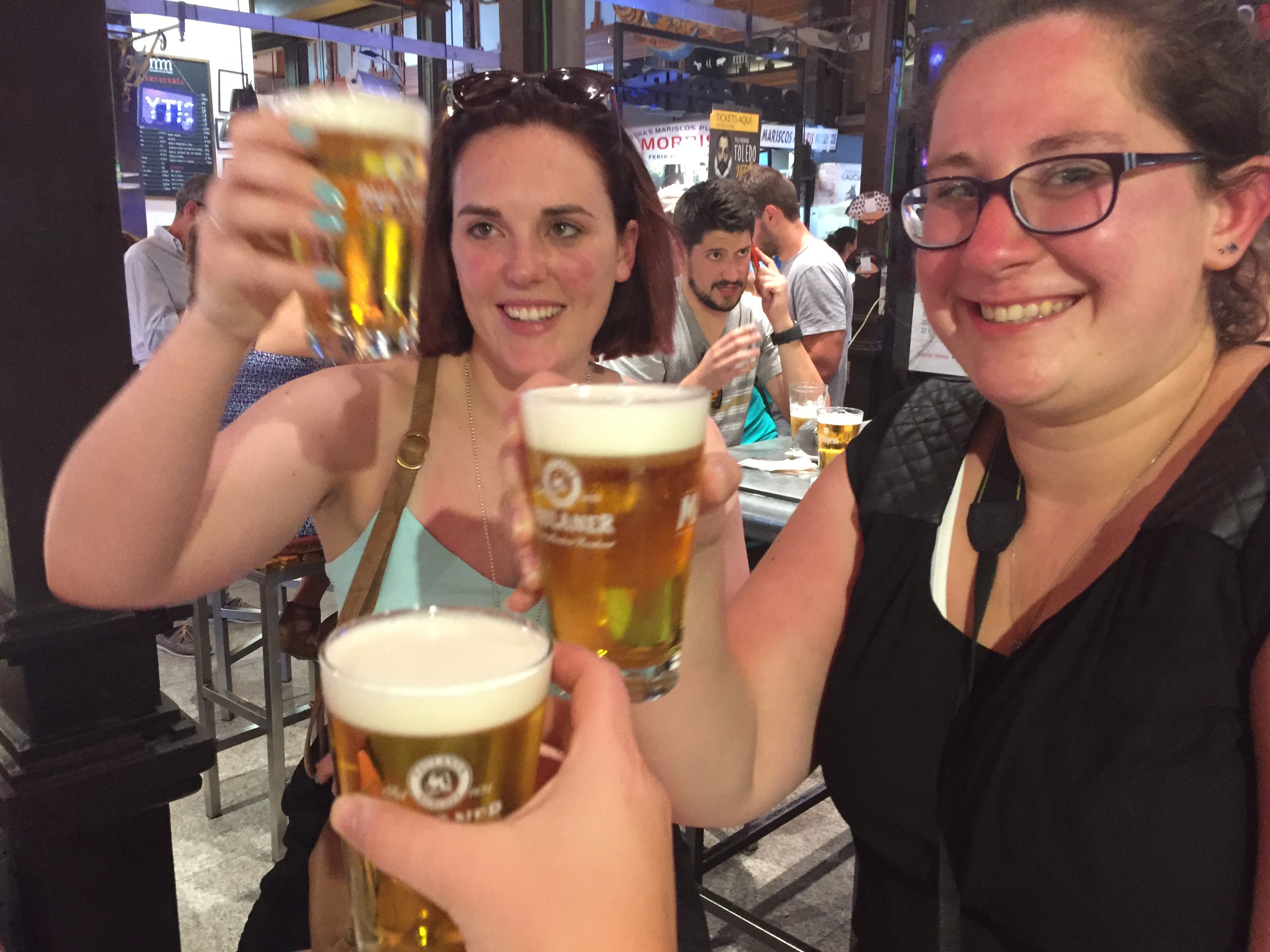
Enjoying Caña at Mercado de San Miguel
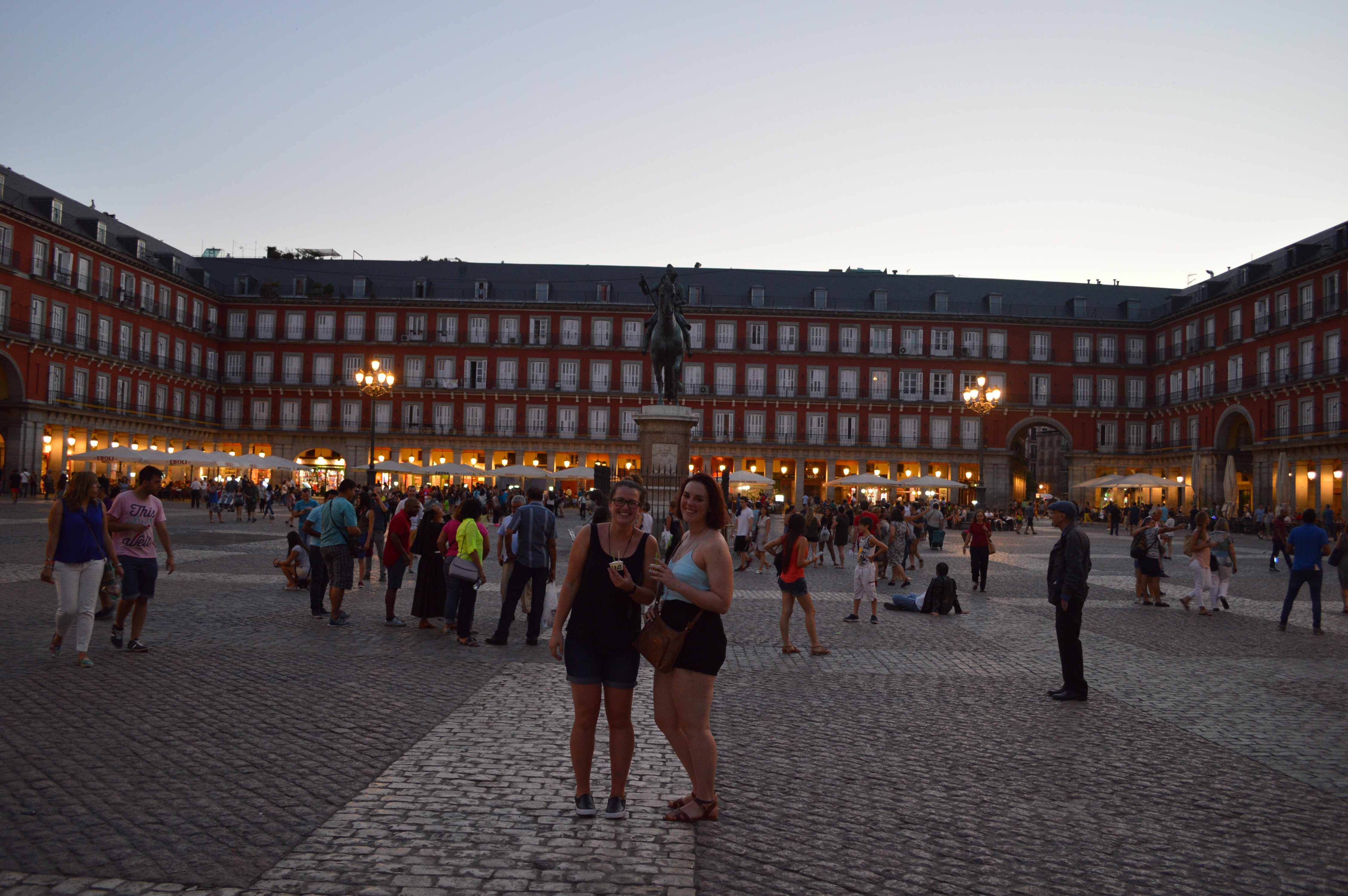
Plaza Mayor at Night
As we loved the orientation and
background information we got on our Sanderman’s tour in Barcelona, we decided it would be a wonderful way to start our first full day in Madrid. After an awful breakfast in the hostel (won’t be doing that again) we made our way to Plaza Mayor where our tour began. Guided this time by Seb, we wandered through really just a small part of Madrid’s medieval streets and majestic squares and learnt a little about a lot of Madrid and Spain’s history.
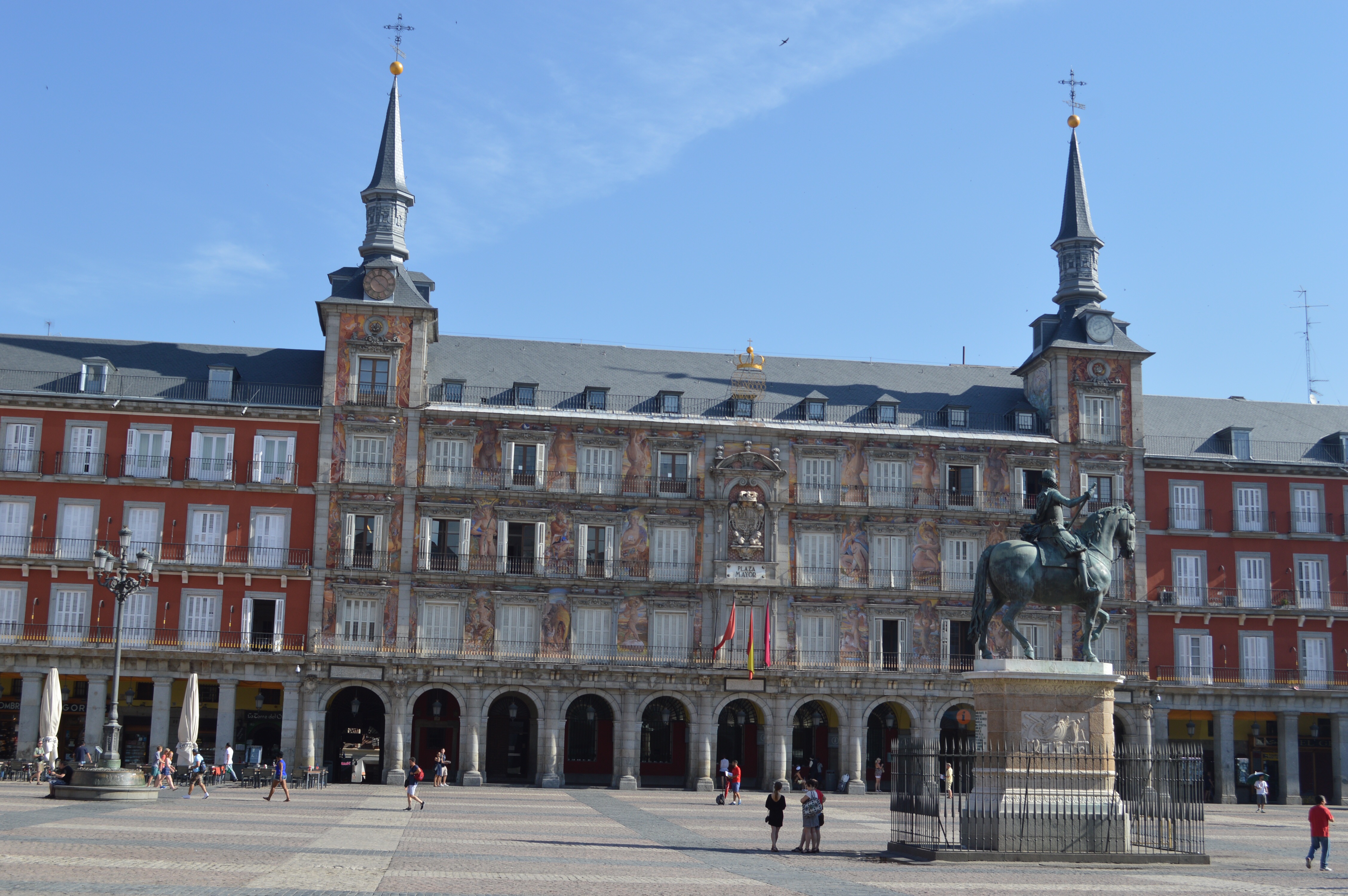
Plaza Mayor
Starting at Plaza Mayor we discovered it is actually the 4th version due to a series of fires and was originally the site of the “Plaza del Arrabal” market where people came to sell their goods. One original building in the square remains – the bakery, as it was the only building that was originally built in stone! These days, the plaza is an epicentre of Madrid life and is a marvellous place to sit, try some good Spanish wine, sample some tasty tapas and watch the passers-by.
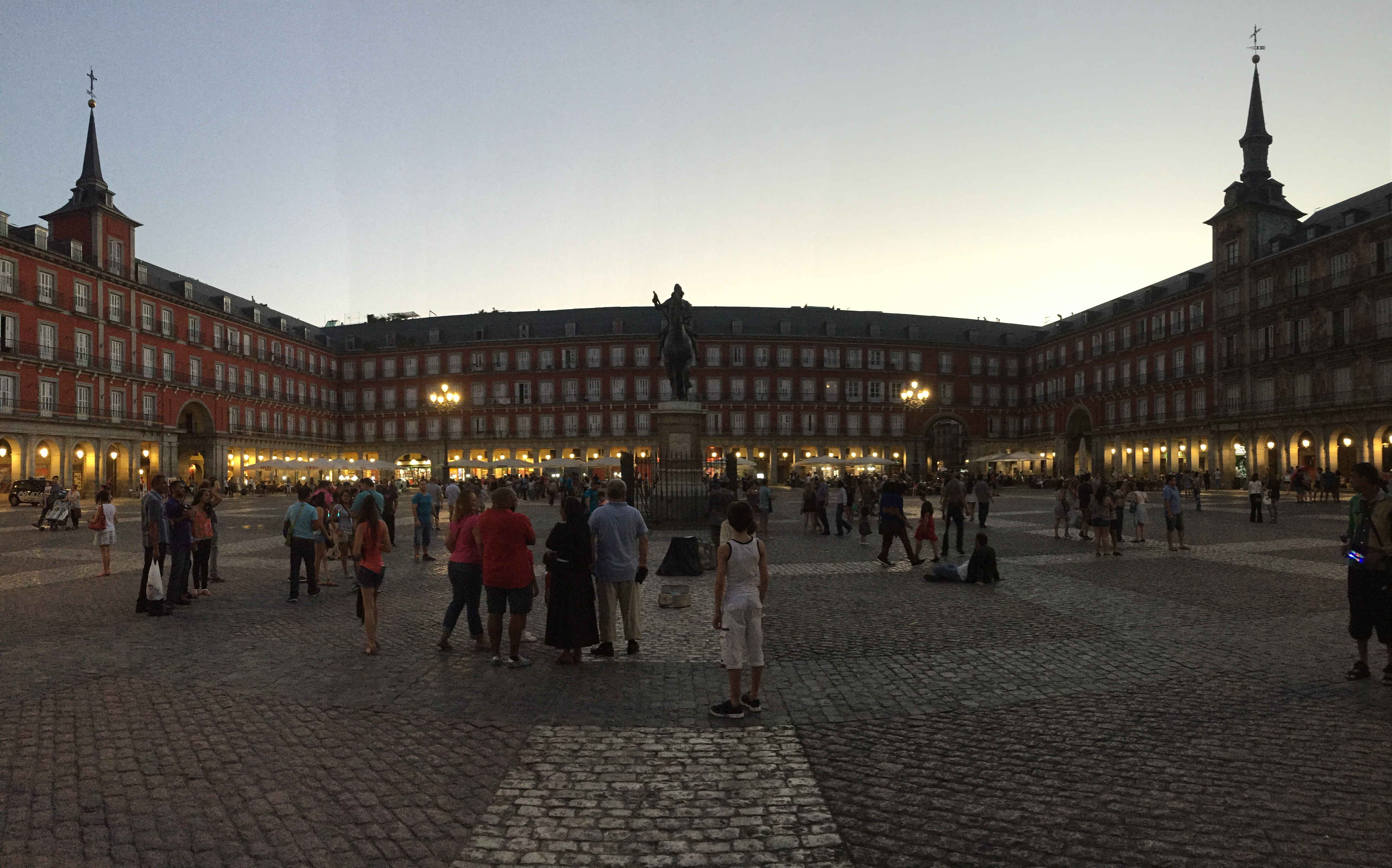
Plaza Mayor
Next was a stop a the world’s oldest restaurant. The Sobrino de Botin restaurant has been going since 1725 and has had its popular dishes mentioned in Ernest Hemingway’s ‘The Sun Also Rises.’
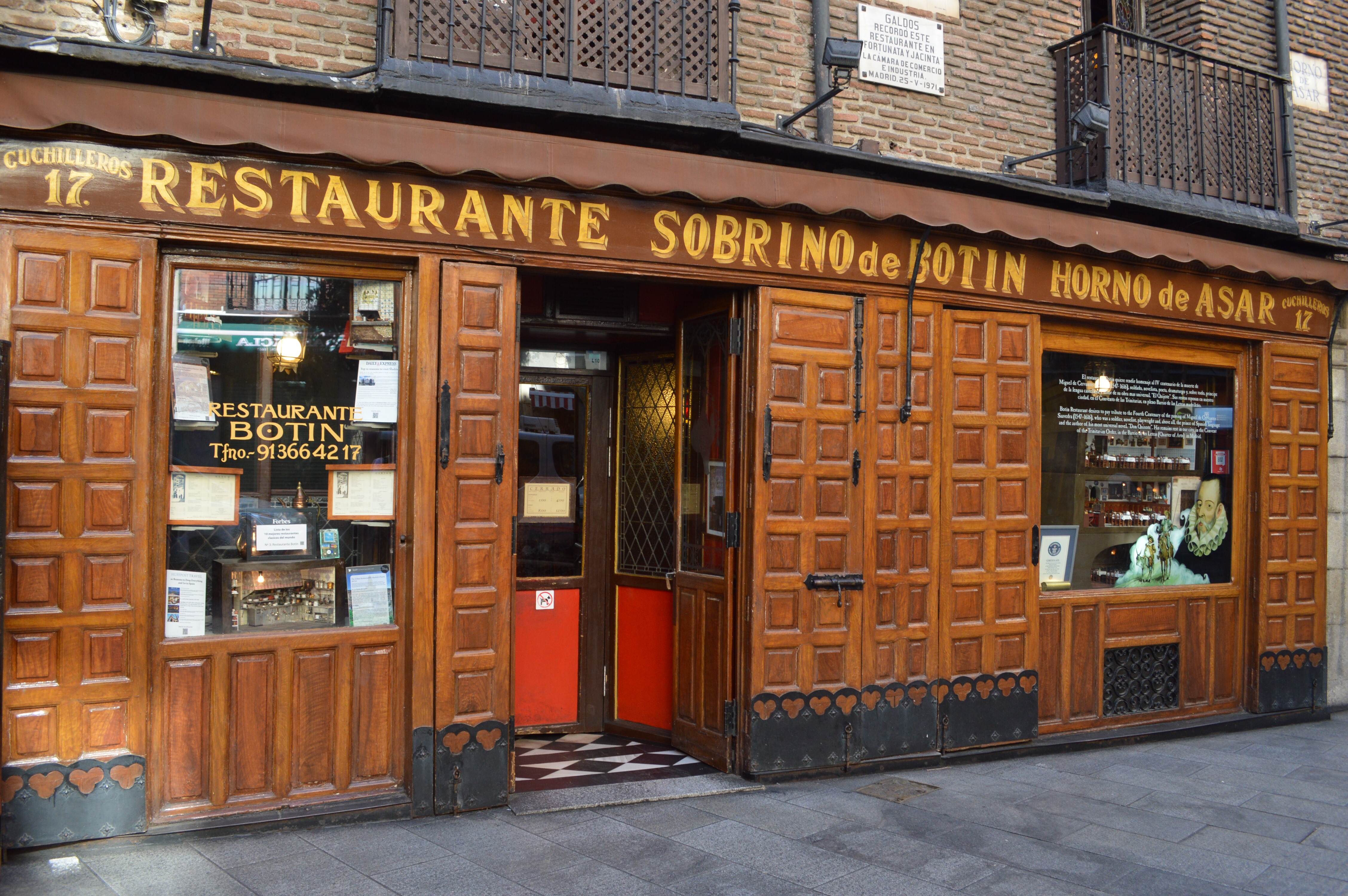
The Sobrino de Botin
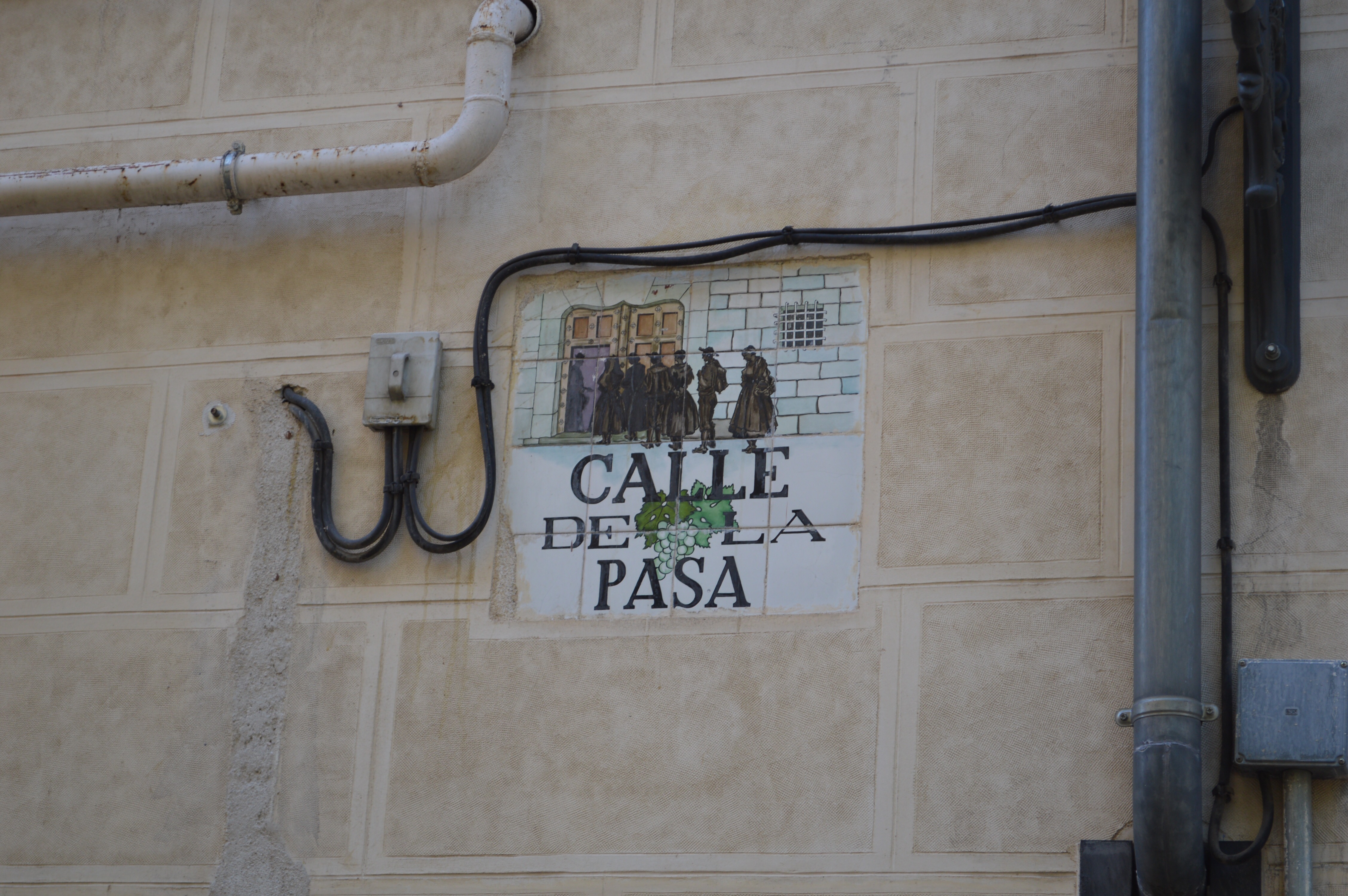
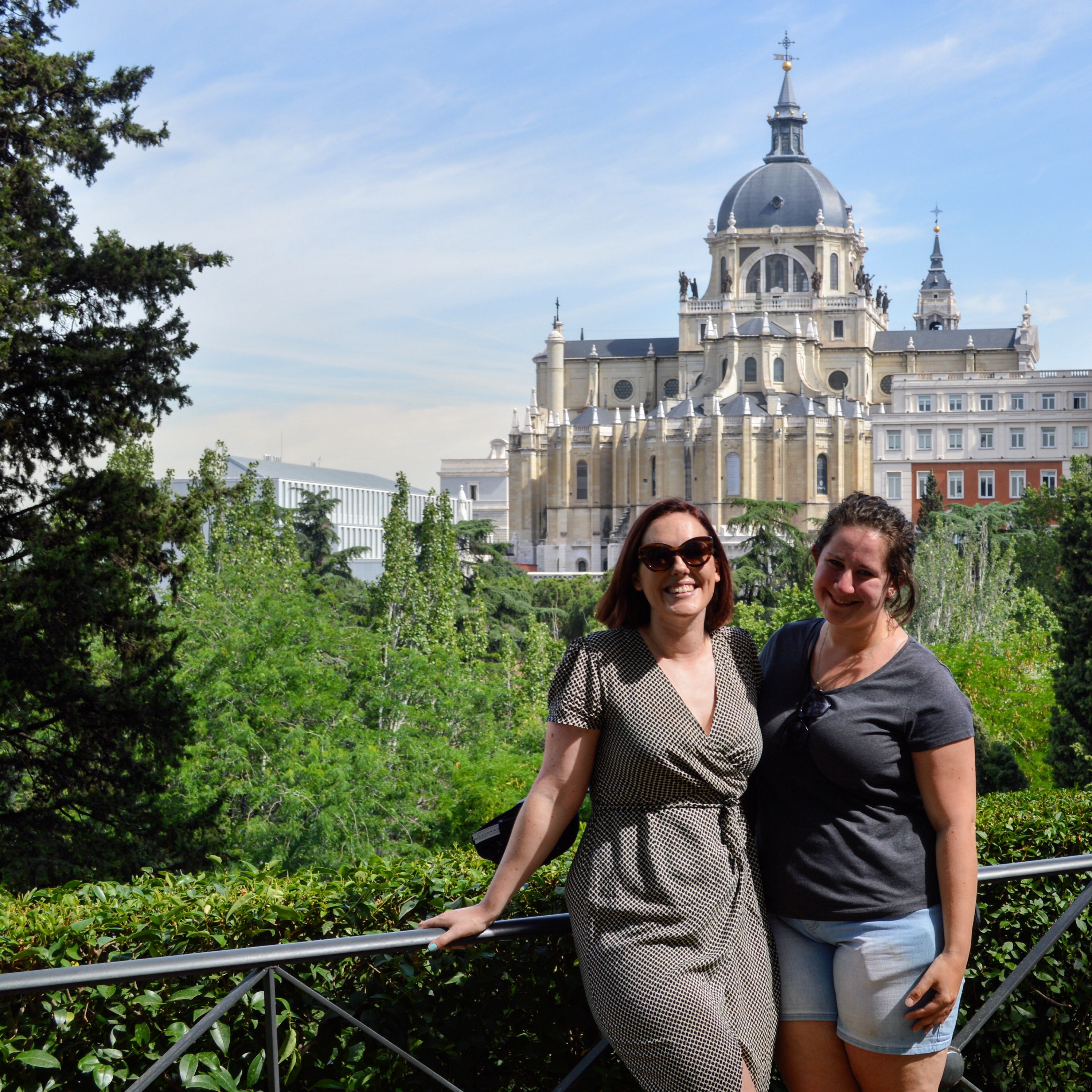
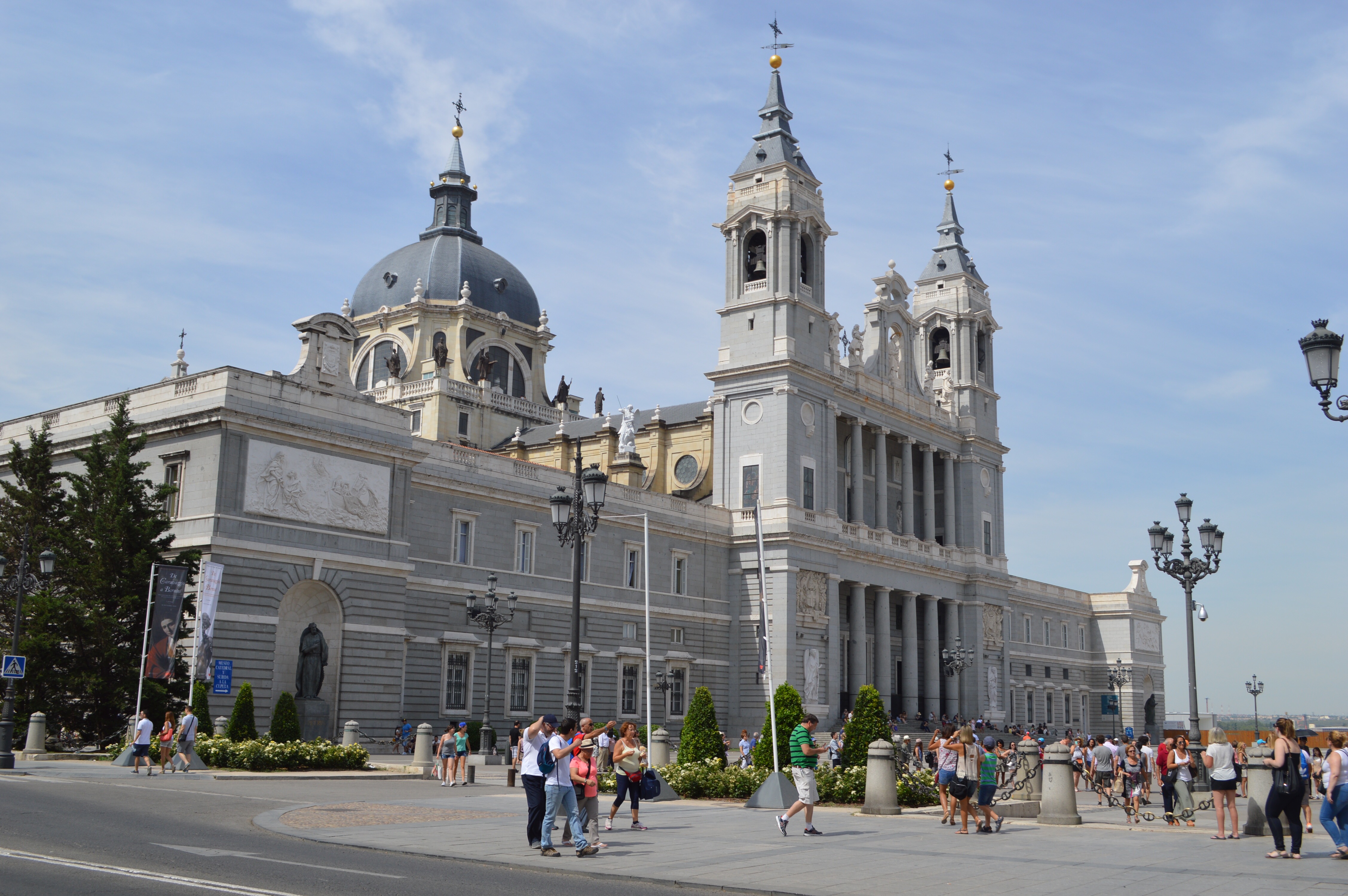
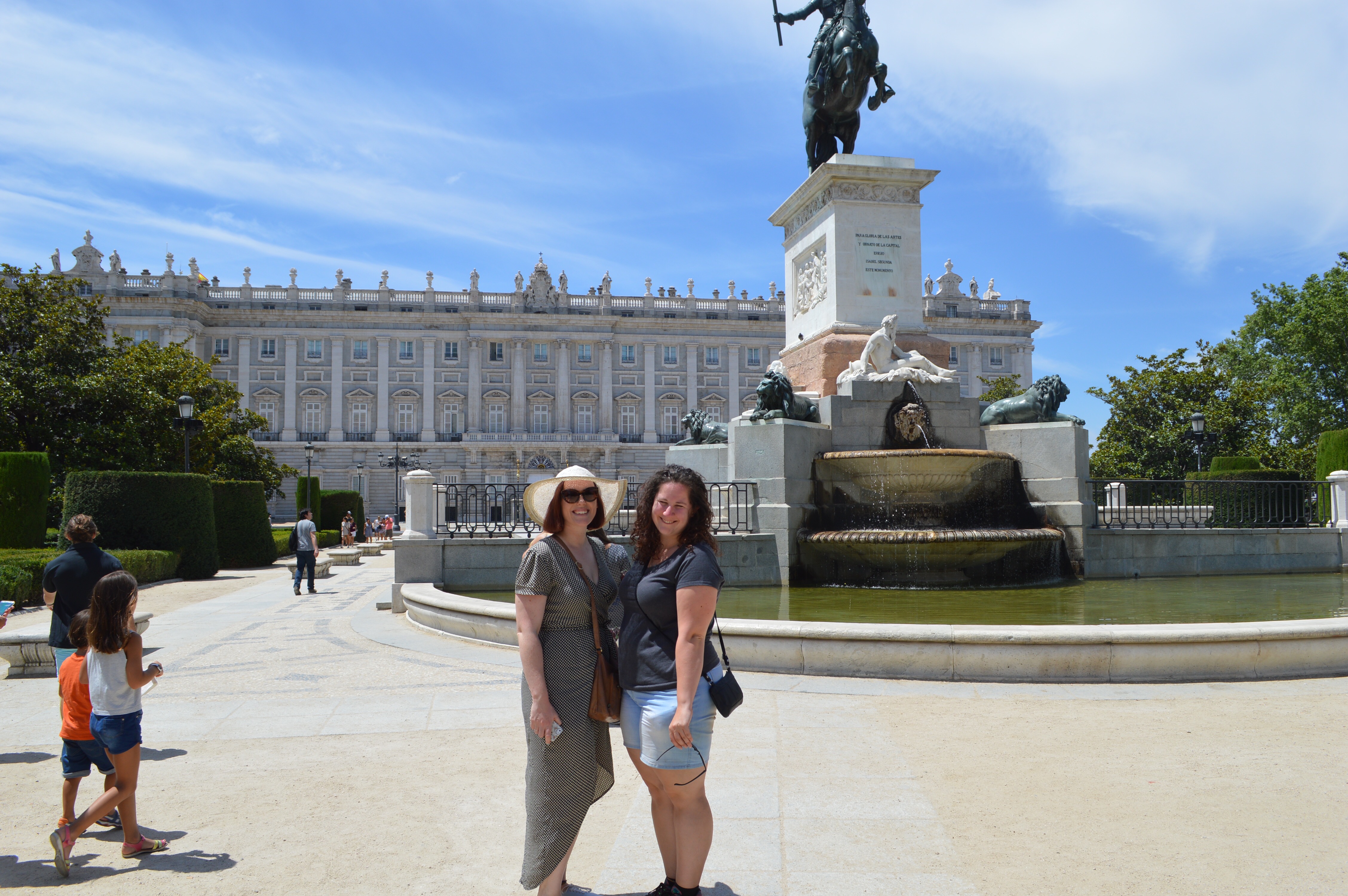
We saw the Catedral de Almudena, the Plaza de Puerta Cerrada, the Oriente Square, the Royal Palace the Plaza de la Villa and more, all the while Seb told us stories about the Spanish Empire, the Spanish Inquisition and the Spanish Civil War. He used us, the tour participants, as characters in the staring roles of these stories. We married each other and betrayed each other – it really made some of the history come to life (although we still feel like we need to look at some sort of a time line to piece everything together!!). One fun tid-bit we learnt a long the way was that it used to be a bad thing to be from Madrid. You were often called “gato” meaning cat as it was said that people from Madrid were always trying to scurry over other city walls. Now if you ask someone from Madrid today if they are “gato gato” most people will say no, but a rare few will proudly answer yes. This is because it now means a rare and valued thing – that you are the third generation in your family from Madrid!
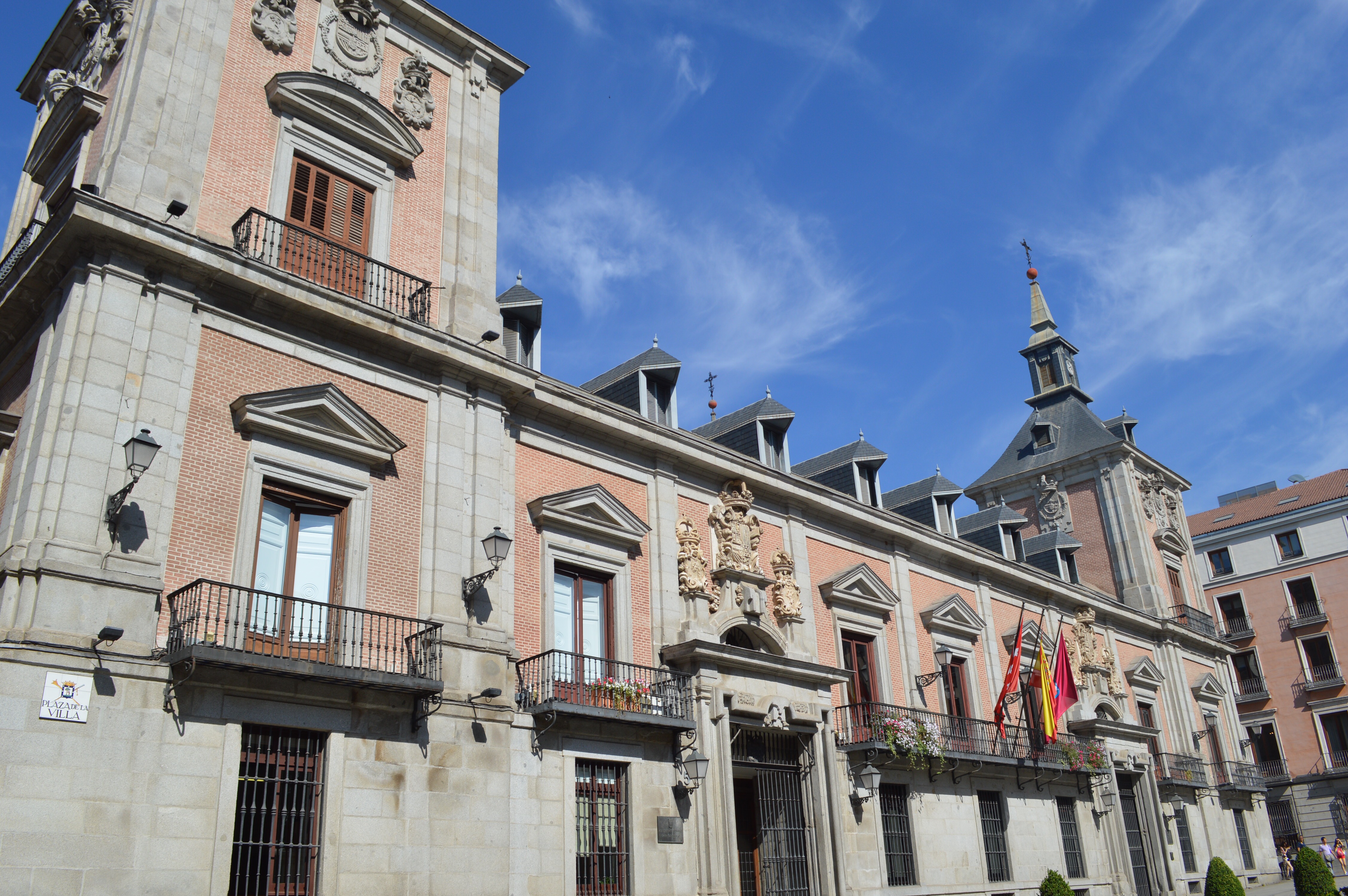
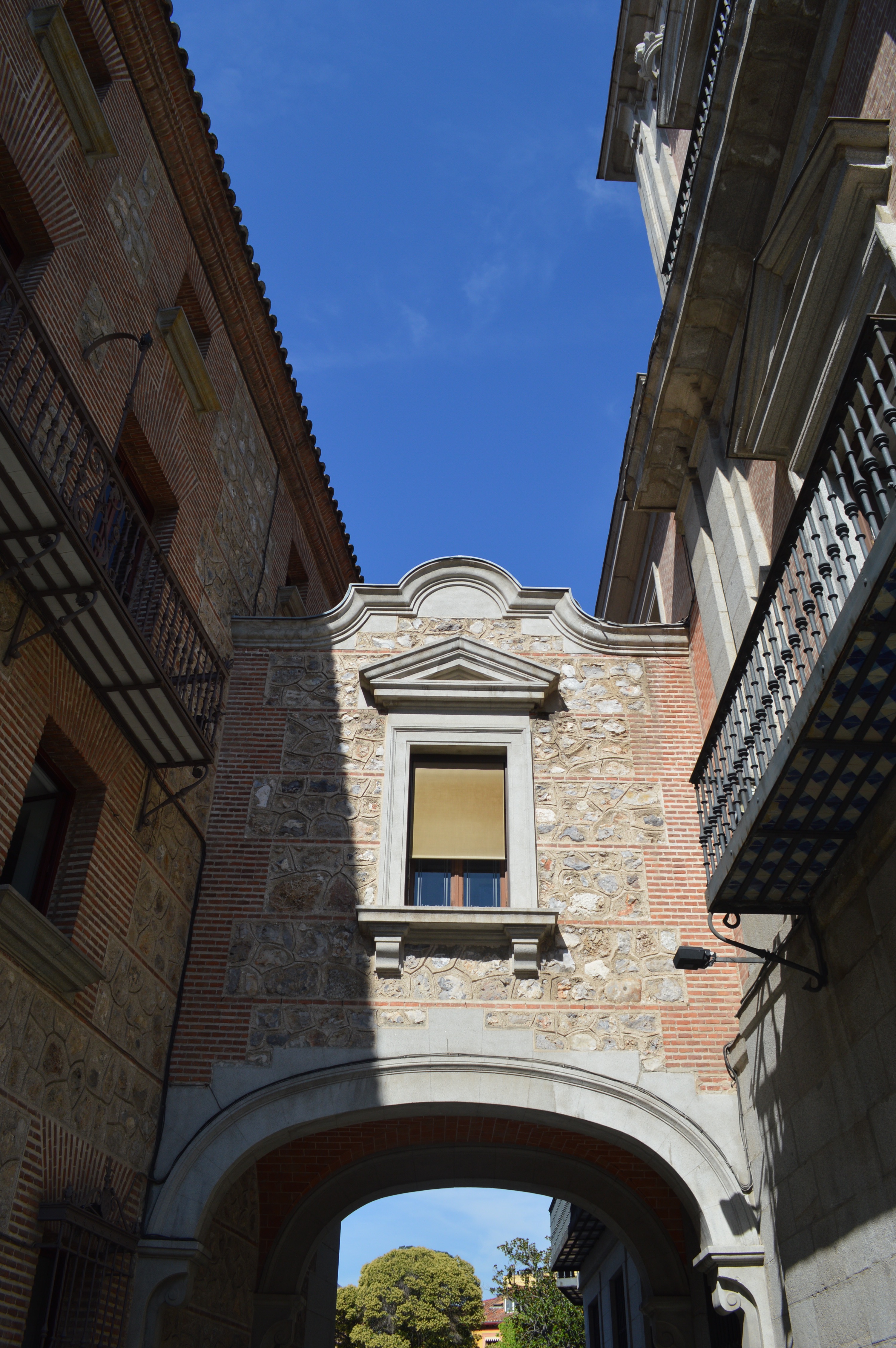
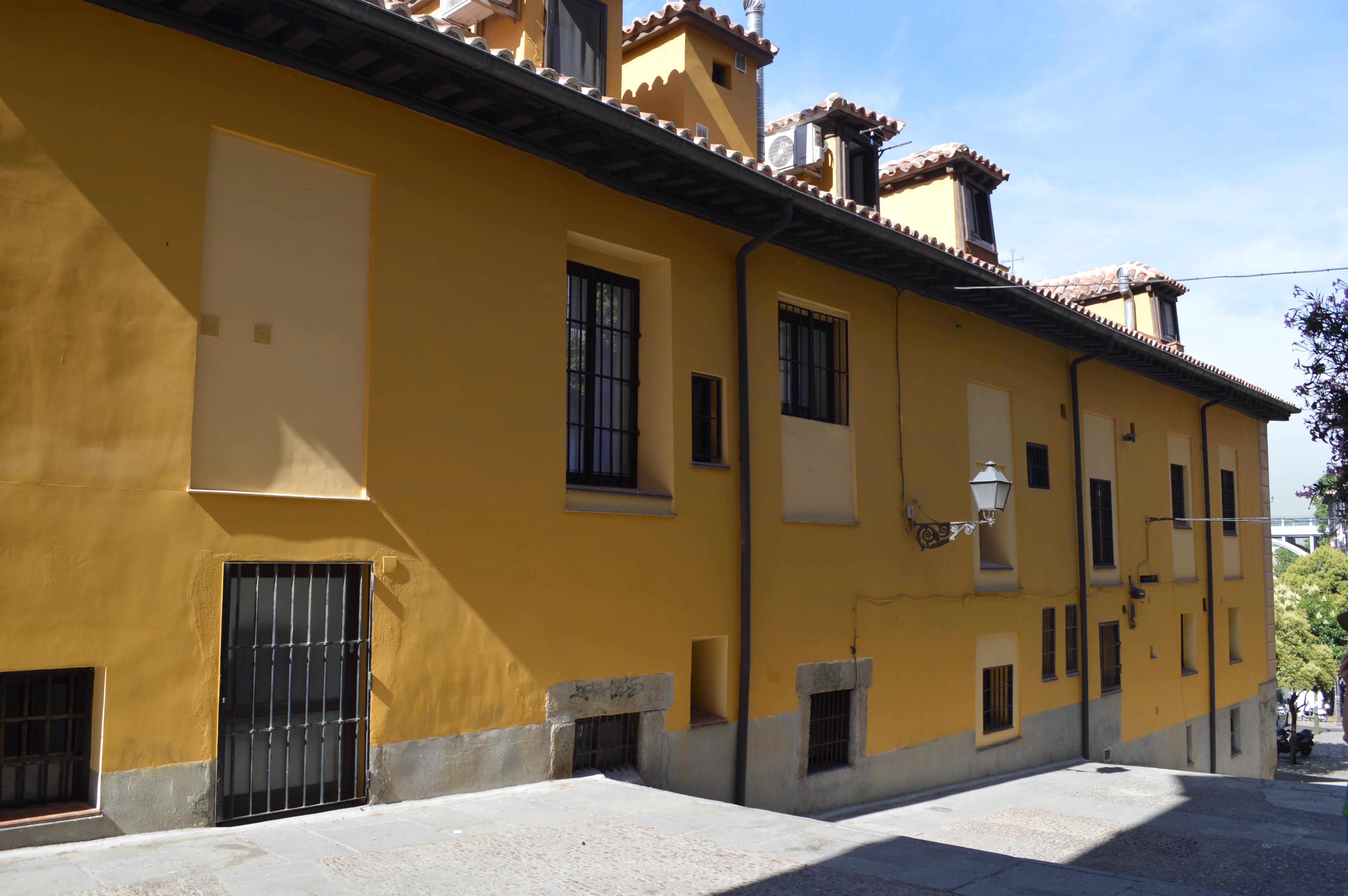
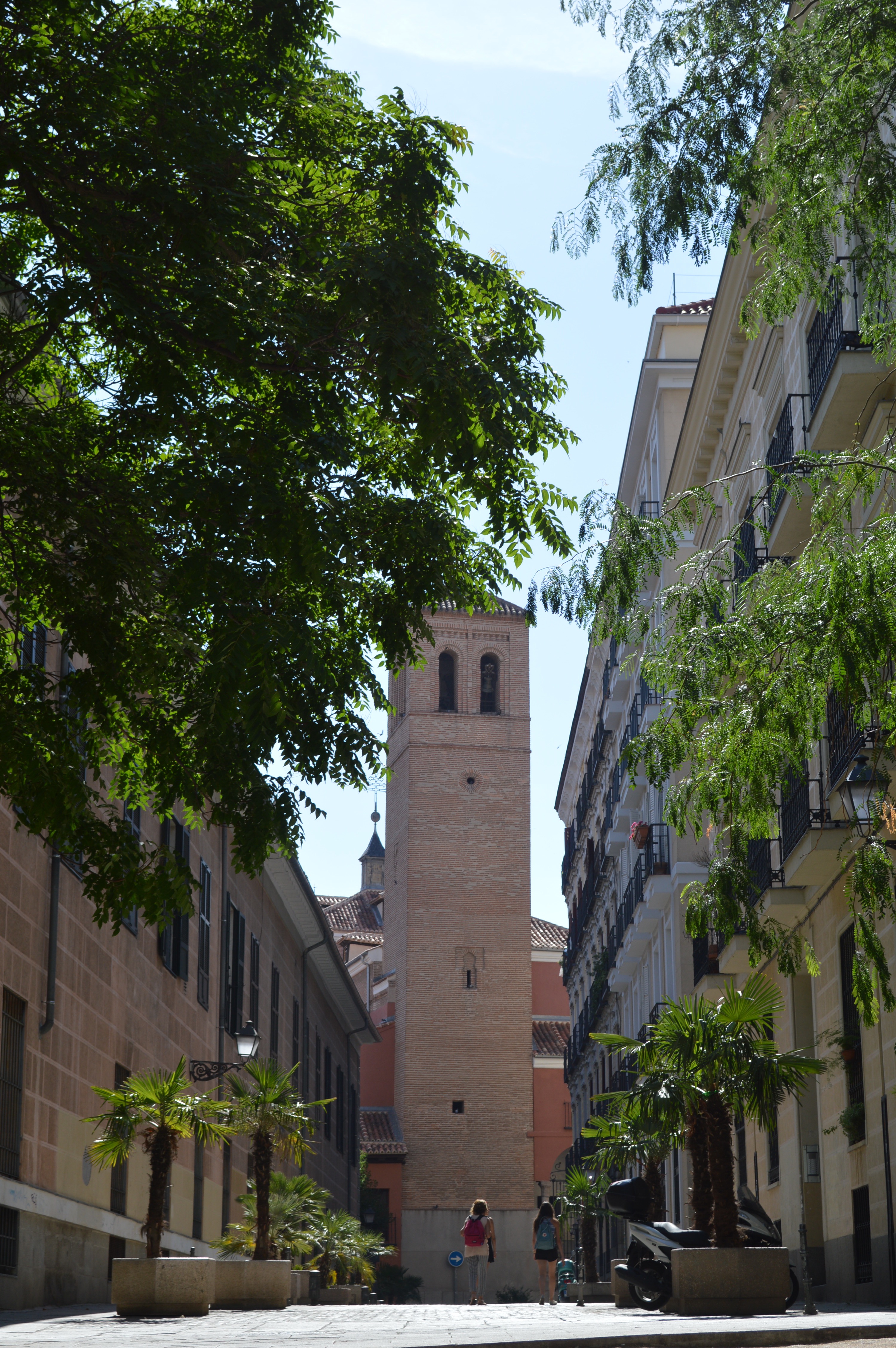
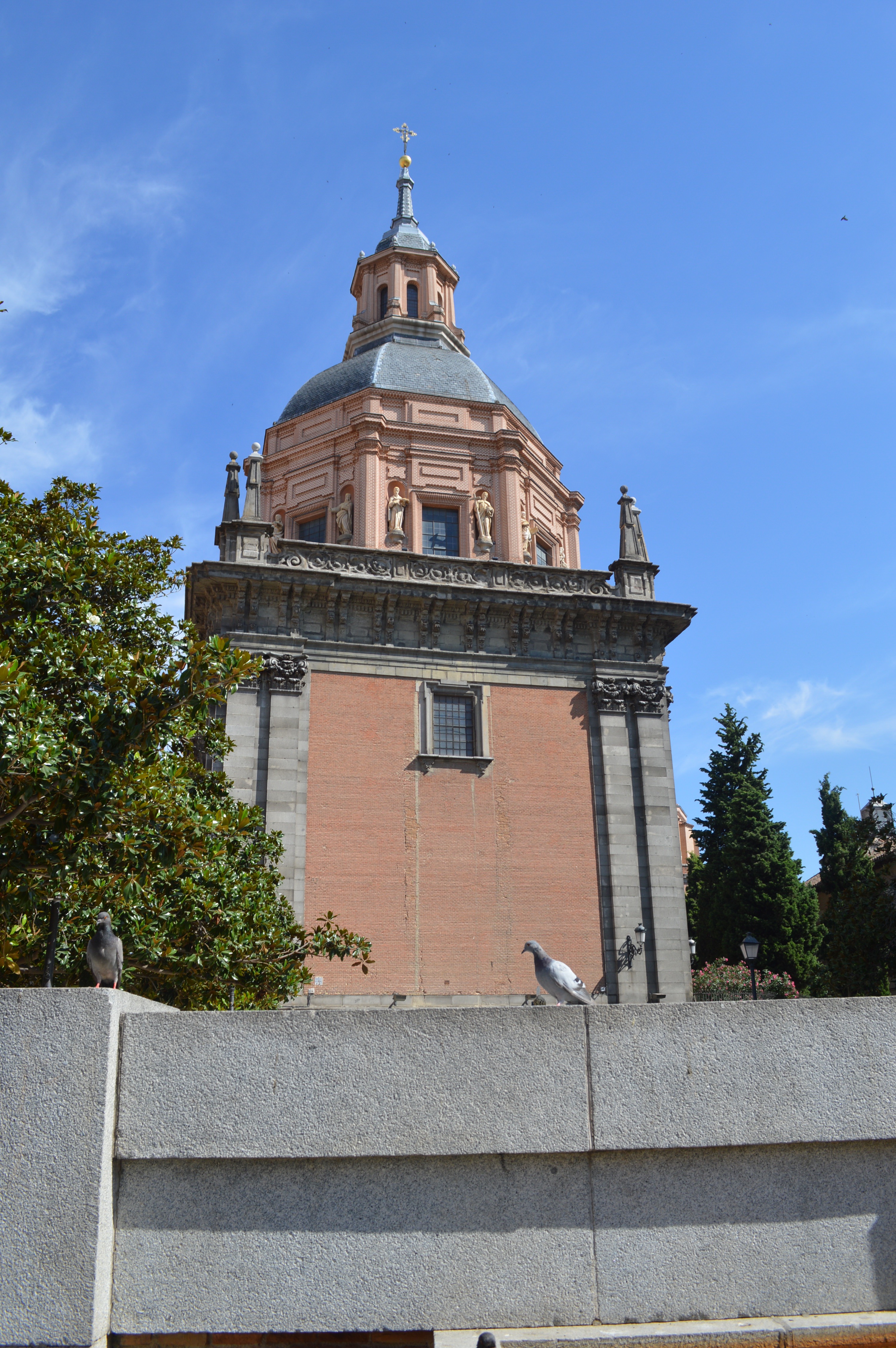
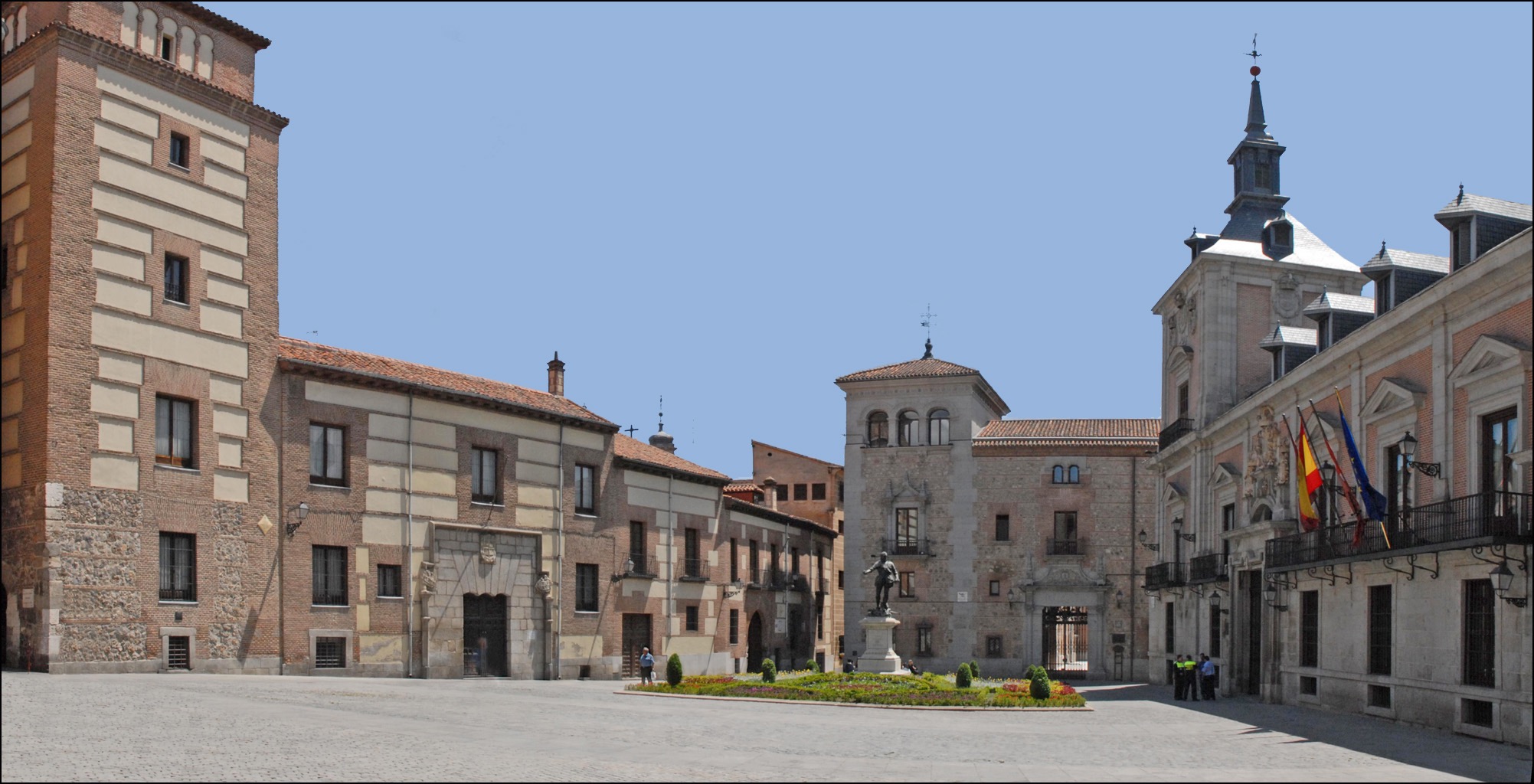
We finished back in Plaza Mayor where we learnt about the more recent and controversial uses of this square. Bullfights, often in celebration of royal weddings or births, with royalty watching on from the balconies and up to 50,000 people crammed into the plaza, were a recurring theme until 1878. Far more notorious were the autos-da-fé (the ritual condemnations of heretics during the Spanish Inquisition), followed by executions – burnings at the stake, deaths by garrotte and hangings. One might summarise by saying that from a dusty outpost on the edge of the enlightened Moorish kingdom to the glorious capital of the world’s biggest empire and the dark heart of the Spanish Inquisition, Madrid has seen its highs and lows.
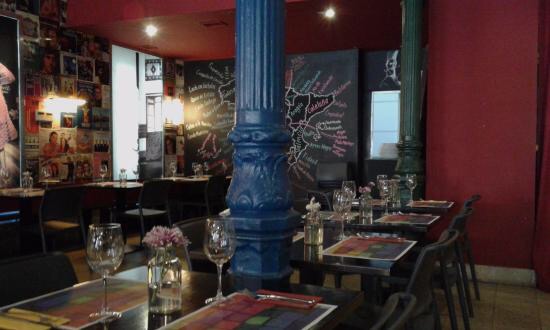
After our tour we headed out for lunch with three new Australian friends (let’s be honest, it seems like half the people traveling are always Australians!). We found ourselves at La Excéntrica, near the royal palace. We managed to get the menu del dia and were treated to a feast for great value! The food, service, atmosphere and company were terrific! Although we may have accidentally ordered some sort of cooked ham the waitress described to us as beef… Otherwise could not fault it!
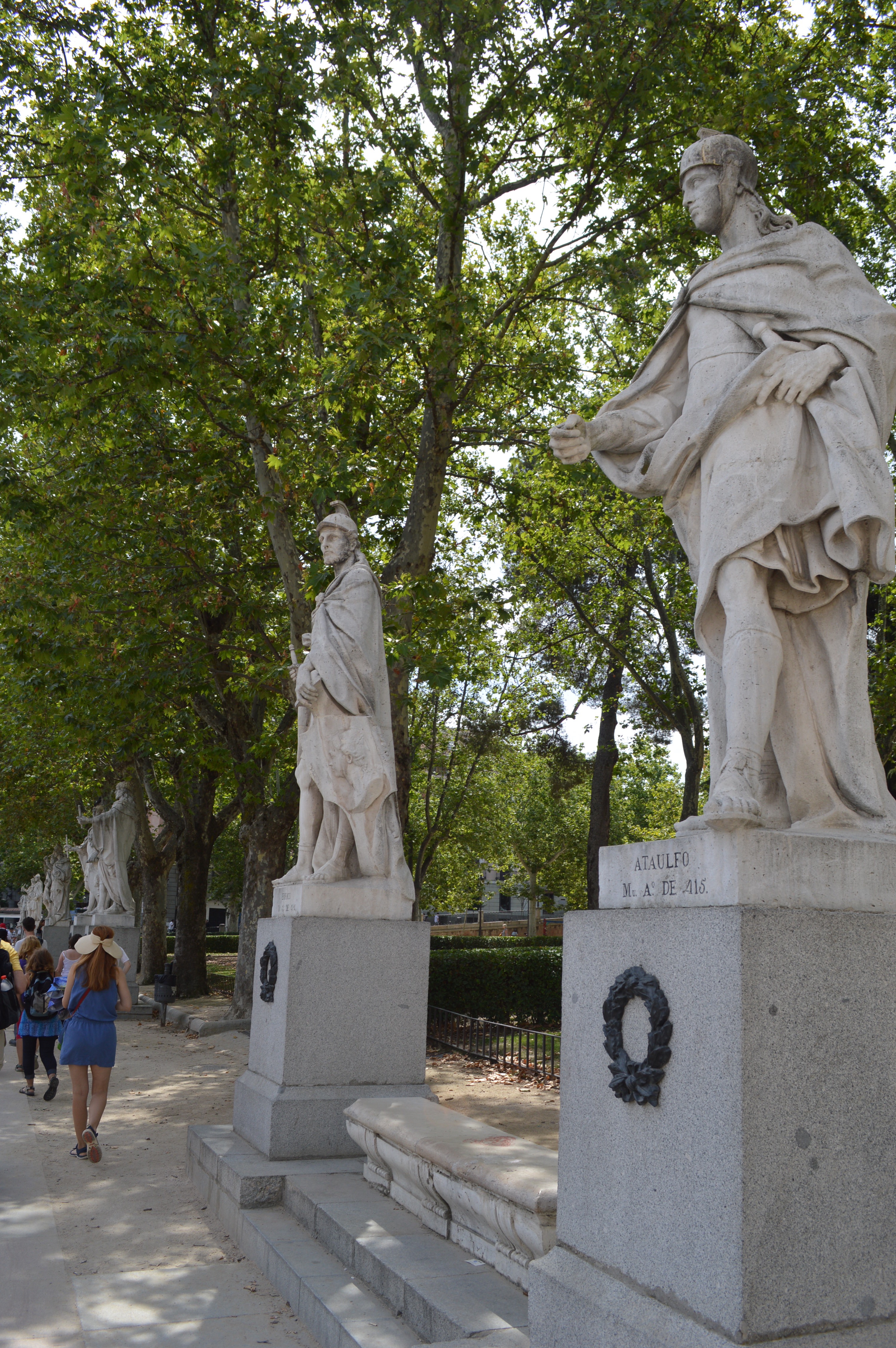
Next stop on our busy agenda was the Royal Palace, we had pre-booked a time slot just in case it was busy and strolled on in. The Royal Palace (Palacio Real) is not the official residence of His Majesty the King of Spain, but rather where state ceremonies, official banquets and other state functions take place. The King lives in Zarzuela Palace, which is just outside of Madrid. A palace has stood in this location in Madrid since the ninth century when the Muslim kingdom of Toledo built a defense that was later used by the kings of Castile, who, during the 16th century, built the former Alcázar castle. The current Royal Palace, was built on the site of the old Alcázar which was destroyed by fire on Christmas Eve 1734 (there are rumors that King Felipe V decided to build a palace for his Borbon dynasty and ordered the palace burnt down). It is increadibly beautiful both outside, with stunning stone and brick work, and inside. For interior decoration, rich materials were used: spanish marble, stucco, mahogany doors and windows and important works of art, particularly frescoes by leading artists of the time. The palace however will always remain unfinished. There are many vacant pedestals atop the palace where the statues of all the past kings of Spain where meant to sit. However when Franco came to power he did not want them placed on top. So instead there are now statues of approximately 40 kings scattered in various parks around Madrid and Spain. They are now fondly known as “the traveling kings”.
To finish the day (boy we packed a lot into today) we decided we would try and go to one of the famous art galleries in Madrid which are free of an evening to enter. When we got to our first option, the Prado museum, the lines were miles long and the attendants said it would take 45 minutes – 1 hour to enter. We decided to head straight to the second museum, Reina Sofia. We were 40 minutes early (before it became free) so we sat and held our spot in line, it wasn’t long before there was a substantial cue here as well.
The Museo Nacional Centro de Arte Reina Sofía is Spain’s national museum of 20th-century art. Home to Picasso’s Guernica, arguably Spain’s most famous artwork, we decided to run up to that piece first, before everyone started spilling in! We had the right idea and it is a fascinating piece to see. We spent the next two hours wandering around the different areas of the museum. art. In addition to plenty of paintings by Picasso, other major drawcards were works by Salvador Dalí and Joan Miró. The occasional non-Spaniard artist makes an appearance, but most of the collection is strictly peninsular. We were ushered out 15 minutes before closing time by staff who were clearly ready to go home. This is certainly the first place I have been where the shop was closed before everyone had left the museum. Ah Spain, they have their priorities in order!
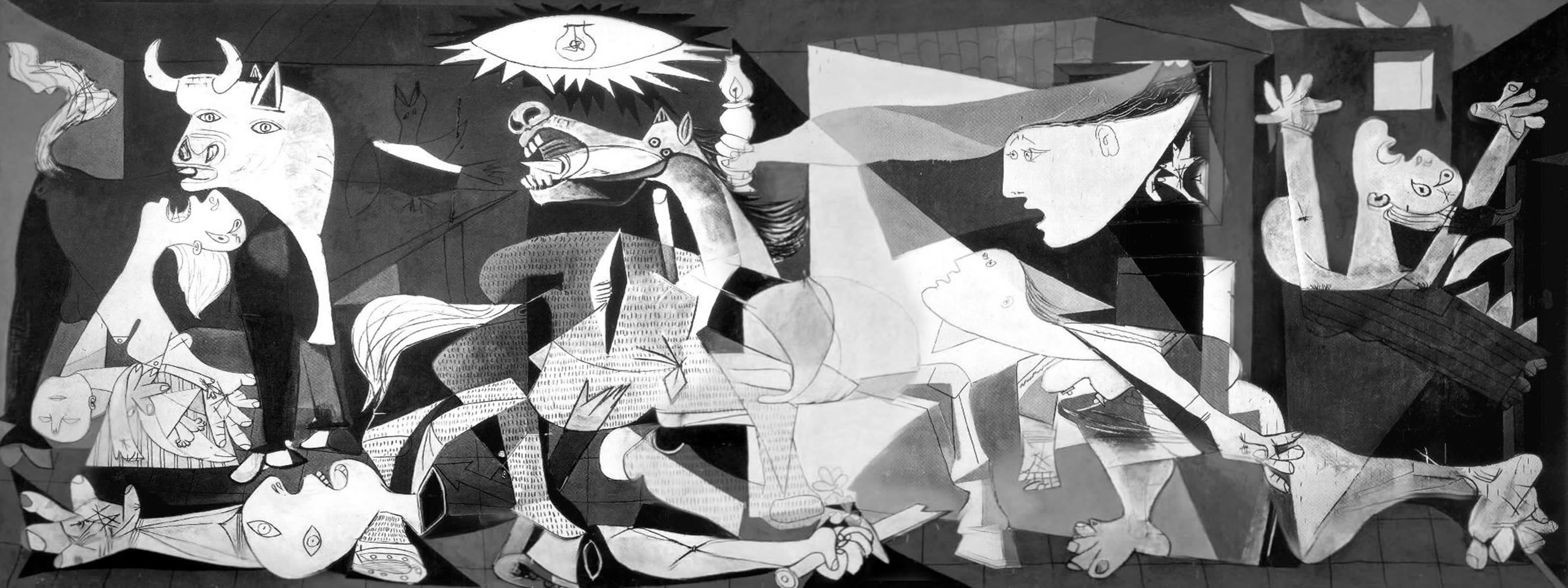
Picasso’s Guernica
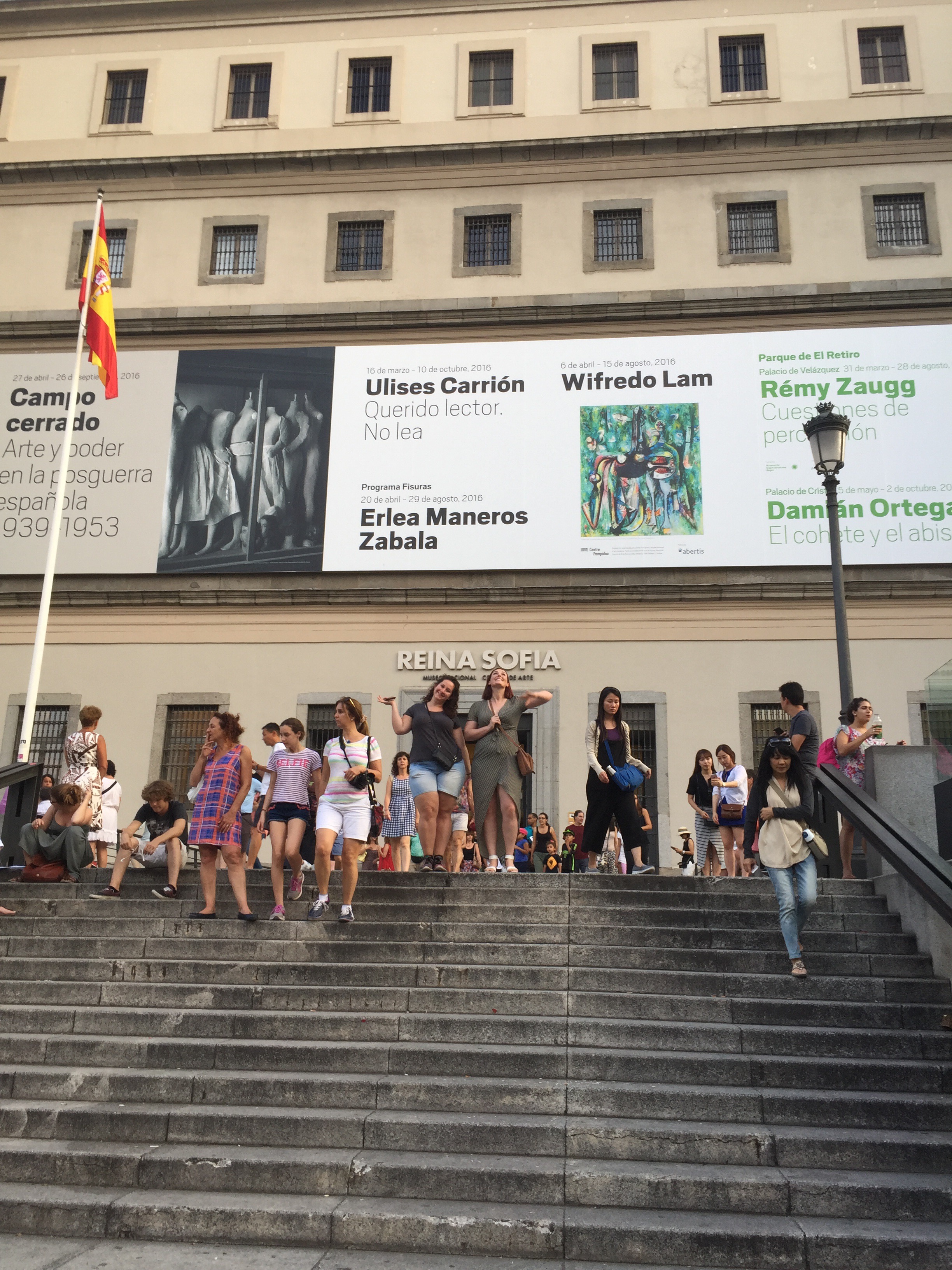
We ventured off to a lovely little square for dinner where we had tapas, sangria and pasta to finish off our hustling and busting day!
 stefanysees